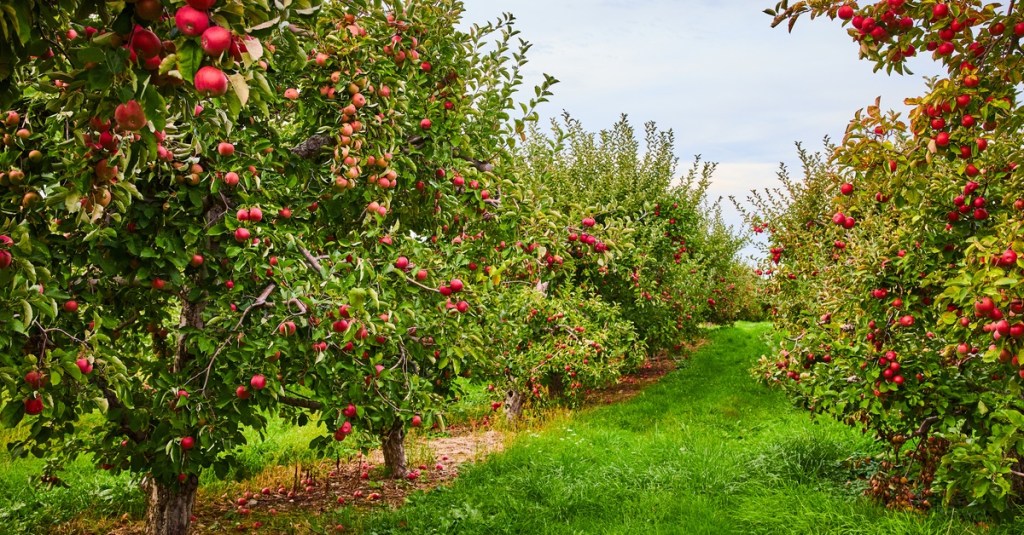
If you’re dreaming of your own backyard orchard or simply envisioning a single tree loaded with lush, delicious fruit, selecting the right fruit tree for your space is the most important first step. There’s more to this process than just picking out your favorite fruit.
By choosing wisely, you’ll ensure years of fruitful harvests, a garden that flourishes, and successful gardening endeavors. Let’s take a deep dive into the top considerations when selecting fruit trees, equipping you with the knowledge for a successful future harvest.
Assess Your Climate and Growing Conditions
Your local climate plays a pivotal role in deciding which fruit trees will thrive. Some trees flourish in cold winters, like apples and cherries, while others, such as citrus, need warm temperatures year-round. Consider factors like average temperatures, frost dates, and rainfall in your region.
Pay attention to chilling hour requirements as well. For example, stone fruits like peaches and plums often require a certain number of chilling hours—hours spent in temperatures below 45 degrees Fahrenheit—to produce fruit. Ignoring climate compatibility when selecting your tree might result in years of frustration instead of fruit.
Consider the Available Space in Your Garden
Fruit trees add significant visual appeal to your space, but they require adequate room to grow and flourish. Cherry and persimmon trees are stunning choices for larger spaces, while dwarf varieties like certain apple and peach trees work perfectly for smaller gardens. Even if you’re set on a particular fruit, think about your available growing space, including overhead clearance and root expansion.
Potted versions are an alternative if you’re working with a patio or balcony. For those looking for mature options with substantial yields, you might consider large persimmon trees for sale, which provide instant beauty and generate harvest quickly given their size and maturity.
Evaluate Soil Type and Drainage
Not all fruit trees adapt well to the same soil, making it essential to evaluate what you’re working with. For optimal growth, most fruit trees prefer loamy, well-draining soil. Perform a basic soil test to check pH levels and nutrient availability.
Amend clay-heavy soil with organic materials to improve drainage, and avoid areas prone to water logging that could damage delicate roots. If you’re serious about your orchard’s long-term success, preparing the soil beforehand will provide the foundation your tree needs to thrive.
Determine Pollination Requirements
One important yet often overlooked aspect of fruit tree selection is pollination. Some fruit trees, such as apricots and figs, are self-pollinating and capable of fruiting independently. However, apple and cherry trees need cross-pollination from a nearby compatible variety to produce fruit.
Before planting, research the requirements specific to the type of tree you’re considering. Ensuring you meet these needs will directly impact the productivity of your tree.
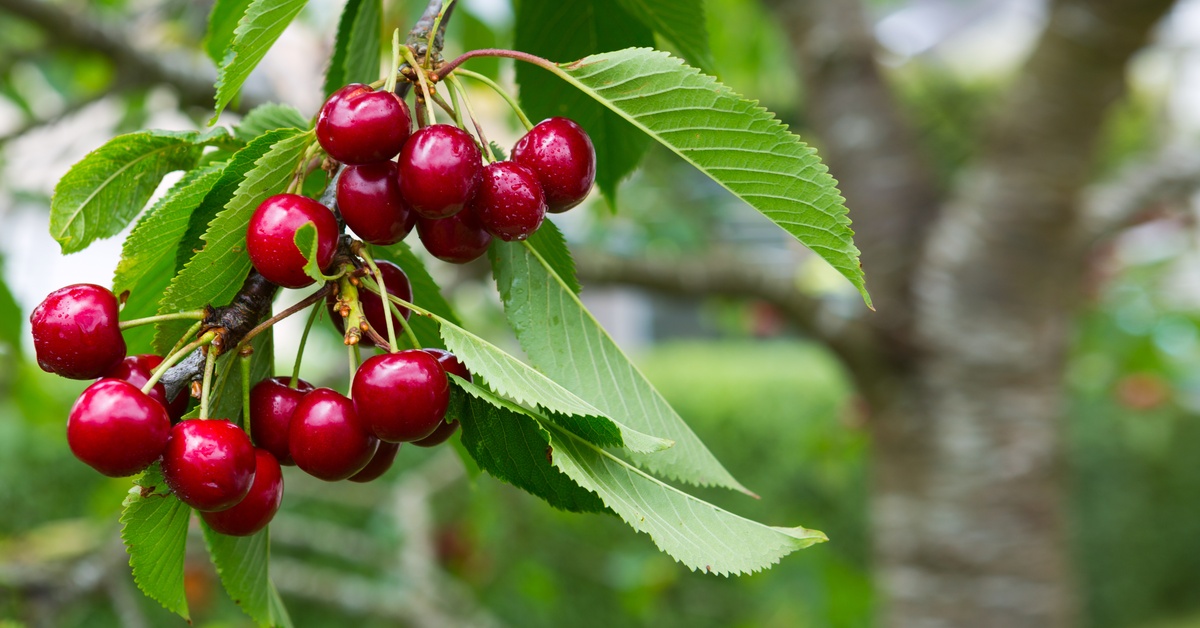
Research Tree Size and Growth Rate
An understanding of the mature size and growth pattern of your chosen tree will greatly influence your decision. Standard fruit trees can take years to bear fruit and require significant pruning.
In comparison, semi-dwarf and dwarf varieties are ideal for faster results, smaller spaces, or container growth. Knowing whether you prefer rapid fruit production or are prepared to play the long game will save time and energy down the road.
Plan for Pest and Disease Resistance
Fruit trees are magnets for pests and diseases, but carefully selecting resistant varieties can minimize problems later. Specific species can resist common issues, such as fire blight or brown rot, which could devastate your harvest.
Your local nursery or an agricultural extension office can recommend varieties best suited for combatting pests in your climate. Proactive options now mean fewer headaches and healthier crops later.
Common Pests and Diseases for Fruit Trees
Unfortunately, fruit trees are not immune to pests and diseases and some species fall victim to common invaders. Notable pest and tree pairings include:
- Apple scabs and apple trees.
- Black knot and plum or cherry trees.
- Powdery mildew and almost all fruit trees.
- Plum curculio and almost all fruit trees.
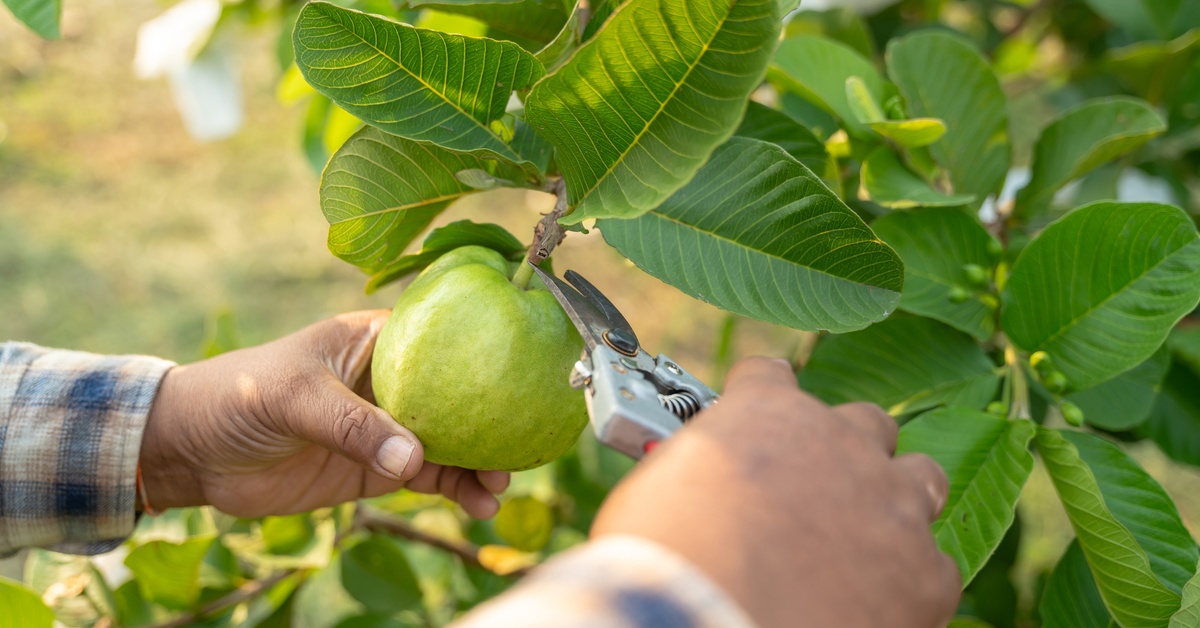
Check Fruit Tree Availability
Availability is a deciding factor for selecting fruit trees, especially for specialty or heirloom varieties. While local nurseries often offer selections suited to your region, online retailers offer a broader range of options and sizes.
Large persimmon trees, for example, are increasingly available online for people searching for a mature addition to their garden. If there’s a lack of stock locally, this additional option provides ample alternatives for fulfilling your orchard goals.
Think About Fruit Production and Yield
Your choice of fruit trees should align with your expectations for fruit production. Are you looking for heavy yield for canning and preserving, or do you want just enough fruit for fresh, on-the-spot enjoyment?
Peach trees often provide high yields, while options like figs and persimmons might be better for limited but memorable harvests. Taking note of yield size and fruiting timelines ensures that you’ll have exactly the right amount of produce for your needs.
Factor in Maintenance Requirements
Fruit trees require varying degrees of care, from regular watering and feeding to pruning and pest control. Figs are relatively low maintenance, but apples and peaches demand seasonal upkeep, such as thinning fruit or applying dormant sprays.
Consider how much time and effort you’re willing to invest before committing to a specific variety. A tree’s maintenance needs may also factor into its total cost, from tools to labor expenditures.
Calculate the Cost of the Tree and Upkeep
The price of your fruit tree doesn’t end at the point of purchase. Beyond the initial cost, think about ongoing maintenance expenses, such as pruning tools, organic fertilizers, or pest management solutions.
Large trees may come at a higher upfront cost than saplings. If budget is a concern, weigh the long-term return when making your selection. A high-quality, well-maintained tree is more cost-effective over the years than a cheaper alternative prone to replacement or failure.
Cultivate a Thriving Orchard With the Right Choice
Selecting the perfect fruit tree doesn’t have to be intimidating, but it does require thoughtful consideration of your unique growing conditions and goals. By addressing the factors discussed in this guide, you’ll be setting your orchard up for long-term success.
Don’t hesitate to invest in quality, as a healthy tree will reward you with beauty and bounty for years to come. Start your search today and explore your options to find the ideal addition to your garden.

 Ty Ty Plant Nursery's Blog
Leave a reply to Tips for Turning Your Backyard Into a Food Forest Oasis Cancel reply