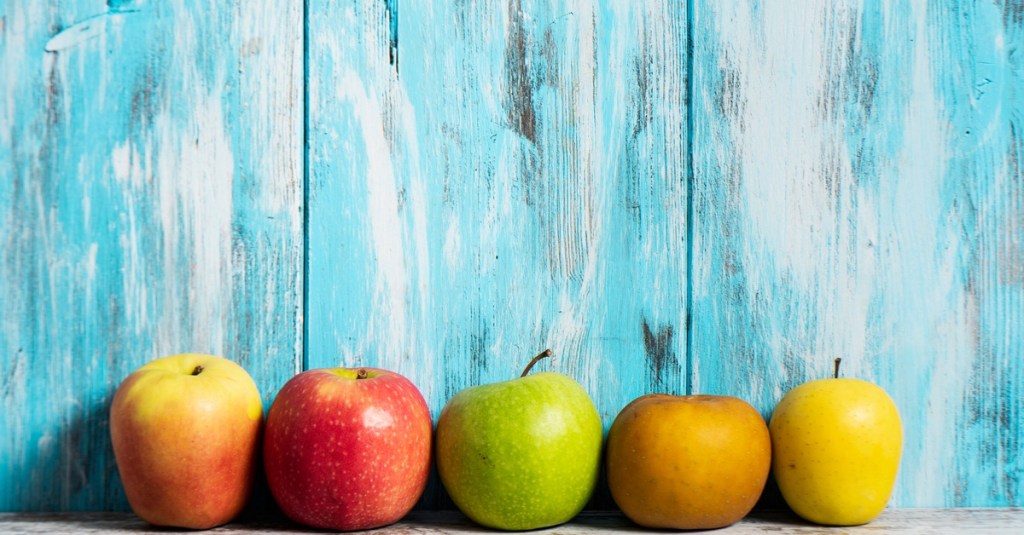
Are you dreaming of plucking fresh, juicy apples straight from your own garden? Growing apple trees is a rewarding experience, but choosing the right variety for your space and needs can be a bit tricky. After all, there are thousands of apple cultivars available, so how do you find the perfect fit?
This comprehensive guide will walk you through how to choose the right apple trees for your garden. We will help you understand everything from tree types and pollination needs to how to accommodate your climate and preferences. By the end, you’ll be ready to pick (and plant!) with confidence.
Why Choosing the Right Apple Tree Matters
There are about 7,500 apple varieties worldwide, and each differs in size, growth habit, fruit flavor, harvest time, maintenance requirements, hardiness, and more. Choosing the wrong tree for your garden can result in poor yields, weak growth, or fruit that simply doesn’t meet your expectations.
By understanding key factors such as pollination, your local climate, and your gardening goals, you set yourself up for a flourishing apple harvest year after year. Let’s dig into the essentials.
Step 1: Know Your Space
One of the first things to consider is how much room you have to grow apple trees. Apple trees come in different sizes, primarily determined by their rootstock. The rootstock is the part of the tree that controls its growth, while the grafted scion determines the variety of apples it will produce.
Regardless of the apple species you choose, your options for tree size include standard, semi-dwarf, and dwarf.
Standard Trees
These grow up to 20–30 feet tall and wide, making them suitable for larger properties. They take longer to bear fruit but can live for decades.
Semi-Dwarf Trees
Reaching heights of 12–15 feet, semi-dwarfs are ideal for medium-sized gardens. They produce fruit sooner than standard trees but still yield a significant harvest.
Dwarf Trees
Compact and manageable, dwarf apple trees max out at 6–10 feet tall. They are perfect for small gardens and can even be grown in pots. However, they often require support structures like stakes to protect them from wind damage.
Step 2: Understand Pollination Needs
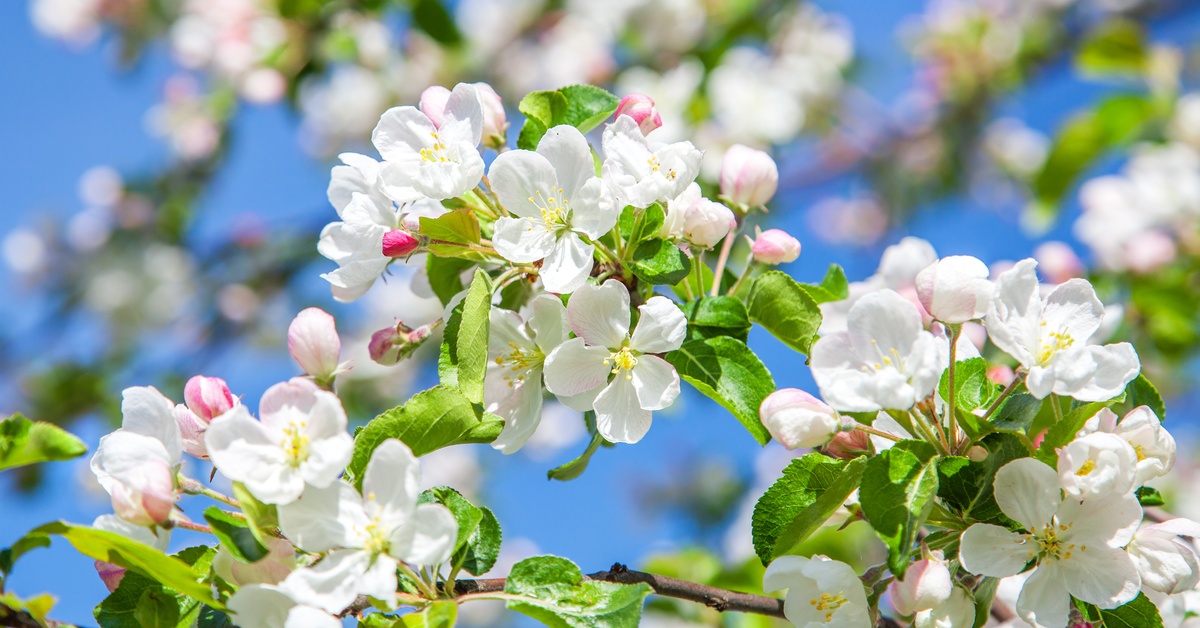
Apple trees rely on cross-pollination from another compatible cultivar to produce fruit. This means you’ll usually need at least two trees of different varieties blooming at the same time to achieve successful pollination.
Self-Pollinating Options
Some varieties, such as Golden Delicious and Granny Smith, are self-pollinating, meaning they can produce fruit on their own. However, even self-pollinating trees yield more and better fruits with a pollination partner nearby.
Choosing Pollination Partners
When selecting apple varieties, make sure their bloom times overlap to enable cross-pollination. You can find bloom group information on most nursery labels or catalogs. The information should indicate early, mid-, or late-season blossoms.
A lot of gardeners use crabapple trees as pollinators. Their flowers bloom for a long time and are highly attractive to bees, making them excellent partners for most apple varieties!
Step 3: Pick Varieties Based on Climate
Not all apple varieties thrive in every climate. Understanding your local growing conditions is key to choosing trees that will flourish in your region.
Consider Chill Hours
Apple trees require a certain number of “chill hours” (hours between 33°F and 45°F) to produce fruit. For example, Fuji apples need around 400–600 chill hours, whereas Anna apples thrive with as little as 200 hours. The beloved Honeycrisp, however, requires upward of 800–1000 chill hours.
Figure Out Your USDA Hardiness Zone
USDA Hardiness Zones indicate the average annual extreme minimum temperature in different regions across the US. Plants are then assigned a hardiness zone based on what they can tolerate. To discover your region’s conditions, use the USDA’s Plant Hardiness Zone Map. With this information, you can better decide how many chill hours your region could supply your apple trees.
Step 4: Decide on Apple Type and Use
What kind of apples do you love most? Whether you prefer crisp, tart varieties or sweet, juicy ones, your personal tastes should help you narrow down your options.
If you love sweet apples for snacks or baking, then you want dessert varieties likeHoneycrisp, Gala, and Pink Lady. For apples best suited to baking, you want cooking apples that are tart and firm, such as Granny Smith or Bramley. Or if you want to make apple cider, you need cider apples, including Kingston Black or Harry Master’s Jersey.
Step 5: Consider Disease Resistance

Growing apple trees can involve battling pests and diseases, but some cultivars make this job easier. Consider planting disease-resistant varieties, particularly if you’re going to employ organic gardening practices.
Freedom or White Angel, for instance, are resistant to fire blight. If you’re concerned about apple scab, then Liberty, Pristine, or Florina are good cultivars to consider. Or if powdery mildew is the main threat, then Redfree and Jonafree could be the best choice.
Starting with resistant varieties can save you time and effort by ensuring healthier trees from the get-go.
Step 6: Time Your Harvest
Different apple varieties ripen at different times throughout the growing season. When do you want to enjoy fresh apples?
- early-season apples (July–August): Lodi, Transparent
- mid-season apples (September): McIntosh, Gala
- late-season apples (October–November): Fuji, Granny Smith
If you want apples throughout the season, plant varieties from different harvest periods.
Step 7: Order Your Apple Trees From Ty Ty Nursery
Once you’ve decided on the cultivars that meet your needs, purchase your apple trees from Ty Ty Nursery. We are a 100 percent online nursery with many apple varieties for you to select from. We even list each variety’s USDA Hardiness Zone to make selecting an environmentally compatible species easy. Simply choose the cultivars best for your garden, place your order, and wait until they show up at your doorstep ready for planting.
Ty Ty Nursery is committed to making gardening convenient and stress-free for growers across the US. If you have any questions about your needs or our services, don’t hesitate to reach out!

 Ty Ty Plant Nursery's Blog
Leave a comment