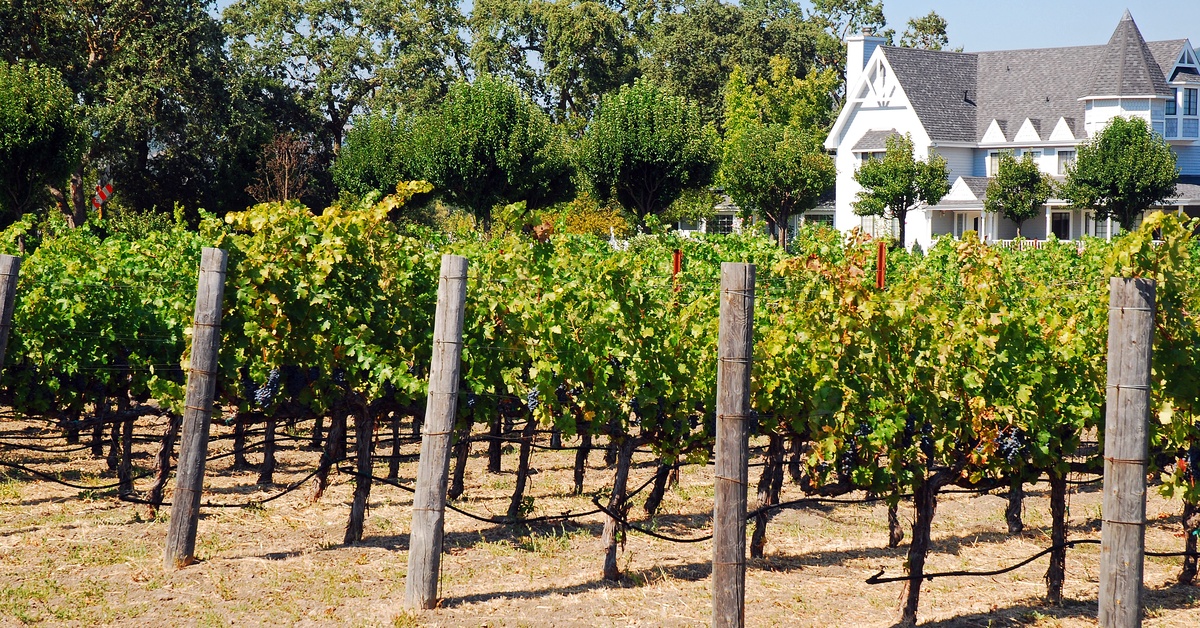
Creating a successful backyard vineyard doesn’t require vast acreage or decades of experience. With careful planning, the right knowledge, and a bit of patience, you can transform even a modest outdoor space into a productive grape-growing operation.
This comprehensive guide to creating a backyard vineyard will walk you through every step of the process, from understanding your local growing conditions to enjoying your first homemade vintage.
Use this guide to learn how and why you should start your vineyard ASAP.
Your Local Climate and Soil
The foundation of any successful vineyard lies in understanding your growing environment. Grapes are remarkably adaptable, but they have specific preferences that directly impact both fruit quality and vine health.
Climate plays the most crucial role in determining whether your backyard vineyard will thrive.
Grapevines need a long, warm growing season with adequate chill hours during winter dormancy. That said, your preferred climate will vary depending on which grape variety you choose. For example, at Ty Ty Nursery, we have vineyard plants for sale that include Cabernet Sauvignon wine grape vines and Gewurztraminer white wine grape vines. The Cabernet vine prefers warm, Mediterranean-like environments, but the white wine thrives in cooler climates. Although the climate preferences differ, both vine varieties require 200-500 chill hours.
Soil Conditions
Soil analysis reveals the hidden factors that will determine your vineyard’s long-term success. Grapevines prefer well-draining soils with a pH between 6.0 and 7.0, though some varieties tolerate more alkaline conditions.
Drainage deserves special attention because waterlogged roots quickly lead to vine death. Sandy loam soils drain well but may require more frequent irrigation, while clay soils hold moisture longer but can become compacted.
Choosing the Right Grape Varieties
Selecting appropriate grape varieties represents one of your most important decisions.
The varieties you choose will determine not only whether your vines survive and produce fruit, but also the style and quality of wine you can eventually make.
Start by focusing on varieties that perform well in your specific climate zone. For example, moderate climates support classic varieties such as Chardonnay, Pinot Noir, and Riesling.
Disease resistance should factor heavily into your decision-making process. The aforementioned Cabernet Sauvignon is a reliable disease-resistant option that can thrive with minimal intervention.

Planning Your Vineyard Layout
A well-designed vineyard layout maximizes production while making maintenance tasks manageable. Even small backyard vineyards benefit from thoughtful planning that considers sun exposure, air circulation, and accessibility.
Vineyard rows should run north to south when possible, ensuring even sun exposure on both sides of the vines throughout the day.
This orientation prevents one side from being permanently shaded and promotes uniform ripening.
Spacing between vines depends on your vine variety choice and maintenance needs. Most backyard vineyards use spacing of 6 to 8 feet between vines in the row, with 8 to 10 feet between rows.
Maintenance Needs & Support Systems
Wider spacing simplifies maintenance and reduces disease pressure, but you also need room for your support system.
Trellising systems support your vines and influence fruit quality. A trellis allows good air circulation and makes pruning and harvesting relatively easy.
Access paths between rows should be wide enough for equipment and comfortable walking. If you plan to use a small tractor or riding mower, ensure adequate turning space at row ends.
Even hand-maintained vineyards benefit from defined pathways that prevent soil compaction in growing areas.
Planting and Initial Care
Proper planting techniques set your vines up for decades of productive growth. The timing and method of planting can significantly impact establishment success and early vine development.
Plant dormant, bare-root vines in early spring after the last hard frost but before bud break.
This timing allows roots to establish before the energy demands of leaf and shoot growth begin. You can plan container-grown plants throughout the growing season, but they require more careful attention to watering.
Prepare planting holes that are twice as wide as the root system, and use the same principle to determine depth. Grapevines planted too deeply often develop poor root systems and remain weak throughout their lives.
Handling Trellises, Watering Habits, and Weeds
Install trellising materials before or immediately after planting to avoid disturbing established roots later. Even if you don’t need the full trellis system in the first year, installing posts and basic infrastructure eliminates future disruption to the vineyard.
Watering requirements are highest during the first growing season as vines establish their root systems. Provide water every week through deep, infrequent irrigation.
Deep watering encourages roots to grow downward, creating more drought-resistant vines.
Weed control around young vines is essential for healthy establishment.
Weeds compete for water and nutrients, often overwhelming newly planted vines. Organic mulch, weed mats, or careful cultivation can control weeds without chemical herbicides.

Ongoing Vineyard Maintenance
Successful vineyard management requires consistent attention throughout the growing season. Each season brings specific tasks that contribute to vine health and fruit quality.
Pruning represents the most important annual maintenance task.
Proper pruning controls crop load, maintains vine shape, and promotes healthy development. Prune during late winter dormancy, typically between January and March, depending on your climate.
Fertilization should be based on annual soil tests and vine performance observations. Grapevines generally require less fertilization than many other crops, and over-fertilization can promote excessive vegetative growth at the expense of fruit quality.
Pest and disease monitoring requires regular vineyard walks to identify problems before they become serious. Common issues include powdery mildew, downy mildew, black rot, and various insect pests.
Integrated pest management combines cultural practices, resistant varieties, and targeted treatments to minimize problems while reducing chemical inputs.
Cultivating Your Backyard Oasis
Creating a backyard vineyard requires you to combine horticultural knowledge with patience and dedication. The journey from planting to your first harvest typically takes around three years, but the rewards extend far beyond the bottles you’ll eventually produce.
Your backyard vineyard will become a focal point for family gatherings, a source of pride and accomplishment, and a connection to one of humanity’s oldest agricultural traditions.
Plus, the skills you develop managing your vineyard will deepen your appreciation for wine and provide a lifetime of learning opportunities. Remember that every growing season presents new challenges and opportunities. Weather patterns, pest pressures, and vine development vary from year to year, keeping vineyard management interesting and educational.
Start growing ASAP by assessing your growing conditions and identifying appropriate varieties for your location. With proper planning and commitment, your backyard vineyard dreams can become a delicious reality.

Leave a Reply