A vibrant garden is a joy to behold, but a collection of wilting, unhappy plants can be quite discouraging. The secret to a lush, thriving landscape isn’t about luck; it’s about understanding what your plants need. We want to help you achieve the garden of your dreams with this helpful resource. Explore our guide to choosing the right plants for your sun exposure.
The First Step: Understand Your Sunlight
Before you even look at a plant nursery, you need to become a sun detective in your own yard. The amount of direct sunlight an area receives determines which plants will flourish there. A plant that loves shade will scorch in full sun, and a sun-worshipper will stretch and fade without enough light.
Take a day to observe your garden space. You can make notes about which spots get light in the morning, which are baked by the afternoon sun, and which remain in shade for most of the day. This simple act of observation is the foundation of smart plant selection.
Planning Your Mini-Orchard
A little pre-planning gives you the most out of your space, no matter the layout. Sketch a rough map of your garden and mark where you notice light throughout the day. Plan fruit trees in those areas where they’ll stand apart from heavy shade, but can also avoid extremes—like the heavy wind on ridgetops or frost pockets in low dips.
Leave room for each tree’s full-grown shape, which keeps the branches open for air and makes it easy to care for them down the line. If you like a tidy look, plant trees in a gentle arc or along a driveway. If you enjoy a natural, varied look, mix taller and shorter varieties in groupings. You can even work trees into hedgerows or as bold features in a garden bed.
Full Sun
An area with “full sun” gets at least six hours of direct, unfiltered sunlight per day. These spots are usually the most open and exposed parts of a yard. They get the full force of the sun, especially during the peak hours between late morning and late afternoon.
These conditions can be intense, so plants native to prairies, meadows, and Mediterranean climates do exceptionally well here.
Full Sun is Perfect for Fruitful Harvests
As mentioned above, full sun covers at least six hours of direct, uninterrupted sunlight each day. These bright spaces are your kitchen garden’s powerhouses. Many fruit and vegetable plants reach their peak yield with these conditions.
Berry lovers, rejoice—strawberries, raspberries, and blackberries crave these hot, sunny areas. They reward you with plump, sweet fruit throughout the summer months. Tomatoes, peppers, cucumbers, and zucchini also love the spotlight and repay you with a steady supply of ingredients for salads, salsas, and savory dishes.
Herbs such as basil, thyme, and sage enjoy a sunny, warm location and offer the happiest, most fragrant leaves in these environments. Planting these at the garden’s edge makes it easy to dash out for a quick harvest right before dinner.
Even some less common crops fit here. Try growing gooseberries or currants if you’re craving something unique to nibble fresh or sprinkle onto baked treats.

Choices for Varied Spaces
Any guide to choosing the right plants for your sun exposure must address the varied spaces you can plant fruit trees, herbs, and more. Sometimes the ideal spot isn’t wide open. Maybe you garden under the edge of a tree canopy, beside a building, or along a fence.
These locations can suit varieties like plums, figs, and even persimmons. You might see a tree produce a smaller number of fruits if its leaves catch some shade during the day, but many of these types still reward a gardener with beautiful visual interest and a steady yield over time.
Options for Small Yards and Containers
If you garden in a smaller space, don’t count yourself out—dwarf and patio-sized varieties thrive in pots and planters. Apples, peaches, figs, citrus, and cherries all come in naturally compact forms. Look for trees labeled “dwarf” or “columnar” at the garden center. These types make excellent choices for patios, balconies, or decks and produce full-flavored fruit that’s just as tasty as their larger cousins.
Container-grown trees offer a flexibility you’ll love. You can wheel them toward a bright spot through the seasons or shelter them during rough weather. With deep, rich potting soil and regular water, they give urban gardeners a chance at homegrown harvests—even with just a little outdoor living space.
Pairing Fruit Trees With Climate
Local weather, temperature extremes, and winter chill need attention when you pick a variety. Apples, plums, and pears do well in regions that turn cool with the seasons and where trees get a long winter rest. Citrus, figs, and pomegranates, on the other hand, thrive where cold temperatures rarely bite and summers last long into the fall. Before you buy, check for a tag or note about which areas the tree suits best. Trees described as “cold hardy” handle cooler winters, while those labeled “heat loving” prefer a warm, frost-free stretch.
Fruit Trees for Every Sun Condition
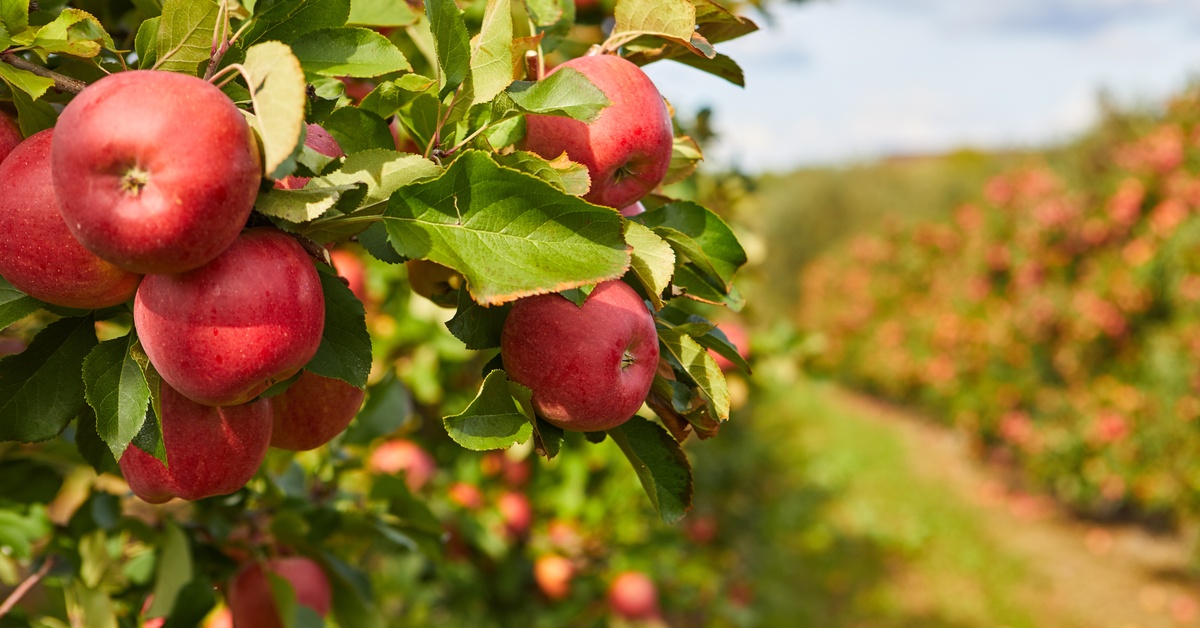
Fruit trees aren’t reserved just for orchards—many fit beautifully in home gardens and offer fresh, flavorful harvests. Apples, peaches, figs, and pears all shine in full sun, soaking up energy to produce juicy fruit. Even a dwarf apple or peach tree in a sunny corner gives you fruit for lunches or desserts.
In spaces with part sun, go for plums or mulberries. These trees don’t mind a bit of filtered light, especially in hot regions where full sun may push them too hard. Some fig varieties manage just fine with half a day’s sun, delivering sweet rewards with little fuss.

Bringing It All Together
A productive garden grows from your yard’s unique sun pattern. The movement of light across your space shapes each little microclimate. By putting berries, herbs, and veggies in the right place, you gain bigger harvests and happier plants.
Getting to know your yard and trying new combinations becomes part of the fun. Maybe your blueberry bush looks better in part shade, or you discover a shady spot perfect for a row of tender lettuces. Don’t hesitate to shift things around through the seasons. Every garden is a new canvas, and each year brings opportunities to get creative and grow something you’ll love. Step outside, map your sunlight, and imagine baskets of strawberries, snips of basil, and salads picked fresh from your own patch. Your home harvest awaits—so grab a beautiful plant from our online plant nursery and let the delicious adventure begin!

Leave a Reply