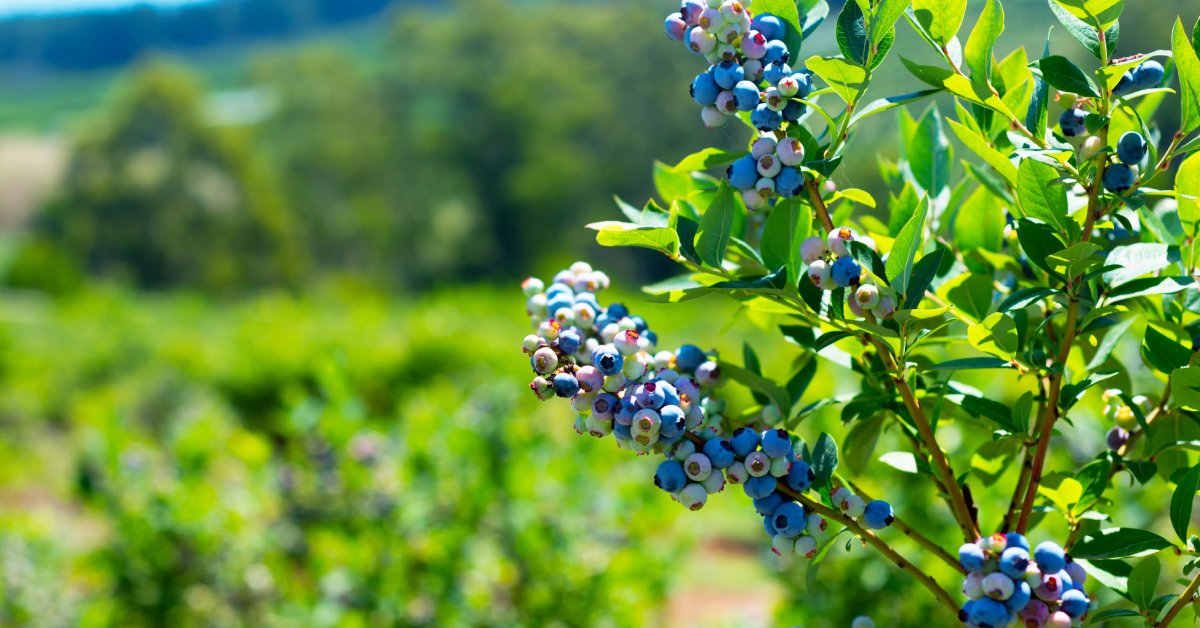
Imagine the sweet burst of flavor from a perfectly ripe strawberry or the satisfying tartness of a blueberry baked into a muffin or scone. These simple pleasures make growing your own berry patch one of the most rewarding gardening adventures you can embark on.
Whether you have a sprawling backyard or only a small space, berry patches can adapt to your situation. Container growing opens up possibilities for apartment dwellers and renters alike, while traditional garden beds allow for larger harvests. Follow our guide to learn how to start a berry patch in your backyard.
Choose the Right Location and Soil for Your Berry Patch
Success with growing berries starts with selecting the ideal location in your yard. Most berry varieties crave full sun, which means at least six to eight hours of direct sunlight daily. The abundant sunshine helps develop the sugars that make berries taste so incredible.
Air Circulation and Drainage
Good air circulation prevents many common berry diseases, so avoid planting your berries in low-lying areas where cool, moist air tends to settle. Gentle slopes work wonderfully, providing natural drainage while maintaining airflow around your plants. If your yard is relatively flat, you can create slight mounds or raised beds to achieve similar benefits.
Soil Quality
Soil quality makes or breaks berry success. Most berries prefer slightly acidic soil with a pH between 5.5 and 6.8. You can test your soil pH using an inexpensive kit from any garden center or by sending a sample to your local extension office for detailed analysis.
Well-draining soil is absolutely crucial. Berries hate having their roots sitting in waterlogged conditions, which quickly leads to root rot and plant death. Rich, organic matter improves drainage and water retention, creating a perfect balance for berry plants.
Work generous amounts of compost, aged manure, or leaf mold into your planting area several weeks before setting out plants. This organic matter feeds beneficial soil organisms that help your berries access nutrients more effectively.
Select Your Berry Varieties
The wonderful world of berries offers something for every garden and taste preference. Understanding the characteristics of different types helps you make informed choices that will thrive in your specific conditions and provide the flavors you love most.
Strawberries
June-bearing strawberry varieties produce one large crop per season, typically in late spring or early summer. These are perfect for making jams and preserves since you get lots of berries at once. Everbearing and day-neutral varieties produce smaller amounts continuously throughout the growing season, ideal for families who want steady harvests.
Blueberries
Lowbush varieties stay compact and work well in containers or small spaces. Highbush blueberries grow larger and produce bigger berries, while rabbiteye varieties thrive in warmer climates. Some blueberries need cross-pollination from different varieties to produce well, so plan on planting at least two different cultivars, depending on your chosen variety.

Raspberries
Raspberries come in summer-bearing and fall-bearing (everbearing) types. Summer-bearing varieties produce one large crop on two-year-old canes, while fall-bearing types produce on first-year canes in autumn and again the following summer on the same canes. Red raspberries are most common, but purple, black, and even golden varieties add excitement to your berry patch.
Blackberries
Choosing blackberries is one of the best ways to start a berry patch in your backyard due to their beautiful appearance and delicious taste. Like raspberries, they fruit on two-year-old canes. Erect varieties require less support, while trailing types need sturdy trellises.
Elderberries
These small, dark-purple berries grow in clusters on elderberry bushes. Elderberry plants prefer well-drained, loamy soil and thrive in full sun, though they can tolerate partial shade. Elderberries are typically not eaten raw due to their toxicity, but they’re ideal for making syrups, jams, pies, and even wine. They’re also relatively low-maintenance, requiring pruning after the first year to encourage healthy growth and fruit production.
Plant Your Berry Bushes or Plants
Timing your planting correctly sets up your berry patch for success. Spring planting works well in most climates, giving plants a full growing season to establish before winter. Fall planting can be successful in milder climates where the ground doesn’t freeze hard, allowing roots to develop during cool, moist weather.
Seeking Quality Plants and Prepping Your Soil for Planting
Purchase plants from reputable nurseries that guarantee healthy, disease-free stock. At Ty Ty Nursery, you can find berry bushes of many varieties, including blueberries, blackberries, elderberries, raspberries, and more.
Dig planting holes twice as wide as the root system but no deeper than the original soil line on the plant. This prevents the crown from sitting too low, which can lead to rot problems. Space your plants according to their mature size requirements.
For example, raspberry and blackberry rows should be six to eight feet apart with plants spaced two to three feet within rows. Water thoroughly after planting, and apply organic mulch around each plant. The mulch conserves moisture, suppresses weeds, and gradually breaks down to improve soil structure.
Get Ready for the Harvest
Fresh berries straight from the bush are the ultimate reward for your gardening efforts, and preserving the harvest lets you enjoy these flavors year-round. The key to successful preservation is handling berries properly from the moment they’re picked.
Use fresh berries within a day or two of harvest for the best quality. Store them in the refrigerator in shallow containers, and avoid washing until just before use since excess moisture encourages spoilage. Remove damaged or overripe berries that could affect the others.
Freezing is perhaps the simplest preservation method and works well for most berry types. Freeze berries individually on baking sheets before transferring them to freezer bags or containers. This prevents them from clumping together and allows you to remove just the amount needed for recipes.

Growing Your Berry Dreams Into Reality
Starting a backyard berry patch is about more than just growing food; it’s about creating lasting memories, connecting with nature, and enjoying the incomparable satisfaction of harvesting your own fresh fruit.
Remember that gardening is a journey of continuous learning. Each season brings new challenges and discoveries. Don’t be discouraged by initial setbacks or less-than-perfect results. Even experienced gardeners face weather challenges, pest problems, and occasional plant failures.
Start small if you’re feeling overwhelmed. A few strawberry plants or a single blueberry bush can provide valuable learning experiences while building your confidence. Success with these initial plantings naturally leads to expansion as your skills and enthusiasm grow.

Leave a Reply