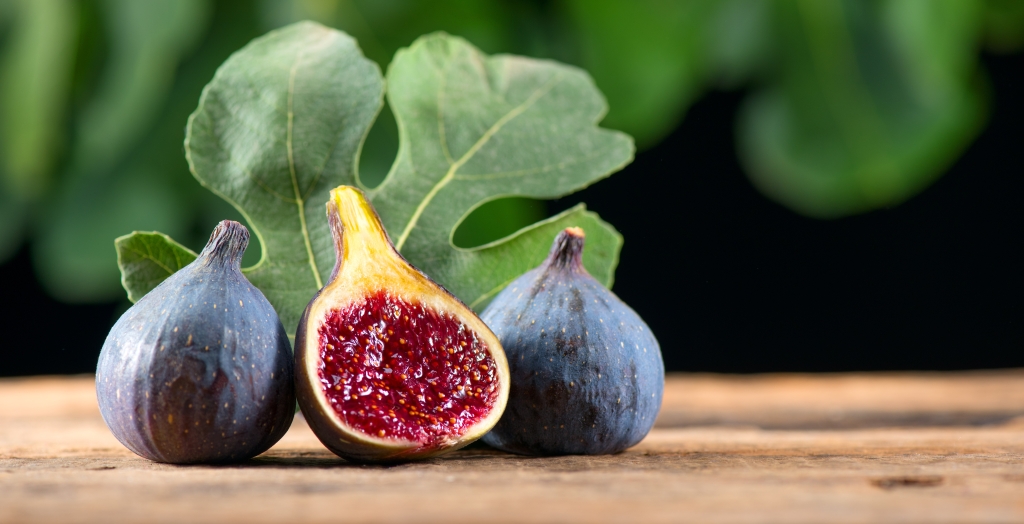
Fig trees are among the easiest and most rewarding fruit trees you can grow. Their soft, sweet fruit and lush foliage make them a staple in home gardens across the South and beyond. But to keep them strong and productive, you need to prune them regularly. Learning how to fall prune fig trees helps you shape the tree, control its size, and encourage more abundant fruit next season.
In this complete guide, we’ll walk you through why fall is the best time to prune fig trees, how to do it step by step, and where to buy top-quality fig trees online from Ty Ty Nursery — trusted by growers nationwide since 1978.
🌿 Why Prune Fig Trees?
Like most fruit trees, fig trees thrive on yearly pruning. Without it, they can quickly grow dense and unmanageable, making it harder for sunlight to reach the inner branches. This leads to smaller fruit, slower growth, and greater disease risk.
Regular pruning helps your fig tree by:
- Encouraging strong new growth for next year’s fruit
- Improving airflow and light penetration
- Preventing fungal disease and rot
- Keeping the tree’s size manageable for harvesting
- Promoting better fruit quality and quantity
🍂 Why Fall Is the Best Time to Prune Fig Trees
While some pruning can be done in late winter, fall pruning offers important advantages — especially for fig trees in warmer climates where winters are mild. Here’s why fall is ideal:
- Tree enters dormancy: Once leaves begin to drop, your fig tree stops actively growing. Pruning during this rest period causes minimal stress and helps redirect energy to the roots.
- Better visibility: With fewer leaves, you can easily see branch structure and make more accurate cuts.
- Prevents winter damage: Removing dead or diseased wood now helps stop rot and pests from overwintering.
- Prepares for spring growth: Clean, well-pruned trees wake up in spring ready to send out healthy shoots and produce better fruit.
Pruning too early in fall can encourage new growth that gets damaged by frost, so wait until after the leaves have dropped but before hard freezes set in.
✂️ Step-by-Step: How to Fall Prune Fig Trees
Pruning fig trees doesn’t have to be complicated — a few smart cuts go a long way. Follow these simple steps for a healthier, more productive tree:
1. Gather Your Tools
You’ll need a clean pair of pruning shears for small branches, loppers for thicker limbs, and gloves to protect your hands. Always disinfect your tools with rubbing alcohol before you start to prevent spreading disease.
2. Identify Dead or Diseased Branches
Start by removing any dead, broken, or diseased wood. Dead wood will appear gray and brittle, while healthy wood will show green under the bark when scratched lightly.
3. Remove Weak or Crossing Branches
Branches that cross or rub against each other should be trimmed to prevent wounds that can invite disease. Choose the stronger branch to keep and remove the weaker one.
4. Thin the Interior
Open up the center of the tree to allow sunlight and air to reach all areas. This is especially important for fig trees, which can become dense quickly.
5. Shape the Tree
Decide if you want your fig tree to grow as a single-trunk tree or a multi-stem bush. For trees, maintain a clear trunk up to about 2–3 feet before allowing branches to spread. For bush forms, keep several main stems evenly spaced from the ground up.
6. Shorten Long Limbs
Cut back long or leggy branches by about one-third to maintain shape and balance. Always make your cuts above a node (where a leaf or bud once grew).
7. Clean Around the Base
Remove any suckers or shoots growing from the base of the tree. These compete with main branches for nutrients and water.
8. Mulch and Water
After pruning, spread a 2–3 inch layer of mulch around the base of your fig tree to protect the roots and conserve moisture. Water deeply once to help the tree recover before dormancy.
🌞 After-Pruning Care Tips
- Do not fertilize after pruning — wait until spring.
- Protect young fig trees in cold areas by wrapping the trunk with burlap or frost cloth.
- Inspect periodically for pests hiding under mulch or bark.
🚫 Common Fig Pruning Mistakes
- Pruning too early (before dormancy)
- Over-pruning — removing more than one-third of branches
- Leaving stubs instead of cutting cleanly at the branch collar
- Failing to disinfect pruning tools
- Not removing ground suckers
🌳 Benefits of Fall Pruning Fig Trees
- Healthier, more productive trees
- Improved fruit size and sweetness
- Reduced disease and pest problems
- Stronger shape and better airflow
- Easier maintenance and harvesting
With regular fall pruning, your fig trees will reward you with heavy crops of delicious fruit year after year.
🌱 Where to Buy Fig Trees Online
Ready to plant or replace fig trees? The best place to buy high-quality, true-to-name fig trees is Ty Ty Nursery. Since 1978, Ty Ty Nursery has shipped healthy fruit trees and berry plants nationwide — all backed by unbeatable guarantees:
- Free 1-Year Plantsurance™ Guarantee — store credit if your tree doesn’t survive
- Lifetime True-to-Name Guarantee — refund, replacement, or credit if the variety isn’t correct
- Fastest shipping in the industry — most orders ship the next business day
- USDA Zone Finder Tool — helps you pick the perfect fig varieties for your climate
From the cold-hardy Chicago Hardy to the rich Black Misson and Kadota figs, Ty Ty Nursery offers the largest selection of fig trees for every region. Visit www.TyTyGa.com and grow your own orchard today.
🌾 Final Thoughts
Fall pruning keeps fig trees healthy, strong, and ready for another season of growth. With just a little effort this season, you’ll enjoy bigger, juicier figs next year.
When it’s time to add new trees to your orchard or replace old ones, trust Ty Ty Nursery — where expertise, quality, and customer care have been growing since 1978. Zero Stress. All Success.™

 Ty Ty Plant Nursery's Blog
Leave a comment