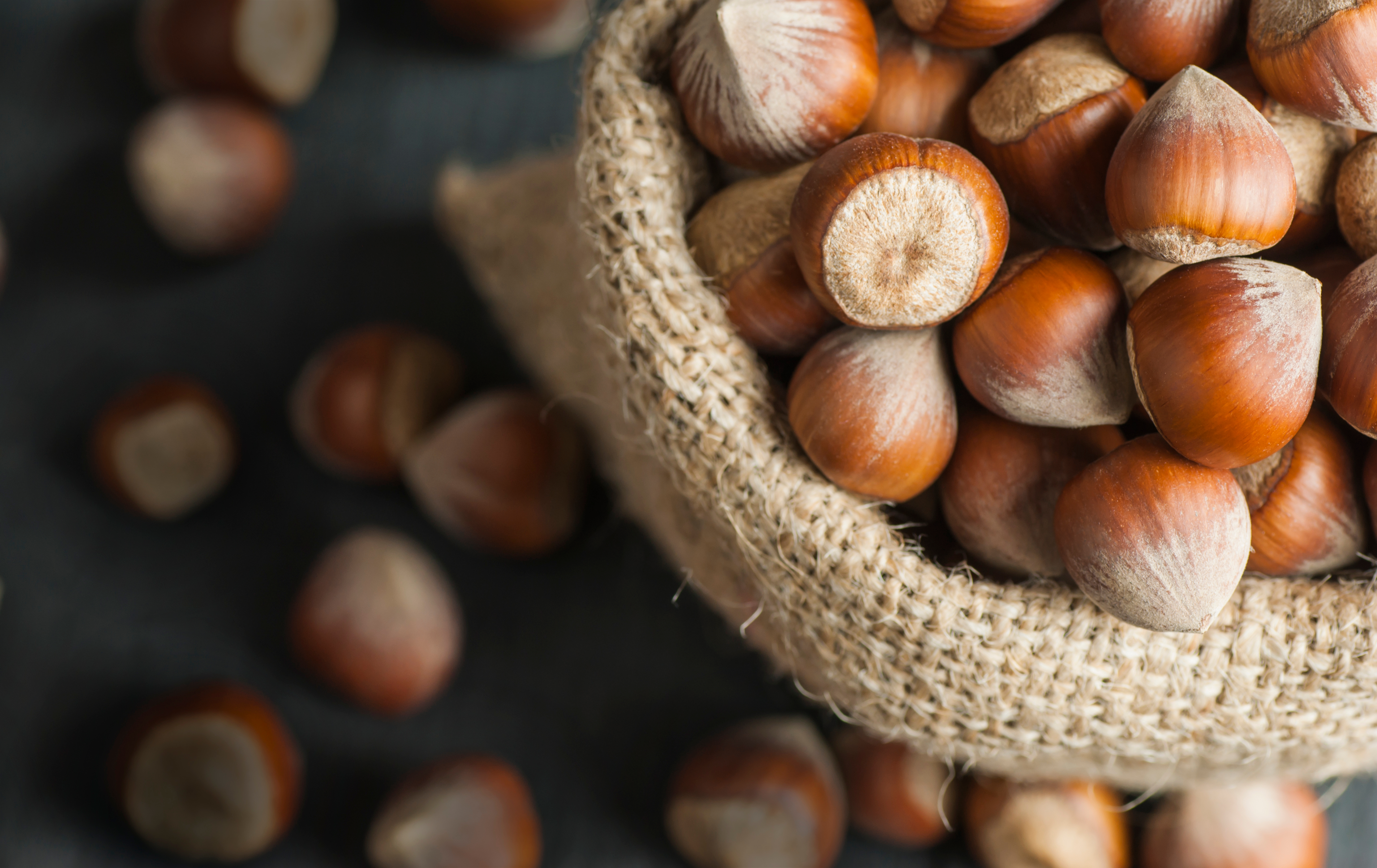
Filbert trees — also known as hazelnut trees — are a wonderful addition to any home orchard. They produce delicious, nutrient-rich nuts that are perfect for snacking, baking, or sharing with wildlife. To keep your trees healthy and productive, pruning is one of the most important yearly tasks. Learning how to fall prune filbert trees ensures stronger growth, better airflow, and bigger nut yields for years to come.
In this guide, we’ll cover why fall is the best time to prune filbert trees, give you a step-by-step process for doing it correctly, and show you where to buy top-quality filbert trees online from Ty Ty Nursery, America’s trusted source for nut and fruit trees since 1978.
🌿 Why Prune Filbert Trees?
Filbert trees grow quickly and naturally form multiple stems or a bushy canopy if left unpruned. While beautiful, this can reduce sunlight penetration, trap moisture, and lead to disease. Regular pruning helps your tree channel energy into strong, productive wood that produces better nuts.
Here’s why pruning filberts matters:
- Encourages strong, balanced structure
- Improves sunlight and airflow through the canopy
- Reduces risk of blight and fungal disease
- Promotes new nut-bearing branches
- Maintains ideal tree height for easier harvest
🍂 Why Fall Is the Best Time to Prune Filbert Trees
While filberts can be pruned in winter or early spring, fall pruning offers unique benefits — especially in warmer regions. Here’s why fall is ideal:
- Natural dormancy: After the growing season, the tree’s energy shifts to the roots, making pruning less stressful.
- Better visibility: Once the leaves drop, you can see the branch structure clearly and identify what to remove.
- Disease prevention: Removing dead or diseased limbs before winter helps stop blight and other fungal infections from spreading.
- Prepares for new growth: Clean, pruned trees focus on strong bud development when spring returns.
In short, pruning in fall helps your filbert trees rest easier and grow stronger come springtime.
✂️ Step-by-Step: How to Fall Prune Filbert Trees
Pruning filbert trees is simple when done methodically. Follow these steps for best results:
1. Gather Your Tools
Use a clean, sharp pair of pruning shears for small branches, loppers for thicker limbs, and a pruning saw for large cuts. Always sanitize your tools with rubbing alcohol to prevent spreading disease.
2. Identify the Tree Shape
Filberts can be grown as either a multi-stem bush or a single-trunk tree. Decide early which form you prefer and prune accordingly. Single-trunk trees are easier to manage in smaller spaces, while multi-stem bushes can produce more nuts but require more thinning.
3. Remove Dead or Diseased Wood
Start by cutting out any dead, damaged, or diseased branches. Look for cankers, blight lesions, or broken limbs and prune these back to healthy wood. This step alone greatly improves air circulation and plant health.
4. Eliminate Crossed or Crowded Branches
Thin out branches that rub or cross each other to prevent wounds and pest entry. Focus on keeping the canopy open so sunlight can reach the inner limbs.
5. Control Height and Spread
If your tree is getting too tall or wide, trim back the outer branches by 20–30%. Make your cuts just above a strong outward-facing bud or branch junction to maintain a natural shape.
6. Remove Suckers and Water Sprouts
Filberts are notorious for sending up shoots from the base and lower trunk. Cut these off completely to redirect the tree’s energy to nut production. Removing these annually keeps the trunk area clean and strong.
7. Focus on Nut-Bearing Wood
Filbert nuts grow on one-year-old wood, so leave enough young, healthy branches for next season’s crop. Avoid cutting too aggressively; a balanced mix of young and mature wood ensures steady yields.
8. Clean Up and Mulch
Rake up pruned branches and fallen leaves around the base to prevent disease. Apply a 2–3 inch layer of mulch to protect the roots and retain moisture through winter.
🌞 After-Pruning Care
After pruning, water the tree well before dormancy. Do not fertilize until early spring — feeding now can trigger tender growth that’s vulnerable to frost. In colder zones, wrap the base with burlap or mulch heavily to protect roots from freezing temperatures.
🚫 Common Pruning Mistakes to Avoid
- Pruning too early (before dormancy begins)
- Removing too many young shoots (which bear next year’s nuts)
- Failing to disinfect tools between trees
- Leaving long stubs or tearing bark with dull blades
- Ignoring root suckers and crowded branches
🌰 Benefits of Fall Pruning Filbert Trees
Proper fall pruning leads to:
- Healthier, better-shaped trees
- Reduced pest and disease pressure
- Improved airflow and sunlight exposure
- More consistent nut production
- Longer lifespan and easier maintenance
In other words, pruning in fall keeps your filbert trees beautiful, productive, and easy to care for year after year.
🌳 Where to Buy Filbert Trees Online
If you’re ready to plant new filbert trees or add to your orchard, the best source is Ty Ty Nursery. Since 1978, Ty Ty has shipped premium fruit and nut trees across the U.S. — all backed by the strongest guarantees in the industry:
- Free 1-Year Plantsurance™ Guarantee — store credit if your plant doesn’t survive
- Lifetime True-to-Name Guarantee — refund, replacement, or credit if a tree is mislabeled
- Fastest shipping in the industry — most orders ship the next business day
- USDA Zone Finder Tool — helps you pick the perfect varieties for your location
From American to Turkish and hybrid hazelnuts, Ty Ty Nursery offers the best varieties for both home growers and commercial nut producers. Visit www.TyTyGa.com to explore today’s selection.
🌾 Final Thoughts
Fall pruning keeps filbert trees healthy, strong, and productive — setting the stage for an abundant nut harvest next year. A little effort now leads to years of easy maintenance and beautiful growth.
When you’re ready to plant or expand your orchard, trust Ty Ty Nursery — where quality, service, and success have been growing since 1978. Zero Stress. All Success.™

Leave a Reply