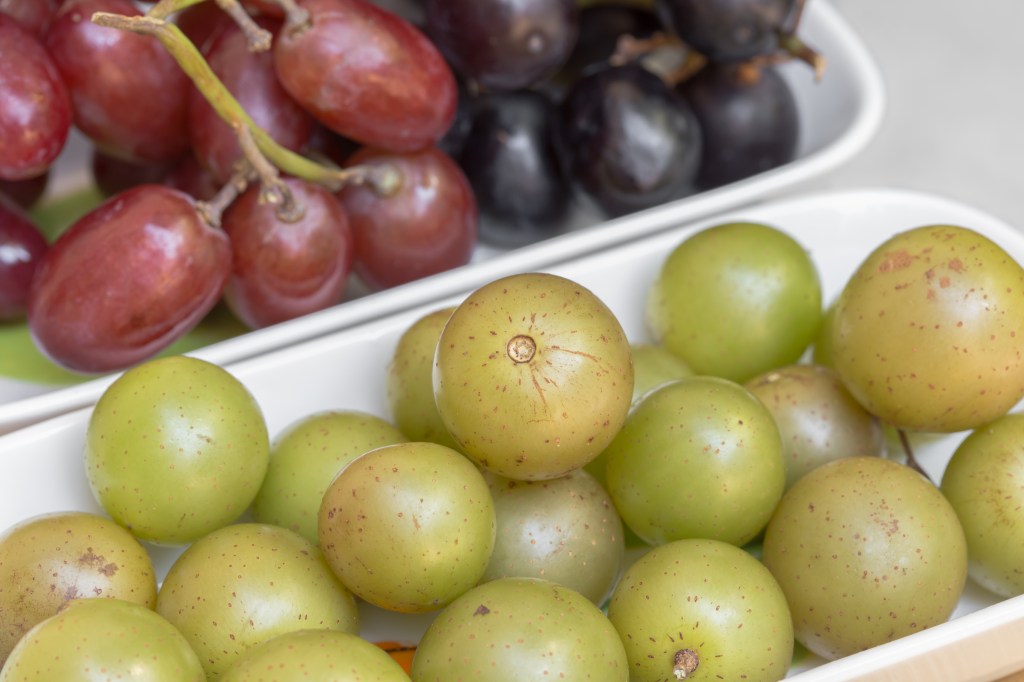
Scuppernong grapes are a southern classic — prized for their sweet flavor, thick skins, and rich golden color. Whether you grow them on an arbor, trellis, or backyard fence, these native grape vines thrive with a little annual care. Learning how to fall prune scuppernong grape vines is the key to keeping them vigorous, productive, and manageable season after season.
In this step-by-step guide, we’ll explain why fall is the best time to prune scuppernong vines, how to do it properly, and where to buy high-quality vines online from Ty Ty Nursery — America’s trusted nursery since 1978.
🌿 Why Prune Scuppernong Grape Vines?
Scuppernong grapes, a type of muscadine grape, produce fruit on new shoots that emerge from one-year-old wood. Without regular pruning, the vine becomes overgrown, tangled, and less productive. Old wood produces fewer grapes, and airflow is reduced, making the plant more susceptible to pests and disease.
Regular pruning helps:
- Encourage new, fruit-bearing growth
- Improve sunlight and air circulation
- Prevent fungal diseases and insect damage
- Maintain the vine’s size and shape
- Increase fruit yield and quality
🍂 Why Fall Is the Best Time to Prune Scuppernong Vines
While scuppernongs can be pruned in late winter, fall pruning offers unique benefits — especially in mild climates where the growing season extends into autumn. Here’s why fall is ideal:
- Vines are going dormant: Once leaves begin to yellow and drop, growth slows, making pruning less stressful on the plant.
- Easier visibility: With fewer leaves, it’s easier to see the vine’s structure and identify the canes that need trimming.
- Disease control: Removing dead or damaged canes in fall helps prevent disease spores from overwintering.
- Healthier spring start: Fall pruning lets vines rest and recover before sending out new shoots next year.
By pruning after harvest season but before hard frost, you’ll prepare your scuppernongs for their best spring growth and fruiting season yet.
✂️ Step-by-Step: How to Fall Prune Scuppernong Grape Vines
Scuppernong vines can look intimidating, but once you understand their structure, pruning becomes simple. Follow these steps for a healthier, more productive vine:
1. Gather the Right Tools
You’ll need sharp pruning shears, a pair of loppers for thicker branches, gloves, and rubbing alcohol or a bleach solution to disinfect your tools between vines.
2. Identify the Structure
Scuppernong vines are typically trained on a two-wire trellis system with a main trunk that runs upward to the wire and divides into two permanent arms called cordons. Along these cordons grow short shoots known as spurs, which produce fruit.
3. Remove Dead or Diseased Wood
Start by cutting away any dead, weak, or diseased canes. These can harbor insects or rot that could spread to healthy growth.
4. Shorten Fruiting Spurs
Trim each fruiting spur back to about 3–4 buds (roughly 3–5 inches long). Each of these buds will produce new shoots and fruit clusters next year. This is the most important step in pruning scuppernongs!
5. Remove Excess Growth
Cut off any long, trailing shoots that extend far beyond the trellis or cordons. This keeps the vine neat and focused on producing fruit rather than excess foliage.
6. Thin Overcrowded Spurs
If multiple spurs are too close together, remove the weaker ones. Ideal spacing is about 6 inches between each spur for optimal light and air circulation.
7. Clean the Base of the Vine
Remove suckers and shoots emerging from the ground or lower trunk. These sap energy away from the productive upper wood.
8. Inspect the Trellis
After pruning, make sure your trellis wires are tight and secure. Reattach any loose cordons using plant ties or soft twine.
🌞 After-Pruning Care
- Water the vine deeply if soil is dry heading into dormancy.
- Do not fertilize until early spring — fertilizing now can cause tender new growth before frost.
- Add mulch around the base to insulate roots and retain moisture through winter.
🚫 Common Scuppernong Pruning Mistakes
- Pruning too early before the plant is fully dormant
- Cutting back all canes (you need 1-year-old wood for fruit!)
- Leaving too many long spurs — short is better
- Failing to disinfect tools between plants
- Ignoring deadwood and overgrown shoots
🍇 Benefits of Fall Pruning Scuppernong Vines
Proper fall pruning gives you:
- Higher fruit yields and larger clusters
- Stronger vine structure and easier maintenance
- Fewer pests and diseases
- Better airflow and sunlight exposure
- A longer-lived, more productive vine
With consistent pruning each year, your scuppernongs will remain vigorous and fruitful for decades.
🌳 Where to Buy Scuppernong Grape Vines Online
If you’re ready to plant or expand your vineyard, the best place to buy scuppernong vines is Ty Ty Nursery. Since 1978, Ty Ty has shipped premium fruiting plants nationwide — backed by unbeatable guarantees and customer care.
- Free 1-Year Plantsurance™ Guarantee — store credit if your plant doesn’t survive
- Lifetime True-to-Name Guarantee — refund, replacement, or credit if the variety is incorrect
- Fastest shipping in the industry — most orders ship the next business day
- USDA Zone Finder Tool — recommends the best grape varieties for your location
From Carlos, Dixie and Fry Scuppernongs, Ty Ty Nursery carries the largest selection of grape vines online — all shipped fresh, healthy, and ready to plant.
🌾 Final Thoughts
Fall pruning is the foundation for strong, productive scuppernong vines. By removing old, unproductive wood and shaping your vine properly, you’ll enjoy healthier growth, better airflow, and a heavier harvest next year.
When you’re ready to grow or replace grape vines, trust Ty Ty Nursery — where quality, value, and expertise have been growing strong since 1978. Zero Stress. All Success.™

 Ty Ty Plant Nursery's Blog
Leave a comment