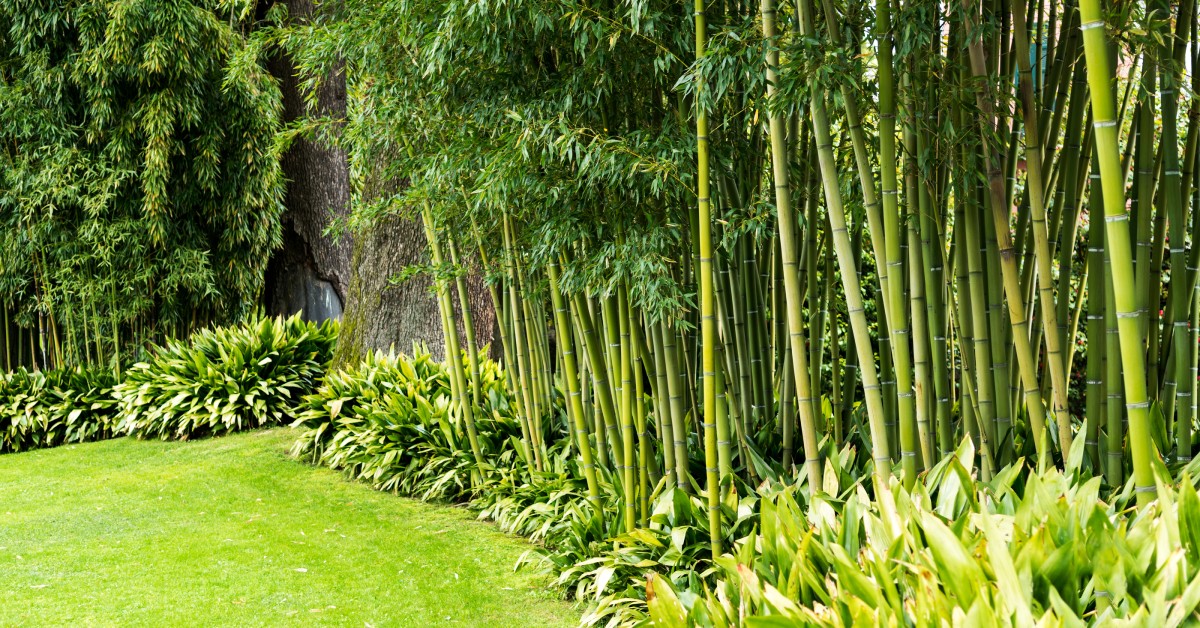
Bamboo is a fantastic addition to almost any landscape. It adds a touch of the tropics, creates natural privacy screens, and grows with impressive speed. Before you head to the nursery, it’s crucial to understand the two main categories of this amazing plant.
This knowledge will help you decide which is right for your garden—running or clumping bamboo? Let’s explore the world of bamboo so you can make the perfect choice for your outdoor space.
What is Bamboo, Anyway?
Bamboo isn’t a tree, although its woody stalks, called culms, might fool you. It’s actually a type of grass, and a very fast-growing one at that. All bamboo plants spread through underground stems called rhizomes. The way these rhizomes grow is what separates the two major types of bamboo.
Think of rhizomes as the plant’s underground highway system. For some bamboo, this highway has no speed limits and expands in every direction. For others, the highway is more like a quiet neighborhood, with short, limited roads. This fundamental growth habit is what defines running and clumping varieties.
The World of Running Bamboo
Running bamboo has a reputation, and frankly, it has earned it. The rhizomes of running bamboo are long and independent. They spread horizontally, far and wide, with the goal of sending up new culms at a distance from the parent plant. This growth pattern is aggressive and is why runners can quickly take over a garden, a lawn, and even a neighbor’s yard if not properly contained.
These types of bamboo are called leptomorphs. Their rhizomes are programmed for exploration. A single plant can send out runners that travel many feet in a single season before new shoots appear. Without a plan, a small, polite bamboo plant can become an unruly thicket that is very difficult to remove.
Why Choose a Runner?
With such an aggressive nature, you might wonder why anyone would choose a running bamboo. There are a few very good reasons. Runners are excellent for creating a dense privacy screen or a windbreak in a short amount of time. Their fast-spreading nature means you can fill a large area with a lush, green wall much quicker than with other plants.
Some species of running bamboo are also incredibly cold-hardy, which makes them suitable for climates where tropical plants usually fail. Plus, certain runners have beautiful culms with unique colors or patterns not found in their clumping cousins. For example, Black Bamboo (Phyllostachys nigra) offers stunning, jet-black stalks that create a dramatic visual.

The Art of Containment
If you fall in love with a running bamboo variety, you must commit to containment. This is an absolute requirement for responsible bamboo ownership. The most effective method is to install a root barrier. This is a thick, heavy-duty plastic shield buried deep into the ground around the desired growth area.
The barrier should be at least 24 to 30 inches deep and should stick out a couple of inches above the soil line. This height prevents rhizomes from hopping over the top. You’ll also need to check the perimeter each year for any escapees. A runner that gets loose can become a serious problem for your property and the surrounding area.
The Ease of Clumping Bamboo
Now, let’s talk about the more predictable member of the family: clumping bamboo. Clumping varieties have a different type of rhizome system, known as a pachymorph system. These rhizomes are short, thick, and U-shaped. They don’t travel far from the main plant. Instead, they turn upward to produce a new culm very close to the parent culm.
This growth habit creates a dense, circular cluster of canes that slowly expands outward from the center. A clumping bamboo’s footprint grows gradually, maybe a few inches to a foot each year, not several feet like a runner. The plant stays in a neat, manageable clump that won’t show up unexpectedly on the other side of your yard.
The Benefits of a Clumper
For most home gardeners, selecting from the high-quality clumping bamboo for sale is the ideal choice. It provides the beauty and function of bamboo without the aggressive takeover tendencies. You can plant it near a patio, along a fence line, or as a standalone specimen without the constant worry of it spreading out of control. It’s a “plant it and forget it” type of deal, at least in terms of spread.
Clumping bamboos come in a wide range of sizes, from small dwarf varieties that stay just a few feet tall to giant timber types that can reach for the sky. This variety means you can find a clumping bamboo for almost any garden design. For instance, ‘Alphonse Karr’ (Bambusa multiplex) is an excellent choice with beautiful green and gold stripes on its culms.
A Note on Space
Even though clumpers are well-behaved, you still need to give them room to grow. A small plant from the nursery will mature into a much larger clump over time. A clumping bamboo with a mature diameter of 10 feet needs to be at least five feet away from any structures, fences, or property lines. You should plan for its final size to avoid issues down the road.

Making Your Decision
So, when you’re comparing running and clumping bamboo, which is right for your garden? The choice really comes down to your space, your goals, and your willingness to perform maintenance. Do you have a large area you want to fill quickly? Are you prepared to install and monitor a root barrier? If so, a running bamboo could be a great fit. You could have a dense grove in just a few years.
Do you prefer a low-maintenance plant that stays where you put it? Is your garden a typical suburban yard where space is minimal? In that case, a clumping bamboo is almost certainly the better option. It gives you all the aesthetic appeal of bamboo without the high-stakes risk of an invasion.
Ultimately, both types of bamboo have their place. The key is to be an informed gardener. Understand the growth habit of the specific species you are considering before you put it in the ground. Now that you have the facts, you are ready to select the perfect bamboo for your green space.

Leave a Reply