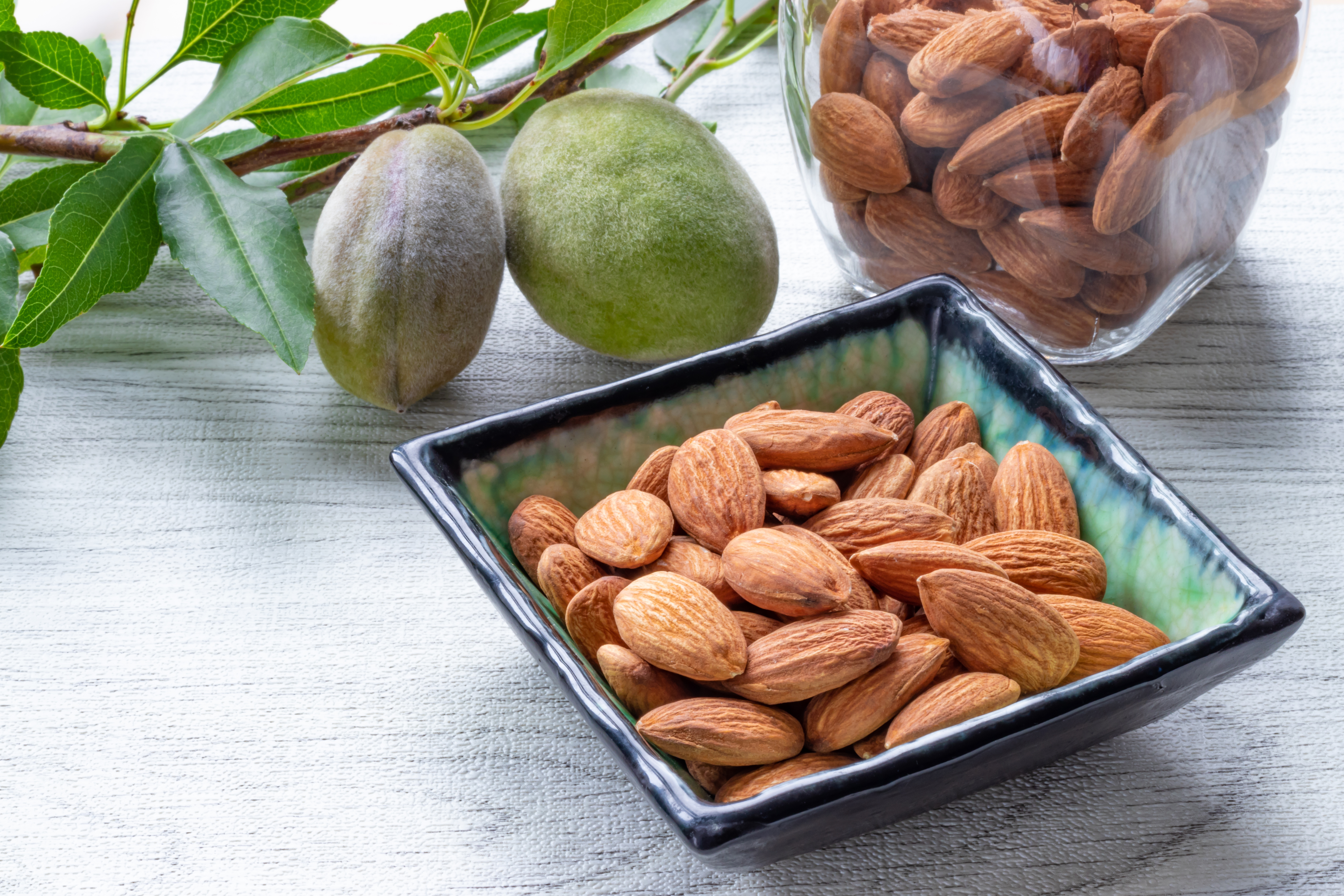
As winter begins to wind down, almond trees are quietly transitioning from dormancy into one of the most important stages of their yearly growth cycle. What happens during the final weeks of winter can have a direct impact on bloom quality, pollination success, and overall nut production in the coming season. Even if much of the dormant period has already passed, there are still several effective steps growers can take now to set almond trees up for spring success.
Almond trees are among the earliest fruit and nut trees to bloom, which makes late-winter care especially important. Proper pruning, soil management, moisture control, and protection from temperature swings all play critical roles in determining how well trees perform once spring arrives.
Why Late-Winter Care Is Critical for Almond Trees
Almond trees break dormancy earlier than many other fruit and nut trees. According to research from the University of California Division of Agriculture and Natural Resources, almond buds begin to swell well before leaf emergence, making them particularly sensitive to late winter stress.
Late-winter preparation helps:
- Support uniform bud break
- Improve bloom density
- Reduce disease pressure
- Enhance pollination timing
- Strengthen early shoot growth
Ignoring this window can lead to uneven flowering, weak growth, or increased susceptibility to pests and disease.
Inspect Almond Trees for Winter Damage
Before making adjustments, thoroughly inspect your almond trees. Winter storms, fluctuating temperatures, and wildlife can cause damage that may not be immediately obvious.
Look for cracked limbs, broken branches, bark splitting, or signs of rodent damage near the trunk. The Penn State Extension recommends identifying winter injury early so corrective pruning can be done before spring growth begins.
Mark damaged branches for removal and monitor trunk injuries closely. Avoid applying wound sealants, as most extension services no longer recommend them.
Finish Dormant Pruning Before Bud Break
Late winter remains one of the best times to prune almond trees. Pruning while trees are dormant reduces stress and allows growers to shape the canopy for optimal light and airflow.
According to the University of Georgia Extension, dormant pruning encourages vigorous new growth and reduces disease pressure by improving air circulation.
Focus on removing dead, damaged, or crossing branches. Thin overly dense areas, but avoid heavy pruning on young trees, as this can delay nut production.
Manage Soil Moisture Before Spring Rains
Soil conditions in late winter directly influence root health in spring. Almond trees prefer well-drained soil, and excess moisture around roots can lead to stress or disease.
The University of Missouri Extension emphasizes the importance of proper drainage for tree health before spring rainfall increases.
If soil is compacted, gently loosening the surface can improve drainage without disturbing roots. Avoid fertilizing at this stage, as trees are not actively absorbing nutrients yet.
Refresh Mulch Without Burying the Trunk
Mulch helps regulate soil temperature and moisture as winter transitions to spring. Late winter is an ideal time to refresh mulch if it has thinned or shifted.
Apply mulch in a wide ring around the tree, keeping it several inches away from the trunk. According to the USDA Forest Service, mulch piled against the trunk can trap moisture and increase the risk of disease.
A fresh mulch layer also suppresses early weeds that compete for nutrients.
Watch for Late-Winter Temperature Swings
Almond trees are especially vulnerable to fluctuating temperatures in late winter. Warm spells can trigger early bud swelling, followed by cold snaps that damage developing flowers.
The University of Wisconsin Extension notes that maintaining stable soil moisture and avoiding premature fertilization helps reduce early bud stimulation.
Leaving mulch in place and avoiding aggressive late pruning can help slow premature growth.
Check Tree Guards and Wildlife Protection
Late winter is often when wildlife damage peaks. Rabbits, deer, and rodents may feed on bark and buds as food sources become scarce.
The University of Illinois Extension recommends keeping tree guards and fencing in place until spring growth is well underway.
Removing protection too early can expose trees at their most vulnerable stage.
Delay Fertilization Until Growth Begins
Applying fertilizer too early can encourage growth before the risk of frost has passed. Most extension services advise waiting until visible bud break or early leaf emergence.
According to Penn State Extension, fertilizing at the correct time ensures nutrients are used efficiently and reduces stress.
Prepare for Pollination and Bloom Timing
Late winter is also the time to plan for pollination. Almond trees rely heavily on cross-pollination, and bloom timing must align between compatible varieties.
Planning now allows you to address spacing or variety concerns before flowering begins.
Why Spring Success Starts Before Spring Arrives
Healthy almond harvests begin long before blossoms appear. Trees that exit winter strong and unstressed are more likely to produce uniform blooms, resist disease, and set quality nuts.
Taking a few thoughtful steps during late winter can significantly improve outcomes throughout the growing season.
Why So Many Growers Choose Ty Ty Nursery to Buy Almond Trees
- Large selection of almond trees for sale
- Best prices compared to many national competitors
- Fastest in-season shipping — plant in days the Ty Ty way
- Industry-leading guarantees included free
- Certified Google Quality Store View Google Reviews
- Nearly 50 years in business with over 10 million plants shipped
- Tens of thousands of 5-star reviews Read verified customer reviews
- Live plant experts located in Ty Ty, Georgia available by phone at 888-758-2252
- Convenience of shopping online and having trees delivered directly to your door
With the right late-winter preparation, almond trees can transition smoothly into spring and deliver strong, healthy growth throughout the season.

Leave a Reply