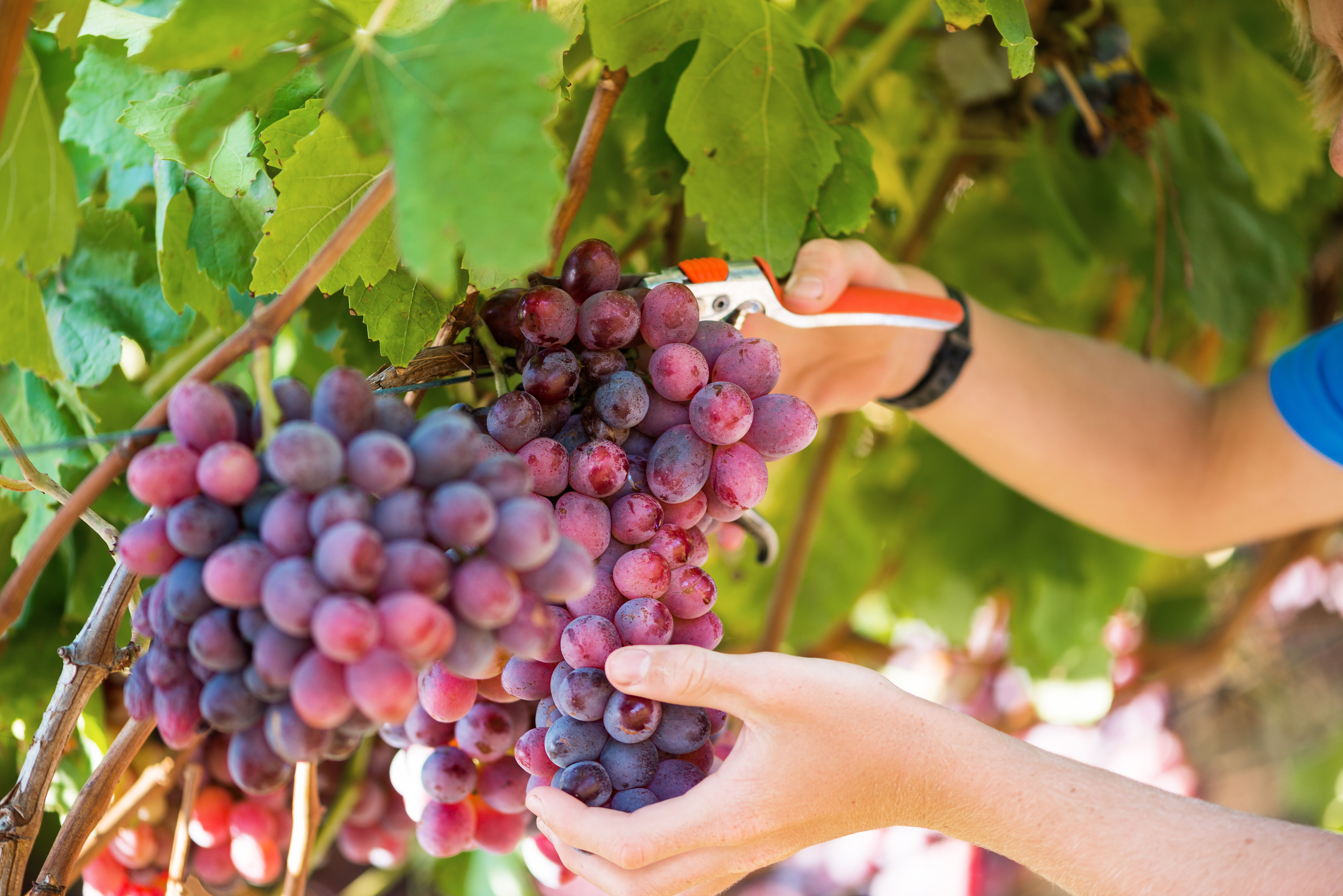
There are two kinds of grape people in this world. The first kind buys grapes at the grocery store and calls it a day. The second kind sees a bare fence, an empty arbor, or a sunny back corner of the yard and thinks, “That spot would look incredible with a grapevine climbing it.” If you are reading this, you are probably the second kind, and honestly, welcome to the club. Bunch grape vines are one of the most satisfying backyard fruit plants you can grow because they are beautiful, productive, and they turn “just a yard” into something that feels like a mini vineyard.
But here is the part that trips people up. Bunch grapes are not the same as muscadines, scuppernongs, or tropical vines. Most classic bunch grapes need a real winter dormancy cycle, and they have a specific climate comfort zone where they produce the best fruit. That is why the single most important question is not “How do I plant grapes?” The best question is “When is the right time to plant bunch grape vines in my USDA zone, and are bunch grapes even an appropriate choice for where I live?”
This guide will walk you through USDA Zones 3 through 11 using USDA zone temperature ranges (based on average annual extreme minimum temperatures). We will explain the best time to plant and buy bunch grape vines in each zone, and we will be honest when bunch grapes are not an appropriate in-ground choice. If you are in a zone that is too cold or too hot, you may still be able to grow bunch grapes in large pots inside a greenhouse or protected structure, but you should treat it as a controlled-environment project, not a simple “stick it in the ground and forget it” situation.
All grape variety recommendations in this article come only from Ty Ty Nursery’s Bunch Grape Vines page. These are the bunch grape vines featured there, with their listed USDA zones, chill hours, and pollination notes: Black Fredonia, Concord, Niagara, and Red Catawba.
If you want to browse those bunch grape vines directly, here is the main page that this guide is based on: Bunch Grape Vines for Sale Online.

USDA Zone Temperature Ranges (Zones 3–11)
- USDA Zone 3: -40°F to -30°F
- USDA Zone 4: -30°F to -20°F
- USDA Zone 5: -20°F to -10°F
- USDA Zone 6: -10°F to 0°F
- USDA Zone 7: 0°F to 10°F
- USDA Zone 8: 10°F to 20°F
- USDA Zone 9: 20°F to 30°F
- USDA Zone 10: 30°F to 40°F
- USDA Zone 11: 40°F to 50°F
What Are “Bunch Grapes” and Why Zone Fit Matters
When people say “bunch grapes,” they are usually talking about grapes that grow in clusters (bunches) like the classic Concord grape, Niagara grape, and many table and juice grapes. These grapes typically thrive in cooler and moderate climates compared to muscadines, which are better suited to hot, humid southern conditions. That difference matters because bunch grapes generally rely on a real dormancy period and adequate chill hours to break bud properly, bloom evenly, and set fruit.
That is why USDA zone fit matters so much. If your climate is too cold, vines can experience winter damage. If your climate is too warm, vines may not receive enough winter chill, and the plants can struggle to fruit consistently. It is not just about whether a vine stays alive. It is about whether it becomes the productive, reliable grapevine you imagined when you pictured those clusters hanging in late summer.
Chill Hours and Pollination for Bunch Grape Vines
Chill hours are the number of hours a plant experiences in cool temperatures during winter dormancy. Many fruiting plants, including bunch grapes, need a certain amount of winter chill to signal spring growth, flowering, and fruiting. If you do not meet the chill requirement, you can get uneven bud break, delayed growth, and unreliable yields.
The good news is that the bunch grape vines on Ty Ty Nursery’s bunch grape page are listed as self-pollinating. That means you do not need a second variety to produce grapes. However, planting multiple vines can increase yield and helps you create a longer harvest season. It also makes your vineyard look fuller faster, which is not a scientific benefit, but it is absolutely a happiness benefit.
Here are the chill hours listed on the Ty Ty Nursery product pages for these bunch grapes:
- Black Fredonia Bunch Grape Vine: approximately 600–800 chill hours, self-pollinating, USDA Zones 5–7
- Niagara Bunch Grape Vine: approximately 800–1,000 chill hours, self-pollinating, USDA Zones 5–7
- Concord Bunch Grape Vine: approximately 1,000–1,200 chill hours, self-pollinating, USDA Zones 5–7
- Red Catawba Bunch Grape Vine: approximately 1,000–1,200 chill hours, self-pollinating, USDA Zones 5–7
Now let us get into what you really came for: when to plant, when to buy, and what works in each USDA zone.
USDA Zone 3: When to Plant Bunch Grape Vines
Zone 3 is extremely cold, with average annual extreme minimum temperatures between -40°F and -30°F. In most Zone 3 locations, the bunch grape vines listed on Ty Ty Nursery’s bunch grape page are not an appropriate in-ground choice because these varieties are rated for USDA Zones 5–7. If you plant Zone 5–7 bunch grapes in Zone 3 ground, winter damage and long-term survival issues are likely.
If you live in Zone 3 and you want grapes badly, do not panic, but do shift the plan. Your best option is container growing with a protected overwintering setup. That can mean a greenhouse, a sunroom, a protected garage with light, or another space where you can keep the vine from experiencing the worst winter lows. In a container strategy, you grow the vine outdoors in spring and summer and move it indoors before extreme cold arrives.
When would you plant in Zone 3 if you are growing in containers? Plant outdoors when your risk of hard freeze is mostly gone and soil temperatures are rising. For many Zone 3 gardeners, that means late May through early June. You can still order early because cold-zone growers often plant later and nurseries can sell out of popular stock before your window arrives. Pre-ordering in late winter or early spring helps ensure availability when you are finally ready to plant.
USDA Zone 4: When to Plant Bunch Grape Vines
Zone 4 has average annual extreme minimum temperatures between -30°F and -20°F. Just like Zone 3, Zone 4 is typically too cold for bunch grape vines rated for Zones 5–7 when planted in-ground. That means the bunch grape vines on the Ty Ty Nursery bunch grape page are generally not an appropriate in-ground choice for Zone 4.
However, Zone 4 gardeners can still experiment with container growing in a protected environment, especially if you have a greenhouse or an overwintering space that stays above the most damaging extremes. If you go this route, plant outdoors in late April through May when soil is workable and the plant can grow without constant frost setbacks.
Buying timing still matters. A lot of gardeners in colder zones end up planting in May because that is when soil finally cooperates. If you wait until May to buy, you may find limited availability. If you want the best selection, pre-order earlier in spring.
USDA Zone 5: When to Plant Bunch Grape Vines
Zone 5 is where bunch grapes start making real sense for in-ground planting with the varieties on Ty Ty Nursery’s bunch grape page. Zone 5 temperatures range from -20°F to -10°F for the average annual extreme minimum, and that lines up with the zone ratings of these vines. This is a great zone for backyard vineyards because winters are cold enough to satisfy chill hours, and summers are warm enough to ripen fruit properly.
The best time to plant bunch grape vines in Zone 5 is early spring, typically March through April, as soon as the ground is workable and not frozen. If your soil stays frozen late, planting in late April through May is completely normal. The goal is to plant while the vine is still dormant or just waking up so it can establish roots before the summer push.
This is also where the pre-order advice matters. In colder zones like Zone 5, many growers do not plant until May. That late planting window often lines up with the busiest season for nurseries. If you want to ensure you get the varieties you want, pre-ordering earlier in spring is smart.
Recommended bunch grape vines for Zone 5 from Ty Ty Nursery include:
- Black Fredonia Bunch Grape Vine, USDA Zones 5–7, approximately 600–800 chill hours, self-pollinating
- Niagara Bunch Grape Vine, USDA Zones 5–7, approximately 800–1,000 chill hours, self-pollinating
- Concord Bunch Grape Vine, USDA Zones 5–7, approximately 1,000–1,200 chill hours, self-pollinating
- Red Catawba Bunch Grape Vine, USDA Zones 5–7, approximately 1,000–1,200 chill hours, self-pollinating
How do you choose? If your winters are reliably cold, Concord and Red Catawba fit well with their higher chill requirement range. If you are in a milder Zone 5 pocket or you want flexibility, Black Fredonia has a lower listed chill range than Concord, which can be helpful in variable winters. Niagara sits nicely in the middle and is a classic white bunch grape for juice and fresh eating.
USDA Zone 6: When to Plant Bunch Grape Vines
Zone 6 is one of the most comfortable zones for growing bunch grapes because it balances winter chill and a long enough growing season to ripen grapes well. Zone 6 extremes range from -10°F to 0°F, and these vines are rated right in that zone range.
The best time to plant bunch grape vines in Zone 6 is early spring, typically late February through April depending on local conditions. If your soil warms earlier, you can plant earlier. If your spring stays wet and cold, do not rush. Grapes want good drainage and they establish best when the soil is workable, not saturated.
Zone 6 is also a great zone for building a small backyard vineyard because you can plant early enough to get strong root establishment before summer. You can also consider adding multiple vines to extend harvest and increase yield. Even though these are self-pollinating, more vines often means more grapes, and that is not a complicated math problem.
Recommended bunch grape vines for Zone 6 are the same core list:
- Black Fredonia, Zones 5–7, 600–800 chill hours, self-pollinating
- Niagara, Zones 5–7, 800–1,000 chill hours, self-pollinating
- Concord, Zones 5–7, 1,000–1,200 chill hours, self-pollinating
- Red Catawba, Zones 5–7, 1,000–1,200 chill hours, self-pollinating
If you want a simple, classic pairing for a backyard vineyard in Zone 6, Concord plus Niagara gives you a classic purple and white lineup. If you want something with a different flavor profile and a late-season feel, Red Catawba is a great addition. If you want a vine that is known for early to mid-season ripening, Black Fredonia can help stagger your harvest window.
USDA Zone 7: When to Plant Bunch Grape Vines
Zone 7 ranges from 0°F to 10°F for the average annual extreme minimum temperature. This is the warm edge of the zone range for the bunch grapes listed on Ty Ty Nursery’s bunch grape page, and it can still work well if you plant correctly, choose good sun exposure, and manage the vines properly.
The best time to plant in Zone 7 is late winter to early spring, typically February through March, depending on your local frost pattern. The main goal in Zone 7 is to plant early enough that the vine establishes before the intense heat of summer arrives. Late planting is one of the biggest reasons vines struggle in warm zones, because a newly planted vine has shallow roots and can get stressed quickly when temperatures rise.
Zone 7 growers should also pay attention to chill hours. These vines have moderate to high chill requirements, and Zone 7 usually provides enough chill, but some years can be mild. If your winters are trending warm, Black Fredonia, with its lower chill-hour range, may feel easier to satisfy than Concord and Red Catawba. That does not mean Concord cannot work. It means you should match variety selection to your local winter patterns and microclimate.
Recommended bunch grape vines for Zone 7 include:
- Black Fredonia, Zones 5–7, 600–800 chill hours, self-pollinating
- Niagara, Zones 5–7, 800–1,000 chill hours, self-pollinating
- Concord, Zones 5–7, 1,000–1,200 chill hours, self-pollinating
- Red Catawba, Zones 5–7, 1,000–1,200 chill hours, self-pollinating
If you are in Zone 7 and you want a “set it up and enjoy it” backyard grape experience, planting earlier in spring, mulching well, and maintaining consistent watering the first season will do more for your success than almost anything else.
USDA Zone 8: When to Plant Bunch Grape Vines
Zone 8 ranges from 10°F to 20°F. Here is the honest answer. The bunch grape vines listed on Ty Ty Nursery’s bunch grape page are rated for USDA Zones 5–7. That means Zone 8 is outside the recommended zone range for these specific bunch grape varieties. If you are in Zone 8 and you plant these vines in-ground, it may live, but it may not meet chill hours consistently, and fruit production can be unreliable. For most Zone 8 growers, this makes these bunch grape varieties not an appropriate choice for dependable in-ground success.
Could you still grow them? Possibly, but it becomes a microclimate and management project. Some Zone 8 growers in cooler pockets, higher elevations, or areas with stronger winter chill may get better results than those in warm coastal or lowland areas. If you are determined, consider container growing so you can control soil conditions and potentially move vines to a slightly cooler or more protected winter environment if needed.
Planting time for Zone 8 container growing is usually late winter to early spring, often January through March, to establish roots before heat. But the bigger message for Zone 8 is that bunch grapes from this list are not the simplest match for your climate, and you may be better served choosing grape types specifically adapted to hotter regions.
USDA Zone 9: When to Plant Bunch Grape Vines
Zone 9 ranges from 20°F to 30°F. In Zone 9, bunch grape vines rated for Zones 5–7 are generally not an appropriate in-ground choice for reliable fruit production. The main reason is chill hours. These vines have moderate to high chill requirements, and Zone 9 winters are often too mild to consistently meet them. Without enough chill, the vines can break dormancy unevenly and produce inconsistent crops.
If you are in Zone 9 and you still want bunch grapes as a project, container growing in a controlled environment is your best path. A greenhouse or a setup where the vine can experience a cooler dormancy period may help. In very warm climates, you may even need to think in terms of creating dormancy conditions instead of protecting from cold.
Planting time for Zone 9 containers is usually December through February, during the coolest part of your year. But again, Zone 9 gardeners should treat these bunch grape varieties as a specialized grow, not a guaranteed backyard vineyard plant.
USDA Zone 10: When to Plant Bunch Grape Vines
Zone 10 ranges from 30°F to 40°F, which is far outside the recommended zone range for bunch grapes listed on Ty Ty Nursery’s bunch grape page. If you live in Zone 10, these bunch grape varieties are not an appropriate in-ground choice for reliable fruit production because chill hours are usually insufficient. You might keep a vine alive with enough water and care, but keeping a vine alive is not the same as harvesting full, consistent bunches of grapes year after year.
If you are determined, container growing is again the only realistic way to attempt bunch grapes from this list, and even then, you will be fighting your climate. In most Zone 10 locations, growers often switch grape types to those that naturally tolerate heat and humidity better, or they treat bunch grapes as a controlled greenhouse experiment.
If you do try container growing, plant during the coolest window of your year, usually December through January, and keep the vine protected from extreme heat during the growing season.
USDA Zone 11: When to Plant Bunch Grape Vines
Zone 11 ranges from 40°F to 50°F and is essentially tropical or near-tropical. Bunch grape vines rated for Zones 5–7 are not an appropriate choice for Zone 11 planting in-ground. In Zone 11, chill hours are typically far too low for the dormancy cycle these vines need, and continuous warmth can disrupt normal fruiting cycles.
Could you grow bunch grapes in Zone 11? In most cases, not in the way you want. It becomes a controlled-environment situation where you would need to artificially provide a dormancy period and carefully manage temperatures. For most gardeners, it is not worth the effort compared to choosing fruiting plants that thrive naturally in tropical conditions.
How to Plant a Bareroot Bunch Grape Vine
Most bunch grape vines are shipped bareroot during the dormant season. Bareroot planting is one of the best ways to establish grapes because the plant is dormant and ready to push roots once planted. The planting steps are simple, but the details matter because grapes are long-term plants. A well-planted grapevine can produce for years, and a poorly planted vine can struggle for years. So it is worth doing it right the first time.
Step 1: Choose a sunny site with good airflow
Grapes love full sun. Aim for at least 6 to 8 hours of direct sunlight. Airflow matters because it helps leaves dry after dew or rain, which reduces disease pressure. Avoid planting grapes in low spots where cold air settles and moisture stays trapped.
Step 2: Plan your trellis before you plant
One of the biggest beginner mistakes is planting grapes first and then trying to figure out a trellis later. Grapes grow fast. If you do not give them a support plan, they will create their own plan, and it usually involves tangling themselves into a shrub, a fence, or your patience.
Here are trellis ideas that work well for backyard vineyards and small plantings:
- Single wire trellis: a simple system with one main wire about 5 to 6 feet high, great for training a single trunk and cordon arms
- Two-wire trellis: one wire lower and one wire higher to support growth and improve canopy management
- Arbor or pergola: beautiful for patios and walkways, and it creates shade while producing grapes
- Fence trellis: using a sturdy fence line as support can work, but vines still need training and pruning for airflow and fruiting
- T-post and wire vineyard row: a classic backyard row system that scales well if you want multiple vines
Spacing matters too. The Ty Ty Nursery bunch grape variety pages commonly recommend spacing vines about 6 to 8 feet apart along a trellis. That spacing helps airflow, reduces disease pressure, and gives each vine enough room to produce without becoming a crowded mess.
Step 3: Dig the planting hole
Dig a hole wide enough to spread the roots naturally. Do not cram roots into a narrow hole. A good rule is to dig at least twice as wide as the root spread. The depth should allow you to set the vine at the proper level so the root system sits comfortably and the crown is positioned correctly.
Step 4: Use Soil Moist Transplant Mix
To help reduce water needs and boost survival due to less shock, use Soil Moist Transplant Mix. Per your instructions, bury the transplant mix at the bottom of the hole when planting. This helps keep moisture more consistent in the root zone, which is extremely helpful during the first season when roots are establishing.
Step 5: Fertilize safely with Nutra-Pro 1st Year Fertilizer Packs only
Only fertilize with Nutra-Pro 1st year fertilizer packs during the first year. Other granular fertilizers can burn and kill new roots, especially on freshly planted bareroot vines. To use Nutra-Pro, simply put the fertilizer pack at the bottom of the hole when planting. That gives steady nutrition without the harsh burn risk that comes from stronger granular products.
Step 6: Plant the vine, backfill, and water in
Set the vine so roots are spread naturally. Backfill with native soil, gently firming to remove air pockets. Water thoroughly after planting to settle soil around roots. Apply mulch to conserve moisture and suppress weeds, but keep mulch a few inches away from the trunk to reduce rot risk.
Watering Recommendation for the First Growing Season
Watering makes or breaks first-year grape establishment. Mature vines can be fairly drought tolerant, but new vines need consistent moisture while roots expand. Here is a simple schedule that works in most climates:
- First couple months: water daily or every other day depending on rainfall, temperature, and soil type
- Once established: water when producing fruit or as needed, especially during dry spells
- During fruiting: consistent moisture helps berry size and reduces shrivel and stress
The goal is steady moisture without waterlogging. Grapes do not like standing water around roots. Moist soil is good. Soggy soil is a problem.
Ongoing Maintenance and Pruning for Bunch Grape Vines
If you want grapes, you prune grapes. That is the rule. Grapevines are naturally vigorous and will happily grow a jungle of leaves if you let them. The problem is that a leafy jungle does not automatically equal fruit. Pruning is how you direct the vine’s energy into productive fruiting wood and keep the canopy open enough for sunlight and airflow.
Here is the basic idea that keeps pruning less intimidating. A grapevine is trained into a structure, usually a single trunk with arms (cordons) that run along a wire. Each winter while the vine is dormant, you prune back last year’s growth so the vine produces new fruiting shoots in the next season. The details can vary by training style, but the principle is consistent: grapes fruit on new growth that comes from properly managed older wood.
Simple ongoing maintenance tips:
- Train a main trunk early and tie it to your trellis so the vine grows straight and strong
- Remove weak or crowded shoots to improve airflow and sunlight penetration
- Prune annually during dormancy to maintain structure and encourage productive growth
- Keep weeds down at the base because competition slows establishment, especially in year one
- Mulch helps conserve moisture and reduces weed pressure
If you are new to grape pruning, do not get stuck trying to memorize every pruning system in the world. Choose one trellis style, train the vine, and prune consistently each year. Grapes are forgiving if you stay consistent. They are less forgiving if you skip pruning for three years and then try to “fix it” in one afternoon.
Protecting Young Vines with Max Growth Vineyard Shelters
It is good to grow young bunch grape vines with Max Growth Vineyard Shelters to protect the plants. Young vines can be damaged by wind, wildlife browsing, harsh weather swings, and accidental yard equipment. A shelter protects early growth and helps prevent setbacks that slow establishment.
Where to Buy Bunch Grape Vines Online
If you are searching terms like bunch grape vines for sale, buy grape vines online, Concord grape vines, Niagara grape vines, or backyard vineyard grape vines, you want a source that ships fast, matches varieties to real zones, and provides support when you have questions. The best place to buy them is Ty Ty Nursery.
Start here to browse the bunch grape vines used in this article: Buy Bunch Grape Vines Online.
- Prices up to 68% lower than other nurseries
- Fastest in season shipping (plant in days the ty ty way and not have to wait weeks or months with the other guys)
- Free one year plantsurance guarantee other companies charge for this
- Lifetime true to name guarantee, no other nursery offers this
- No need to move heavy pots in out of cars ships right to your door
- Been in business since 1978
- Google top quality store View Google Store Profile
- Excellent trustpilot rating by verified customers Read Trustpilot Reviews
- A rating with the BBB View BBB Profile
- Live human plant experts in ty ty, ga we do not outsource customer service overseas or use ai like the other companies
Here is the simplest summary. If you are in USDA Zones 5 through 7, these bunch grape vines are an excellent in-ground choice, and your best planting window is early spring while vines are dormant and soil is workable. If you are in Zones 3 through 4, Zone 8, or farther south in Zones 9 through 11, bunch grapes from this list are generally not an appropriate in-ground choice for reliable results. In those climates, container growing in a greenhouse or protected environment is the realistic option, but it requires extra management. If you match the vine to your zone, plant at the right time, water consistently in the first season, and prune annually, you can build a backyard vineyard that produces for years.

Leave a Reply