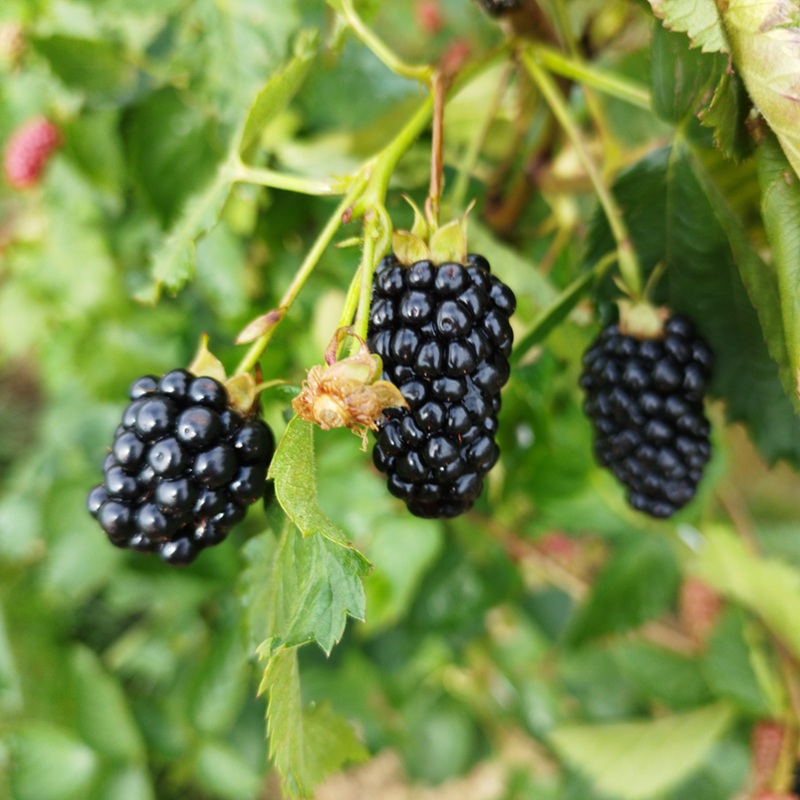
If you have ever tasted a sun-warmed blackberry straight off the cane, you already know why people get a little obsessed with growing them. Blackberries are one of those plants that feel generous. Give them sun, a decent spot to root, and a little ongoing pruning, and they repay you with bowls of fruit that taste like summer. But if you want your blackberry patch to take off fast, the timing of planting matters more than most people realize.
The right time to plant blackberries depends on your USDA Plant Hardiness Zone, which is based on the average annual extreme minimum winter temperature. That minimum temperature gives you a clue about how long your ground stays frozen, how quickly spring warms up, and how much winter chill your plants receive. In this guide, you will learn when to plant blackberry plants in USDA Zones 3 through 11, what temperature range each zone represents, the difference between trailing and erect blackberry varieties, and which blackberry varieties are appropriate for each zone using only the varieties listed on Ty Ty Nursery’s blackberry category page.
We will also cover what to do if blackberries are not an appropriate in-ground plant choice for your location. People in far northern or extreme southern climates may still be able to grow blackberries in pots inside a greenhouse or sunroom and move them indoors during extreme weather, either winter cold or summer heat, depending on where you live. That option can be a game-changer for gardeners who want blackberries but do not have the “perfect” zone for them.

USDA Zone Temperature Ranges (Zones 3–11)
- USDA Zone 3: -40°F to -30°F
- USDA Zone 4: -30°F to -20°F
- USDA Zone 5: -20°F to -10°F
- USDA Zone 6: -10°F to 0°F
- USDA Zone 7: 0°F to 10°F
- USDA Zone 8: 10°F to 20°F
- USDA Zone 9: 20°F to 30°F
- USDA Zone 10: 30°F to 40°F
- USDA Zone 11: 40°F to 50°F
The Difference Between Trailing and Erect Blackberry Varieties
Before we jump into zone-by-zone planting calendars, it helps to understand what type of blackberry you are buying, because growth habit affects how you plant, how you support the canes, and how you prune.
Trailing Blackberries
Trailing blackberries grow long, flexible canes that want to sprawl. These canes usually need a trellis, wire system, or fence to keep them off the ground and make harvesting easier. Trailing types are often trained horizontally along wires for good sunlight exposure and airflow. A well-managed trailing blackberry can be extremely productive, but it generally asks for more hands-on training than a bush-type plant.
From Ty Ty Nursery’s blackberry varieties, the Boysenberry is a classic example of a trailing blackberry vine. On its product page, it is described as a vigorous trailing vine, which is exactly what you should expect in the garden.
Erect Blackberries
Erect blackberries grow more like a bush, with sturdier upright canes. Many erect types still benefit from support, especially once loaded with fruit, but they are usually easier to manage than trailing vines. Erect blackberries are a great choice for smaller yards, straight rows, and gardeners who want a lower-maintenance fruiting plant.
From Ty Ty Nursery’s blackberry varieties, Arapaho and Navaho are well-known erect blackberry types. Their product descriptions emphasize upright growth and self-supporting habits. Snowbank is also described as an upright plant. Several other varieties on the Ty Ty list behave like bush-type blackberry plants and can be grown in traditional berry rows with spacing and pruning.
Pollination and Chill Hours for Blackberry Plants
Most blackberry plants are self-pollinating, meaning you do not need a second variety to get fruit. That said, planting multiple blackberry plants often increases yield, and mixing varieties can extend your harvest season. Chill hours are more relevant than many people think, especially in warmer zones. Chill hours are the amount of winter cold the plant experiences, which influences how well it breaks dormancy and sets fruit the following season. If you pick a blackberry that needs more chill than your winter provides, you can end up with weak bloom, delayed leaf-out, or inconsistent fruiting.
The good news is that the blackberry varieties on Ty Ty Nursery’s list include chill-hour guidance on the individual variety pages, and many of them fall into moderate chill ranges that work well across a wide stretch of the country.
USDA Zone 3: When to Plant Blackberry Plants
USDA Zone 3 has extreme winter cold and long frozen soil periods. In-ground blackberry planting in Zone 3 is usually not an appropriate choice with the blackberry varieties listed on the Ty Ty Nursery blackberry page, because those varieties begin at warmer zone ratings. In other words, if you live in Zone 3 and want reliable results, you should not plan an in-ground blackberry patch as your main strategy.
However, Zone 3 gardeners are creative, and blackberries can still be attempted in containers if you have a greenhouse, sunroom, or protected indoor overwintering space. In that case, you would grow blackberries in large pots, keep them outdoors during the growing season, and move them into a protected space when winter temperatures drop into dangerous territory.
If you are going to try container blackberries in Zone 3, the right time to plant is still tied to soil warmth and frost patterns. Plant outdoors in late spring, typically late May through early June, when nights stay above freezing and your plants will not get slammed by recurring frost. For buying timing, pre-ordering in late winter and early spring is still smart because many gardeners in colder regions plant later, often in May, and nursery availability can be limited by the time your planting window finally arrives.
USDA Zone 4: When to Plant Blackberry Plants
USDA Zone 4 is still very cold, but it is less extreme than Zone 3. Even so, the blackberry varieties listed on Ty Ty Nursery’s blackberry page begin at Zone 5 or warmer for most options, so for many Zone 4 locations, blackberries from this list are not an appropriate in-ground choice if you want consistent long-term survival.
Just like Zone 3, Zone 4 gardeners who want blackberries can consider container growing in a protected setup. A greenhouse, unheated high tunnel with extra winter protection, or a sunroom where pots can be moved during extreme cold can make blackberries possible. If you do this, plant outdoors in late April through May when soil is workable and the risk of deep freezes is fading. Buy early and pre-order if possible because your planting season often lines up with the late spring rush when nursery inventory moves fast.
USDA Zone 5: When to Plant Blackberry Plants
USDA Zone 5 is where blackberry growing starts to make a lot more sense for in-ground planting with the varieties on Ty Ty Nursery’s list. Zone 5 winters provide enough cold to satisfy chill requirements for many blackberries, and summers are usually warm enough to ripen fruit well.
The right time to plant blackberries in Zone 5 is early spring, typically March through April, once the ground is workable and no longer frozen. In many Zone 5 areas, the soil can still be stubborn in early spring, and planting too early can lead to slow establishment. You want “diggable” soil, not muddy, and not frozen. If your soil is still frozen into April, then planting in late April through May is perfectly normal.
For buying timing, Zone 5 gardeners should consider pre-ordering in late winter. This is one of the colder-zone realities: a lot of growers do not plant until May, but nurseries can sell out of popular varieties before then. Pre-ordering helps you lock in your blackberry plants for sale before the late spring rush.
Recommended blackberry varieties for Zone 5 from Ty Ty Nursery include the following bush-type options, with chill hours and pollination notes pulled from the variety pages:
- Black Satin Thornless Blackberry (Zones 5-9, 400-500 chill hours, self-pollinating, bush-type with upright canes)
- Navaho Thornless Blackberry (Zones 5-9, 800-900 chill hours, self-pollinating, erect growth)
- Triple Crown Thornless Blackberry (Zones 5-9, 300-500 chill hours, self-pollinating, benefits from support as canes grow)
- Brazos Blackberry (Zones 5-10, 300-500 chill hours, self-pollinating, heat-tolerant bush-type blackberry)
- Choctaw Blackberry (Zones 5-9, 300-500 chill hours, self-pollinating, bush-type blackberry)
- Comanche Blackberry (Zones 5-8, 300-500 chill hours, self-pollinating, vigorous bush-type blackberry)
- Shawnee Blackberry (Zones 5-9, 300-500 chill hours, self-pollinating, bush-type blackberry)
- Snowbank White Blackberry (Zones 5-9, 300-500 chill hours, self-pollinating, upright plant)
Zone 5 chill is typically adequate for most of these, but if you are in a warm microclimate and winters are trending mild, Navaho’s higher chill-hour range is something to consider. Black Satin, Triple Crown, Brazos, Choctaw, Shawnee, and Snowbank sit in moderate chill ranges that often feel easier to satisfy in variable winters.
USDA Zone 6: When to Plant Blackberry Plants
USDA Zone 6 is an excellent blackberry zone because it balances winter chill with strong summer heat for ripening. In Zone 6, the best planting window is usually early spring, late February through April, depending on your exact location. If you can plant while temperatures are mild and before summer heat kicks in, your blackberry roots establish faster and canes grow more vigorously in year one.
Buy and pre-order timing still matters, especially if you want thornless blackberry plants or specific varieties that sell quickly. In Zone 6 you can often plant earlier than Zones 3 through 5, but many buyers still wait until spring, so ordering early keeps your options open.
Recommended blackberry varieties for Zone 6 from Ty Ty Nursery include everything that works for Zone 5, plus Zone 6-9 varieties like Arapaho and Austin Mays:
- Arapaho Thornless Blackberry (Zones 6-9, 400-500 chill hours, self-pollinating, erect growth)
- Austin Mays Blackberry (Zones 6-9, 300-400 chill hours, self-pollinating, bush-type blackberry)
- All Zone 5 options listed above also work well in Zone 6
If you want a clean, easy-to-harvest row, Zone 6 is a great place to lean into thornless options like Arapaho, Navaho, Black Satin, and Triple Crown. If you want a unique conversation piece, Snowbank produces creamy white berries that stand out in a berry patch and still fits Zone 6.
USDA Zone 7: When to Plant Blackberry Plants
USDA Zone 7 is where blackberries feel almost effortless when planted on time. Winter chill is usually sufficient for a wide range of varieties, and the growing season is long enough to support heavy fruiting. The biggest mistake in Zone 7 is planting too late, because spring heats up fast and newly planted roots can struggle if the weather jumps straight into hot, dry conditions.
The best time to plant blackberry plants in Zone 7 is late winter to early spring, typically February through March. In warmer parts of Zone 7, you can sometimes plant in late January if soil is workable and not saturated. The goal is to plant while the weather is mild so roots establish before intense heat arrives.
Recommended blackberry varieties for Zone 7 include nearly the full selection, including trailing Boysenberry, which begins at Zone 7:
- Boysenberry Blackberry (Zones 7-10, 200-300 chill hours, self-pollinating, trailing vine that needs trellis support)
- Arapaho Thornless Blackberry (Zones 6-9, 400-500 chill hours, self-pollinating, erect)
- Navaho Thornless Blackberry (Zones 5-9, 800-900 chill hours, self-pollinating, erect)
- Triple Crown Thornless Blackberry (Zones 5-9, 300-500 chill hours, self-pollinating, benefits from support)
- Black Satin Thornless Blackberry (Zones 5-9, 400-500 chill hours, self-pollinating, upright canes)
- Brazos Blackberry (Zones 5-10, 300-500 chill hours, self-pollinating, heat tolerant)
- Choctaw Blackberry (Zones 5-9, 300-500 chill hours, self-pollinating)
- Comanche Blackberry (Zones 5-8, 300-500 chill hours, self-pollinating)
- Shawnee Blackberry (Zones 5-9, 300-500 chill hours, self-pollinating)
- Snowbank White Blackberry (Zones 5-9, 300-500 chill hours, self-pollinating, upright)
Pollination is simple in Zone 7 because these varieties are self-pollinating, but planting multiple bushes can increase yield and give you a longer harvest season. A fun strategy in Zone 7 is mixing an early ripener like Arapaho with a heavier mid to late season producer like Triple Crown, plus a trailing Boysenberry on a trellis if you want that classic vine experience.
USDA Zone 8: When to Plant Blackberry Plants
USDA Zone 8 is prime blackberry territory in many parts of the country, but the key in Zone 8 is managing heat and choosing varieties with chill requirements that match your winters. Zone 8 winters can still provide chill, but some years are mild, and that matters for varieties with higher chill requirements.
The best time to plant blackberries in Zone 8 is typically January through March, focusing on late winter and early spring planting before heat ramps up. In some Zone 8 areas, fall planting can also work, but most gardeners get the best results planting in late winter to early spring when the plants are dormant and ready to root in.
Recommended Zone 8 blackberry varieties from Ty Ty Nursery include:
- Arapaho Thornless Blackberry (Zones 6-9, 400-500 chill hours, self-pollinating, erect)
- Austin Mays Blackberry (Zones 6-9, 300-400 chill hours, self-pollinating)
- Triple Crown Thornless Blackberry (Zones 5-9, 300-500 chill hours, self-pollinating, benefits from support)
- Black Satin Thornless Blackberry (Zones 5-9, 400-500 chill hours, self-pollinating, upright canes)
- Brazos Blackberry (Zones 5-10, 300-500 chill hours, self-pollinating, strong in heat)
- Choctaw Blackberry (Zones 5-9, 300-500 chill hours, self-pollinating)
- Comanche Blackberry (Zones 5-8, 300-500 chill hours, self-pollinating)
- Shawnee Blackberry (Zones 5-9, 300-500 chill hours, self-pollinating)
- Snowbank White Blackberry (Zones 5-9, 300-500 chill hours, self-pollinating, upright)
Navaho can also grow in Zone 8, but its chill requirement is higher than many others on the list, so if your winters are mild or inconsistent, it may not be the easiest choice. If you want a blackberry that feels flexible for Zone 8 winters, Brazos, Austin Mays, Choctaw, Shawnee, and Triple Crown have moderate chill needs and are often more forgiving.
USDA Zone 9: When to Plant Blackberry Plants
USDA Zone 9 can grow excellent blackberries, but this is where chill hours become the star of the show. Zone 9 winters can be mild, and some blackberry varieties will perform better than others depending on how much chill your specific location accumulates.
The best time to plant blackberries in Zone 9 is typically December through February. The main idea is to plant in the coolest part of your year, so the roots establish before warm weather arrives. In Zone 9, planting too late in spring often means your plants spend their first season battling heat stress instead of building roots.
Recommended Zone 9 blackberry varieties from Ty Ty Nursery include:
- Boysenberry Blackberry (Zones 7-10, 200-300 chill hours, self-pollinating, trailing vine)
- Brazos Blackberry (Zones 5-10, 300-500 chill hours, self-pollinating, heat tolerant)
- Arapaho Thornless Blackberry (Zones 6-9, 400-500 chill hours, self-pollinating, erect)
- Austin Mays Blackberry (Zones 6-9, 300-400 chill hours, self-pollinating)
- Triple Crown Thornless Blackberry (Zones 5-9, 300-500 chill hours, self-pollinating, benefits from support)
- Black Satin Thornless Blackberry (Zones 5-9, 400-500 chill hours, self-pollinating, upright canes)
- Navaho Thornless Blackberry (Zones 5-9, 800-900 chill hours, self-pollinating, erect, higher chill requirement)
- Choctaw, Shawnee, Snowbank, and Comanche are also listed up to Zone 9 or Zone 8 depending on variety
If you want the simplest match for Zone 9, pay attention to chill hours. Boysenberry is listed at 200-300 chill hours, which often makes it feel more realistic in mild-winter areas. Brazos, Triple Crown, Choctaw, Shawnee, and Austin Mays sit in moderate ranges that can still work in many Zone 9 microclimates. Navaho, with 800-900 chill hours, is best reserved for cooler Zone 9 pockets or locations that still accumulate strong winter chill.
USDA Zone 10: When to Plant Blackberry Plants
USDA Zone 10 is warm enough that blackberries can still be grown, but they require smart planting time, consistent watering, and sometimes protection from extreme heat. In many Zone 10 locations, the summer sun is intense, and blackberry plants can suffer if their roots are not fully established early.
The best time to plant blackberries in Zone 10 is typically December through January, during the coolest window of your year. Planting in this window gives your blackberries a head start on root growth before the heat arrives.
From Ty Ty Nursery’s list, Zone 10 appropriate blackberry options include:
- Brazos Blackberry (Zones 5-10, 300-500 chill hours, self-pollinating, heat tolerant bush-type)
- Boysenberry Blackberry (Zones 7-10, 200-300 chill hours, self-pollinating, trailing vine that needs trellis support)
In Zone 10, many gardeners also succeed by growing blackberries in large containers so they can control soil moisture and move plants if needed. A patio container can be relocated for afternoon shade during brutal heat waves. If you grow in-ground, focus on deep mulching, consistent irrigation, and consider a location with morning sun and light afternoon shade, especially for young plants.
USDA Zone 11: When to Plant Blackberry Plants
USDA Zone 11 is extremely warm year-round, and blackberries are generally not an appropriate in-ground choice for most Zone 11 locations using the varieties listed on Ty Ty Nursery’s blackberry page. Zone 11 can struggle with chill accumulation, and the constant warmth can prevent normal dormancy and fruiting cycles.
That does not mean you can never grow blackberries in Zone 11, but it usually becomes a controlled-environment project rather than a simple backyard patch. If you are determined, your best option is container growing in a greenhouse or sunroom where you can manage temperatures and potentially create a cooler dormancy period. In the hottest tropical conditions, you may even need cooling strategies rather than winter protection.
If you are in Zone 11 and want reliable fruiting plants, blackberries from this list are typically not the best match, and you may be happier choosing fruits that naturally thrive in tropical conditions instead of forcing blackberries to behave like they are in a temperate climate.
How to Plant a Bareroot Blackberry Plant
Blackberries are often shipped as bareroot plants during the dormant season, which is a great way to establish strong roots quickly. The planting process is straightforward, but the small details matter because the first year determines how quickly your patch takes off.
Step 1: Choose the right planting site
Blackberry plants produce best in full sun. Aim for at least 6 to 8 hours of direct sun. Good drainage is important, because blackberry roots do not like standing water. If your soil stays soggy after rain, consider raised rows or planting on a slight slope.
Step 2: Dig the hole
Dig a hole wide enough to spread roots naturally and deep enough to set the crown at the proper level. A good rule is to dig at least twice as wide as the root spread. Do not cram roots into a tight hole, because you want them to expand outward and establish quickly.
Step 3: Use Soil Moist Transplant Mix
To help reduce water needs and boost survival due to less transplant shock, use Soil Moist Transplant Mix. Per your instructions, bury the transplant mix at the bottom of the hole when planting. This helps the root zone hold moisture more consistently, which is especially helpful in sandy soils and warm climates.
Step 4: Fertilize safely with Nutra-Pro 1st Year Fertilizer Packs only
Only fertilize with Nutra-Pro 1st year fertilizer packs during year one. Other granular fertilizers can burn and kill blackberry roots, especially on new bareroot plants. To use Nutra-Pro, simply put the fertilizer pack at the bottom of the hole when planting. This gives steady nutrition without the harsh burn risk.
Step 5: Plant at the correct depth and water in
Set the blackberry plant so the crown is level with the soil line, then backfill with native soil, gently firming to remove air pockets. Water thoroughly after planting. Then apply mulch around the plant to conserve moisture and reduce weed competition. Keep mulch a few inches away from the main cane base to reduce rot risk.
Watering Recommendation for the First Growing Season
Blackberries are tough once established, but the first couple of months after planting are when they need the most consistent moisture. A simple watering approach that works well in most climates looks like this:
- First couple of months: water daily or every other day depending on rainfall and soil type
- Once established: water when producing fruit or as needed, especially during dry spells
- During fruiting: consistent moisture improves berry size and reduces fruit shrivel
In hot zones, watering needs increase because soil dries faster. In cooler zones, the goal is steady moisture without waterlogging. Moist soil is good. Soggy soil is trouble.
Ongoing Blackberry Plant Maintenance and Pruning
If you want blackberries to produce year after year, pruning is not optional. The good news is blackberry pruning is not complicated once you understand the basic rhythm of the canes.
Blackberry plants generally grow canes that fruit, and then those canes need to be removed after they finish producing. New canes grow to replace them and fruit in a future season. If you let old canes pile up, your patch becomes crowded, airflow drops, and disease pressure rises. If you keep the patch tidy, the plants stay vigorous and easier to harvest.
- After harvest: remove old canes that have finished fruiting
- Thin crowded growth: keep strong, healthy canes spaced for airflow
- For trailing types like Boysenberry: train canes on a trellis and prune for manageable length
- For erect types: maintain rows and consider light support, especially when canes are loaded with fruit
Weed control also matters. Blackberries do not love competition, especially in year one. Mulch and consistent watering go a long way toward faster establishment.
Protecting Blackberry Plants with Max Growth Berry Shelters
It is good to grow blackberries with Max Growth Berry Shelters to protect the plants. Young berry plants can be damaged by wind, pests, wildlife browsing, and weather swings. A shelter helps protect early growth and can reduce setbacks that slow establishment.
Where to Buy Blackberry Plants Online
If you are searching phrases like blackberry plants for sale, buy blackberry plants online, thornless blackberry plants, or best blackberry varieties for my USDA zone, you want a source that ships fast during the season and has varieties that match real climates. The best place to buy them is Ty Ty Nursery. Start here:
Blackberry Plants for Sale Online at Ty Ty Nursery
- Prices up to 68% lower than other nurseries
- Fastest in season shipping (plant in days the ty ty way and not have to wait weeks or months with the other guys)
- Free one year plantsurance guarantee other companies charge for this
- Lifetime true to name guarantee, no other nursery offers this
- No need to move heavy pots in out of cars ships right to your door
- Been in business since 1978
- Google top quality store View Google Store Profile
- Excellent trustpilot rating by verified customers Read Trustpilot Reviews
- A rating with the BBB View BBB Profile
- Live human plant experts in ty ty, ga we do not outsource customer service overseas or use ai like the other companies
Blackberries are one of the most rewarding berry plants you can grow, but success comes from matching your planting time and variety choice to your USDA zone. If you are in Zones 5 through 9, you have excellent in-ground options. If you are in Zones 3 through 4 or Zone 11, it is better to treat blackberries as a container and controlled-environment plant rather than a simple backyard patch. Either way, if you plant at the right time and follow a consistent watering and pruning routine, you can build a blackberry patch that produces for years.

Leave a Reply