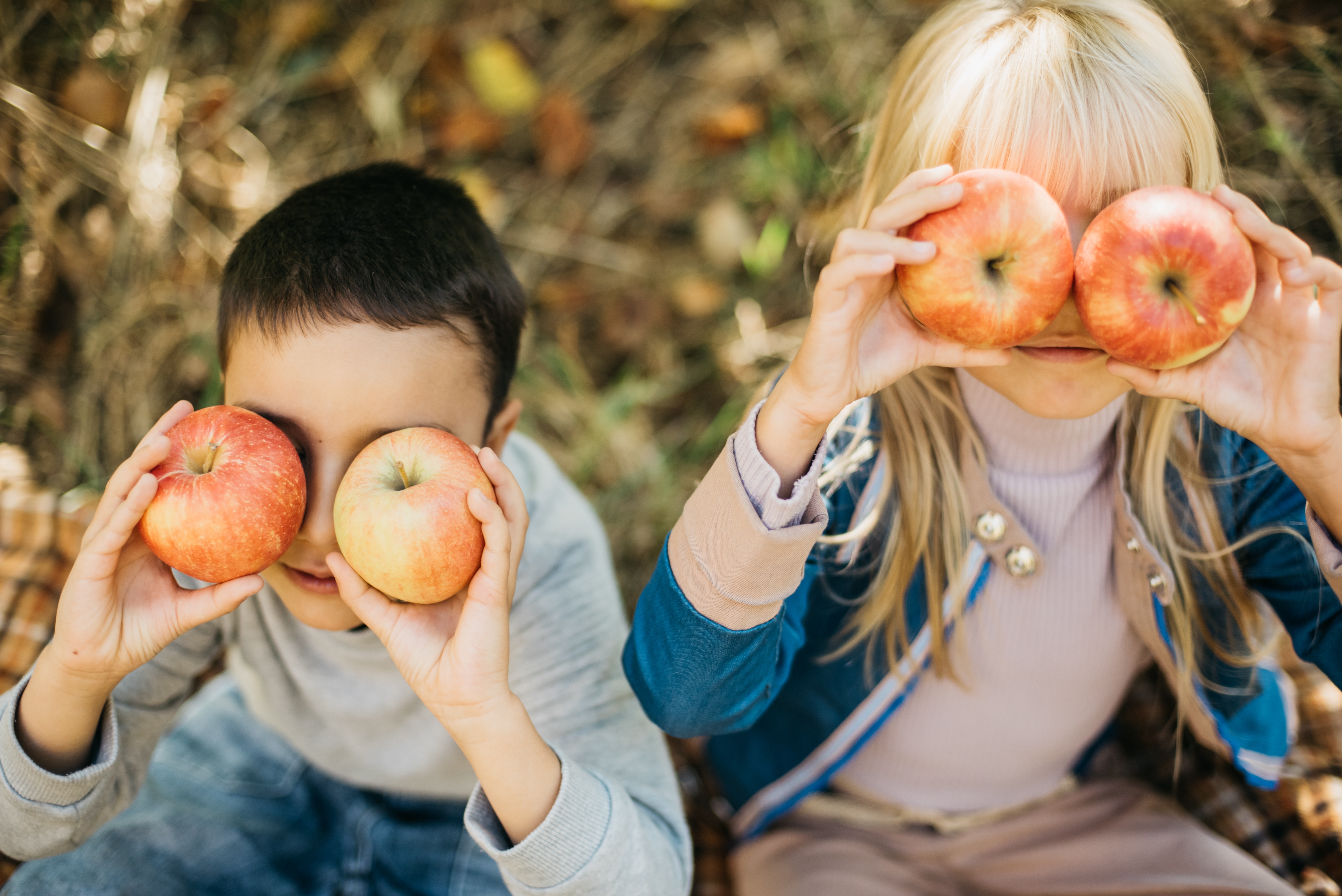
If you have ever dreamed about stepping outside, reaching into your own backyard orchard, and picking a crisp apple straight off the branch, you are not alone. Apple trees are one of the most searched fruit trees in America for a reason. They are beautiful in bloom, rewarding in harvest, and surprisingly beginner-friendly when planted the right way. The key is not just how to plant an apple tree, but when to plant an apple tree, where to put it, which variety to choose for your climate, and how to care for it during that all-important first year.
This guide was written for beginners who want real-world, plain-English help growing apple trees successfully. We are going to cover the best time to plant apple trees, how to choose the right site, soil requirements, how to prepare the soil, pollination requirements, the best apple tree varieties by USDA zone using the current selection at Ty Ty Nursery apple trees, step-by-step planting instructions, watering, bloom removal, pruning, pest and disease prevention, and long-term maintenance. By the end, you will know exactly what to do and just as importantly what not to do.
When Is the Best Time to Plant an Apple Tree?
The best time to plant an apple tree is during the dormant season, after leaf drop and before active spring growth begins. For most of the country, that means late fall through early spring. Dormant planting gives the tree a head start because it can begin settling in and developing roots before it has to support a full flush of top growth.
If you are planting a bareroot apple tree, timing matters even more. Bareroot fruit trees are best planted while fully dormant. In warmer southern climates, that often means winter planting. In colder northern climates, that usually means planting in early spring as soon as the ground can be worked. A beginner mistake is waiting until the tree has already pushed leaves and then trying to rush the planting process. You can do that with some container plants, but bareroot apple trees really prefer that dormant planting window.
Here is the simple beginner rule: plant while the tree is asleep so it can wake up where it belongs.
Best Apple Tree Varieties by USDA Zone
Not every apple tree works everywhere. Apples are climate-driven fruit trees. Some need long, cold winters. Others need low chill and perform much better in mild southern climates. That is why matching your variety to your USDA zone is one of the biggest keys to success.
Important note for beginners: many states span multiple USDA zones. Texas, California, Georgia, North Carolina, Tennessee, Virginia, Oregon, Washington, and many others can contain more than one zone. Always use your exact local USDA zone first, then use your state as a second filter. If you are unsure, start with your zip code and then choose from the variety list below.
USDA Zone 3
Typical cold-climate areas: parts of northern Minnesota, North Dakota, Montana, South Dakota, northern Wisconsin, and interior mountain regions.
Best Ty Ty Nursery apple choices: Honeycrisp Apple Tree, McIntosh Apple Tree.
Zone 3 gardeners need serious cold hardiness. This is not the place to experiment with warm-climate apples and hope for the best. If you are planting in Zone 3, stick with proven cold-hardy options. Honeycrisp and McIntosh are your cleanest options from the current Ty Ty Nursery lineup. If you want to improve pollination, consider adding a crabapple where climate and space allow in nearby compatible locations.
USDA Zone 4
Typical areas: parts of Minnesota, Wisconsin, Michigan, Maine, Vermont, New Hampshire, upstate New York, Wyoming, Colorado, Idaho, and Montana.
Best Ty Ty Nursery apple choices: Honeycrisp, McIntosh, Jonathan, Dolgo Crabapple, Transcendent Crabapple.
Zone 4 is still cold, but it opens the door to a few more choices. Honeycrisp is a standout here for flavor and hardiness. McIntosh is another classic for northern growers. Jonathan can also work in many Zone 4 locations. The two crabapples on the Ty Ty page are especially useful because crabapples can help with pollination while also giving you ornamental spring bloom.
USDA Zone 5
Typical areas: parts of Pennsylvania, Ohio, Indiana, Illinois, Iowa, Nebraska, Kansas, Missouri, Colorado, Utah, Idaho, Oregon, Washington, and much of inland New England.
Best Ty Ty Nursery apple choices: Arkansas Black, Braeburn, Gala, Golden Delicious, Honeycrisp, Jonathan, McIntosh, Red Delicious, Red Rome, Pink Lady in milder Zone 5 pockets, plus Dolgo and Transcendent Crabapple.
Zone 5 is where apple growing starts to feel wide open. You have enough winter chill for many traditional varieties, but still enough warmth in summer for good fruit development. Honeycrisp, Gala, Golden Delicious, and Jonathan are all strong beginner choices. Arkansas Black is a good option if you want a later-season apple with character. Crabapples remain valuable pollination partners.
USDA Zone 6
Typical areas: parts of Virginia, Maryland, Pennsylvania, Kentucky, Tennessee, North Carolina, Missouri, Arkansas, Oklahoma, New Mexico, and the Pacific Northwest inland valleys.
Best Ty Ty Nursery apple choices: Granny Smith, Honeycrisp, Jonathan, Pink Lady, Red Fuji, Red Rome, Gala, Golden Delicious, Arkansas Black, Braeburn, Red Delicious, plus Dolgo and Transcendent Crabapple.
Zone 6 is a sweet spot for home apple growers. You can grow a broad range of varieties without pushing too hard in either direction. This is a great zone for the classic backyard orchard combination of one sweet apple and one tart or all-purpose apple. Think Golden Delicious plus Granny Smith, or Gala plus Honeycrisp.
USDA Zone 7
Typical areas: much of Virginia, North Carolina, South Carolina upcountry, Georgia uplands, Alabama, Mississippi, Tennessee, Arkansas, Oklahoma, and parts of the Mid-Atlantic and West Coast inland valleys.
Best Ty Ty Nursery apple choices: Arkansas Black, Braeburn, Gala, Golden Delicious, Granny Smith, Honeycrisp in cooler Zone 7 areas, Jonathan, Pink Lady, Red Delicious, Red Rome.
Zone 7 gives beginners a lot of flexibility, but chill hours start to matter more. In cooler Zone 7 locations, many traditional apples still do very well. In warmer Zone 7 areas, lean toward adaptable varieties like Gala, Golden Delicious, Granny Smith, Pink Lady, and Red Rome. If your winters have been trending mild, do not ignore chill-hour reality just because a tree is technically hardy in your zone.
USDA Zone 8
Typical areas: parts of Georgia, Alabama, Mississippi, Louisiana, South Carolina, Texas, Arizona, California, Oregon coast, Washington coast, and low-elevation southern regions.
Best Ty Ty Nursery apple choices: Anna, Ein Shemer, Golden Dorsett, Granny Smith in some locations, Pink Lady in some microclimates, Red Fuji in select areas, plus Dolgo and Transcendent Crabapple where suitable.
Zone 8 is where beginners need to stop thinking only in terms of winter cold tolerance and start thinking about chill hours. This is warm-climate apple country. If you want the safest, most beginner-friendly route, build your plan around Anna + Golden Dorsett. Ein Shemer is another good warm-zone choice that fits this conversation well. Those low-chill apples are much more dependable than trying to force a high-chill northern variety to fruit in a mild winter.
USDA Zone 9
Typical areas: parts of Florida, Texas, Louisiana, southern Georgia, coastal California, southern Arizona, and other mild-winter regions.
Best Ty Ty Nursery apple choices: Anna, Ein Shemer, Golden Dorsett. In some Zone 9 microclimates, Pink Lady or Red Fuji may be attempted, but low-chill apples should stay at the core of your planting plan.
Zone 9 can absolutely grow apples, but not just any apples. Beginners do best here when they stay disciplined and choose low-chill varieties. The cleanest, most dependable pairing is still Anna + Golden Dorsett. Add Ein Shemer if you want another low-chill option. If you plant the wrong variety in Zone 9, the tree may grow but still disappoint you when fruiting time comes.
USDA Zone 10
Typical areas: south Florida, coastal southern California, and very warm desert or coastal pockets.
Recommendation: Apple trees are generally not the best beginner fruit tree choice here from the current Ty Ty apple lineup. If you are in a cooler Zone 10 pocket and want to experiment, low-chill apples would be your only realistic starting point, but overall this is not the ideal apple zone for most growers.
If you live in Zone 10, it is better to be honest than optimistic. Most apple trees simply do not receive enough winter chill to perform well. Apples are usually not the easiest or smartest fruit tree for this zone.
USDA Zone 11
Typical areas: tropical and near-tropical locations.
Recommendation: Apple trees are not an appropriate beginner choice for most Zone 11 growers from the current Ty Ty apple selection.
Zone 11 is outside the comfort zone for nearly all traditional apple production. You may be able to grow many excellent fruit trees there, but apples are generally not one of the best beginner investments.
Pollination Requirements for Apple Trees
This is where many beginners get tripped up. Most apple trees are not reliably self-fruitful enough to give you the crop you are hoping for on their own. In plain terms, one lonely apple tree often means disappointment. Apple trees usually need pollen from a different compatible apple variety blooming at roughly the same time. A crabapple can also help provide pollen in many cases, which is one reason backyard growers love them.
For warm climates, the easiest beginner answer is simple: plant Anna and Golden Dorsett together. Add Ein Shemer if you want another warm-climate option. In colder and moderate climates, the easiest strategy is to plant any two different apple varieties that both fit your zone instead of trying to overcomplicate things. Think in pairs, not singles.
Pollination also depends on bees and other pollinators doing their job, so avoid spraying insecticides during bloom. If your apple tree flowers heavily but does not set fruit, the problem may not be your soil or watering at all. It may be pollination.
Site Selection: Where Should You Plant an Apple Tree?
The best apple tree site is sunny, open, and well-drained. That sounds simple, but it makes all the difference.
Apple trees want full sun. Not “kind of sunny.” Not “bright shade.” Real, direct sun for most of the day. If you want better blooms, stronger growth, sweeter fruit, and fewer disease headaches, plant where the tree gets at least 8 hours of direct sunlight.
Good air flow matters too. A tight, damp corner of the yard may seem protected, but it can trap humidity and encourage disease. Apple trees like breathing room. Better air movement means leaves dry faster after rain, which helps reduce disease pressure like apple scab and other fungal problems.
You also want to stay away from areas where water stands after rain. If your feet squish, your apple tree will struggle. Wet feet and fruit trees do not mix. Apples prefer soil that drains well and does not stay saturated.
Try to avoid planting apple trees right next to large shade trees, in low frost pockets, or too close to buildings. Give the tree room to develop a balanced canopy and enough light from all sides.
Soil Requirements for Apple Trees
The best soil for apple trees is loose, workable, and well-drained with a slightly acidic to near-neutral pH. If your soil is not perfect, do not panic. Apple trees can adapt to many soils, but they do not forgive poor drainage nearly as well as they forgive average fertility.
If possible, test your soil before planting. That is one of those smart beginner moves that sounds boring until it saves you two years of guessing. Soil testing helps you understand pH, nutrient balance, and whether your soil needs adjustment.
In general:
- Sandy soils drain fast and may need more frequent watering.
- Clay soils hold water longer and may need more care with drainage and planting depth.
- Loamy soil is the dream, but good drainage is still more important than perfection.
If your soil drains poorly, consider planting on a slight mound or raised berm rather than dropping the tree into a wet hole and hoping for the best. Apple trees are long-term plants. Start them in the right place and they repay you for years.
How to Prepare the Soil Before Planting
Soil preparation is less about creating a fluffy luxury suite for the roots and more about making sure the site is clean, open, and ready for the tree to expand naturally. Clear grass and weeds from the planting area because turf competes hard with young trees for water and nutrients.
Loosen the soil in the area if it is compacted. Break up hard clods. Remove rocks and construction debris. Do not choose a spot just because it is convenient. Choose it because it drains, gets sun, and has enough room for an apple tree to become what it is supposed to become.
One more beginner tip: a lot of people want to dump rich compost or heavy amendments into one small planting hole. That can create a bathtub effect in some soils or encourage roots to stay inside the soft pocket instead of pushing outward. The goal is to plant the tree into the native site properly and then manage moisture and nutrition carefully from there.
How to Plant a Bareroot Apple Tree Step by Step
Now for the hands-on part. Here is the beginner-friendly planting process for a bareroot apple tree.
- Soak the roots in a bucket of water for hydration. When your apple tree arrives, the first thing you want to do is soak the roots in a bucket of water. This helps rehydrate the tree before planting and gives it a much better start.
- Dig a hole twice the size of the roots. Give the roots room. Do not cram them into a tiny hole or bend them awkwardly just to make it fit.
- Place one unopened 1st Year Nutra Pro Fertilizer Pak and one unopened Soil Moist Transplant Mix at the bottom of the hole. Leave both unopened and place them below the root zone as directed.
- Set the tree in place. Spread the roots naturally. Make sure the tree is positioned at the correct depth and standing straight.
- Backfill the hole. Refill the planting hole with the soil you removed.
- Water the tree in thoroughly. This settles the soil around the roots and helps eliminate air pockets.
- Install a Max Growth Tree Shelter. This protects the young tree and helps it get established with less stress from environmental pressure.
That is the basic bareroot apple tree planting formula: hydrate, dig, place the unopened inputs, backfill, water, protect.
Why Use Nutra Pro 1st Year Fertilizer Paks Instead of Granular Fertilizer?
This is one of the most important beginner sections in this whole guide.
During the first year, young apple tree roots are tender, limited, and highly vulnerable to fertilizer burn. That is why slow, controlled feeding is so much safer than tossing granular fertilizer into the planting zone and hoping you guessed the rate correctly.
The reason to use Nutra Pro 1st Year Fertilizer Paks is that they are designed to feed slowly through micro porous holes. That slow-release approach helps reduce the risk of root burn, fertilizer shock, and stalled establishment. A young tree does not need a hot blast of nutrients. It needs steady support while it is building roots.
Granular fertilizer in the first year is one of those things beginners often do with good intentions and terrible timing. It is easy to overapply. It is easy to place too close to the roots. And it is easy to burn tender young roots badly enough to stunt the tree or even kill it. That is why the slow, gentle, controlled approach is the better first-year strategy.
Think of it this way: in year one, your main job is not to push wild top growth. Your main job is to get the tree rooted, settled, and stable.
Watering Apple Trees After Planting
The first year is won or lost with watering.
For the first two months after planting, water every day or at least every other day, depending on rainfall, temperature, wind, and soil type. If the weather is cool and you are getting consistent rain, you may not need daily watering. If it is warm, windy, or your soil is sandy, you may need to water more often.
If the tree begins to wilt, it is telling you it is thirsty and needs a drink. Do not ignore that signal. Newly planted trees do not have an established root system yet. They cannot go looking for water the way older trees can.
Once the tree becomes established, your watering schedule can fall back and become more dependent on natural rainfall. But when fruiting starts in later years, increase water attention again. Fruit production requires moisture, and drought stress during fruit sizing can affect both yield and quality.
Deep watering is better than light surface sprinkles. You want moisture moving down into the root zone, not just wetting the top crust of the soil.
Should You Remove Blooms the First Year?
Yes. If your newly planted apple tree blooms the first year, remove the blossoms.
This feels wrong to beginners because those flowers are exciting. They make you think, “Maybe I will get apples right away.” But the first year is not the time to chase fruit. The first year is the time to build roots.
If you allow a young newly planted tree to put energy into fruiting too early, you are asking it to split its attention between establishment and production. That usually weakens the long-term result. Removing those first-year blooms tells the tree to focus underground, which is exactly where you want its energy going.
Grow your own fruit is a marathon, not a sprint. Do not let short-term gratification steal long-term production.
Ongoing Maintenance for Healthy Apple Trees
Pruning
Apple trees need regular pruning. Not aggressive hacking. Smart pruning.
Your goals with pruning are to build a strong framework, improve sunlight penetration, maintain good air flow, reduce disease pressure, and keep the tree productive. For most beginners, the best time to prune is late winter or very early spring while the tree is still dormant and before active growth begins.
Start by removing dead, broken, rubbing, or poorly placed branches. Remove water sprouts and rootstock suckers. Aim for a strong structure rather than a tangled canopy. A more open tree dries faster after rain and usually fruits better too.
Mulching
Mulch is one of the easiest ways to help a young apple tree. A mulch ring helps conserve moisture, moderate soil temperature, and reduce weed competition. Keep the mulch pulled back from the trunk so moisture is not trapped directly against the bark.
Weed and Grass Control
Do not let grass grow right up to the trunk. Turf steals water and nutrients from young fruit trees. Keep a clean area around the base so your apple tree is not fighting lawn grass while also trying to establish.
Fruit Thinning in Later Years
Once your tree is established and begins setting fruit in future years, thinning helps improve fruit size, reduce branch breakage, and support more consistent yearly production. Too much fruit sounds exciting until limbs split and the tree swings into biennial bearing.
Common Apple Tree Problems and How to Treat Them
Apple Scab and Fungal Leaf Diseases
If your tree develops dark, olive, or blotchy leaf issues, fungal disease may be part of the problem. Good sanitation matters. Clean up fallen leaves and fruit. Improve air flow through pruning. Avoid keeping the canopy wet longer than necessary. In areas with heavy disease pressure, a preventive spray program may be needed.
Fire Blight
Fire blight can cause shoots and blossoms to look scorched or blackened. If you see suspicious infected growth, prune it out promptly and sanitize tools between cuts. Do not leave infected material hanging around the tree.
Cedar Apple Rust
This disease is common where apples are grown near junipers or red cedars. It often shows up as bright orange spotting on foliage. If cedar apple rust is common in your region, sanitation, variety selection, spacing, and preventive treatment all become more important.
Codling Moth and Wormy Apples
If you cut open an apple and find tunneling or worm damage, codling moth is a common suspect. Monitoring and timely treatment matter. Picking up fallen fruit and maintaining orchard hygiene can help reduce pest pressure.
Japanese Beetles and Leaf Feeding Insects
Skeletonized leaves in summer often point to Japanese beetles or other chewing pests. Young trees need extra protection because repeated defoliation stresses them more than it does a mature orchard tree.
The general beginner rule for pest and disease issues is simple: catch problems early. Walk your tree often. Look at the leaves. Look at the shoots. Look at the fruit. A five-minute check once or twice a week can save you a whole season of frustration.
Best Place to Buy Apple Trees Online
If you want the best place to buy apple trees online, Ty Ty Nursery stands out for beginners and experienced growers alike. Buying from the right nursery matters because your success starts long before the tree reaches your yard.
Here is why Ty Ty Nursery is a smart place to buy apple trees:
- Prices up to 68% lower than competitors on comparable plant offerings.
- Fastest in-season shipping so you can plant in days the Ty Ty way instead of waiting weeks or months.
- Free one year Plantsurance guarantee included on eligible plants.
- Lifetime true to name guarantee for added confidence in what you are growing.
- No heavy pots to move in and out of your vehicle because trees ship right to your door.
- In business since 1978 with decades of fruit tree experience.
- Google Top Quality Store recognition.
- Excellent Trustpilot rating from verified customers.
- BBB A rating.
- Live human plant experts in Ty Ty Georgia rather than outsourced support.
That combination matters. Good value is nice. Fast shipping is nice. Guarantees are nice. But when you put all of those together with a large variety selection and real people who know plants, it makes the whole buying process easier and less stressful for beginners.
You can browse the current selection here: Apple Trees for Sale Online at Ty Ty Nursery.
Final Thoughts
If you are new to fruit trees, apple trees are one of the most rewarding ways to start. The secret is not luck. It is matching the variety to your zone, planting in the right season, giving the tree sun and drainage, using a gentle first-year fertility plan, watering consistently, removing first-year blooms, and staying ahead of pruning and pest issues.
Do those things well and your apple tree will not just survive. It will settle in, grow with confidence, and become one of the most satisfying plants in your yard.
And years from now, when you are standing outside eating fruit from a tree you planted yourself, you will be glad you did not rush the process.
Ready to get started? Shop the full apple tree collection at Ty Ty Nursery, explore more expert planting help on the Ty Ty Nursery Planting Tips page, and visit the Ty Ty Nursery for more fruit trees, berry plants, and orchard-growing resources.
Leave a Reply