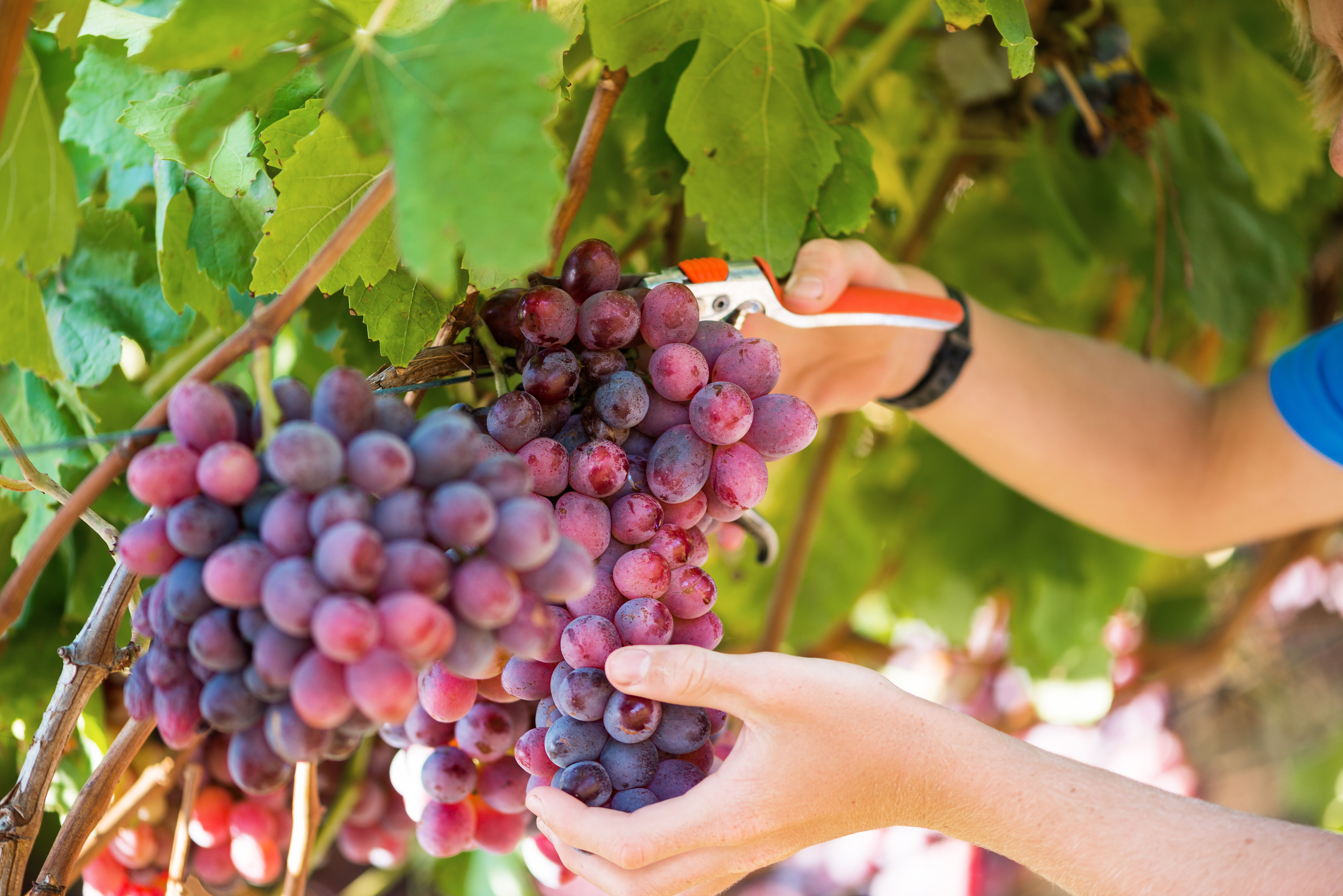
If you have ever looked at a backyard arbor dripping with grapes and thought, “I want that,” you are in the right place. Bunch grape vines are one of the most rewarding fruiting plants you can grow at home. They are productive, beautiful, useful, and surprisingly beginner friendly once you understand the basics. The trick is not just buying a grape vine and sticking it in the ground. The real secret is knowing when to plant bunch grape vines, where to plant them, how to support them, how to train them, and how to care for them in that all-important first year.
This guide is built for real beginners. The kind of person who wants plain English, practical advice, and no guesswork. We are going to cover site selection, soil requirements, soil preparation, trellis ideas, pollination requirements, the best bunch grape vine varieties by USDA zone using the current selection from Ty Ty Nursery bunch grape vines, how to plant, how to water, why to remove first year blooms, how to prune, and how to handle common problems like black rot, downy mildew, and powdery mildew.
By the time you finish this guide, you will know exactly how to get your bunch grape vines started the right way and how to keep them productive for years to come.
What Are Bunch Grape Vines?
Bunch grape vines are the classic grape vines that produce grapes in tight clusters rather than loose muscadine-style fruits. They are ideal for fresh eating, juicing, jelly, homemade wine, and beautiful edible landscaping. According to the current Ty Ty Nursery category page, the bunch grape selections offered there are Black Fredonia, Concord, Niagara, and Red Catawba, and the page notes that these bunch grape vines thrive in full sun and well-drained soil and are ideal for trellises, arbors, and backyard vineyards. Each of the currently listed varieties is shown for USDA Zones 5–7.
When Is the Best Time to Plant Bunch Grape Vines?
The best time to plant bunch grape vines is during the dormant season, usually in late winter to early spring, before vigorous new growth begins. Extension guidance for home grapes commonly recommends planting in early spring as soon as the soil can be worked, especially for bareroot vines. That gives the vine time to settle in and establish roots before the growing season really gets moving.
For beginners, the easiest rule is this: plant while the vine is still asleep so it can wake up where it belongs. A dormant vine has a much easier time redirecting energy into root establishment than a fully leafed-out vine trying to support active top growth right away.
If you are in a colder part of the country, wait until the ground can be worked and the worst of the freeze-thaw drama is behind you. If you are in a milder climate, you may have a longer planting window. But in general, early spring planting is the safest and simplest answer for most home growers.
USDA Zone and State Recommendations for Bunch Grape Vines
This section matters because variety fit is everything. The current Ty Ty Nursery bunch grape page lists all four current bunch grape varieties Black Fredonia, Concord, Niagara, and Red Catawba for USDA Zones 5–7. That means these are the zones where they are the most appropriate fit from the current Ty Ty bunch grape lineup. Outside those zones, the honest answer is that these specific bunch grape varieties are generally not the best beginner choice from this category page.
USDA Zone 3
Typical states or parts of states: northern Minnesota, North Dakota, South Dakota, Montana, interior Alaska pockets, and very cold inland mountain regions.
Recommendation: The current bunch grape vines on the Ty Ty category page are not the best beginner fit for Zone 3 because the listed varieties are shown for Zones 5–7. If you are in Zone 3, these bunch grape selections are generally not the appropriate choice from this specific page.
USDA Zone 4
Typical states or parts of states: northern Wisconsin, northern Michigan, Maine, Vermont, New Hampshire, upstate New York, Wyoming, Idaho, and colder interior valleys.
Recommendation: Zone 4 is also outside the listed range for the current Ty Ty bunch grape lineup. For a beginner, these specific bunch grape varieties are not the ideal choice from this page.
USDA Zone 5
Typical states or parts of states: Pennsylvania, Ohio, Indiana, Illinois, Iowa, Nebraska, Kansas, Missouri, Colorado, Utah, Oregon inland valleys, Washington inland valleys, and southern New England pockets.
Best current Ty Ty bunch grape choices: Black Fredonia, Concord, Niagara, Red Catawba.
Zone 5 is excellent bunch grape country for the current Ty Ty lineup. Concord is the classic American favorite for juice, jelly, and fresh eating. Niagara is a well-known white bunch grape that is popular for juice and sweet fresh use. Red Catawba has a long history in home vineyards and works well for fresh use, juice, and some winemaking applications. Black Fredonia is a bold dark grape option for growers who want rich color and classic bunch grape character.
USDA Zone 6
Typical states or parts of states: Virginia, Maryland, Kentucky, Tennessee, North Carolina uplands, Arkansas, Missouri, New Mexico, Oklahoma, and parts of the Mid-Atlantic and interior West.
Best current Ty Ty bunch grape choices: Black Fredonia, Concord, Niagara, Red Catawba.
Zone 6 is one of the sweet spots for bunch grape vines. You have enough winter chill and enough summer warmth for vigorous growth and dependable ripening. All four current Ty Ty bunch grape varieties are listed for this zone, which makes variety choice more about flavor preference and end use than survival. Concord and Niagara make a classic pairing if you want both dark and light grapes in the backyard.
USDA Zone 7
Typical states or parts of states: Georgia uplands, Alabama uplands, South Carolina upcountry, North Carolina piedmont, Tennessee, Arkansas, Oklahoma, Virginia, and other moderate winter regions.
Best current Ty Ty bunch grape choices: Black Fredonia, Concord, Niagara, Red Catawba.
Zone 7 is still within the listed range for the current Ty Ty bunch grape lineup and can be a very productive climate for these vines when you give them sun, airflow, and disease management. Humidity can be more of an issue in some Zone 7 states, so trellis design, pruning, and air circulation matter even more.
USDA Zone 8
Typical states or parts of states: much of the Deep South, parts of Texas, Arizona, California, and coastal regions with mild winters.
Recommendation: The current bunch grape varieties on the Ty Ty page are listed for Zones 5–7, so Zone 8 is outside the stated range. Beginners in Zone 8 should not treat these specific bunch grape varieties as the default choice from this page.
USDA Zone 9
Typical states or parts of states: south Texas, south Louisiana, central and south Florida, coastal California, and very mild winter areas.
Recommendation: The current bunch grape lineup on this page is not listed for Zone 9, so these are generally not the most appropriate beginner options from this category.
USDA Zone 10
Typical states or parts of states: south Florida, southern coastal California, and very warm frost-light locations.
Recommendation: These current bunch grape varieties are not listed for Zone 10. This is not the appropriate zone for the listed page selection.
USDA Zone 11
Typical areas: tropical and near-tropical regions.
Recommendation: The current Ty Ty bunch grape page selection is not listed for Zone 11 and is not the appropriate beginner choice there.
Bottom line: if you are in Zones 5–7, the current bunch grape page is right in your wheelhouse. If you are outside Zones 5–7, these specific bunch grape varieties are generally not the best fit from the current page lineup.
Do Bunch Grape Vines Need a Pollinator?
One of the nicest things about bunch grapes is that pollination is easy compared with some fruit trees. Extension sources note that bunch grapes, unlike muscadines, generally do not require cross-pollination. Many bunch grapes are self-fertile, and Oklahoma State notes that most table and wine grapes will produce good crops if only one variety is planted. That means you do not have to buy a second bunch grape vine just to get fruit, although planting multiple varieties can help extend your harvest season.
That is great news for beginners. You can plant one bunch grape vine and still expect fruit, as long as the vine is healthy, mature enough, and grown in the right conditions. So while you absolutely can plant multiple varieties for variety and harvest timing, you do not need to do that for pollination the way you often do with apple trees.
Best Site Selection for Bunch Grape Vines
If you want great grapes, start with the right location. Bunch grape vines need full sun. Not dappled sun. Not morning sun and shade the rest of the day. Real, direct sunlight for most of the day. Extension guidance consistently recommends full sun because grapes need heat and light to ripen fruit well.
Airflow is the next big factor. Grapes can be prone to fungal issues, especially in humid climates. A site with open air movement helps leaves and fruit dry faster after rain or dew. That is not just a nice little bonus. It is one of the best cultural defenses you have against disease. Black rot, downy mildew, and powdery mildew all love a damp, crowded setup.
Drainage matters too. Grape vines do not want wet feet. Pick a site where water moves through the soil and does not sit around the root zone. If you have a low soggy corner of the yard, that is not the place for bunch grapes.
Good site choices include:
- A sunny fence line
- A backyard trellis row
- An arbor in an open area
- A dedicated small vineyard strip with full sun and room for airflow
Soil Requirements for Bunch Grape Vines
Bunch grape vines prefer well-drained soil and generally perform best when roots are not sitting in waterlogged ground. Extension and planting sources often note that grapes tolerate a range of soil types, but poorly drained or constantly wet soil is a problem. Full sun and drainage are the two biggest non-negotiables.
If your soil is a little sandy, that is usually workable as long as you stay on top of watering early on. If your soil is clay, drainage becomes the bigger concern. The goal is not perfect soil. The goal is a site where roots can breathe, spread, and stay evenly moist without being waterlogged.
A soil test is always smart. It tells you whether you are working with a pH issue, nutrient deficiency, or something else that needs adjustment. But if you do nothing else, at least make sure your soil drains. A bunch grape vine can forgive a lot. Constantly soggy roots are not one of those things.
How to Prepare the Soil Before Planting
Good soil prep is about creating a clean, weed-free, workable area for the vine to establish. Remove grass and weeds from the planting zone. Loosen compacted soil. Get rid of rocks or debris. Do not just punch a tiny hole in the lawn and call it done.
Also remember that grape vines are long-term plants. You are not planting something for one pretty season. You are planting a vine you want to train, prune, and harvest from for years. It is worth taking the time to prepare the site now.
If you know your area holds water, consider planting on a slight rise or berm. If your site is wide open and clean, you are already ahead of the game.
Trellis Construction and Support Ideas for Bunch Grape Vines
This is where bunch grapes get fun. Grape vines are climbers, which means they need support and training. You are not growing a little free-standing bush. You are growing a vigorous vine that wants structure.
Simple Backyard Trellis
A basic grape trellis can be made with sturdy end posts, line posts, and one or more tensioned wires. This is a great beginner setup for a row of vines. Extension training systems often use a trunk trained up to a wire and then arms or cordons developed along that wire.
Fence Training
If you already have a strong fence in full sun, you can absolutely use it as a support structure. This is one of the easiest ways for beginners to grow grapes without building a separate trellis. Just make sure the fence gets enough light and air and is sturdy enough for the long-term weight of a mature vine.
Arbor or Pergola
An arbor can be both productive and beautiful. Grapes can create shade, privacy, and a dramatic garden feature. But remember that production and management can be harder if the vine becomes an overgrown jungle overhead. Keep structure, pruning, and access in mind.
Wall or Decorative Wire System
Some gardeners train grapes against wires mounted on posts or along a sunny wall. That can work well for a smaller edible landscape setup, but again, full sun and airflow matter.
Spacing and Training
University guidance commonly suggests about 6 to 8 feet of spacing between vines depending on the system, and adequate room is important because crowded vines become a disease and pruning nightmare. Illinois Extension notes that spacing too closely creates jungle-like growth and makes disease and fruiting problems worse.
Think of your trellis as the skeleton of the future vine. A strong support system makes pruning easier, fruit cleaner, disease management better, and harvesting a whole lot more enjoyable.
How to Plant a Bunch Grape Vine Step by Step
Now let us get into the actual planting process.
- Soak the roots in a bucket of water for hydration. When your bunch grape vine arrives, soak the roots in a bucket of water to rehydrate the plant before it goes into the ground.
- Dig a hole twice the size of the roots. Give the roots room so they can spread naturally instead of being cramped or bent.
- Place one unopened 1st Year Nutra Pro Fertilizer Pak and one unopened Soil Moist Transplant Mix at the bottom of the hole. Leave both unopened and place them at the bottom of the hole as part of the planting setup.
- Set the vine in place. Position the roots naturally and make sure the vine is standing correctly at planting depth.
- Backfill the hole. Use the removed soil to fill the hole back in around the roots.
- Water the plant in thoroughly. This settles the soil and helps eliminate air pockets.
- Install a Max Growth Vineyard Shelter. This adds protection for your newly planted vine while it establishes.
That is the beginner planting formula: hydrate, dig, place the unopened inputs, backfill, water, protect.
Why Use Nutra Pro 1st Year Fertilizer Paks Instead of Granular Fertilizer?
The first year is not the time to get aggressive with fertilizer. A newly planted grape vine has young tender roots, and those roots are easy to damage if fertilizer is too strong or placed too hot in the root zone.
The reason to use Nutra Pro 1st Year Fertilizer Paks instead of granular fertilizer the first year is the slow, controlled feeding. The Nutra Pro paks have micro porous holes that release nutrition gradually. That slower feed helps reduce the risk of burning the roots, stunting growth, or worse, killing the vine.
Granular fertilizer the first year is one of those things that sounds helpful until it goes wrong. It is easy to overapply. It is easy to place too close to the roots. It is easy to create fertilizer burn. And once you burn young roots, you do not get to rewind and try again.
First-year growing is about establishment, not forcing top growth. You want the vine to root in, adjust, and become stable. Slow and steady wins this race.
Watering Bunch Grape Vines After Planting
The first year is where watering discipline matters most.
For the first two months, water every day or at least every other day, depending on rainfall, temperature, soil type, and wind. If the weather is mild and rainy, you may not need daily watering. If it is hot, windy, or your soil drains quickly, you may need to water more often.
If the plant begins to wilt, it is telling you it is thirsty and needs a drink. Newly planted vines do not yet have a deep, wide root system. They depend on you while they are getting established.
Once established, watering can taper back and become more rainfall dependent. But when the vine starts fruiting, increase water attention again. Fruit development demands moisture, and drought stress can reduce berry size and fruit quality.
Try to water deeply rather than giving little quick splashes. You want moisture moving into the root zone, not just wetting the soil surface.
Should You Remove Flowers the First Year?
Yes. If your bunch grape vine starts flowering in the first year after planting, remove the blooms.
That can feel painful because flowers mean grapes are trying to happen. But the first year is not about grapes. The first year is about roots. Extension guidance for young vines commonly recommends removing fruit during establishment so the plant can direct energy into trunk and framework development rather than into crop production.
Grow your own fruit is a marathon, not a sprint. If you let a young vine spend energy on fruit too early, you can slow down the long-term development you really want. Short-term gratification is not worth sacrificing long-term production.
Ongoing Maintenance for Healthy Bunch Grape Vines
Pruning
Grapes need pruning every year. Not optional pruning. Real pruning. Extension sources are very clear that annual pruning is essential for healthy production, and some note that mature vines often require removal of 80 to 90 percent of the previous season’s cane growth.
That sounds dramatic the first time you hear it, but grapes fruit on new shoots arising from one-year-old wood. If you let the vine become a tangled mess, you get more shade, less airflow, harder harvests, and poorer fruiting.
For beginners, the general rhythm is this:
- Train a straight trunk early.
- Develop your permanent structure on the trellis.
- Prune each dormant season to renew fruiting wood and manage size.
Prune in late winter or early spring while dormant. Some sources note that bleeding sap near budbreak is not harmful, but pruning too early in winter can increase risk of cold injury in some regions.
Trellis Maintenance
Check ties, wires, posts, and structure every season. A healthy grape vine gets heavy. What looks fine in year one may not be fine in year four when the vine is loaded with growth and fruit.
Weed Control
Keep the base of the vine free of grass and weeds. Young vines do not need extra competition while they are trying to establish.
Canopy Management
One of the goals of pruning and training is keeping sunlight and air moving through the vine. That helps ripen fruit and lowers disease pressure. Crowded growth is one of the biggest self-inflicted problems in backyard grapes.
Common Bunch Grape Problems and How to Treat Them
Black Rot
Black rot is one of the most serious grape diseases in many eastern growing regions. Penn State notes it can be very damaging in home gardens, and SDSU Extension also highlights it as a common fruit-rotting problem. Good sanitation matters. Remove mummified fruit, clean up infected debris, prune for airflow, and use preventive disease management when needed.
Downy Mildew
Downy mildew thrives in warm wet conditions and can attack green plant tissue. UGA and Arkansas both note its significance in grapes, particularly in humid climates. Watch for yellowing or oil-spot type symptoms and the fuzzy sporulation often found on undersides of leaves. Good airflow, scouting, and timely treatment matter.
Powdery Mildew
Powdery mildew is another major issue in grapes. It can show up under different conditions than downy mildew and still reduce fruit quality and vine health. Regular scouting and keeping the canopy open are important parts of control.
Poor Airflow and Overcrowding
Sometimes the “disease problem” starts as a pruning problem. Vines that are too thick, too shaded, and too crowded stay wetter longer and invite trouble. Better trellising and pruning often fix a lot before you ever reach for a spray plan.
Birds and Wildlife
Once grapes start ripening, birds will often decide they have been waiting all year for your harvest too. Netting may be necessary if you want to beat them to the fruit.
The best beginner habit is simple: walk your vines often. Look at leaves, shoots, and clusters. Most major grape problems are easier to manage when caught early.
Best Place to Buy Bunch Grape Vines Online
If you are wondering where to buy bunch grape vines online, Ty Ty Nursery gives beginners a strong place to start. The current bunch grape category page highlights that these vines are ideal for home gardens and backyard vineyards, and the site backs its plants with the company’s customer-facing guarantee structure.
Here is why Ty Ty Nursery stands out:
- Prices up to 68% lower than many competitors
- Fastest in-season shipping so you can plant in days the Ty Ty way.
- Free one year Plantsurance guarantee
- Lifetime true to name guarantee
- No heavy pots to move in and out of the car because plants ship right to your door.
- In business since 1978. BBB lists business started locally in 1978, and Ty Ty’s own brand materials also cite 1978.
- Google Top Quality Store
- Excellent Trustpilot rating. Trustpilot currently shows a 4.5 score based on 181 reviews.
- BBB A rating. BBB currently shows an A rating
- Live human plant experts in Ty Ty, Georgia
If you want to browse the current bunch grape vine selection, start here: Bunch Grape Vines at Ty Ty Nursery.
Final Thoughts
Bunch grape vines are one of the most satisfying edible plants you can grow. They bring structure, beauty, shade, and harvest all in one plant. But success comes from getting the fundamentals right: plant in the right season, choose a variety that fits your USDA zone, give the vine full sun and drainage, build or choose a strong support system, water consistently during establishment, remove first-year blooms, and stay disciplined about pruning and disease prevention.
Do that, and your bunch grape vine will not just survive. It will settle in, climb, fill out, and become one of the most useful and rewarding plants in your yard.
Ready to plant? Explore the current selection of bunch grape vines at Ty Ty Nursery, visit the Ty Ty Nursery planting tips page, and browse more fruit-growing resources on the Ty Ty Nursery homepage.

Leave a Reply