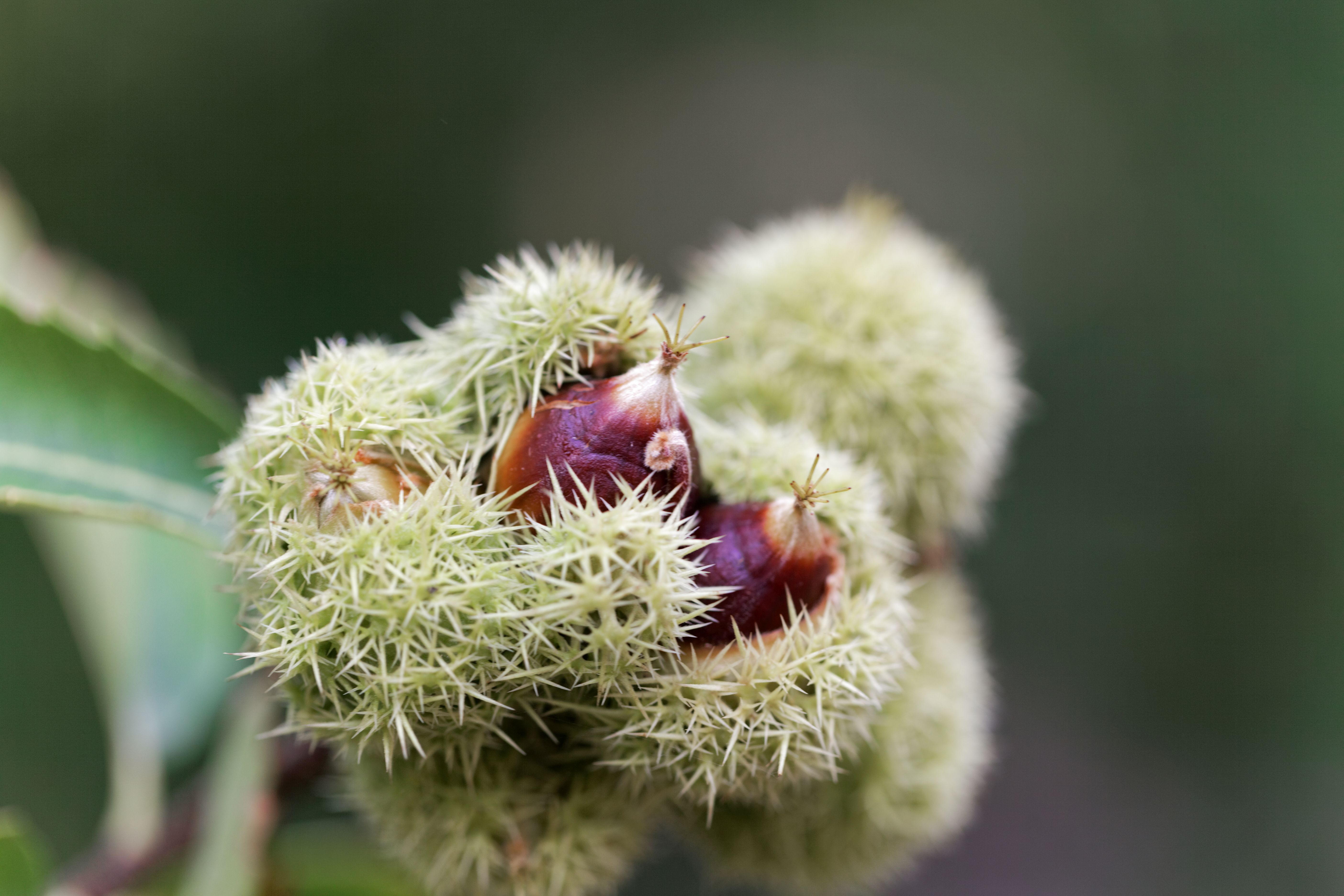
If you have been looking for a native nut tree that feels a little different from the usual pecans, chestnuts, and walnuts, the chinquapin deserves your attention. It has history, wildlife value, edible nuts, and a rugged native charm that makes it feel right at home in Southern landscapes, homesteads, and wildlife plantings. It is one of those plants that makes people stop and ask, “What is that?” and then immediately want one of their own.
For beginners, chinquapin trees are especially appealing because they offer the satisfaction of growing your own nuts without needing a massive commercial-style orchard plan. They can fit into home landscapes more easily than some giant nut trees, and when planted well, they reward patience with sweet, small nuts and a strong native presence in the yard.
That said, planting a chinquapin tree is not something you want to do blindly. The best results come from understanding when to plant, where to plant, what kind of soil it likes, how pollination works, and how to care for it during the first year. This guide will walk you through all of that in plain English, step by step, so you can get started with confidence.
We are going to cover when to plant chinquapin trees, site selection, soil requirements, soil preparation, USDA zone recommendations using the current Allegheny Chinquapin listing at Ty Ty Nursery, pollination requirements, planting instructions, watering, bloom removal, maintenance, common issues, and long-term care. By the end, you will have a full beginner-friendly roadmap.
What Is a Chinquapin Tree?
The Allegheny chinquapin is a native North American nut-bearing plant closely related to chestnuts. On the live Ty Ty page, it is identified as Castanea pumila and described as a unique native species closely related to the American chestnut, valued for its smaller, sweeter nuts and adaptability. The same page notes it can grow as a smaller tree or shrub and is a strong fit for home orchards, wildlife habitats, and nut plantings.
NC State describes Castanea pumila as a monoecious, multi-stemmed, thicket-forming shrub or small tree that, when grown as a tree, can reach roughly 15 to 30 feet tall. UF/IFAS similarly notes that chinquapin is usually seen under about 25 feet tall, can be trained and pruned into a small multi-stemmed tree, and performs best in full-day sun. These descriptions matter because they set realistic expectations for beginners. This is not a giant, towering shade tree in the same class as a mature pecan. It is a smaller native nut tree or large shrub with real landscape versatility.
Why Grow a Chinquapin Tree?
There are a lot of reasons to grow chinquapins. The nuts are sweet, the plant is native, wildlife love it, and it brings a different texture and story to a yard than more common fruit or nut plants. Ty Ty highlights the sweet, nutty flavor and notes the nuts are good for eating fresh, roasting, flour, and baking. Chinquapins are a strong option for wildlife plantings and home orchards.
On top of that, the Allegheny chinquapin has a level of resilience that makes it especially interesting. NC State says it is resistant to chestnut blight and can usually recover if infected, while UF/IFAS says it is moderately resistant to chestnut blight. That does not mean it is invincible, but it does mean you are working with a native plant that has some toughness built in.
When Is the Best Time to Plant a Chinquapin Tree?
The best time to plant a chinquapin tree is during dormancy, generally from late fall through early spring, with early spring being the easiest and safest timing for most beginners. Ty Ty’s live product page says nut trees ordered during their shipping season are shipped bareroot while dormant, usually from December through May. That lines up with the general best practice for woody nut plants: plant while dormant so the roots can settle in before the tree has to push hard top growth.
If you are in a colder part of the range, spring planting is usually the safest answer because it avoids the worst winter conditions while still letting the plant establish before summer. If you are in a milder southern zone, the dormant-season window is more forgiving. The beginner rule is simple: plant while the chinquapin is asleep so it can wake up where it belongs.
Current Ty Ty Nursery Variety and USDA Zone Recommendations
For this request, the current live Ty Ty offering is a single item: Allegheny Chinquapin (Georgia Native). The live product page lists it as best suited for USDA Zones 7–9 and says it requires roughly 400–800 chill hours.
Because the live Ty Ty page currently offers this one chinquapin selection, the practical zone guidance for beginners is straightforward: in Zones 7 through 9, Allegheny chinquapin is the current listed fit; outside those zones, it is not the currently recommended choice from this specific Ty Ty product page. NC State’s broader species description shows the species occurs across a wider native range, but to stay aligned with the actual live Ty Ty listing, the recommendations below are anchored to Ty Ty’s current stated range.
USDA Zone 3
Typical areas: northern Minnesota, North Dakota, South Dakota, Montana, and very cold interior mountain regions.
Recommendation: The current Ty Ty chinquapin listing is not recommended for Zone 3. The live product page lists Allegheny chinquapin for Zones 7–9, so Zone 3 is outside the current recommended range.
USDA Zone 4
Typical areas: northern Wisconsin, northern Michigan, northern New England, and similarly cold inland regions.
Recommendation: The current Ty Ty chinquapin listing is not recommended for Zone 4.
USDA Zone 5
Typical areas: parts of Pennsylvania, Ohio, Indiana, Illinois, Iowa, Missouri, Kansas, Colorado, Utah, inland Oregon, and inland Washington.
Recommendation: The current Ty Ty chinquapin listing is not the recommended fit for Zone 5 based on the live product page.
USDA Zone 6
Typical areas: parts of Virginia, Maryland, Kentucky, Tennessee, Missouri, Arkansas, Oklahoma, and some upland portions of the Southeast.
Recommendation: Zone 6 falls outside the current Ty Ty product page listing, which begins at Zone 7.
USDA Zone 7
Typical areas: Georgia uplands, Alabama uplands, South Carolina upcountry, North Carolina piedmont, Tennessee, Arkansas, Virginia, and Oklahoma.
Best current Ty Ty choice: Allegheny Chinquapin.
Zone 7 is the starting point for the current live Ty Ty listing and is one of the core recommended outdoor zones for this plant.
USDA Zone 8
Typical areas: much of Georgia, Alabama, Mississippi, Louisiana, Texas, South Carolina, Arizona, and parts of California.
Best current Ty Ty choice: Allegheny Chinquapin.
Zone 8 is well within the current listed range and should be one of the strongest outdoor fits for the live Ty Ty offering.
USDA Zone 9
Typical areas: southern Texas, southern Louisiana, parts of Florida, and warmer coastal zones.
Best current Ty Ty choice: Allegheny Chinquapin.
Zone 9 is the warm end of the current listed Ty Ty range.
USDA Zone 10
Typical areas: tropical or near-tropical regions.
Recommendation: The current Ty Ty chinquapin listing is not listed for Zone 10.
USDA Zone 11
Typical areas: tropical climates.
Recommendation: The current Ty Ty chinquapin listing is not listed for Zone 11.
Because many states cover multiple USDA zones, always use your exact local zone first and your state second. Texas, Georgia, Alabama, Mississippi, North Carolina, Tennessee, Virginia, Arkansas, and Oklahoma can each include more than one zone. For this particular live Ty Ty offering, the usable outdoor answer is still very simple: Allegheny chinquapin is the current fit for Zones 7–9.
Pollination Requirements for Chinquapin Trees
Pollination is where this topic gets a little tricky, because high-quality sources describe chinquapins in slightly different ways depending on context. Ty Ty’s live product page says the chinquapin is self-pollinating, but also says planting multiple trees enhances yield. NC State’s general tree fruit and nuts handbook says wild chinquapins are either male or female and thus usually not self-pollinating. Chestnut-family references also often note self-infertility or improved production with cross-pollination in related species.
Putting that together carefully, the safest beginner advice is this: treat chinquapins as a plant that may set some nuts alone but is more dependable with more than one tree. Since Ty Ty itself says yield improves when multiple trees are planted, that is the simplest practical recommendation anyway. If you want better odds of a strong crop, plant more than one chinquapin.
So while I would not tell you that one tree can never make nuts, I would absolutely tell a beginner not to rely on just one if production matters. Planting multiple trees is the more dependable strategy.
Site Selection: Where Should You Plant a Chinquapin Tree?
Chinquapins want full sun and well-drained soil. They require at least 6–8 hours of direct sunlight daily and prefer loamy, slightly acidic soil with good drainage. UF/IFAS also says chinquapins grow best in full-day sun and prefer good soil that is loose, not too dry, and not too wet.
That means a good planting site is sunny, open, and never soggy. This is not a plant for a wet low spot where water pools after a storm. It is much happier on a site where roots can breathe and excess water moves through the soil instead of lingering around the crown.
Good places to plant include a sunny orchard row, a wildlife edge planting with good drainage, or an open landscape bed where the tree has enough room to spread. The Ty Ty page recommends spacing trees about 15–25 feet apart for proper growth and airflow, and that is a useful beginner guideline for siting.
Soil Requirements for Chinquapin Trees
Chinquapins prefer slightly acidic, well-drained soil. Ty Ty says loamy, slightly acidic soil with good drainage is ideal. UF/IFAS says the plant is drought tolerant because of its native ecology on dry sandy ridge tops, but it still prefers good soil that is loose and not too dry or too wet.
That combination matters. Chinquapins are not swamp plants, but they also are not looking for lifeless, sterile dust. The best soil is loose enough to let roots expand, rich enough to support steady growth, and dry enough to avoid rot problems.
In general:
- Loamy soil is excellent.
- Sandy soil can work if moisture is managed well.
- Heavy wet clay is a poor choice unless drainage is improved.
If your site stays wet after rain, that is a warning sign. Choose a better site or improve drainage before planting. UF/IFAS’s wording is especially useful here because it captures the balance well: good soil, loose, not too dry, and not too wet.
How to Prepare the Soil Before Planting
Good soil prep starts with clearing the planting area. Remove grass, weeds, and debris. If the soil is compacted, loosen it. If there are rocks or construction leftovers in the planting area, get them out. The goal is to create a real root zone, not just scratch a hole in the turf and hope the tree figures it out.
Mix in compost or organic material to improve fertility, and that makes good sense for a beginner planting. You want the site to be workable, open, and ready for roots to expand.
At the same time, avoid turning the planting hole into a tiny luxury suite of loose amended soil surrounded by bad native soil. You want the broader site to support root expansion, not just one soft pocket.
How to Plant a Chinquapin Tree Step by Step
Now for the hands-on part. If you are planting a bareroot chinquapin tree, here is the beginner-friendly method:
- Soak the roots in a bucket of water for hydration. When your chinquapin arrives, soak the roots in a bucket of water to help rehydrate the plant before it goes into the ground.
- Dig a hole twice the size of the roots. Give the roots room so they can spread naturally instead of being cramped or bent.
- Place one unopened 1st Year Nutra Pro Fertilizer Pak and one unopened Soil Moist Transplant Mix at the bottom of the hole. Leave both unopened and place them at the bottom of the planting hole.
- Set the tree in place. Position the roots naturally and keep the tree upright.
- Backfill the hole. Refill the hole with the removed soil.
- Water the tree in thoroughly. This helps settle the soil and remove air pockets around the roots.
- Install a Max Growth Tree Shelter. Ty Ty specifically recommends a Max Growth Tree Shelter for protecting young chinquapins from browsing animals and weather.
That is the basic formula: hydrate, dig, place the unopened inputs, backfill, water, and protect.
Why Use Nutra Pro 1st Year Fertilizer Paks Instead of Granular Fertilizer?
The first year is not the time to get aggressive with fertilizer. Young chinquapin roots are tender, and overfertilizing is one of the easiest ways to damage a new planting. A slow, controlled approach makes much more sense than dumping granular fertilizer into the planting zone and hoping you guessed the rate correctly.
The reason to use Nutra Pro 1st Year Fertilizer Paks instead of granular fertilizer is that the pak feeds slowly through micro porous holes. That slower release supports the plant gradually without burning the roots. Granular fertilizer the first year is easy to overapply, easy to place too close to the roots, and easy to use badly enough to stunt the tree or kill it.
Ty Ty recommends Nutra-Pro 1st Year Fertilizer Packs as one of the essential products for strong root and nut development.
Watering Chinquapin Trees After Planting
The first two months after planting are critical. For the first two months, water every day or at least every other day, depending on rainfall, temperature, wind, and soil type. If the weather is mild and rainy, you may not need daily watering. If it is hot, windy, or your soil drains quickly, you may need more frequent attention.
If the tree begins to wilt, it is telling you it is thirsty and needs a drink. Newly planted trees do not yet have a large established root system, so they depend on you.
Once established, watering can taper back and become more rainfall-dependent. Water weekly and ensure deep hydration during dry periods, which lines up with the general idea of moving from establishment watering to deeper, less frequent watering as the tree settles in. Increase water attention again once nut production begins.
Should You Remove Flowers the First Year?
Yes. If your chinquapin begins flowering in the first year after planting, remove the blooms.
This may feel like a cruel little gardening ritual, but the first year is not about getting nuts. The first year is about root establishment and building a strong plant. Grow your own fruit and nuts is a marathon, not a sprint. Short-term gratification is not worth weakening long-term production.
Ongoing Maintenance for Healthy Chinquapin Trees
Pruning
Trim weak or crossing branches annually to maintain structure. That is a solid beginner approach. You are not trying to sculpt this plant into something unnatural. You are simply removing weak, damaged, or poorly placed growth and keeping the canopy healthy and open.
Mulching
A mulch ring helps conserve moisture, reduce weeds, and moderate soil temperature. Keep the mulch pulled back from the trunk so moisture is not trapped directly against the bark.
Weed and Grass Control
Do not let grass grow right up to the base of the tree. Young chinquapins do not need competition from turf while they are trying to establish.
Spacing and Airflow
Ty Ty’s spacing recommendation of 15–25 feet is helpful here too. Good airflow makes a planting easier to manage and reduces crowding pressure over time.
Common Chinquapin Problems and How to Treat Them
Chestnut Blight
Chestnut blight is the big historical concern in this plant family. NC State says Allegheny chinquapin is resistant to chestnut blight and can usually recover if infected, while UF/IFAS describes it as moderately resistant. That is encouraging, but not the same as saying disease is impossible. If you see dieback or canker-like symptoms, keep an eye on the plant and remove clearly dead material as needed.
Poor Drainage
Wet soil is one of the easiest ways to stress a chinquapin. UF/IFAS specifically says it prefers soil that is not too wet, and Ty Ty calls for well-draining soil. If the site stays soggy, fix the site rather than blaming the plant later.
Poor Pollination or Low Yield
If your tree flowers but nut production is disappointing, the issue may be pollination. Since the sources differ somewhat on self-pollination but agree or imply that multiple plants improve yield, adding another chinquapin is a very reasonable troubleshooting step.
The best beginner habit is simple: walk your tree often. Look at the leaves, new growth, bark, moisture level, and overall vigor. Most problems are easier to manage early.
Best Place to Buy Chinquapin Trees Online
If you are looking for the best place to buy chinquapin trees online, Ty Ty Nursery is a strong place to start for beginners and experienced growers alike.
Here is why Ty Ty Nursery stands out:
- Prices up to 68% lower than other nurseries
- Fastest in-season shipping
- Free one year Plantsurance guarantee
- Lifetime true to name guarantee
- No need to move heavy pots in and out of cars because plants ship right to your door.
- In business since 1978
- Google Quality Store Rating of 4.6
- Trustpilot Rating of 4.5
- BBB A rating
- Live human plant experts in Ty Ty, Georgia
You can browse the current chinquapin listing here: Allegheny Chinquapin at Ty Ty Nursery.
Final Thoughts
Chinquapin trees are one of the most interesting native nut plants a beginner can grow in the right climate. They bring history, wildlife value, edible nuts, and a distinctive native character that is hard to match. But they still reward good planning. Plant in full sun. Prioritize drainage. Use the live Ty Ty zone guidance. Give the tree room. Water carefully during establishment. Remove first-year blooms. Plant more than one if nut production matters.
Do those things well and your chinquapin will not just survive. It will become one of the most memorable and satisfying plants in your landscape.
Ready to get started? Explore the current Allegheny Chinquapin at Ty Ty Nursery, browse the Ty Ty Nursery Planting Tips page, and visit the Ty Ty Nursery homepage for more nut trees, fruit trees, and growing resources.

Leave a Reply