Starting a homestead can feel like a big leap, but fruit plants make the whole process feel more approachable. They bring color, flavor, and a steady harvest without demanding expert-level skills right away. A few well-chosen plants can turn a simple backyard into a productive space that rewards your effort year after year. Take a closer look at the fruit plants perfect for a beginner homestead, so you can focus on reliability, ease of care, and steady growth.
Why Start With Beginner-Friendly Fruit Plants
A beginner homestead should feel manageable from day one. Some plants thrive with minimal attention, which helps build confidence as you learn. Fruit plants that adapt well to different soils and climates tend to give better early results. That early success makes it easier to stay motivated and expand later.
Another advantage comes from long-term value. Many fruit plants continue to produce for years, which turns a single planting into a lasting return. Instead of replanting each season, you’ll watch your garden mature and improve over time. That kind of growth feels rewarding in a way few other plants can match.
Berry Bushes That Deliver Fast Results
Berry bushes are a great starting point for any beginner homestead. They don’t take up much space, and they begin producing sooner than many fruit trees. Blueberries, blackberries, and raspberries all adapt well to home gardens and offer generous harvests.
Blueberries do best in slightly acidic soil, but once established, they produce dependable yields. Blackberries tend to grow with less fuss and can handle a variety of conditions. Raspberries spread naturally, which helps fill out your garden without much effort.
These bushes also fit well into smaller spaces. You can plant them along fences or borders, which makes use of areas that might otherwise go unused. Many growers start with berries because they bring quick wins and steady production.
Apple Trees for Classic Homestead Appeal
Apple trees are a staple in many homesteads, and for good reason. They offer a familiar fruit that works in everything from fresh snacks to baked goods. With the right variety, they can thrive in many regions across the country.
Dwarf and semi-dwarf apple trees work especially well for beginners. They stay smaller, which makes pruning and harvesting more manageable. These trees also begin producing sooner than full-size varieties.
Planting more than one variety can improve pollination, which leads to better yields. Over time, an apple tree becomes a centerpiece in your yard. It’s the kind of plant that grows alongside your homestead journey.

Fig Trees for Low-Maintenance Success
Fig trees bring a unique option that doesn’t require constant attention. They tolerate heat well and adapt to different soil types, which makes them a solid pick for beginners. Once established, they need little care beyond basic watering and pruning.
Figs produce sweet fruit that works well fresh or preserved. Many varieties can grow in containers, which adds flexibility if space is limited. This makes them a strong choice for both small and larger homesteads.
Another benefit comes from their growth habit. Fig trees develop quickly, so you won’t wait long to see results. That fast progress can help build confidence early on.
Peach Trees for Reliable Summer Harvests
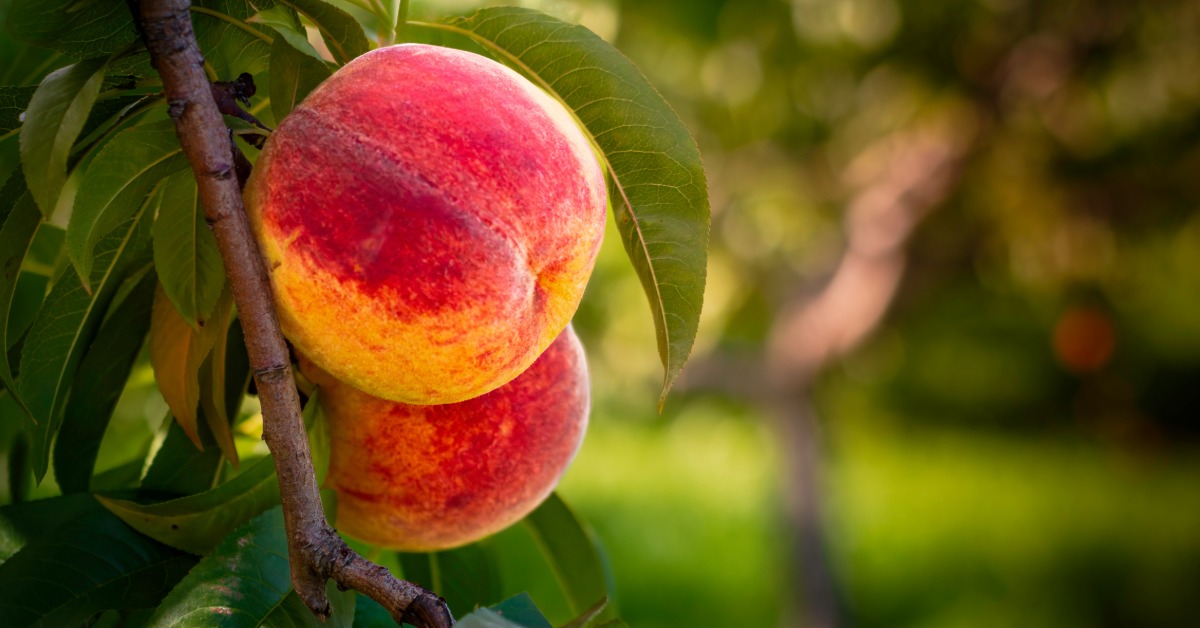
Another fruit plant perfect for a beginner homestead is a peach tree because it will always bring vibrant fruit and a rewarding growing experience. They do best in areas with warm summers, which helps the fruit develop full flavor. With proper care, they produce generous harvests that feel worth the effort.
These trees need some pruning to stay productive, but the process becomes easier with practice. Once you get the hang of it, maintaining a peach tree feels straightforward. The payoff comes in the form of fresh, juicy fruit right from your yard. Choosing disease-resistant varieties can make the process even smoother. That small step reduces common issues and helps your tree stay healthy over time.
Grape Vines for Space Efficiency
Grapes offer a smart solution for growers who want to maximize space. Instead of spreading out, they grow upward on trellises or fences. This vertical growth pattern keeps your garden organized while still producing a large harvest.
Grape vines establish themselves over a few seasons, then begin producing clusters of fruit each year. Once they settle in, they require basic pruning and support. The effort stays manageable, even for beginners.
They also add visual appeal. A trellis covered in grape vines creates a shaded area that feels both functional and inviting. It’s a practical addition that enhances the overall look of your homestead.
Pear Trees for Long-Term Growth
Pear trees bring a steady, long-term option that fits well into beginner plans. They tend to resist many common issues that affect other fruit trees. That resilience makes them easier to manage, especially in the early years.
Like apples, pears benefit from cross-pollination. Planting two compatible varieties can improve fruit production. After establishing themselves in your yard, these trees produce reliable harvests that continue for years.
Pears also store well, which adds another layer of value. You can enjoy your harvest long after the growing season ends. That extended use makes them a practical choice for any homestead.

Citrus Trees for Warm-Climate Gardens
Citrus trees bring bright flavor and year-round interest to a homestead. In warmer climates, they thrive outdoors with minimal effort. In cooler areas, they grow well in containers that can move indoors during colder months.
Lemons, limes, and oranges all offer consistent production once the tree matures. These fruits work well in cooking, drinks, and everyday use. Having fresh citrus on hand adds convenience and variety to your harvest. Their glossy leaves and fragrant blossoms also enhance your space. Citrus trees don’t just produce fruit; they contribute to the overall feel of your garden.
Starting your homestead with the right fruit plants sets you up for long-term success. From berry bushes that produce quickly to fruit trees that grow alongside your experience, each option brings its own rewards. You don’t need a massive space or years of practice to get started, just a willingness to learn as you go.
Plus, you don’t have to stop at the fruit trees above. Explore the many nut trees you can plant alongside fruit plants to create a beautiful and rewarding garden. Take the next step and choose a few plants that fit your vision, then build from there at your own pace.

Leave a Reply