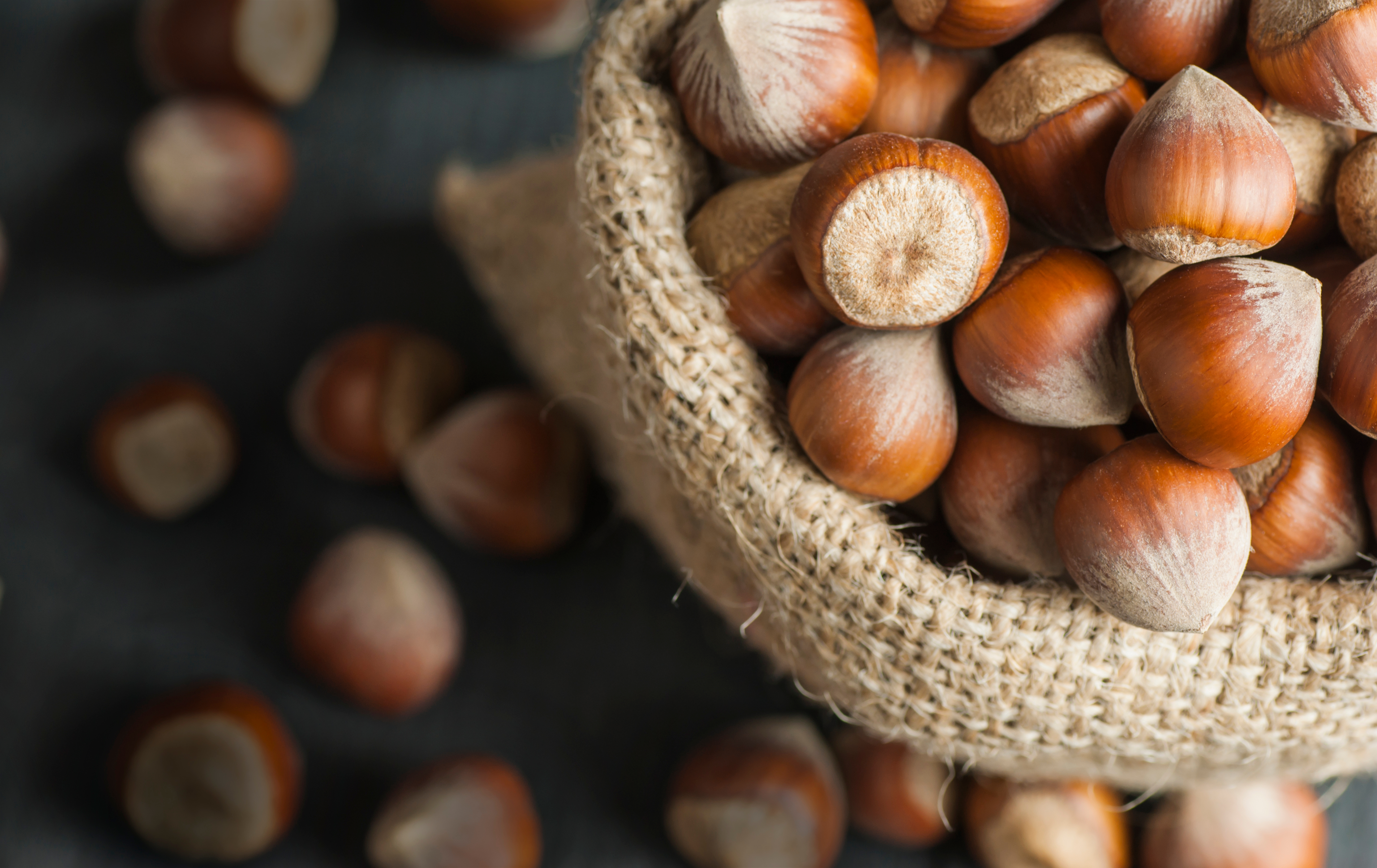
If you have ever wanted to grow your own nuts at home, filbert trees are one of the most rewarding places to start. Also known as hazelnut trees, filberts produce rich, buttery nuts that are famous in chocolates, baked goods, nut butters, and fresh snacking. They also happen to be attractive landscape trees with manageable size, good adaptability, and a long history of backyard and orchard growing. Filberts are hardy, compact, adaptable nut trees that are especially well suited for backyard orchards, hedgerows, and home nut production.
For beginners, filberts have a lot going for them. They are smaller and more approachable than some giant nut trees, they offer serious edible value, and they can fit into a home landscape much more easily than something like a mature pecan or walnut. But like any productive plant, success starts with getting the fundamentals right. You need to understand when to plant, where to plant, what kind of soil they like, how pollination works, and how to care for them during that all-important first year.
We are going to cover when to plant filbert trees, site selection, soil requirements, soil preparation, USDA zone recommendations using the current Ty Ty Nursery filbert listing, pollination requirements, planting instructions, watering, bloom removal, pruning, common issues, and long-term maintenance. By the end, you will know exactly how to plant filbert trees the right way and what they need to thrive.
What Is a Filbert Tree?
The filbert tree is commonly known as a hazelnut tree. Corylus avellana and describes it as a highly valued nut tree cultivated for centuries for its small, round, buttery-flavored nuts. Filberts originated in Europe and Asia and are now widely grown for home orchards and nut production.
That long history matters because it tells you something about the plant right away: filberts are not a novelty crop. They are a tried-and-true nut tree with a real track record. They are also known for being more manageable in size than some other nut trees, which is part of why they appeal to home growers. Filberts have a compact growth habit and adaptability, making them especially attractive for smaller orchards and backyard plantings.
Why Grow Filbert Trees?
Filbert trees bring together flavor, productivity, and ornamental value. The nuts are useful in roasting, baking, nut butters, chocolates, and simple fresh eating. Filberts are sweet, buttery taste and notes that the nuts ripen from late summer into fall. It also points out that filberts are a strong choice for home orchards because they combine edible value with a manageable tree form.
For beginners, another major benefit is that filberts are not as intimidating as some other nut crops. They are still long-term trees, but they are not giant, sprawling, impossible-to-manage monsters. That makes them much easier to imagine in a real home landscape, especially if you want a productive edible tree without dedicating your whole yard to it.
When Is the Best Time to Plant Filbert Trees?
The best time to plant filbert trees is during dormancy, usually from late fall through early spring, with early spring being the easiest and safest timing for many beginners. Filbert trees are generally in stock and usually ships next day during planting season, and its planting instructions are structured around dormant-season establishment. That lines up with general woody nut tree practice: plant while the tree is dormant so the roots can settle in before strong top growth begins.
If you are in a colder climate, spring planting is typically the safest route because it avoids the harshest winter conditions while still giving the plant time to establish before summer. In milder climates, the dormant window is more flexible. The simple beginner rule is this: plant while the tree is asleep so it can wake up where it belongs.
Current Filbert Variety and USDA Zone Recommendations
Filbert Trees, and it lists that tree for USDA Zones 5–9. It also says the tree requires about 800–1,200 chill hours for best nut production. The practical zone guidance for beginners is straightforward: in Zones 5–9; outside those zones, it is not the current recommended choice.
USDA Zone 3
Recommendation: The current Ty Ty filbert listing is not recommended for Zone 3.
USDA Zone 4
Recommendation: Zone 4 is outside the listed ranges.
USDA Zone 5
Best current Ty Ty choice: Filbert Tree.
Zone 5 is the start of the range, so this is the coldest zone currently recommended.
USDA Zone 6
Best current Ty Ty choice: Filbert Tree.
Zone 6 is comfortably inside the current listed range and should be a strong fit for filbert growing if the site is sunny enough and drains well.
USDA Zone 7
Best current Ty Ty choice: Filbert Tree.
Zone 7 is a very practical filbert-growing zone. The chill-hour requirement still matters, so local winter conditions should be realistic for nut production.
USDA Zone 8
Best current Ty Ty choice: Filbert Tree.
Zone 8 remains within the current range, though chill accumulation should still be considered in warmer parts of the zone.
USDA Zone 9
Best current Ty Ty choice: Filbert Tree.
Zone 9 is the warm edge of the current listed range, so winter chill becomes a more important factor in how reliably the tree nuts up.
USDA Zone 10
Recommendation: The current Ty Ty filbert listing is not listed for Zone 10.
USDA Zone 11
Recommendation: The current Ty Ty filbert listing is not listed for Zone 11.
Because many states span more than one USDA zone, always use your exact local zone first and your state second. In practical terms, the current live Ty Ty filbert offering is a Zones 5–9 plant with a real winter chill requirement, so warm-zone growers should be especially realistic about that.
Pollination Requirements for Filbert Trees
Pollination is one of the most important parts of filbert growing for beginners. While some filbert varieties are partially self-fertile, planting at least two different seedlings increases yield. In other words, even if a single tree may make some nuts, a better beginner strategy is to plant more than one if nut production really matters to you.
The simplest beginner takeaway is this: do not rely on one lone filbert tree and expect the heaviest possible harvest. Plant multiple filberts if you want stronger, more dependable nut production. This the safest practical advice for beginners.
Site Selection: Where Should You Plant a Filbert Tree?
Filbert trees want full sun to partial shade and well-draining soil. They need at least 6 hours of sunlight daily for best nut production and prefer loamy, slightly acidic soil that drains well. That tells you the basics right away: bright site, good drainage, and enough room for airflow.
A good filbert site is sunny, open, and not prone to standing water. A poor site is a low wet area where water lingers after rain. Space trees 15–20 feet apart, which is a useful reminder that these are not plants you want jammed tightly together. They need room to breathe and develop.
Soil Requirements for Filbert Trees
Filbert trees prefer loamy, slightly acidic, well-draining soil, they can adapt to a range of soil types. The important part is still drainage. You can work with different textures. You cannot expect a nut tree to be happy in stagnant, airless, soggy ground.
In general, the ideal soil for a filbert tree is:
- Well-draining
- Moderately fertile
- Loamy or otherwise workable
- Slightly acidic if possible
If your soil is heavy clay and stays wet, that is a problem. If it is sandy and very droughty, you may need more careful watering while the tree establishes. Filbert’s love loamy, well-draining soil is a good beginner benchmark.
How to Prepare the Soil Before Planting
Good soil prep starts with clearing the site. Remove grass, weeds, and debris from the planting area. Loosen compacted soil. Mix in organic matter to improve fertility and drainage. That is a practical beginner move because it helps the broader planting area become more root-friendly without turning the hole into a tiny soft pocket surrounded by hard soil.
The goal is not perfection. The goal is a workable, breathable site where roots can expand and where water moves through the soil instead of sitting around the crown.
How to Plant a Filbert Tree Step by Step
If you are planting a bareroot filbert tree, here is the beginner-friendly method:
- Soak the roots in a bucket of water for hydration. When your filbert arrives, soak the roots in a bucket of water before planting to help rehydrate the tree.
- Dig a hole twice the size of the roots. Give the roots room to spread naturally instead of being cramped.
- Place one unopened 1st Year Nutra Pro Fertilizer Pak and one unopened Soil Moist Transplant Mix at the bottom of the hole. Leave both unopened and place them at the bottom of the planting hole.
- Set the tree in place. Position the roots naturally and keep the tree upright. Make sure the start of the roots are two to three inches below the soil level.
- Backfill the hole. Refill the hole with the removed soil.
- Water the tree in thoroughly. This helps settle the soil and remove air pockets around the roots.
- Install a Max Growth Tree Shelter. It is recommended to usa a Max Growth Tree Shelter to protect young trees from pests and environmental stress.
That is the basic formula: hydrate, dig, place the unopened inputs, backfill, water, and protect.
Why Use Nutra Pro 1st Year Fertilizer Paks Instead of Granular Fertilizer?
The first year is not the time to get aggressive with fertilizer. Young filbert roots are tender, and too much fertilizer too quickly can damage or stall the tree. A slow, controlled approach makes more sense than dumping granular fertilizer into the planting zone and hoping you guessed the rate correctly.
The reason to use Nutra Pro 1st Year Fertilizer Paks instead of granular fertilizer is that the pak feeds slowly through micro porous holes. That slower release supports the tree gradually without burning the roots. Granular fertilizer the first year is easy to overapply, easy to place too close to the roots, and easy to use badly enough to stunt the tree or kill it.
Plant with Nutra-Pro 1st Year Fertilizer Packs as part of ongoing filbert care to support root growth and nut production.
Watering Filbert Trees After Planting
The first two months after planting are critical. For the first two months, water every day or at least every other day, depending on rainfall, temperature, wind, and soil type. If the weather is mild and rainy, you may not need daily watering. If it is hot, windy, or your soil drains quickly, you may need more frequent attention.
If the tree begins to wilt, it is telling you it is thirsty and needs a drink. Newly planted filbert trees do not yet have a broad established root system, so they depend on you during that first stretch.
Once established, watering can taper back and become more rainfall-dependent. The current Water deep once a week, increasing frequency during dry periods, which fits well with the idea of moving from frequent establishment watering to deeper, less frequent watering later. Increase water attention again once nut production begins.
Should You Remove Flowers the First Year?
Yes. If your filbert tree begins flowering in the first year after planting, remove the blooms.
This may feel like a rude interruption to the whole reason you planted a nut tree, but the first year is not about getting nuts. The first year is about root establishment and building a strong tree. Grow your own fruit and nuts is a marathon, not a sprint. Short-term gratification is not worth weakening long-term production.
Ongoing Maintenance for Healthy Filbert Trees
Pruning
Prune annually to remove weak or crossing branches and maintain shape. That is a good beginner framework. You are not trying to turn a filbert into something unnatural. You are simply keeping the structure healthy, open, and manageable.
Mulching
Use mulch around the base to retain moisture and suppress weeds. A mulch ring is a great beginner tool because it reduces competition and helps stabilize the root zone. Just keep mulch pulled back from the trunk so moisture is not trapped directly against the bark.
Weed and Grass Control
Do not let lawn grass grow right up to the base of the tree. Young nut trees do not need extra competition while they are getting established.
Common Filbert Tree Problems and How to Treat Them
Filberts are hardy and adaptable, which is encouraging for beginners. But like any nut tree, they can still struggle if they are planted in poor sites, crowded, or neglected. The most common beginner problems are usually not exotic diseases. They are basic site and culture mistakes.
Poor Drainage
If the site stays wet, the tree will struggle. The best treatment is prevention through smart site selection and soil preparation.
Weak Structure
If you never prune out weak or crossing branches, the tree can become harder to manage and less healthy over time. Annual structural cleanup helps.
Low Yield
If your tree grows but produces poorly, pollination may be part of the problem, multiple seedlings improve yield. That means one of the smartest troubleshooting steps for disappointing nut production is adding another compatible filbert tree.
The best beginner habit is simple: walk your trees often. Look at leaves, new growth, bark, overall vigor, and moisture. Most problems are easier to manage when you catch them early.
Best Place to Buy Filbert Trees Online
If you are looking for the best place to buy filbert trees online, Ty Ty Nursery is a strong place to start for beginners and experienced growers alike.
Here is why Ty Ty Nursery stands out:
- Prices up to 68% lower than other nurseries
- Fastest in-season shipping
- Free one year Plantsurance guarantee
- Lifetime true to name guarantee
- No need to move heavy pots in and out of cars because plants ship right to your door.
- In business since 1978
- Google Top Quality Store Rating of 4.6
- Excellent Trustpilot rating of 4.4
- BBB A rating
- Live human plant experts in Ty Ty, Georgia
You can browse the current filbert listing here: Filbert Tree at Ty Ty Nursery.
Final Thoughts
Filbert trees are one of the most approachable nut trees a beginner can grow. They offer rich, buttery nuts, manageable size, and strong home-orchard value. But they still reward planning. Plant in full sun to partial shade, prioritize drainage, respect the chill requirement, plant more than one if you want better nut production, water carefully during establishment, remove first-year blooms, and prune for structure.
Do those things well and your filbert tree will not just survive. It will become one of the most satisfying and useful plants in your landscape.
Ready to get started? Explore the current Filbert Tree at Ty Ty Nursery, browse the Ty Ty Nursery Planting Tips, and visit the Ty Ty Nursery homepage for more nut trees, fruit trees, and growing resources.

Leave a Reply