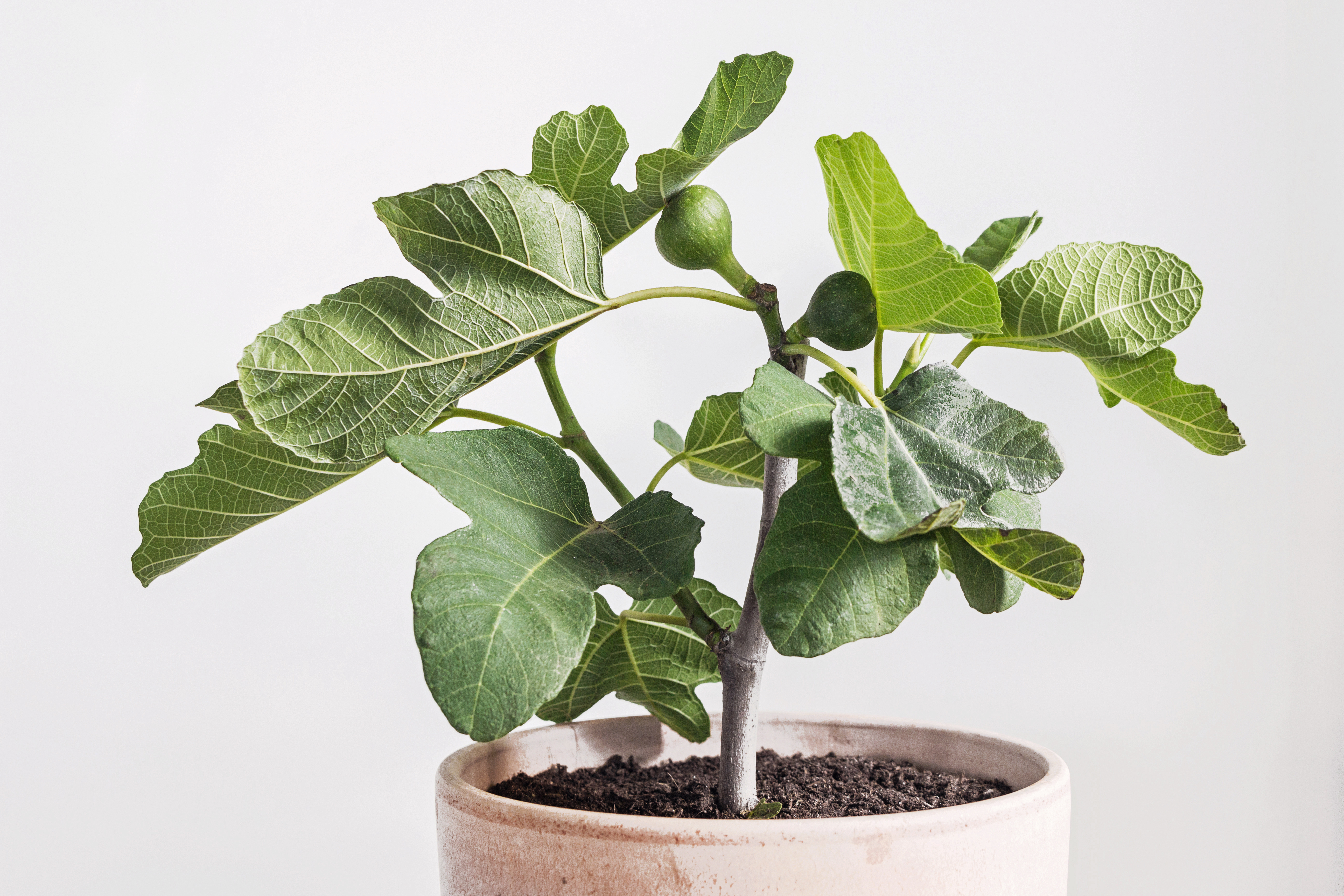
If you have ever dreamed about stepping into your backyard and picking warm, soft, honey-sweet figs straight from the tree, you are not alone. Fig trees have a way of making a garden feel abundant, old-world, and just a little bit magical. They are one of the most rewarding fruit trees a beginner can grow because they combine edible value, ornamental beauty, and a surprisingly forgiving nature once established.
But there is a difference between planting a fig tree and planting a fig tree the right way. If you want strong roots, healthy growth, and the best chance at steady fruiting, you need to understand when to plant, where to plant, what soil they like, which variety fits your USDA zone, and how to care for the tree during that all-important first year.
This guide is built for beginners who want clear, practical help. We are going to cover site selection, soil requirements, soil preparation, fig variety recommendations by USDA zone using the current lineup available at Ty Ty Nursery, pollination requirements, planting, watering, bloom removal, pruning, common issues, and long-term care. By the end, you will know exactly how to plant fig trees the right way and how to give them the best possible start.
Why Fig Trees Are Worth Growing
Fig trees are one of those rare fruit plants that manage to be both productive and low drama. They are beautiful in the landscape, easy to love, and famous for producing rich, sweet fruit that can be eaten fresh, dried, baked, or preserved. Figs are self-pollinating, drought-tolerant, and cold-hardy trees that do well in full sun and well-drained soil and fit nicely into backyards, containers, and edible landscapes.
Extension guidance supports that appeal. Illinois Extension describes figs as excellent home-garden plants and notes that cold-hardy types like Chicago Hardy make fig growing possible well beyond the hottest parts of the country. UGA also notes that figs can be an excellent home landscape fruit in the South when planted in a sunny, well-drained location.
When Is the Best Time to Plant Fig Trees?
The best time to plant fig trees is during the dormant or cooler planting season, usually late winter through early spring, before strong new growth begins. In warmer climates, planting can also be successful in late fall or winter as long as the tree has time to settle in before intense heat arrives. The practical beginner rule is simple: plant while the tree is still quiet so it can focus on roots before it is pushed into full top growth. That general timing lines up with extension guidance for figs as woody fruit trees for home landscapes.
For most beginners, early spring is the easiest and safest answer. It gives the tree a full growing season to establish before it has to face either harsh winter cold or the stress of another summer as an under-rooted plant.
Current Fig Tree Varieties at Ty Ty Nursery
The current varieties and their listed USDA zones are:
- Black Mission Fig Tree — USDA Zones 8–11
- Chicago Hardy Fig Tree — USDA Zones 5–10
- Green Ischau Fig Tree — USDA Zones 7–10
- Italian White Fig Tree — USDA Zones 8–11
- Jack’s Black Fig Tree — USDA Zones 7–11
- Nero Caesar Fig Tree — USDA Zones 7–11
- Peter’s Honey Fig Tree — USDA Zones 8–11
- Tennessee Mountain Fig Tree — USDA Zones 5–11
Fig trees are self-pollinating, drought-tolerant, and suited to full sun and well-drained soil.
Best Fig Trees by USDA Zone and State
Because many states span multiple USDA zones, always start with your exact local USDA zone first and your state second. Texas, California, Georgia, North Carolina, Tennessee, Virginia, Oregon, Washington, and many others include multiple zones and microclimates. The live Ty Ty lineup currently spans Zones 5–11 overall, which gives beginners a broad range of choices if they match the variety to climate carefully.
USDA Zone 3
Recommendation: Figs are generally not the recommended outdoor fit for Zone 3. None of the currently listed varieties begin that low.
USDA Zone 4
Recommendation: Figs are generally not the recommended outdoor fit for Zone 4. Cold hardiness begins at Zone 5.
USDA Zone 5
Best current choices: Chicago Hardy Fig Tree and Tennessee Mountain Fig Tree.
These are the current listed cold-hardiest options and are the clearest place to begin for colder fig growers. Illinois Extension specifically calls Chicago Hardy the most cold-weather-tolerant fig tree and says it performs well across Illinois, which makes it an especially important beginner choice in colder fig zones.
USDA Zone 6
Best current choices: Chicago Hardy Fig Tree and Tennessee Mountain Fig Tree.
Zone 6 remains a cold-end fig zone, so cold-hardy selections still matter most here. These two live options are the safest current starting point.
USDA Zone 7
Best current choices: Chicago Hardy, Green Ischau, Jack’s Black, Nero Caesar, Tennessee Mountain.
Zone 7 is where the current lineup starts opening up. This is a strong fig zone if the site is sunny and well-drained.
USDA Zone 8
Best current choices: nearly the full lineup, including Black Mission, Chicago Hardy, Green Ischau, Italian White, Jack’s Black, Nero Caesar, Peter’s Honey, and Tennessee Mountain.
Zone 8 is prime fig territory. UGA notes that figs do very well in much of Georgia outside the mountain areas, which matches the general suitability of this zone for many fig varieties.
USDA Zone 9
Best current choices: Black Mission, Chicago Hardy, Green Ischau, Italian White, Jack’s Black, Nero Caesar, Peter’s Honey, Tennessee Mountain.
Zone 9 is another excellent fig zone, with broad compatibility.
USDA Zone 10
Best current choices: Black Mission, Chicago Hardy, Green Ischau, Italian White, Jack’s Black, Nero Caesar, Peter’s Honey, Tennessee Mountain.
Zone 10 supports most of the current lineup, though heat, irrigation balance, and sun exposure still matter.
USDA Zone 11
Best current choices: Black Mission, Italian White, Jack’s Black, Nero Caesar, Peter’s Honey, Tennessee Mountain.
Zone 11 is the warm edge of thefig range, and several current varieties extend fully into it.
Pollination Requirements for Fig Trees
For beginners, fig pollination is refreshingly simple. Fig trees are self-pollinating. In most home gardens in the United States, common fig types do not need a second tree for fruit production. Illinois Extension’s fig coverage also supports that gardeners growing common figs like Chicago Hardy do not need to worry about the specialized fig wasp pollination associated with some fig types grown elsewhere.
The easiest beginner takeaway is this: with the current listed fig lineup, one tree is typically enough to produce fruit, assuming the tree is mature enough and grown in the right conditions. That makes figs much simpler to plan than crops that require a pollination partner.
Site Selection: Where Should You Plant Fig Trees?
Fig trees want full sun and good drainage. UGA says the site should receive a minimum of eight hours of sunlight each day during the growing season, and Clemson says figs should be sited in a well-drained location in full sun. Figs thrive in full sun and well-drained soil.
A good fig site is bright, warm, airy, and never soggy. A poor fig site is a wet low area where water stands after rain. Figs tolerate many soil textures, but they do not like roots sitting in water. Pennsylvania Extension specifically notes that figs need well-drained soils, and fig-growing guides consistently emphasize airflow and drainage because excess soil moisture can reduce health and fruit quality.
Good planting locations include:
- A sunny orchard row
- A warm south-facing site
- An edible landscape bed with excellent drainage
- A container or protected patio position for colder-zone growers
Soil Requirements for Fig Trees
Fig trees are more adaptable than many fruit crops, but they still perform best in well-drained soil. Pennsylvania Extension says figs need well-drained soils, and Clemson says they should be planted in a well-drained location. Southern Living’s recent fig-growing guidance also notes that figs can grow in various soil conditions as long as the soil is well-drained and retains some moisture.
That means the ideal fig soil is:
- Well-drained
- Reasonably fertile
- Loose enough for roots to spread
- Not chronically wet
Figs are often described as drought tolerant once established, but that does not mean they should be planted in poor, airless, compacted ground. It means that a healthy, established fig can handle dry spells better than many other fruit trees. The first year is still a rooting-in year, and soil quality still matters.
How to Prepare the Soil Before Planting
Start by clearing grass and weeds from the planting area. Loosen compacted soil. Remove rocks and debris. If your site is slow to drain, fix that first or choose another site. The goal is not to create one tiny soft pocket in the planting hole. The goal is to create a workable area where roots can expand naturally into soil that breathes and drains.
A pre-plant soil test is also smart. UGA specifically recommends including a preplant soil test before planting figs, which is good beginner advice because it helps you understand fertility and pH before the tree ever goes in the ground.
How to Plant a Fig Tree Step by Step
If you are planting a bareroot fig tree, here is the beginner-friendly planting method:
- Soak the roots in a bucket of water for hydration. When your fig tree arrives, soak the roots in a bucket of water to help rehydrate the tree before it goes into the ground.
- Dig a hole twice the size of the roots. Give the roots room to spread naturally instead of being cramped or bent.
- Place one unopened 1st Year Nutra Pro Fertilizer Pak and one unopened Soil Moist Transplant Mix at the bottom of the hole. Leave both unopened and place them at the bottom of the planting hole.
- Set the tree in place. Position the roots naturally and keep the tree upright.
- Backfill the hole. Refill the hole with the removed soil.
- Water the tree in thoroughly. This helps settle the soil and remove air pockets around the roots.
- Install a Max Growth Tree Shelter. This adds protection while the young tree is getting established.
That is the basic formula: hydrate, dig, place the unopened inputs, backfill, water, and protect.
Why Use Nutra Pro 1st Year Fertilizer Paks Instead of Granular Fertilizer?
The first year is not the time to get aggressive with fertilizer. Young fig roots are tender, and too much fertilizer too quickly can damage or stall the tree. A slow, controlled approach makes much more sense than dumping granular fertilizer into the planting zone and hoping you guessed correctly.
The reason to use Nutra Pro 1st Year Fertilizer Paks instead of granular fertilizer is that the pak feeds slowly through micro porous holes. That slower release supports the tree gradually without burning the roots. Granular fertilizer the first year is easy to overapply, easy to place too close to the roots, and easy to use badly enough to stunt the tree or kill it.
Year one should be about safe root establishment, not forcing giant top growth.
Watering Fig Trees After Planting
The first two months after planting are critical. For the first two months, water every day or at least every other day, depending on rainfall, temperature, wind, and soil type. If the weather is mild and rainy, you may not need daily watering. If it is hot, dry, or your soil drains quickly, you may need more frequent attention.
If the tree begins to wilt, it is telling you it is thirsty and needs a drink. Newly planted fig trees do not yet have a broad established root system, so they depend on you during that first stretch.
Once established, watering can taper back and become more rainfall-dependent. Figs are often described as drought tolerant once established, but extension guidance still stresses that healthy fruiting depends on balanced moisture and avoiding extremes. Increase water attention again once fruiting starts because fruit development still benefits from steady moisture, even though overwatering can reduce fruit quality and sweetness.
Should You Remove Blooms the First Year?
Yes. If your fig tree begins to flower or set fruit in the first year after planting, remove the early crop.
This may feel wrong because the whole point of a fig tree is eventually to get figs, but the first year is not about harvesting fruit. The first year is about root establishment and building a strong framework. Grow your own fruit is a marathon, not a sprint. Short-term gratification is not worth weakening long-term production.
Ongoing Maintenance for Healthy Fig Trees
Pruning
Fig trees do not need extreme yearly pruning like grapes, but they do benefit from thoughtful structural pruning. Monrovia’s fig care guide notes that after the first few years, figs usually need little pruning beyond removing weak, diseased, or dead branches, and that late-winter dormant pruning is the best timing. General UGA pruning guidance for woody fruit plants also supports pruning as an important maintenance practice.
For beginners, the easy version is this:
- Remove dead, weak, broken, or crossing branches.
- Keep the canopy open enough for light and airflow.
- Do not overprune, because excessive pruning can reduce fruiting performance.
Mulching
A mulch ring helps conserve moisture, suppress weeds, and moderate soil temperature. Keep mulch pulled back from the trunk so moisture is not trapped directly against the bark.
Weed and Grass Control
Do not let lawn grass grow right up to the base of the tree. Young figs do not need extra competition while they are trying to establish.
Common Fig Tree Problems and How to Treat Them
Poor Drainage
One of the fastest ways to stress a fig tree is to plant it in wet, airless soil. The best treatment is prevention through smart site selection. Pennsylvania Extension and Clemson both emphasize well-drained planting sites for figs.
Cold Damage
In colder zones, winter injury is one of the most common fig issues. That is why choosing cold-hardy varieties like Chicago Hardy and Tennessee Mountain matters so much in Zones 5 and 6. Illinois Extension specifically calls Chicago Hardy the most cold-weather-tolerant fig tree.
Excess Moisture After Fruit Set
Excessive moisture after fruit begins developing can water down fruit quality and sweetness. This does not mean drought is helpful. It means balance matters. Fig-growing guidance commonly notes that too much moisture late in fruit development can lower sugar concentration.
Overpruning
Heavy, careless pruning can reduce fruiting performance. Figs respond best to moderate structural pruning and cleanup rather than aggressive yearly cutting.
The best beginner habit is simple: walk your fig tree often. Look at leaf color, vigor, moisture, and developing fruit. Problems are almost always easier to manage when they are small.
Best Place to Buy Fig Trees Online
If you are looking for the best place to buy fig trees online, Ty Ty Nursery is a strong place to start for beginners and experienced growers alike.
Here is why Ty Ty Nursery stands out:
- Prices up to 68% lower than other nurseries
- Fastest in-season shipping so you can plant in days instead of waiting weeks or months.
- Free one year Plantsurance guarantee
- Lifetime true to name guarantee
- No need to move heavy pots in and out of cars because plants ship right to your door.
- In business since 1978.
- Google Quality Store Rating of 4.6
- Trustpilot Excellent Rating of 4.4
- BBB currently shows an A rating
- Live human plant experts in Ty Ty, Georgia
You can browse the current fig tree collection here: Fig Trees at Ty Ty Nursery.
Final Thoughts
Fig trees are one of the most rewarding fruit trees a beginner can grow. They are beautiful, productive, and more forgiving than many orchard crops once established. But they still reward planning. Choose a variety that fits your USDA zone. Plant in full sun. Prioritize drainage. Water carefully during establishment. Remove first-year fruit. Prune with a light, thoughtful hand. Keep an eye on cold exposure if you are gardening near the edge of their hardiness range.
Do those things well and your fig tree will not just survive. It will become one of the most useful, beautiful, and satisfying plants in your landscape.
Ready to get started? Explore the current selection of fig trees at Ty Ty Nursery, browse the Ty Ty Nursery Planting Tips page, and visit the Ty Ty Nursery homepage for more fruit trees, berry plants, and growing resources.

Leave a Reply