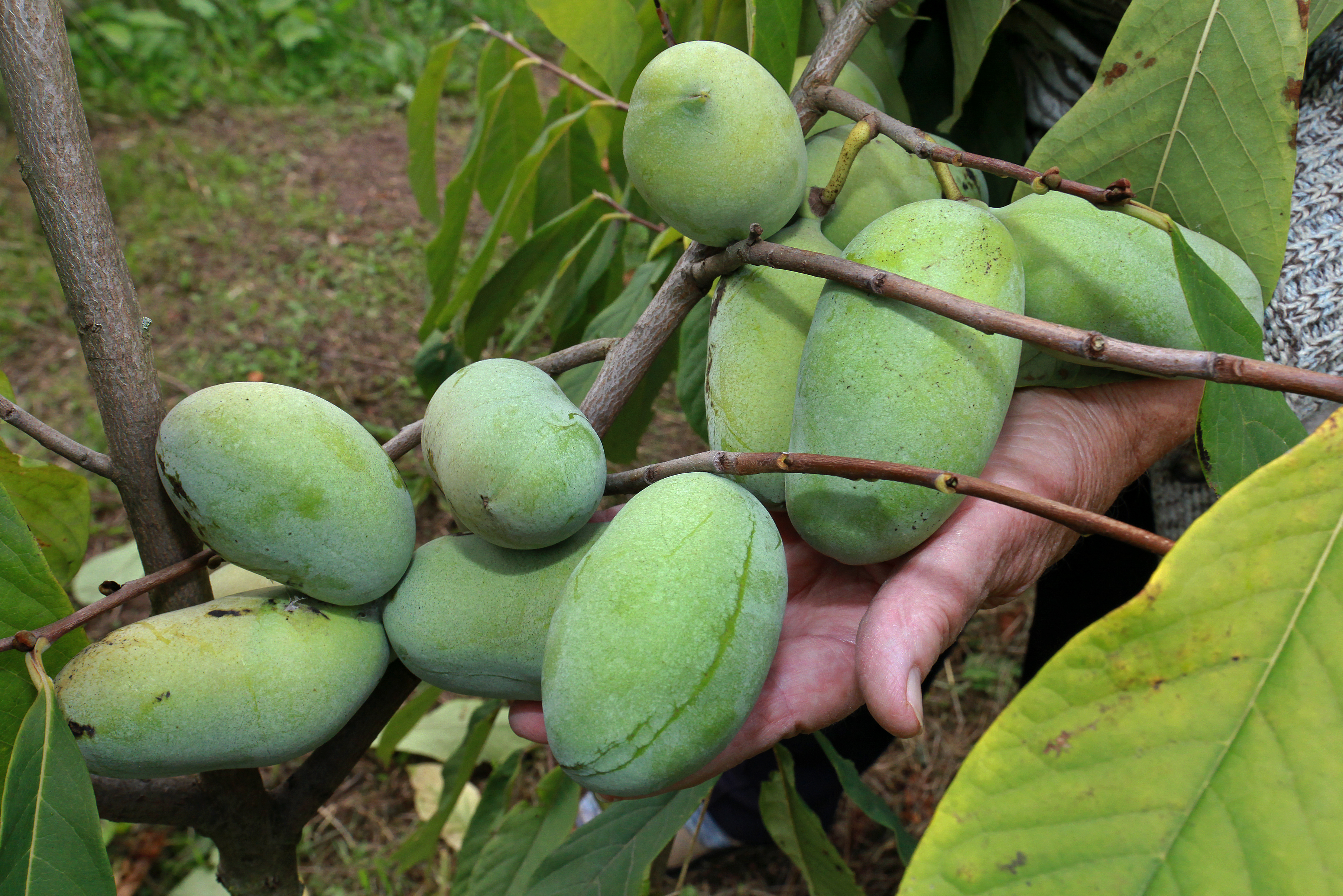
If you have never tasted a ripe paw paw fruit, you are missing one of the most interesting fruits native to North America. Paw paw fruit has that rich, creamy, tropical flavor people always talk about. Some folks say it tastes like banana, mango, and vanilla all rolled into one. And once you have had a good one, you understand why paw paw trees have such a loyal following.
At Ty Ty Nursery, we like paw paw trees because they feel like a real backyard treasure. They are native, unusual, beautiful, and rewarding. They also give gardeners something different from the usual peaches, apples, and pears. If you want a fruit tree that makes people stop and ask, “What is that?” paw paw is a strong choice.
Paw paw trees are not hard to grow if you understand what they want. They do have a few important rules. They need the right USDA zone. They need enough chill. They need pollination partners. And they need smart first-year care. Get those basics right, and you can set yourself up for real long-term success.
This guide covers everything a beginner needs to know about how to plant paw paw trees. We are going to go over when to plant paw paw trees, site selection, soil requirements, soil preparation, variety recommendations using the varieties Ty Ty Nursery offers, pollination, how to plant step by step, watering, why Nutra Pro 1st Year Fertilizer Paks make more sense than granular fertilizer the first year, first-year bloom removal, pruning, common issues, and why Ty Ty Nursery is the best place to buy paw paw trees online.
Why Paw Paw Trees Are Worth Planting
Paw paw trees are special because they give you a tropical-flavored fruit on a tree that is actually native to North America. That alone makes them different. Paw paw fruit as creamy and custard-like with banana, mango, and vanilla flavor notes, and the category page currently lists Allegheny, Select Paw Paw, and Shenandoah as the live paw paw lineup. They are all currently listed for USDA Zones 5 through 10.
For home gardeners, that means paw paw trees are not just novelty plants. They are real orchard trees with real eating value. They also bring ornamental value with large lush leaves and a distinct tropical look that does not feel ordinary at all.
When Is the Best Time to Plant Paw Paw Trees?
The best time to plant paw paw trees depends on your USDA zone, but the simple rule is this: plant when the soil is workable, when the tree can focus on rooting in, and before extreme heat arrives. Planting too early into frozen soil or too late into heat can slow establishment and set the tree back.
Paw paw trees should be planted in USDA Zone 5, so Zones 3 and 4 are not appropriate for reliable in-ground success.
Here is the simplest beginner breakdown:
- Zones 3 to 4: Not appropriate for paw paw varieties.
- Zone 5: Early spring is usually the safest and smartest planting window.
- Zones 6 to 7: Late winter through spring is a strong planting window.
- Zones 8 to 10: Late fall through early spring can work well, as long as you avoid heat stress.
Paw paws also need about 400 chill hours. So, they are a much better match for areas with cool to moderate winters than for truly tropical climates with almost no winter chill.
Best Site Selection for Paw Paw Trees
Site selection matters a lot with paw paw trees. This is one place where beginners can make life easier or harder on themselves right from the start.
Young Paw Paws Appreciate Protection
Paw paw trees must be planted under partial shade of other trees, or planted in the open only if they are grown under shade cloth for a couple of seasons. Once established, the tree can lose that sensitivity to full sunlight and the shade protection can be removed. That is a very important point for beginners because it is not how most fruit trees are discussed.
Young paw paw trees like some protection at first. A blazing wide-open site with no relief at all is not ideal during early establishment unless you are giving them temporary shade support.
Older Trees Want Good Light
Once a paw paw is established, it can handle more sun and you generally want enough light for stronger growth and better fruit production. So think of this as a two-stage process: protect while young, open them up more as they mature.
Drainage Still Matters
Paw paw trees like moisture, but they do not want roots rotting in stagnant water. Choose a site with workable, moisture-retentive soil that still drains. They are not swamp plants.
Give Them Room and Airflow
Good airflow helps foliage dry out and reduces disease pressure. And since you will want more than one paw paw tree for pollination anyway, planning spacing from the beginning is smart.
Soil Requirements for Paw Paw Trees
The best soil for paw paw trees is loose, fertile, well-drained soil that holds moisture without staying waterlogged. Young paw paws have shallow roots and need consistent moisture during establishment, which tells you right away that bone-dry, hard-baked soil is not what you are aiming for.
Good paw paw soil should have a few simple qualities:
- Moist but not soggy
- Loose enough for root expansion
- Reasonably fertile
- Able to support shallow young roots without drying out too fast
- Well drained
If your soil is sandy, pay closer attention to moisture. If your soil is clay, pay closer attention to drainage and compaction. Either way, the goal is a root zone that stays evenly supportive while the tree gets established.
How to Prepare the Soil Before Planting
Start by clearing grass, weeds, and debris from the planting area. Turfgrass is one of the biggest hidden competitors young fruit trees face. It steals moisture and nutrients fast, and that is especially unhelpful for a tree like paw paw that already needs careful establishment.
Next, dig a hole twice the size of the roots. That wider planting hole matters because it loosens the surrounding soil and makes it easier for the new roots to expand outward. You are not just digging a hole for the tree to sit in. You are creating an easier launch zone for root growth.
If the soil is compacted, break up that compaction. If the site dries out quickly, understand that your watering discipline will matter even more. If the site stays wet, make sure the roots are not being placed into a stagnant mess. The whole point is to give the tree a fair start.
Paw Paw Variety Recommendations by USDA Zone and Region
Ty Ty Nursery offers three varieties: Allegheny TM Paw Paw Tree, Paw Paw Tree which is the Select Paw Paw, and Shenandoah Paw Paw Tree. All three are currently shown for USDA Zones 5 through 10. Allegheny, Select, and Shenandoah paw paws each require about 400 chill hours.
Zone 5
Zone 5 is the coldest reliable zone for paw paw trees. In Zone 5, Allegheny, Select Paw Paw, and Shenandoah are all fair choices because they are all listed for this zone. In cooler parts of Zone 5, site choice becomes more important, and early spring planting usually makes the most sense.
States where Zone 5 paw paw growing can apply include parts of Missouri, Kentucky, Virginia, West Virginia, Maryland, Pennsylvania, New Jersey, southern Ohio, Indiana, Illinois, and similar climates where the winter chill requirement is met.
Zones 6 to 7
This is a very comfortable range for paw paw trees. Allegheny, Select, and Shenandoah all fit here, and this is where a lot of backyard growers can really succeed if they respect the young tree’s need for moisture and early protection. These zones cover a big part of the Mid-Atlantic, lower Midwest, upper South, and many inland Southern regions.
Zones 8 to 10
These varieties need about 400 chill hours, so they are a better fit for areas in Zones 8 to 10 that still provide enough winter chill rather than truly tropical low-chill climates.
Simple Beginner Pairings
- Allegheny + Shenandoah
- Allegheny + Select Paw Paw
- Shenandoah + Select Paw Paw
If you want the easiest beginner answer, plant two different varieties. That gives you the pollination setup you need and a better chance at strong fruit production.
Pollination Requirements for Paw Paw Trees
This is the part beginners absolutely should not skip. Paw paw pollination is not optional. You need more than one tree for fruit production. The guide specifically says planting different varieties together improves fruit size and overall production.
- Allegheny is not self-pollinating and recommended companions include Shenandoah or Select Paw Paw.
- Select Paw Paw is not self-pollinating and should be planted with another paw paw tree nearby.
- Shenandoah is not self-pollinating and recommended companions include Allegheny or Select Paw Paw.
So the simplest possible beginner advice is this: do not plant only one paw paw tree if you want fruit. Plant at least two, and preferably plant two different varieties.
How to Plant a Paw Paw Tree Step by Step
Now let’s get into the actual planting process.
When your bare root paw paw tree arrives, start by soaking the roots in clean water for 4 to 12 hours before planting, and not longer than 24 hours. That soaking step helps rehydrate the roots after shipping, wake the tree from dormancy, and reduce transplant shock.
- Soak the roots in a bucket for hydration. A 4 to 12 hour soak before planting is a smart target.
- Dig a hole twice the size of the roots. A wider planting hole helps roots spread naturally.
- Place a 1st Year Nutra Pro Fertilizer pak and a soil moist transplant mix at the bottom of the hole unopened. This gives the tree slow, steady support during establishment.
- Set the tree in the hole. Keep it straight and arrange the roots naturally instead of cramming them in.
- Back fill the hole with soil. Firm gently to remove major air pockets.
- Water the tree in thoroughly. That first deep watering settles the soil around the roots, removes air pockets, and gets moisture to the full depth of the root zone.
- Install a Max Growth Tree Shelter. This helps protect the new tree and supports better early establishment.
This planting method works because it focuses on the basics that matter most: hydration, low stress, and root establishment.
Why Use Nutra Pro 1st Year Fertilizer Paks Instead of Granular Fertilizer?
The first year is not about forcing top growth. It is about protecting the roots and getting the tree established correctly.
Nutra Pro 1st Year Fertilizer Paks are the better choice because the paks have micro prous holes that feed the tree super slow over time. That slow release matters because young roots are tender. They do not need a heavy blast of nutrients all at once.
Granular fertilizer in the first year is very easy to overdo. And when it gets overdone, young roots can burn. Burned roots mean stress, slowed growth, and in a worst case, a dead tree. A little patience in year one is worth much more than trying to rush the tree with fertilizer.
In simple terms:
- Nutra Pro: slow, steady, safer first-year feeding
- Granular fertilizer: easier to overapply and easier to burn young roots
That is why I always favor the slower, safer route for newly planted trees.
Ongoing Watering After Planting
Young paw paws have shallow roots and need careful attention during their first summer, and it specifically emphasizes consistent, thorough watering.
For the first two months, water your paw paw tree every day or at least every other day, depending on rainfall. That is the critical establishment window. Young paw paws need steady moisture while they root in.
If the tree begins to wilt, it is telling you it is thirsty and needs a drink. That is about as clear as tree language gets.
Once established, your watering can taper back and depend more on rainfall and site conditions. But when fruiting begins in later years, water demand increases again. Fruit production takes moisture.
Simple Watering Plan
- Water deeply right after planting
- For the first two months, water daily or every other day depending on rainfall
- Watch for wilting as a thirst signal
- Adjust based on weather and soil type
- Increase support once fruiting begins
Remove First-Year Flowers
If your new paw paw tree flowers in the first year, remove the blooms.
I know that is not what people want to hear. Everyone wants fruit fast. But the first year after planting should be about root establishment, not fruit production. You want the tree focusing its energy underground and into basic structure, not trying to carry fruit before it is ready.
Grow your own fruit is a marathon, not a sprint. Short-term gratification is not worth long-term production problems.
Ongoing Maintenance for Paw Paw Trees
Mulching
A light mulch ring can help conserve moisture and suppress weeds. Just keep the mulch pulled back from the trunk so the bark does not stay constantly wet.
Weed Control
Keep the base of the tree clear of grass and weeds, especially in the first few years. Young paw paws should not have to compete with turfgrass for water and nutrients.
Protection
A Max Growth Tree Shelter helps protect the new tree, and because young paw paws appreciate extra protection during establishment, that is a very sensible step.
How to Prune Paw Paw Trees
Paw paw trees naturally have a pyramid-like shape with a central leader and large leaves that can create dense shade. It also says regular pruning helps improve airflow, sunlight penetration, and fruit production while keeping the tree manageable.
That means pruning paw paws is more about shaping and cleaning than hacking them back.
Basic Pruning Goals
- Remove dead or damaged wood
- Remove weak or crossing branches
- Improve airflow
- Help sunlight reach the interior of the tree
- Maintain a strong, manageable structure
Paw paws do not need wild over-pruning. They need thoughtful structure and yearly maintenance.
Common Paw Paw Tree Problems and How to Handle Them
Transplant Shock
Some slowdown after planting is normal. Paw paws can spend more time establishing roots than showing fast top growth right away. Stay steady with watering and do not try to push them too hard.
Sun Stress on Young Trees
This is one of the more unique paw paw issues. Young trees can be sensitive to full, harsh sun, which is why partial shade or temporary shade cloth is important during establishment.
Wilting
Wilting usually means water stress. Check the soil and respond quickly. Young paw paws are not a “water whenever I remember” tree in the first year.
Poor Growth
If the tree seems stalled, go back to the basics: enough moisture, enough protection while young, good drainage, and no fertilizer burn.
Pests and Disease
Paw paws as easy to grow and naturally pest-resistant, and that is part of why so many growers like them. But even an easier tree still benefits from airflow, cleanup, and proper care.
Where Is the Best Place to Buy Paw Paw Trees?
If you are ready to buy paw paw trees online, I believe the best place to start is Ty Ty Nursery.
Here is why:
- Prices up to 68% lower than other nurseries
- Fastest in-season shipping so you can plant in days the Ty Ty way and not wait weeks or months with the other guys
- Free one year Plantsurance guarantee
- Lifetime true-to-name guarantee
- No need to move heavy pots in and out of cars because the trees ship right to your door
- Been in business since 1978
- Google Top Quality Store recognition
- Excellent Trustpilot rating by verified customers
- BBB A rating
- Live human plant experts in Ty Ty, GA and no outsourced overseas customer service
You can shop paw paw trees here: https://www.tytyga.com/Paw-Paw-Trees-s/1862.htm
You can also read more growing content here: https://blog.tytyga.com
Final Thoughts
If you are a beginner and want a fruit tree that feels truly special, paw paw trees are one of the best choices you can make. They are native, unusual, beautiful, and incredibly rewarding once you understand what they need.
Choose the right zone. Respect the chill requirement. Plant more than one variety for pollination. Protect young trees while they establish. Soak the roots before planting. Dig a hole twice the size of the roots. Place a 1st Year Nutra Pro Fertilizer pak and a soil moist transplant mix at the bottom of the hole unopened. Back fill, water it in thoroughly, and install a Max Growth Tree Shelter.
Then stay steady. Water every day or every other day for the first two months depending on rainfall. Remove first-year blooms. Focus on roots first. Do that, and you give your paw paw tree the kind of start that leads to years of strong growth and fruit.
And when you are ready to plant, shop paw paw trees at Ty Ty Nursery.

Leave a Reply