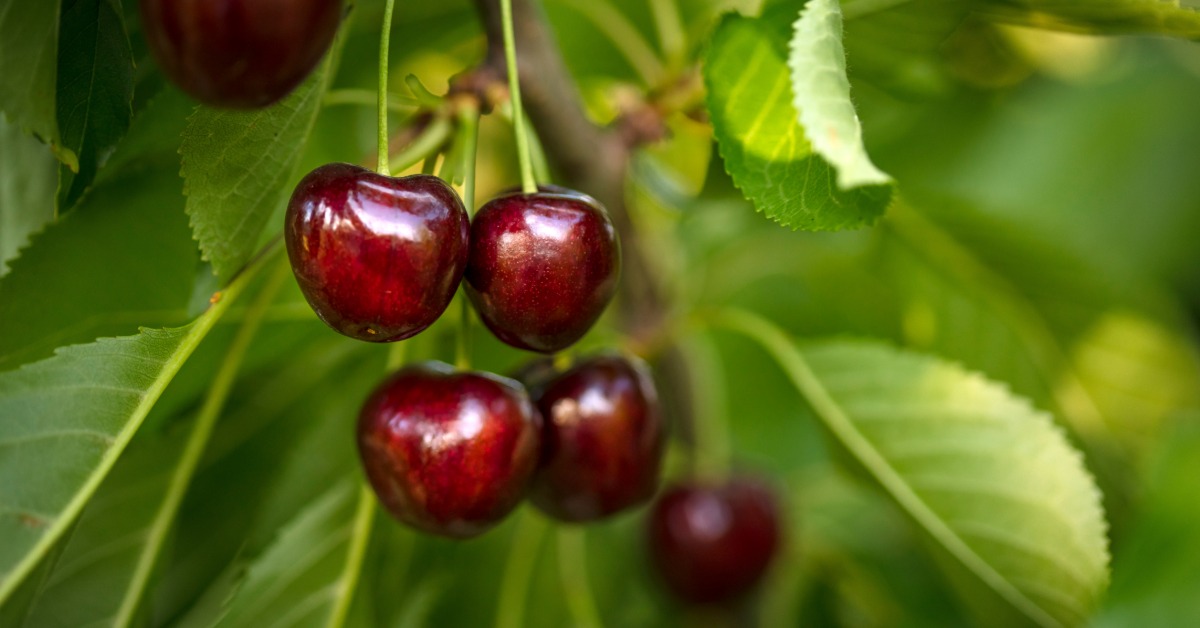
Cherry trees bring color, shade, and sweet harvests to a yard, which makes them a favorite for home growers across the country. A strong start begins below the surface, where soil quality shapes how well a tree settles in and thrives over time. The best soil conditions for growing cherry trees boil down to a balance of texture, drainage, nutrients, and structure.
When those pieces come together, trees establish faster and produce more consistent fruit. If you’re planning to add a cherry tree to your space, now is a great time to set the foundation right. Take a closer look at what your soil offers and make a few adjustments before planting.
Soil Quality Matters for Cherry Trees
Cherry trees depend on their roots to gather water, oxygen, and nutrients from the soil. When the soil falls short in any of those areas, growth slows and fruit quality drops. A tree may still survive, though it won’t reach its full potential.
Healthy soil supports steady root development, leading to stronger branches and fuller canopies. It also helps the tree handle stress from weather swings or dry periods. Think of soil as the support system that keeps everything above ground in balance.
Ideal Soil Texture for Cherry Trees
Texture refers to the size of soil particles, which affects how water and air move through the ground. Cherry trees prefer a loamy soil; this blends sand, silt, and clay into a balanced mix. This type of soil holds moisture without turning soggy.
Sandy soil drains fast but may dry out too quickly. Clay soil holds water for longer periods, though it can become compact and restrict root growth. Loam strikes a middle ground, allowing roots to spread and access what they need without stress. If your yard leans too sandy or too clay-heavy, soil amendments can help. Compost, aged manure, or organic matter will improve texture and create a more welcoming environment for roots.
Drainage: A Must for Healthy Roots
Cherry trees don’t tolerate standing water around their roots. Poor drainage can lead to root rot—this damages the tree from below and leads to decline over time. Good drainage allows excess water to move away while still holding enough moisture for steady growth.
You can test drainage with a simple method. Dig a hole about a foot deep, fill it with water, and observe how long it takes to drain. If water sits for several hours, the soil may need improvement.
Raised beds or mounded planting areas can help in locations with heavy soil. These methods lift the root zone above soggy ground and allow better airflow. With improved drainage, trees gain a stronger start and stay healthier through each season.

Soil pH and Nutrient Balance
Cherry trees grow best in slightly acidic to neutral soil, with a pH between 6.0 and 7.0. This range allows nutrients to stay available for absorption through the roots. When pH drifts too far in either direction, nutrients become harder to access.
A soil test offers a clear look at pH levels and nutrient content. Many garden centers provide testing kits, or you can send a sample to a local extension service. Once you know the numbers, adjustments become much easier.
Lime can raise pH in acidic soil, while sulfur can lower pH in alkaline conditions. These changes should happen gradually to give the soil time to adjust without shocking the tree.
Organic Matter and Soil Structure
Organic matter plays a big role in soil health. It improves structure, adds nutrients, and supports beneficial microorganisms that help break down materials into usable forms. Compost stands out as one of the best additions for cherry tree soil.
When mixed into the top layer of soil, compost improves both water retention and drainage. Compost also encourages a loose structure that allows roots to move freely. This creates a more stable environment for long-term growth.
Mulch adds another layer of support. A ring of organic mulch around the base of the tree helps regulate soil temperature and conserve moisture. It also breaks down over time, introducing even more organic material to the soil.
Avoiding Compacted Soil
Identifying the best soil conditions for growing cherry trees requires knowing how compacted soil works. Compacted soil can limit root expansion and reduce oxygen levels below the surface. This creates a tough environment for cherry trees because they rely on healthy root systems for steady growth.
Foot traffic, heavy equipment, or dense clay soil can all lead to compaction. When soil feels hard and dense, roots struggle to push through and access nutrients.
Loosening the soil before planting helps prevent this issue. Garden forks or tillers can break up compacted layers and create a softer structure. Over time, organic matter and proper care will keep the soil in better condition.
Moisture Retention Without Oversaturation
Cherry trees need consistent moisture, though they don’t handle waterlogged soil well. The goal is to keep the soil evenly moist without allowing it to stay soaked. Loamy soil with additional organic matter tends to hold moisture at the right level.
Mulch also helps maintain this balance by reducing evaporation during warm weather. During dry periods, deep watering works better than frequent shallow watering. This encourages roots to grow deeper into the soil, eventually leading to stronger and more resilient trees.
Preparing Soil Before Planting
Preparation sets the stage for long-term success. Before planting a cherry tree, take time to evaluate and improve the soil. This step may seem small, though it has a lasting impact.
Start by clearing weeds and debris from the planting area. Loosen the soil to a depth of at least 12 to 18 inches. Mix in compost or organic matter to improve texture and nutrient levels.
Avoid adding too much fertilizer at planting time. A balanced approach works best, which allows the tree to adjust without stress. Once the tree establishes, you can adjust feeding based on growth patterns.

Common Soil Mistakes To Avoid
Even with good intentions, a few common mistakes can slow down progress. Overwatering ranks high on the list, especially in soils that already hold moisture. This can lead to root issues and poor growth.
Planting in unamended clay soil can also create problems. Without improvements, roots may struggle to expand and access nutrients. On the other end, overly sandy soil without additional organic matter may dry out too fast.
Skipping a soil test leaves a lot to guesswork. Without clear information, adjustments may not address the real issue. A quick test provides direction and saves time in the long run.
Building the Right Foundation for Success
A thriving cherry tree begins with the soil beneath it. When texture, drainage, pH, and organic matter align, trees have what they need to grow strong and produce flavorful fruit.
If you’re ready to buy cherry trees online foryour yard, start browsing today. You can check out a wide selection of fruit trees and planting supplies at right now. With the right foundation in place, your cherry tree can become a lasting part of your outdoor space.
Leave a Reply