Every yard has different strengths, and every gardener has unique goals. So, finding the right plants for your garden can feel frustrating. Don’t worry; we’ll help with your search using this guide to the pros and cons of self-pollinating fruit trees.
What Self-Pollinating Fruit Trees Do
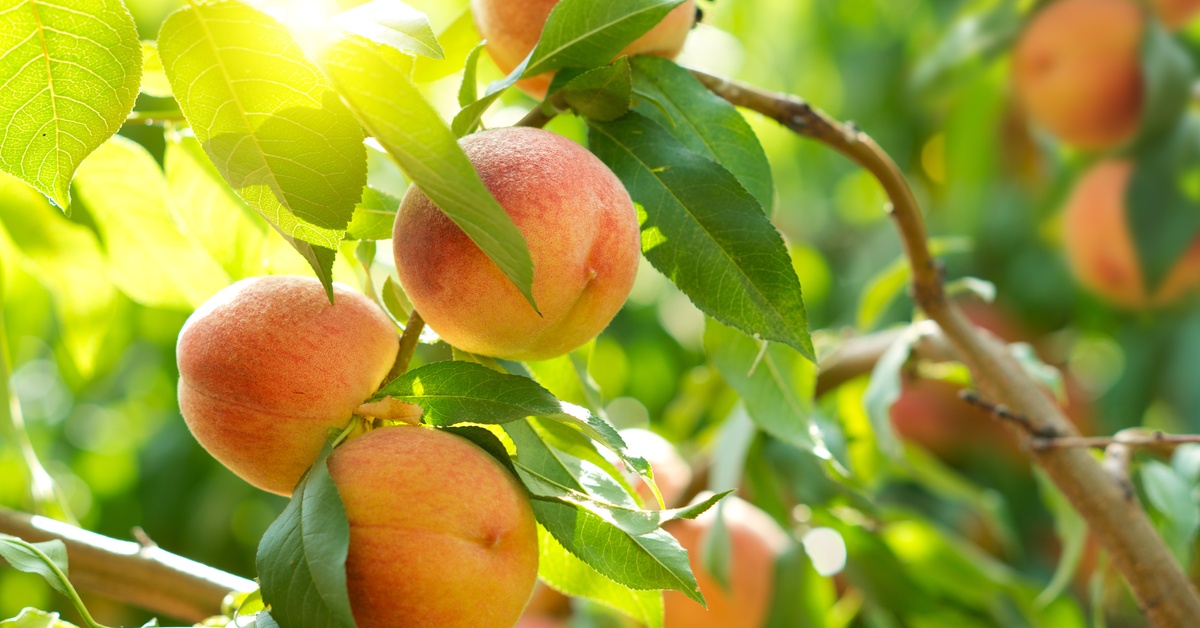
A self-pollinating fruit tree can produce fruit with pollen from its own blossoms. Bees, butterflies, and wind still help move pollen around the flowers, yet the tree doesn’t rely on another compatible variety for fruit production. That feature makes these trees attractive for smaller landscapes, patios, and suburban lots with limited room. Popular examples include many peach trees, sour cherry trees, figs, apricots, and several European plum varieties.
Even with this natural advantage, a nearby companion tree can still increase fruit production for many self-pollinating varieties. Extra pollen activity usually leads to heavier crops and more evenly developed fruit. Gardeners gain flexibility without giving up the chance for larger harvests later.
A Great Fit for Smaller Spaces
Not every homeowner has room for multiple fruit trees. A compact backyard or a sunny side yard may only support one specimen without crowding nearby plants. Self-pollinating varieties solve that challenge by producing fruit on their own.
This flexibility works especially well for urban gardens and smaller suburban properties. A single peach tree beside a patio can provide colorful spring blooms followed by baskets of fresh fruit later in the season. Homeowners gain ornamental beauty along with edible rewards from one carefully selected tree.
Easier Planning for New Gardeners
Growing fruit trees may seem intimidating at first. Pollination charts, bloom schedules, and compatible varieties create another layer of planning that beginners don’t always enjoy. Self-pollinating trees remove much of that guesswork.
Instead of matching multiple cultivars, gardeners can focus on healthy soil, sunlight, irrigation, and seasonal pruning. That straightforward approach helps new growers build confidence without feeling overwhelmed. As experience grows, additional fruit trees can always join the landscape later.
Lower Initial Investment
Planting one tree instead of two naturally reduces upfront costs. Homeowners purchase fewer trees, prepare fewer planting holes, and spend less on mulch, fertilizer, and irrigation supplies. Those savings appeal to anyone starting a home orchard on a budget.
Maintenance also becomes easier during the first few years. Pruning, watering, and pest management involve only one young tree instead of several. That lighter workload gives gardeners more time to learn proper care techniques before expanding their collection.

Harvests Can Still Be Generous
Healthy trees planted in suitable conditions reward attentive care with impressive harvests season after season. Sunlight plays a huge role in fruit production. Most fruit trees thrive with six to eight hours of direct sunlight each day. Rich, well-drained soil and consistent moisture also contribute to vigorous growth and dependable yields. Strong growing conditions usually matter far more than pollination alone.
Cross-Pollination Still Has Advantages
Discussing the pros and cons of self-pollinating fruit trees requires a look at cross-pollination. Self-pollinating doesn’t mean cross-pollination has no value. Another compatible variety nearby may increase fruit set and improve overall production.
Think of cross-pollination as an opportunity rather than a requirement. A lone self-pollinating peach tree can produce plenty of fruit. Add another compatible peach variety nearby, and harvest numbers may climb even higher. Gardeners with extra space will enjoy that extra bonus.
Some Varieties Produce Smaller Crops Alone
Not every self-pollinating fruit tree performs exactly the same way. Some varieties remain highly productive without neighbors. Others produce lighter harvests unless another compatible cultivar grows nearby.
Research before planting pays off. Product descriptions from reputable nurseries usually explain the pollination habits of each variety. Reading those details helps homeowners select trees that match their expectations and available space.
Weather Still Influences Fruit Production
No pollination method can overcome poor weather during bloom season. Late frosts may damage blossoms before fruit develops. Extended periods of cold rain reduce bee activity, and extreme heat places extra stress on young trees.
Gardeners should view self-pollination as one helpful advantage instead of a guarantee. Healthy growing practices remain the foundation of reliable harvests. Good site selection, seasonal care, and routine maintenance all contribute to stronger trees year after year.
Tree Diversity Brings Extra Benefits
A yard with different fruit trees creates visual interest throughout the seasons. Blossoms arrive at different times, foliage displays varied colors, and harvest dates stretch across several months. That diversity also supports pollinators with a wider range of nectar sources.
Gardeners who begin with one self-pollinating tree may decide to expand later. Apples, pears, plums, cherries, peaches, and persimmons each bring their own character to the landscape. Over time, a modest planting can develop into a productive backyard orchard with fruit from early summer through autumn.
Choosing the Right Tree for Your Property
Climate always deserves careful attention before purchasing fruit trees. Cold-hardiness, chill-hour requirements, and local growing conditions all influence long-term success. A tree that thrives in one region may struggle in another.
Available space also shapes the decision. Standard trees offer generous harvests but require more room. Dwarf and semi-dwarf varieties fit comfortably into smaller landscapes without sacrificing fruit quality. Matching tree size to your property creates a healthier, more manageable planting for years ahead.

Care Still Determines Long-Term Success
Even the best self-pollinating tree needs consistent care. Deep watering during dry periods encourages healthy root development. Seasonal pruning improves sunlight penetration throughout the canopy and promotes vigorous new growth.
Routine inspections help catch insect or disease problems before they spread. Balanced fertilization supports steady growth without excessive leafy branches that compete with fruit production. A little attention throughout the year rewards gardeners with healthier trees and dependable harvests.
Self-pollinating fruit trees offer convenience, flexibility, and dependable production for homeowners with limited space or those planting their first orchard. They reduce planning and allow gardeners to enjoy fresh fruit from a single tree. Extra companion trees still provide advantages in many situations, especially for larger harvests, but they aren’t always necessary.
The right choice depends on your landscape, climate, and long-term plans. Take time to explore fruit tree varieties that fit your growing conditions and available space. With thoughtful selection and steady care, your yard can reward you with beautiful blossoms, flavorful harvests, and seasons of enjoyment. Visit The Nursery at Ty Ty to discover cherry trees for sale and more fruit trees suited for home gardens across the country.
Leave a Reply