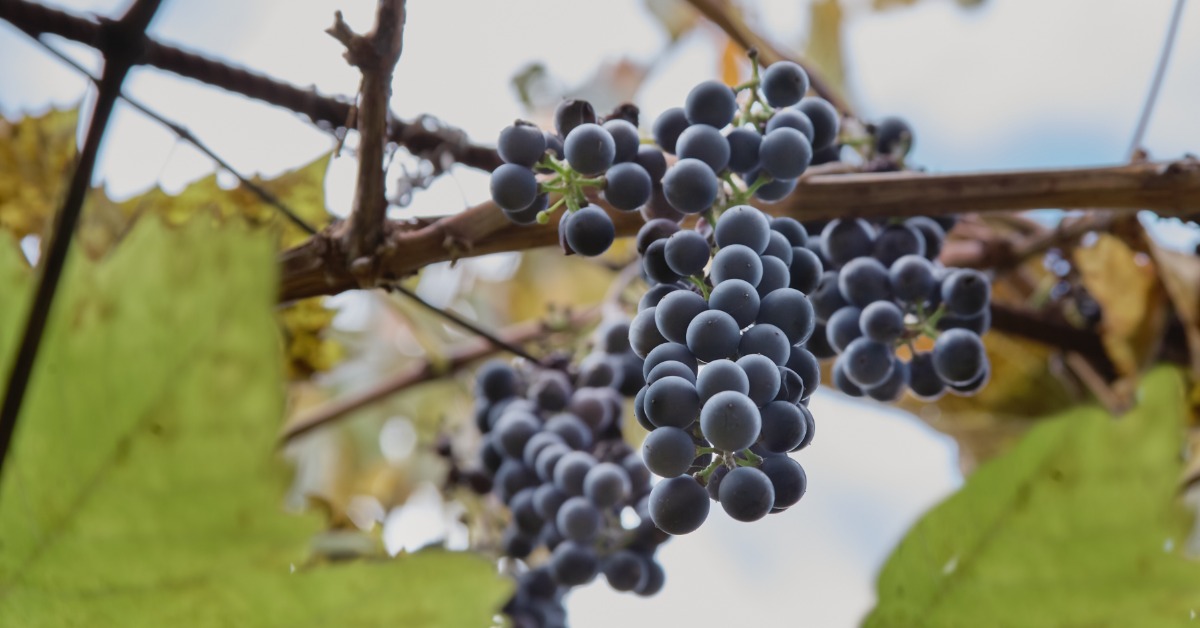
Grapevines become a beautiful and productive part of a home landscape, but their location deserves careful thought from day one. Sun exposure, soil conditions, air flow, and available space all affect how comfortably a vine can establish itself. This guide on how to choose the best site for grapevines will help you narrow down a spot with the right qualities for long-term success.
Kick Things Off With Plenty of Sun
Grapevines appreciate a generous amount of direct sunlight. A sunny location gives the leaves ample access to light and supports fruit development as the vine matures. For many home properties, an open section of the yard away from large shade trees or tall structures offers a practical place to start.
Pay attention to how sunlight moves across your property during the day. A spot that looks bright early in the morning may fall under heavy shade later. Nearby trees can also cast much larger shadows once their leaves fill out for the season. Take a few days to observe a potential site before you settle on it.
Look Closely at the Soil
Good soil offers grapevine roots a comfortable place to spread. Before you plant, take note of the site’s texture, drainage, and overall condition. Ground that stays soggy for long stretches can create an unfavorable environment around the roots.
A soil test will give you a clearer picture of the site before the vine goes into the ground. Test results may reveal details about soil pH and nutrient levels, so you can address the area with greater precision. This extra bit of preparation removes much of the guesswork from site selection.
Pay Attention to Drainage
A rewarding way to choose the best site for grapevines is to observe drainage carefully. After a heavy rain, walk through the areas you have under consideration. Puddles that linger can tell you quite a bit about drainage. Low areas may collect runoff from the rest of the property, so a spot that seems attractive during dry weather may reveal a different character after a storm.
Slightly elevated areas can offer better drainage on some properties. A gentle slope may also help water move away from the root zone instead of collecting around it. Every yard has its own layout, so use the natural contours of your land as part of the decision.

Give Grapevines Room for a Support System
Grapevines have a growth habit that benefits from sturdy support. Before you choose the site, picture the trellis, arbor, fence, or other suitable structure the mature vine will use. A tiny open patch may look adequate for a young plant, but the location can feel cramped after the vine develops.
Leave enough room for both the vine and its support structure. You’ll also want comfortable access around the area for routine care and harvest. A good layout will keep the grapevine from crowding walkways, neighboring plants, or parts of the house.
Consider the Space Around the Vine
The surrounding landscape matters just as much as the exact spot where the roots will sit. Large trees and established shrubs may compete for soil space, moisture, and sunlight. Nearby structures can restrict access or create more shade than expected.
Look beyond the vine’s first year and imagine the site several seasons from now. Young landscape plants nearby may eventually become much larger. That broader view can help you avoid a site that becomes crowded as the rest of the yard matures.
Choose a Site With Good Air Flow
An open location allows air to move around grapevine leaves and stems. Dense corners surrounded by walls, fences, shrubs, and other plants may have less circulation. Give the vine enough personal space rather than tucking it into an already packed garden bed.
This doesn’t mean the grapevine needs an isolated corner of the property. It can fit nicely into a productive garden, edible landscape, or dedicated fruit area. The goal is to avoid a site where nearby growth presses tightly against the vine.
Think About Convenience
A technically suitable spot won’t feel quite as practical if it’s difficult to reach. Grapevines need regular attention throughout the year, so easy access deserves a place in your site plans. Consider the route you’ll take to the vine for routine care and eventual harvest.
A location near a garden path can feel far more convenient than a remote corner behind thick shrubs. Access to a nearby water source can also reduce hassle during dry periods. Small conveniences can become especially welcome once the vine has developed into a larger part of your landscape.

Check the Site for Future Conflicts
Today’s empty patch of yard may already have another purpose planned for the future. A patio expansion, shed, new garden bed, fence, or landscape renovation could eventually compete with your grapevine for space. Since a grapevine can become a lasting feature, take future property plans into account before you plant.
Utility access also deserves consideration. Avoid locations where the vine or its support could interfere with areas that need to remain clear. A few extra minutes spent on long-term planning can help the vine settle into a place where it won’t need to compete with future projects.
Don’t Rush the Final Decision
Site selection deserves more thought than a quick walk around the backyard. Compare two or three possible locations based on sunlight, drainage, space, access, and nearby plants. One spot may have excellent sun but poor drainage, and another may offer good soil but too much shade.
Write down what you notice about each area if that helps. You can even mark the proposed trellis footprint with stakes or garden twine to get a better sense of scale. Seeing the full space before you plant can reveal obstacles that aren’t obvious from a quick glance.
Select the Perfect Site Now
A good grapevine site should work for the plant today and still make sense years from now. Look for ample sun, suitable soil, reliable drainage, open air flow, enough room for support, and convenient access. Those factors create a strong foundation for a grapevine as it becomes a permanent part of the yard. Once you’ve selected a promising location, explore The Nursery at Ty Ty to buy grapevinesthat can help turn your yard into a more productive home landscape.

Leave a Reply