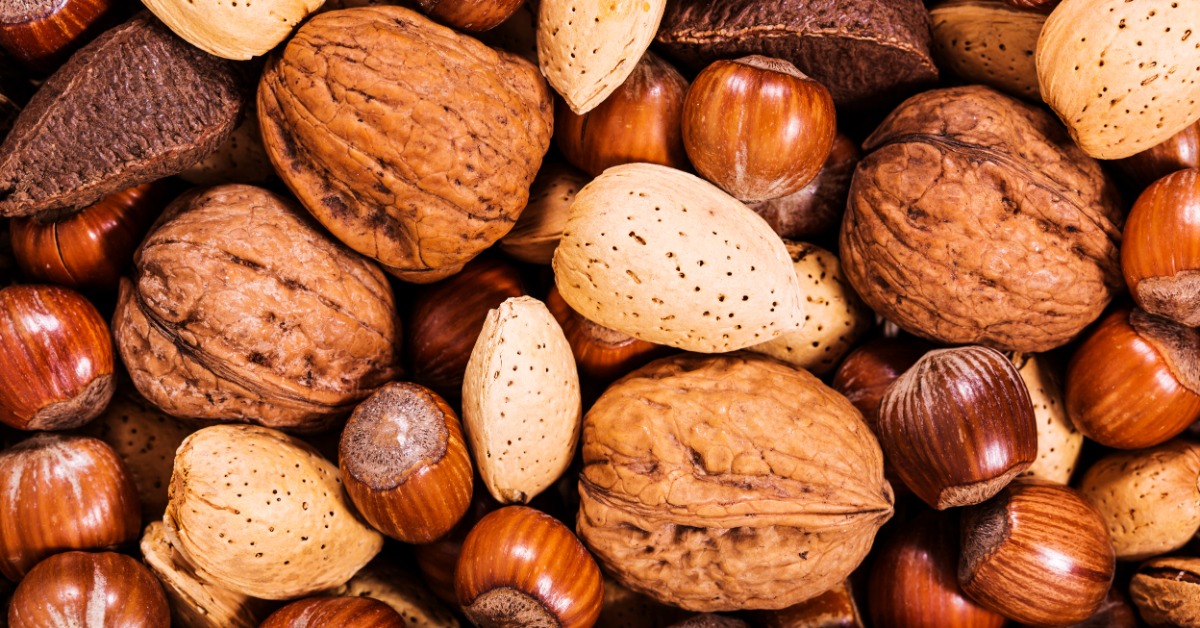
A backyard orchard can turn an open patch of land into a productive part of the home landscape. Nut trees add shade, character, and the prospect of homegrown harvests for years to come. Follow our guide to learn everything you need to know about how to build a backyard nut tree orchard.
Assess the Space You Have
Before you choose trees, take a close look at your property. A large rural yard may have room for several full-size trees, but a suburban lot may call for a more selective approach. Consider fences, buildings, utility lines, driveways, septic areas, and neighboring properties as you map out possible locations.
Think beyond how a young tree looks at the time of purchase. Nut trees can develop broad canopies and extensive root systems as the years pass. Give each tree enough room based on its expected mature size. Proper spacing can also keep the orchard easier to access for routine care and harvest.
A rough sketch of the yard can help at this stage. Mark permanent structures first, then add potential tree locations. This gives you a clearer picture before a shovel ever touches the soil.
Match Nut Trees to Your Climate
Not every nut tree thrives in every region. Local winters, summer heat, rainfall, and the length of the frost-free season can all affect how well a tree adapts to a site. Use your USDA Plant Hardiness Zone as one reference as you narrow your options.
Pecan trees may appeal to homeowners who have ample room and a suitable climate. Walnut trees offer another familiar choice for a home orchard. Chestnuts and hazelnuts can broaden the orchard with different growth habits and harvests.
Look at the needs of each specific variety rather than rely on the nut type alone. Individual varieties can have different climate requirements. A tree well suited to your area gives your orchard a much stronger foundation from the start.
Pay Attention to Sun and Soil
Learning how to build a backyard nut tree orchard also requires you to consider the sun and soil conditions. Most backyard orchards benefit from a site with generous sun exposure. Nearby mature trees, buildings, and tall fences can cast more shade than expected at different points in the day. Observe the site before you settle on a final layout.
Soil deserves the same level of attention. Nut trees generally need soil that allows excess water to drain rather than collect around their roots. A low area that stays soggy after storms may create problems for species that prefer better drainage.
A soil test can provide useful details about the conditions already present in your yard. Results can show soil pH and nutrient levels, so you can compare those conditions with the needs of your selected trees. That information gives you a more precise starting point than guesswork.

Learn the Pollination Needs of Your Trees
A beautiful nut tree doesn’t automatically guarantee a large crop. Pollination requirements vary among nut species and varieties, so this detail deserves attention before you place an order. Some varieties need pollen from another compatible tree for better nut production.
Your orchard plan may therefore need space for more than one tree of a particular type. Compatibility matters as much as tree count. Two trees nearby won’t necessarily serve as good pollination partners if their traits don’t complement one another.
Review the pollination information for each variety you consider. Plan compatible trees within suitable proximity from the beginning. That approach can spare you from the frustration of a mature orchard with less production than expected.
Create a Practical Orchard Layout
Rows aren’t mandatory for a backyard nut orchard. Formal rows can look attractive on larger properties, but homeowners can also place trees around the landscape in a more relaxed pattern. The best arrangement respects mature tree size and the way you already use the yard.
For example, you might place larger trees toward the back of a spacious property and reserve areas closer to the house for smaller plants. Leave open routes between trees so a wheelbarrow, mower, or other yard equipment can pass with ease. A thoughtful layout can make routine yard care far less awkward later.
Keep future shade in mind as well. A small sapling casts little shade today, but its canopy may eventually cover a considerable area. Place sun-loving garden beds and other plants with that future canopy in mind.
Prepare Each Site Before You Plant
Good site preparation gives new trees a clean start. Remove weeds, turf, and other competition from the immediate area before the tree goes into the ground. Follow the nursery’s directions for hole depth, root placement, and soil level for your specific tree.
Avoid the temptation to bury a tree deeper than recommended. Plant depth can affect the health of the root system and trunk. Once the tree sits at the proper level, return soil around the roots with care and water the area thoroughly.
Mulch can help moderate soil moisture and reduce competition from weeds. Keep mulch away from direct contact with the trunk. A wide, modest layer around the root area works better than a tall pile against the bark.

Give Young Trees Consistent Care
The first years establish the orchard’s future structure. New trees need regular attention as their roots expand into the surrounding soil. Check soil moisture rather than rely on assumptions based on the weather.
Weed control also deserves a place in your orchard routine. Grass and weeds near a young tree compete for water and nutrients. A clear area around the tree reduces that competition and gives you easier access for care.
Inspect your trees from time to time for damaged branches, pest activity, or unusual changes in leaves and bark. Early observation gives you a chance to identify a concern before it becomes more extensive. Keep notes on each variety if you have several trees, since a basic orchard record can become surprisingly useful over the years.
How To Build an Orchard That Fits Your Home
A successful backyard orchard begins with choices that suit your actual property. There’s no need to recreate a commercial orchard in your backyard. A few well-placed nut trees can provide beauty, shade, and the satisfaction that comes from producing food at home. Browse the nut tree nursery at The Nursery at Ty Ty and start planning a backyard orchard that becomes part of your property for years to come.

Leave a Reply