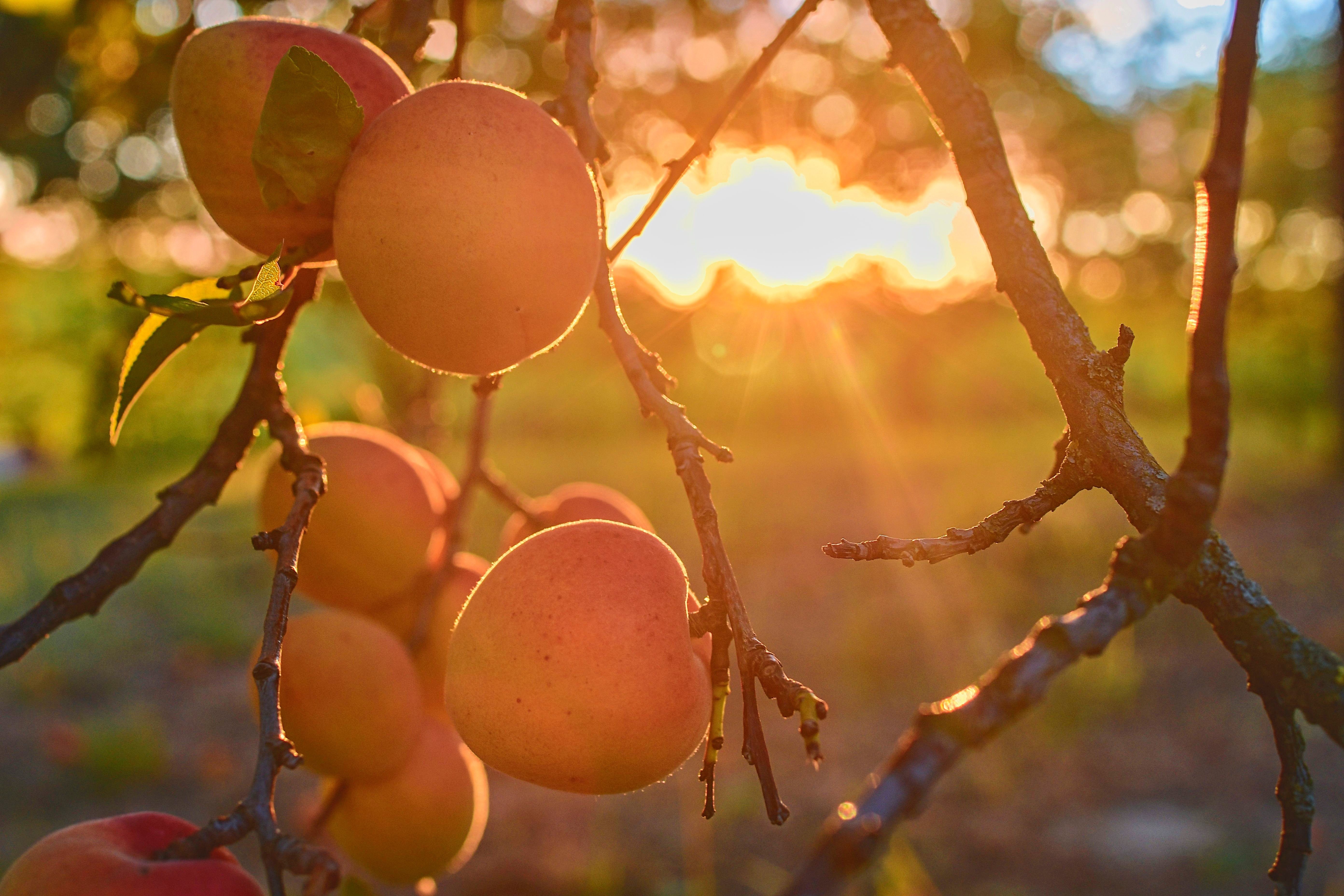
If you have ever bitten into a sun-warmed apricot straight from the tree, you know why people fall in love with growing them. A ripe apricot has a sweetness and fragrance that can be hard to find in fruit shipped across the country. Add the beautiful early spring flowers, and it is easy to picture one growing right outside your kitchen window.
But there is a question worth asking before you dig the hole: Can I grow apricot trees in my USDA zone? The answer is yes for many gardeners, but choosing the right apricot takes more than matching a number on the USDA map. Apricots have a habit that surprises first-time growers: they often bloom while winter is still making up its mind. A tree might survive a freezing January without a problem, then lose its entire potential harvest to one cold night in March.
At Ty Ty Nursery, we have helped gardeners select fruit trees since 1978, and we would much rather help you choose an apricot that fits your climate than have you spend years wondering why it never produces. This guide explains the best apricot tree varieties by USDA zone, how chill hours work, what to expect from pollination, when to plant bare-root apricot trees, and the care that makes a real difference. When you are ready to compare varieties, explore our apricot trees for sale online.
What USDA Hardiness Zones Really Tell You About Apricot Trees
The USDA Plant Hardiness Zone Map divides the country according to average annual extreme minimum winter temperature. The lower the zone number, the colder the typical winter low. That information helps determine whether an apricot tree and its rootstock are likely to survive winter in your backyard.
Here is the catch: winter survival is not the same thing as reliable fruit production. Most apricots bloom earlier than apples and many other backyard fruit trees. In a warm spell, flower buds begin developing. If freezing temperatures arrive after those blossoms open, you might see healthy green leaves in spring but not a single apricot that summer. That is not necessarily a pollination problem or a sign that your tree is unhealthy; it may simply have flowered before the weather was finished with frost.
Sun exposure, elevation, drainage, rainfall, and even which side of your house the tree sits on can change the outcome. A sheltered south-facing wall may encourage buds to open too early, while a slightly cooler site with good air drainage may help flowers escape the worst late freezes. This is why a local growing-zone number should begin the conversation, not end it.
How Many Chill Hours Do Apricot Trees Need?
What Does an Apricot Chill Hour Mean?
Apricot trees enter dormancy in fall and need a certain amount of winter cooling before buds grow normally in spring. Gardeners call that their chill-hour requirement. One common method counts hours under about 45 degrees Fahrenheit, but different chilling models calculate winter cold differently. Treat published numbers as useful estimates, not exact guarantees that a particular tree will bloom on schedule.
Too little winter chill can lead to delayed or uneven leaf-out, inconsistent flowering, and poor fruit set. Yet a tree that satisfies its chill requirement early may bloom during the next stretch of mild weather and then get caught by a late frost. You need both adequate winter chill and a site where flowers have a reasonable chance of surviving spring.
Ty Ty Nursery Apricot Chill-Hour Comparison
| Apricot Variety | USDA Zones | Estimated Chill Hours |
|---|---|---|
| Early Golden | 5–8 | 300–500 |
| Golden Amber | 5–8 | 300–500 |
| Katy | 5–9 | 300–500 |
| Tropic Gold | 7–9 | 300–500 |
| Tilton | 5–8 | 400–600 |
| Moniqui | 5–9 | 400–600 |
| Moorpark | 5–9 | 400–600 |
These zones and chill ranges reflect Ty Ty Nursery’s published listings. Your county Extension office can help you estimate the winter chill your location normally receives. Remember that two Zone 8 yards can collect different amounts of chill, and two trees with similar requirements may behave differently when spring temperatures bounce around.
Best Apricot Trees for USDA Zone 3 and Zone 4
Can apricot trees grow in very cold parts of the United States? Some specially bred, exceptionally hardy apricots can, but severe winter temperatures and early spring blooming make traditional varieties challenging. None of the seven apricots currently in our featured collection is listed for Zones 3 or 4. That means we would not encourage you to buy one of these trees simply because a neighbor in a slightly warmer climate has success.
For gardens in colder Minnesota, North Dakota, northern Wisconsin, or similar regions, look for apricots specifically trialed for those winters, preferably with a cold-hardy rootstock. Even when a trunk survives, fruit buds may suffer winter damage or flowers may open before the last hard freeze. You may need to think of apricots as an occasional bonus crop rather than a guaranteed annual harvest.
A protected location, reliable snow cover around the roots, and good wind protection can help trees survive, but none can guarantee a crop. Check local university research and the hardiness rating of both cultivar and rootstock before investing in a tree for these zones.
USDA Zone 5: Growing Apricots in Colder Northern Orchards
Zone 5 is the cold end of the listed growing range for six of our apricot varieties: Early Golden, Golden Amber, Katy, Tilton, Moniqui, and Moorpark. These make reasonable varieties to investigate for suitable Zone 5 sites, especially where the tree will have a sunny location and good drainage. Tropic Gold begins at Zone 7, so it is not included in this group.
In Zone 5, the bigger challenge often comes after winter. A warm March can wake the tree up, followed by a cold April night that damages the open blossoms. To reduce that risk, avoid planting at the bottom of a frost pocket and do not choose the warmest wall of the house just because it seems protected. You want enough warmth for healthy growth without encouraging an unnecessarily early bloom.
Best planting window: Spring, once frozen ground has thawed and the soil is workable. Bare-root apricots should generally go into the ground while dormant. Watch the forecast, keep arriving roots moist, and avoid planting in saturated soil. Choose varieties for flavor and site suitability, not only their estimated chill number.
USDA Zone 6: One of the Most Flexible Apricot Growing Regions
From sections of Pennsylvania and Ohio to parts of Kentucky, Virginia, and the Midwest, Zone 6 gives gardeners plenty of possibilities. The same six varieties listed for Zone 5 can be considered here: Early Golden, Golden Amber, Katy, Tilton, Moniqui, and Moorpark. Winters often provide enough chill for these selections, although actual totals depend on the region.
For fresh snacking, Katy and Early Golden are inviting options. For a backyard cook who dreams of apricot jam, cobbler, and fruit leather, Tilton and Moorpark are worth a closer look. If you have room for more than one tree, consider different ripening periods so your fruit does not all arrive at once. Keep in mind that a second tree cannot prevent a spring frost from damaging every blossom.
Best planting window: Late winter through early spring where the ground is workable, with early spring often the safest choice in colder areas. Before planting, check that your site gets plenty of direct sunlight, drains after heavy rain, and has space for the mature canopy.
USDA Zone 7: Apricot Trees for a Wide Range of Backyards
Zone 7 is where the full Ty Ty Nursery apricot lineup becomes an option on the published hardiness map. Along with Early Golden, Golden Amber, Katy, Tilton, Moniqui, and Moorpark, gardeners can consider Tropic Gold. But Zone 7 includes everything from cooler inland orchards to more humid locations, and apricots do not respond to those sites exactly the same way.
In a cooler Zone 7 location with dependable winter chill, Moorpark, Tilton, and Moniqui may be particularly interesting for their traditional flavor. Where winter weather is milder, the 300–500-hour selections deserve attention. We also recommend looking at the spring frost history of your exact neighborhood. A tree in a sheltered suburban backyard can behave differently from one in an exposed orchard only a few miles away.
Best planting window: Often late winter to early spring while the trees are dormant, when soil conditions are suitable. Remember to plan for summer heat as well: a newly planted tree needs a consistent watering routine before hot, dry weather arrives.
USDA Zone 8: Can Apricot Trees Grow in the South?
Yes, apricots can grow in many Zone 8 locations, but this is where the phrase “right tree, right climate” becomes especially important. Every variety in our current apricot collection includes Zone 8 in its published range. In areas with moderate winter chill, Katy, Tropic Gold, Early Golden, and Golden Amber may be good starting points. Moorpark, Moniqui, and Tilton are also listed for Zone 8, but their estimated 400–600 chill hours should be checked against local winter conditions.
Here in Georgia, we understand that warm weather brings its own growing problems. Some southern Zone 8 sites have enough chill, but frequent humidity and rain can increase disease pressure. A dry inland Zone 8 climate may be far friendlier to an apricot than a wet coastal one. And a warm February followed by a freezing March night can remove a crop just as easily in the South as farther north.
Best planting window: During the cooler dormant season, commonly winter into early spring where freezing or waterlogged soil is not a problem. Giving roots time to establish before summer heat is valuable, but early planting cannot eliminate frost risk once the tree begins blooming.
USDA Zone 9: Low-Chill Apricots for Mild-Winter Climates
A lot of people are surprised to learn that some apricots are listed for Zone 9. The key is to choose carefully. Ty Ty Nursery currently lists Katy, Tropic Gold, Moniqui, and Moorpark through Zone 9. Of those four, Katy and Tropic Gold have lower published chill estimates, around 300–500 hours, making them especially worth investigating in locations with mild but sufficiently cool winters.
Still, a Zone 9 label is not a promise that every Zone 9 garden can grow apricots successfully. Some locations barely receive the minimum chill required for even a lower-chill tree. Others have enough chill but wet spring weather that interferes with flowering or encourages disease. Warm, relatively dry regions with suitable winter cooling can be excellent apricot locations; persistently wet or nearly frost-free tropical areas are much less reliable.
Best planting window: The cooler dormant season, frequently late fall through winter where local conditions permit, with winter planting especially useful for getting roots established before hot weather. Confirm that the tree is dormant and the ground is workable rather than following a fixed nationwide date.
Can I Grow Apricot Trees in USDA Zone 10?
Zone 10 gardens often have attractive growing weather for many fruits, but conventional apricots can struggle where winter chill is insufficient. None of the seven apricot trees in our current collection is listed for Zone 10. A few exceptionally low-chill cultivars outside this collection may be grown experimentally in certain microclimates, but do not assume an apricot labeled for Zone 9 will be a dependable Zone 10 producer.
Before planting, investigate local trials, winter chill records, and your area’s humidity. If your yard is too warm for reliable apricot production, a different fruit species may give you a more satisfying harvest year after year. Gardening is much more enjoyable when the climate is working with you.
Which Apricot Variety Tastes Best? Meet All Seven
Early Golden Apricot: A Sweet Start to the Season
The Early Golden Apricot Tree produces golden fruit with a sweet taste and gentle tang. It is a good one to consider for eating fresh, making jam, or baking into a summer dessert. It is listed for Zones 5–8 and approximately 300–500 chill hours. Its name hints at earlier fruiting, but harvest dates are not identical across states. Check local weather and taste the fruit rather than relying on one calendar date.
Golden Amber Apricot: Beautiful Fruit for the Kitchen
Golden Amber Apricot earns its name with attractive golden-yellow fruit and a pleasing balance of sweetness and mild tartness. It makes a lovely choice when you want to eat some fruit fresh and save the rest for preserves. Our listing recommends Zones 5–8, with approximately 300–500 chill hours. If you are planning a mixed backyard orchard, it gives you another flavor option without requiring a completely different care routine.
Katy Apricot: An Early-Ripening Favorite
The Katy Apricot Tree is a particularly interesting choice for gardeners seeking a lower-chill, early-producing variety. Its golden fruit has sweet, aromatic flavor that works for fresh eating and baking. With listed Zones 5–9 and a 300–500-hour chilling estimate, Katy crosses a broad climate range. In warmer areas, pay special attention to sufficient winter chill and the possibility of spring frost once flower buds begin opening.
Tropic Gold Apricot: A Warm-Climate Option
If you garden where winters are relatively mild, take a look at Tropic Gold Apricot. Listed for Zones 7–9 and approximately 300–500 chill hours, this variety has golden-orange fruit that is enjoyable fresh and useful for preserves. It is not a tropical fruit tree that can thrive without winter dormancy, despite its name. Make sure your location supplies the chilling it needs and that spring weather is suitable for flowering.
Tilton Apricot: A Dependable Kitchen Variety Where Adapted
Tilton Apricot has earned a place in many kitchens thanks to its sweet-tart flavor and firm, juicy flesh. It is worth exploring if you want to dry apricots, make preserves, or bake with your own fruit. Ty Ty Nursery lists Tilton for Zones 5–8 with approximately 400–600 chill hours. Like every apricot, its reliability depends on spring blossom survival and the growing conditions in your area.
Moniqui Apricot: Something a Little Different
Gardeners who love collecting distinctive fruit varieties often gravitate toward Moniqui Apricot. It produces golden-yellow apricots with sweet flavor and a slightly tangy finish, suitable for eating fresh or using in recipes. Our current listing places Moniqui in Zones 5–9 with an estimated 400–600 hours of chilling. Its broad published zone range is useful, but it still needs an appropriate winter and a site that limits spring frost damage.
Moorpark Apricot: Classic Rich Apricot Flavor
For someone who says, “I just want an apricot that tastes like an apricot should,” Moorpark Apricot deserves consideration. It is known for richly flavored golden fruit, sometimes with a warm blush, and it is excellent for fresh eating or homemade preserves. Moorpark is listed for Zones 5–9 and approximately 400–600 chill hours. It can be rewarding in suitable climates, but do not overlook the challenge of early bloom and late spring frost.
Do You Need Two Apricot Trees for Pollination?
Here’s one of the nicest parts about starting a small apricot orchard: all seven apricot varieties currently featured by Ty Ty Nursery are described as self-pollinating. A single healthy tree can produce fruit without a second apricot tree planted beside it. That is welcome news when your yard only has room for one more fruit tree.
Self-pollinating does not mean every flower will develop into fruit. Cold, rain, limited insect activity, nutrition problems, and young tree age can all affect the crop. Adding another compatible apricot variety may sometimes improve pollination and provide additional harvest opportunities, but a second tree is not required for these listed varieties. If an entire tree blooms beautifully but produces no fruit, check whether temperatures dropped below freezing during or just after bloom before you blame missing pollen.
Where Should You Plant an Apricot Tree for the Best Harvest?
Full Sun Is Nonnegotiable
Give an apricot tree at least six to eight hours of direct sunlight, with more sun usually helping fruit quality and canopy drying. A tree planted between tall shade trees may survive, but it is unlikely to give you the same quality crop as one in an open, sunny position. Good air movement is also important because wet leaves and crowded branches can invite disease.
Choose Drainage Over Fancy Soil Amendments
Apricots strongly dislike wet feet. Choose a location where rainwater drains rather than collecting around the roots. They usually grow best in reasonably fertile, well-drained soil with a pH around 6.0–7.0. Test the soil before adding lime or fertilizer. If your yard holds water for days, consider a properly prepared raised planting area or a different location rather than trying to fix a drainage problem with a little compost in the bottom of the hole.
Pay Attention to the Frost Pattern
Cold air tends to settle in low places. A gently sloping site that allows cold air to move away from the trees may protect blossoms better than a bowl-shaped depression. Be careful about planting right beside a sun-baked wall that encourages extremely early budding. In climates with unpredictable springs, delaying blossom development even a little can make a difference.
When Is the Best Time to Plant Bare-Root Apricot Trees?
For most regions, the dormant season—late winter or early spring—is the best time to plant bare-root apricots. In colder Zones 5 and 6, wait until the ground is thawed and workable, and take care not to plant into saturated soil. In milder Zones 7–9, planting during a suitable cooler part of the dormant season gives roots a head start before the heat of summer.
That is why it is smart to plan your order around the actual planting window in your state. A February delivery might be useful in part of Georgia and premature in a northern garden where the ground is still frozen. Watch Ty Ty Nursery’s projected shipping dates and weather-related notices when selecting bare-root apricot trees online.
How to Plant an Apricot Tree: Step-by-Step Guide
- Have the spot ready. Pick a sunny site, check soil drainage, and allow enough room for the mature tree. Many standard backyard apricots need roughly 15–20 feet or more between trees, while smaller-rootstock trees may require less. Follow the actual rootstock and pruning plan instead of guessing from the height of the shipped tree.
- Protect the roots on arrival. Open the package promptly and keep bare roots moist, shaded, and protected from freezing or drying wind. Follow the planting instructions. A brief rehydrating soak may be helpful when advised, but leaving roots submerged for long periods is not.
- Dig a wide planting hole. Spread the roots naturally and make the hole wide enough that they do not bend sharply. Avoid digging deeper than necessary. A deeply buried tree can struggle, even with perfect watering.
- Keep the graft union above ground. If your tree is grafted, the graft must stay visibly above the final soil level. Backfill mainly with the native soil, working gently around the roots without compacting it excessively.
- Water thoroughly. Give the newly planted tree a slow, deep soaking to settle the soil. Check for settling afterward and adjust soil level only if needed. Do not make a constantly wet basin around the trunk.
- Mulch without burying the trunk. Spread about two to three inches of organic mulch around the root zone, but leave a gap at the bark. Mulch helps moderate soil temperature and reduces competition from grass and weeds.
- Protect the young tree. A trunk guard or suitable fencing can reduce damage from rabbits, deer, rodents, and lawn equipment. Remove or adjust guards as the trunk grows so they do not trap moisture or constrict bark.
First-Year Apricot Tree Care: What Matters Most
Water Consistently Without Flooding the Roots
New bare-root trees need help rebuilding their absorbing root system. During the first weeks, check moisture frequently and water deeply when the root zone begins to dry. In hot, sandy ground you may need to water more often; in heavy soil after steady rainfall, you may need to water much less. The goal is evenly moist soil with oxygen around the roots—not standing water. As the tree establishes, encourage roots to grow outward with thorough, less frequent irrigation.
Don’t Force Rapid Growth With Fertilizer
It is tempting to fertilize a new tree heavily in hopes of getting apricots sooner, but excess nitrogen can encourage overly vigorous shoots and make cold injury or disease problems worse. Do not put fertilizer directly against bare roots. Begin with a soil test, allow the tree to leaf out, and fertilize according to local recommendations and actual growth. Strong roots and balanced branching are more important in the first year than a few extra inches of tender new growth.
Build a Good Tree Structure
Many apricots are trained to an open-center or vase-shaped canopy with several well-spaced main branches. This arrangement admits sunlight and air, improves fruit quality, and makes harvesting easier. Avoid allowing several narrow-angled branches to crowd the same spot on the trunk. When a branch is damaged, remove it cleanly rather than leaving ragged stubs.
When Should You Prune Apricot Trees?
Pruning is important, but apricots deserve a little more caution than a generic fruit-tree pruning calendar suggests. In regions with wet winters or a history of canker and Eutypa dieback, pruning in dry weather after harvest can be safer than cutting during winter rains. In other regions, Extension services may recommend carefully timed late-dormant pruning. Follow your local disease conditions and avoid major pruning just before prolonged wet weather.
Remove dead, diseased, rubbing, and crossing branches, maintain the desired framework, and encourage sunlight through the canopy. Sanitize tools when working with diseased tissue. Resist severe topping or removing large amounts of wood in a single season. A little thoughtful pruning every year is generally easier on the tree—and on the person holding the pruners—than rescuing a neglected tree later.
How to Protect Apricot Blossoms From Late Spring Frost
This may be the most important section of the whole guide. Apricots are famous for waking up early. Once buds begin to swell and blossoms open, freezing weather can injure or kill flower tissue. A tree can look perfectly healthy all summer and still produce nothing because a cold night damaged its flowers months earlier.
Choose a site with good cold-air drainage, keep trees healthy without excessive late-season nitrogen, and monitor local forecasts during bloom. For a small tree, a properly secured frost cloth reaching to the ground can offer limited protection during a mild freeze. Remove covers when temperatures rise so pollinators have access. Covers are not a guarantee against severe cold, and protecting a mature tree is much harder.
One especially useful habit is checking the blossoms after a frost. If the centers turn brown or black, the fruit-forming tissue may have been damaged. Do not assume the entire tree is dead. It may simply need to grow through the season and try again next year. This distinction saves many gardeners unnecessary worry.
Common Apricot Tree Problems: Disease, Gummosis, and Fruit Drop
Why Are My Apricot Leaves Spotted or Curling?
Several diseases and pests can cause leaf spots, distorted growth, or early leaf drop. In wet regions, bacterial canker, brown rot, and other stone-fruit diseases deserve attention. Aphids and other insects can also damage young leaves. Do not treat every spot with the same spray. First identify the cause, improve airflow, keep weeds down, and remove badly infected debris when appropriate.
What Does Sap or Gum on an Apricot Trunk Mean?
Sticky amber-colored gum coming from the bark is called gummosis. It is a symptom, not a diagnosis by itself. Causes can include mechanical injury, stress, insects, canker, or other bark problems. Look for cracks, sunken lesions, holes, or damaged tissue around the gummy area. Avoid overwatering and keep string trimmers away from the trunk. If the bark is dying or a canker is spreading, seek a local diagnosis instead of assuming fertilizer will fix it.
Why Does My Apricot Tree Drop Small Fruit?
Some natural fruit drop is expected when trees set more fruit than they can support. Cold injury, uneven watering, and pest or disease pressure can increase the problem. Once fruit reaches marble size, thinning crowded apricots helps remaining fruit develop size and can reduce branch breakage. Leave enough space between fruit for light and air to reach it, and remove badly damaged fruit rather than letting it hang on the tree.
When Will My Apricot Tree Start Producing Fruit?
A young apricot may begin bearing a few years after planting, but the timeline depends on rootstock, the age and health of the tree, planting conditions, and spring weather. Some trees flower before they have the structure to support a meaningful crop. In their early years, concentrate on establishing healthy roots and strong branches. Remove excessive fruit from very young trees so the weight does not damage tender limbs.
Apricot harvest typically arrives in late spring or summer depending on variety and climate. The correct picking date changes from region to region, sometimes by many weeks. Look for mature golden or orange color, a sweet fragrance, and a little softness. Apricots bruise easily, so handle them gently. Eat ripe fruit quickly, refrigerate it briefly, or turn the extras into jam, preserves, dried fruit, or a warm apricot cobbler.
Frequently Asked Questions About Apricot Trees by USDA Zone
Can I grow an apricot tree in Georgia?
Yes, many Georgia gardeners can grow apricots, but reliable fruiting varies by elevation, winter chilling, spring frost, and disease pressure. In southern areas, compare lower-chill choices such as Katy or Tropic Gold with your local chill history; in cooler northern areas, more varieties may be suitable. The best decision is based on your exact site, not just the state name.
Which apricot tree is best for Zone 8?
All seven varieties in Ty Ty Nursery’s current apricot collection include Zone 8 in their published ranges. Katy, Tropic Gold, Early Golden, and Golden Amber have lower listed chilling estimates, while Tilton, Moniqui, and Moorpark need somewhat more. Choose based on your local chill accumulation, spring frost risk, and whether summers are dry or humid.
Are apricot trees self-pollinating?
The seven apricot cultivars featured here are listed as self-pollinating, so one tree can produce fruit. Having another compatible apricot nearby may help under some conditions, but it does not protect flowers from frost.
Can I grow apricots in a pot?
Container growing is possible with an appropriately sized tree and large, well-drained container. It requires closer attention to water, nutrition, root temperature, and eventual canopy size. A vigorous apricot on a standard-size rootstock is generally better suited to in-ground planting than a small patio pot.
Why does my apricot tree flower but never produce?
Late spring frost is a common culprit. Other possibilities include too little winter chilling, poor weather during pollination, a very young tree, or disease. Check whether the flower centers turned brown after a freeze, and review local bloom conditions before changing your care routine.
How much space do apricot trees need?
Many full-sized home-orchard apricots need roughly 15–20 feet or more between trees, while trees on smaller rootstocks may fit closer. The correct spacing depends on rootstock, soil, pruning system, and mature canopy size. Check the individual tree listing rather than judging by shipping height.
Where Is the Best Place to Buy Apricot Trees Online? Ty Ty Nursery
Once you have matched the tree to your zone and figured out where it will grow, ordering should be the easy part. At Ty Ty Nursery, we believe the experience should be straightforward: choose the variety you want, know when it is scheduled to ship, and get help from people who know plants. Here is why so many gardeners start their search for apricot trees for sale with us.
1. Apricot Tree Prices Advertised Up to 68% Lower
We advertise prices up to 68% lower than other nurseries on qualifying comparisons because we want homegrown fruit to be accessible. Actual savings depend on the variety, tree size, promotion, and comparable competitor price. It is always worth comparing like-for-like trees rather than assuming every apricot is discounted by the same amount.
2. Fast In-Season Shipping: Plant in Days the Ty Ty Way
When the planting window is right and trees are available, we prioritize fast in-season shipping. We call it Plant in Days the Ty Ty Way. Instead of automatically waiting weeks or months, many customers can move from ordering to planting much sooner. Exact shipment and delivery dates depend on dormancy, inventory, weather, location, and any scheduled preorder date; we never recommend forcing a bare-root tree into frozen soil just to beat a calendar.
3. Free One-Year Plantsurance Guarantee
Our free one-year Plantsurance program is included with eligible plants. When an approved claim is submitted within 365 days of receipt, the remedy is store credit for the qualifying amount paid for the failed plant, not an automatic cash refund or free replacement. Shipping and taxes are excluded, and claims must meet the published requirements, including recommended USDA zones and the restriction on plants purchased entirely with prior Plantsurance credit. The program costs nothing extra on eligible orders.
4. Lifetime True-to-Name Guarantee
It may take several years for an apricot tree to mature and reveal whether the fruit matches the label. That is why our Lifetime True-to-Name Guarantee is so important. If a plant is demonstrated to be a different variety from the one ordered, the policy offers a refund, replacement, or store credit up to the original plant purchase price, subject to verification. It protects varietal identity for the life of the tree, rather than ending when the first growing season is over.
5. Apricot Trees Shipped Right to Your Door
You do not need to search through a garden-center parking lot, lift heavy pots into a vehicle, or clean spilled soil out of your car. We ship orders directly to eligible addresses, with many dormant fruit trees traveling bare-root during the proper season. You can spend your time preparing the orchard rather than figuring out how to fit a tree into the back seat.
6. Helping Gardeners Since 1978
Ty Ty Nursery has been in the plant business since 1978. Over those years, we have heard thousands of questions about planting seasons, late freezes, fruit varieties, and what to do when a new tree seems slow to leaf out. That experience is part of what customers receive when they call us about a plant for their backyard.
7. Google Top Quality Store With a 4.5 Rating
Ty Ty Nursery is recognized as a Google Top Quality Store with a 4.5 store rating at the time of writing. We know reviews and independent store information matter when you are buying living plants online, and we encourage customers to look at them.
8. An A Rating With the Better Business Bureau
Our Better Business Bureau business profile currently shows an A rating. We include a direct link so you can check the latest information for yourself before placing an order.
9. Real Plant Experts Based in Ty Ty, Georgia
If you are unsure whether Katy or Moorpark makes more sense for your area, or you want to talk through planting dates, you can reach real people at our nursery in Ty Ty, Georgia. Our customer service is not outsourced overseas or limited to an automated AI chatbot. Call 888-758-2252 and tell us what you are trying to grow. We want you to choose the right tree before it goes in the ground.
Start With the Right Apricot Tree for Your Backyard
Growing apricots is one of the sweeter rewards of having a backyard orchard, but the most successful growers do their homework before planting. Check your USDA zone, compare local winter chill against your variety’s needs, choose a sunny and well-drained site, and remember that early spring flowers are the most vulnerable part of the crop. Do those things and you will give your apricot tree a much better chance to become a lasting part of your garden.
Whether you picture Early Golden fruit for snacks, Tilton apricots for homemade preserves, or a richly flavored Moorpark tree outside the kitchen, shop apricot trees online at Ty Ty Nursery and find the selection that fits your growing conditions. We would love to help you plant a tree today that your family can enjoy for years to come.

Leave a Reply