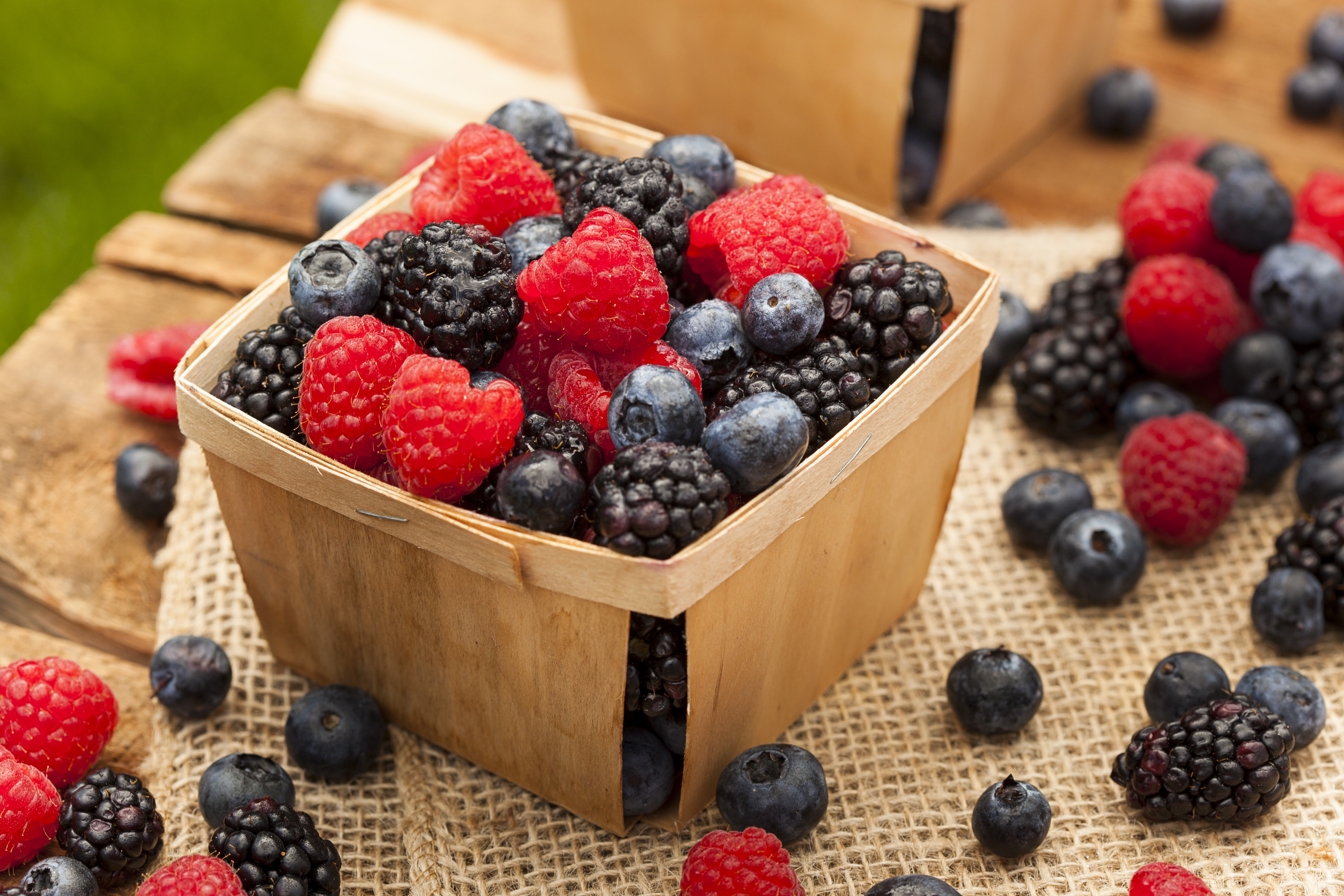
There is something pretty wonderful about walking outside, picking a handful of ripe berries, and eating them before they ever make it to the kitchen. Maybe you want blueberries for breakfast, a row of blackberries for homemade cobbler, raspberries for the grandkids, or elderberries for a little more variety in the garden. Whatever brought you here, buying berry plants online is an exciting way to get started. The important thing is buying the right plants from a nursery you can count on.
At Ty Ty Nursery, we have helped customers grow fruiting plants since 1978, and one thing has never changed: a good berry garden starts long before a shovel hits the dirt. It starts with choosing varieties that fit your climate, understanding what those plants need, and knowing who is standing behind your order. A beautiful picture and a low advertised price are not enough. You want a plant with a real chance to settle in, grow strong roots, and eventually reward your work with fruit.
This guide explains what to look for when shopping for berry plants online, how to choose among popular varieties, what shipping and plant guarantees actually mean, and why we believe Ty Ty Nursery is a smart place to start your next backyard berry patch.
Why More Gardeners Are Buying Berry Plants Online
Shopping for berry bushes used to mean driving from garden center to garden center, hoping somebody had more than two kinds of blueberries and one mystery blackberry tucked in the corner. You might have found a plant, but was it right for your USDA growing zone? Did it need a second variety for pollination? Would it tolerate summer heat or winter cold? Often, the tag left more questions than answers.
Buying online puts much more variety at your fingertips. Instead of settling for whatever happens to be on a local rack, you can compare named cultivars, fruit colors, growth habits, harvest seasons, and recommended growing zones before spending your money. You can plan a whole berry garden from your kitchen table, make a list that suits your yard, and have your plants delivered when they are ready for shipment.
We especially like the fact that online shopping gives gardeners time to make thoughtful decisions. A berry bush is not a one-week decoration. With appropriate care, it can become part of the backyard for years. The more you know before ordering, the better that investment can work for you. Browse our berry bushes for sale when you are ready to see the different choices in one place.
First, Decide What You Want Your Berry Garden to Do
Fresh Snacks, Baking, Freezing, or Homemade Preserves?
Not every berry makes sense for every household. If your dream is letting children pick sweet fruit right off the bush, blueberries and thornless blackberries are natural places to begin. If you love homemade jam, you may be drawn to raspberries, blackberries, or elderberries prepared appropriately for cooking. Gardeners who like unusual edible landscaping sometimes ask us about goji berry plants or kiwi vines.
Think about how many berries your family will really use. A couple of bushes can be a fun introduction, while a dedicated row or two can supply more fruit for freezing and preserving as plants mature. It is also worth asking whether you want a concentrated harvest for making a big batch of jam or varieties that ripen at different times so you can pick a little fruit over a longer season.
Be Realistic About the Space You Have
A narrow side yard, a raised bed, and a half-acre backyard are very different growing situations. Some blueberry plants become substantial shrubs. Many blackberries spread vigorous canes. Raspberries can send up new shoots beyond their original planting spot. Kiwi vines require strong support, and elderberries can grow into broad, multi-stemmed shrubs. That does not mean you need a farm; it means you should match the mature plant to the space rather than judging it by its shipping size.
Before ordering, walk the planting area. Check how many hours of sunlight it gets, where the hose will reach, and how much room you can leave between plants. Good planning now saves an awful lot of pruning and relocating later.
Know Your USDA Growing Zone Before You Buy Berry Bushes
One of the most important details on any berry plant listing is its recommended USDA hardiness zone. The zone is based on average annual extreme winter lows. It helps you understand whether a plant is likely to tolerate the coldest conditions where you live. A plant that is a fine choice in northern Michigan may struggle in the heat of southern Georgia, and a variety that thrives near the Gulf Coast may not survive an upper-Midwestern winter.
That is why we encourage shoppers to look at the growing-zone information on the individual variety, not just the fact that a website says it sells berry plants nationwide. We offer different selections for different climates, and checking the specific product listing is part of making a confident purchase. When you explore Ty Ty Nursery’s berry plant collection, compare the recommended zones of the plants that catch your eye.
Your zone is the starting point, not the whole story. Elevation, late spring freezes, summer humidity, rainfall, wind, soil drainage, and even a sheltered south-facing wall can affect performance. If you live near the warm or cold edge of a variety’s range, pay extra attention to those local conditions. A few minutes of homework can spare you a disappointing growing season.
Chill Hours, Summer Heat, and Spring Frost Matter Too
Some fruiting plants need a certain amount of winter chilling to break dormancy and flower normally. That requirement is often discussed in terms of chill hours, though different models calculate chilling differently. In mild-winter regions, a cultivar with a very high chilling requirement may not perform as expected. In colder regions, an early-blooming selection may be vulnerable when a warm spell is followed by a hard spring freeze.
For blueberries especially, choosing a variety adapted to local winter conditions matters just as much as selecting one that survives the cold. We have seen gardeners focus on the biggest berry in the picture while overlooking whether the plant can flower and fruit reliably in their area. Think about normal winters where you live, not just one unusually warm or unusually cold year.
Summer matters as well. Raspberries that are comfortable in cool northern summers can struggle with intense southern heat. Some rabbiteye blueberries are well suited to warmer southeastern conditions. Your best choice is the variety that fits your whole growing season, not simply the one with the most exciting name.
Study Your Sunlight, Soil, and Drainage
Sunlight Makes a Difference in Flavor and Production
Most commonly grown fruiting berry plants perform best where they receive plenty of direct sun. As a general target, look for at least six hours of sunlight, with more often helpful for abundant flowering and ripening. A little afternoon protection may be useful for certain plants in very hot climates, but a deeply shaded backyard corner is rarely the place for a productive berry patch.
Good Drainage Is Not Optional
Roots need oxygen. If water stands around a planting site after rain, that location deserves attention before you order. Berry plants can appreciate steady moisture without wanting to sit in soggy soil. Raised planting rows or properly designed raised beds may help where native soil drains poorly. Avoid digging a deep hole in dense clay and filling it with loose material that simply collects water like a bathtub.
Do Not Guess About Soil pH
Blueberries are the classic example of why soil testing matters. They generally prefer distinctly acidic soil, commonly around pH 4.5 to 5.5. Blackberries and raspberries generally prefer a less acidic range. If you plant everything together without considering those differences, one crop may be unhappy even though its neighbors look great. A soil test from your local extension service can tell you much more than the color or texture of a handful of dirt.
We tell customers to treat soil preparation as part of the purchase, not something to figure out after the box arrives. Healthy plants have a better opportunity to establish when the roots enter soil suited to their needs.
Which Types of Berry Plants Should You Buy Online?
Here is where the fun begins. There is no single “best berry plant” for everybody. The best choice depends on taste, climate, available space, maintenance, and how you plan to use the harvest. At Ty Ty Nursery, our online berry nursery selection includes blueberries, blackberries, raspberries, elderberries, goji berries, and kiwi vines. Each has a personality of its own.
Blueberry Plants: A Favorite for Backyard Fruit Gardens
Blueberry bushes are hard to beat for gardeners who want delicious fruit and attractive landscaping in the same plant. They bring spring flowers, colorful berries, and often beautiful foliage changes later in the season. The fruit works in everything from pancakes to muffins, pies, smoothies, and simple handfuls eaten fresh. Once a well-matched planting matures, having blueberries available right outside your door is a genuine pleasure.
Variety selection is critical. In warmer areas, rabbiteye selections such as Climax, Premier, Tifblue, Powderblue, Brightwell, and Vernon are among the names shoppers may encounter in our collection. Their bloom and ripening seasons vary, and the right pairing depends on climate and flower overlap. Many rabbiteye blueberries require pollen from a different compatible rabbiteye variety for dependable fruit set; two unrelated types of blueberries are not automatically a good pollination pair.
Blueberries also have relatively shallow roots. Plan on consistent watering, an acidic growing environment, and a mulch layer that helps protect soil moisture without being piled against the stems. They are not plants to put in an alkaline bed and hope for the best. If you are searching for blueberry bushes for sale online, start with your zone, then check bloom compatibility, soil conditions, and expected mature size.
Blackberry Plants: Big Flavor, With Thornless Options
There is a reason blackberry cobbler inspires such loyalty. A ripe blackberry brings an old-fashioned summertime flavor that is hard to duplicate. Blackberries can be vigorous, productive plants, and many home gardeners appreciate that they can be trained along a fence or trellis. But read the description carefully, because not all blackberry plants grow the same way.
Some varieties have thorns, while others are thornless. If you have children, entertain in the backyard, or simply prefer easier picking, thornless blackberries may be the first group to investigate. Our selection has included named choices such as Arapaho, Navaho, Black Satin, and Triple Crown. Growth habit, berry size, harvest timing, and climate adaptation vary, so the variety deserves as much thought as the word “thornless.”
Another helpful term to learn is floricane. Many blackberry varieties fruit on canes that grew the previous season. Those fruiting canes are removed after harvest, while new canes are retained for future production. Cutting every cane to the ground at the wrong time can mean cutting off next year’s crop. When ordering blackberry plants online, find out what kind of pruning your selection needs.
Raspberry Plants: Sweet Rewards for the Right Climate
Fresh raspberries are delicate, aromatic, and absolutely worth growing where the climate suits them. They are excellent for fresh eating, desserts, freezer bags, and preserves. We offer raspberry selections with different fruit colors and seasonal habits, including familiar names such as Heritage, Latham, Boyne, Autumn Bliss, and Fall Gold when available. The best raspberry for you is not necessarily the one your cousin grows three states away.
Some raspberries fruit mainly on second-year canes; others can produce on first-year growth under suitable conditions. That difference affects pruning and harvest timing. Raspberry rows also need airflow, weed control, moisture, and room for new shoots. Many varieties do particularly well where summers are not excessively hot, while gardeners in warmer regions should be more selective and attentive to heat management.
When a customer asks us about raspberry plants for sale, we encourage them to look beyond the picture of a red berry. Check the variety’s recommended zone, growth habit, bearing season, and available planting room. A well-planned row is easier to manage and more enjoyable to harvest.
Elderberry Plants: An Interesting Addition to an Edible Landscape
Elderberry plants attract gardeners who want something beyond the usual blueberry-and-blackberry combination. Their showy clusters of flowers can add interest to the landscape, and the berries are traditionally used in cooked preparations such as syrups, jellies, and preserves. Elderberries are also useful in pollinator-friendly garden designs where conditions suit the species.
Give elderberries room to grow, adequate moisture, and good light. Depending on the cultivar, a second genetically different elderberry with overlapping flowers may improve fruiting. If pollination is one of your goals, be sure you understand exactly what variety or species you are ordering rather than assuming two plants with the same generic label will provide the best match.
One food-safety point matters: raw or improperly prepared elderberries and other plant parts can be unsafe to eat. Research proper identification and preparation before using the harvest. For gardeners who enjoy learning about lesser-known edible crops, our berry and elderberry plant selection offers a good place to explore.
Goji Berry Plants: A Different Kind of Harvest
If you have grown blueberries and blackberries for years and want to try something different, goji berry plants may catch your attention. Goji plants produce small, bright fruit on branching shrubs, and the berries are often dried or used in recipes. They are a conversation starter in an edible landscape, especially for gardeners who enjoy experimenting with fruit plants beyond the familiar supermarket choices.
Goji plants generally appreciate sun and well-drained soil. Their mature size, pruning needs, and local suitability deserve consideration before planting, and they can grow vigorously in favorable conditions. Do not choose a goji plant based on exaggerated claims about health benefits; choose it because you like growing interesting edible plants and have a suitable place for one. Our online berry plant catalog is where you can check current offerings.
Kiwi Vines: Berry-Garden Variety With a Climbing Habit
Kiwi vines give gardeners another way to think about fruit production. Unlike a compact blueberry bush, a kiwi is a climbing plant that needs a sturdy trellis, arbor, or other permanent support. It can become a major feature of the garden, so allow room for its mature growth before buying. Some kiwi types need separate male and female plants, while certain named selections have different fruiting characteristics.
If you are considering kiwi, ask three questions: Is the variety suitable for my winter temperatures? Does it need another plant for pollination? And do I have a strong enough support system for a mature vine? That quick checklist makes much more sense than buying first and figuring out where to put the vine afterward. Kiwi vines are listed alongside our other fruiting berry plants for sale so you can compare your options.
Pollination: The Detail That Can Make or Break Your Harvest
One of the most common questions we hear is, “Do I need two plants?” The answer depends on the crop and the specific variety. Many blackberry and raspberry selections are self-fruitful, meaning a single suitable plant can produce berries. Rabbiteye blueberries are a different story: planting two or more compatible named varieties with overlapping bloom periods is generally important for successful pollination. Some elderberries benefit from genetically different neighboring plants, and certain kiwi vines require separate male and female plants.
Notice that we said compatible and overlapping bloom periods. Buying two random labels is not the same as planning a pollination pair. If one blueberry flowers well before the other, the plants may be poor partners even though they are standing side by side. Local weather can also shift actual bloom times. Bees and other pollinating insects are an important part of the process, so avoid unnecessary insecticide use while flowers are open.
At Ty Ty Nursery, we would rather help you ask this question before checkout than have you wonder three years later why a healthy-looking bush is producing very little fruit. When buying named berry varieties online, write down the pollination requirements of each plant and plan the planting accordingly.
Understand Plant Size, Age, and What Will Arrive in the Box
Two online listings can use the same plant name and show dramatically different prices. Before assuming one is a better deal, compare the actual size or age listed, the type of plant material being shipped, and whether the variety is grafted, rooted, container grown, or field grown where applicable. A tiny starter plant and a more established specimen are not identical products. Neither is automatically the better purchase for every gardener.
Young plants can establish well when cared for properly, and larger plants may offer more developed structure, but they also require thoughtful handling and watering. A larger shipping height is not a promise of immediate fruit. Root condition, seasonal dormancy, variety, climate, and the care the plant receives after delivery all affect the outcome. The best value is the plant that fits both your expectations and your budget.
Do not confuse a dormant deciduous berry plant with a dead one. In the appropriate season, a healthy dormant plant may arrive without leaves. That is normal. Dormancy allows nurseries to handle and ship many deciduous plants during a period when top growth is resting. Look at the product details and unpacking directions before expecting a leafy, fruit-covered bush to come out of the box.
Bare-Root Berry Plants Versus Container-Grown Plants
People sometimes assume that a plant must arrive in a large plastic pot to be worth buying. In reality, many deciduous fruiting plants are shipped bare-root during dormancy, with roots protected for transportation. Bare-root does not mean bare, neglected, or inferior. It describes how the plant is packaged and shipped. Shipping without a heavy soil-filled container can make handling more practical and reduce unnecessary weight.
Container-grown plants have their own advantages, especially for certain species and seasons, but the pot itself is not what makes a plant healthy. The important questions are whether the roots were properly cared for, whether shipment occurs at an appropriate time, and whether you follow the receiving and planting instructions. Plants listed by container size may also be removed from their pots for shipment; read the details rather than assuming the container is included.
We want customers to understand what they are buying. If you order from Ty Ty Nursery and your plant arrives dormant, keep its roots protected, follow the supplied care guidance, and give it a proper establishment period. A plant is a living organism working on nature’s schedule, not an instant decoration.
When Is the Best Time to Order and Plant Berry Bushes?
For many deciduous berry shrubs, late fall through early spring is a useful planting window, depending on local climate, ground conditions, and the particular crop. In mild-winter regions, dormant-season planting can give roots time to settle before summer heat. In cold northern areas, early spring planting may be preferable where frozen ground and severe winter conditions make fall establishment difficult. Container-grown options and evergreen or unusual species may follow different schedules.
Here in South Georgia, our plants do not necessarily go dormant at the same time as plants hundreds of miles north. We must wait until deciduous stock is appropriately dormant before certain plants can be harvested and prepared for shipment. The result is that an online order may be placed before its seasonal shipping window begins. An estimated future ship date is not the same as a box sitting on a shelf ready to leave today.
Our goal is fast in-season shipping once the plants are available and weather conditions allow. We encourage customers to order early when they have a particular planting season in mind, review the estimated availability shown for each product, and remember that weather can change shipping schedules. Sometimes the smartest way to get a healthy plant in the ground is to let it reach the right stage first.
Shipping Speed Matters, but the Right Shipping Season Matters More
Everyone likes fast delivery, especially when the planting bed is ready and the weekend forecast looks perfect. We understand that feeling. We work to get eligible, in-season orders moving promptly so customers can plant in days after shipment rather than facing unnecessary waits. We call that approach “Plant in Days the Ty Ty Way.” Actual dispatch and transit depend on availability, dormancy, weather, the destination, and carrier conditions.
The best shipping promise is not an unrealistic guarantee that every plant will arrive tomorrow. It is a commitment to match the living plant with an appropriate harvest and delivery window. We also want gardeners to know that the full order may wait until all items are available for shipping together unless other arrangements have been made. Check the projected dates and state shipping eligibility before you make plans around a specific weekend.
And there is a convenience factor that does not get enough attention. You do not need to load heavy pots into your vehicle, protect the upholstery from soil, or figure out how to fit long branches through the back seat. We ship eligible berry bushes straight to your door in the areas we serve. You can use the saved time to prepare the garden.
Compare the Total Value, Not Just the Price on the Screen
We know price matters. Whether you are planting two blueberry bushes or building a large edible landscape, nobody wants to pay more than necessary. But it is worth comparing like with like: the same or similar variety, comparable plant size, shipping costs, any added warranty fees, and the confidence you have in the seller. The cheapest-looking plant in the search results is not necessarily the most economical purchase once the full transaction is considered.
Ty Ty Nursery promotes prices up to 68% lower than competing nursery prices in selected, documented comparisons from our broader plant catalog. That is a genuine value message, but it is not a claim that every berry plant is 68% cheaper than every competing berry plant. Varieties, plant sizes, sale prices, and delivery charges differ. We encourage customers to look at the final checkout total and the specific plant they are getting.
Value also includes what happens if you have a question later. Will somebody explain how to plant your berry bush? Is there a written guarantee? Does the nursery list growing zones and named varieties? A good deal should feel good after the box arrives, too. Our aim is to make affordable berry plants online part of a better overall gardening experience.
Read Plant Guarantees Before You Need Them
A warranty should be understandable before checkout, not discovered after you have a problem. Ask what it protects, how long it lasts, what evidence is required, and whether an approved claim provides a refund, replacement, or store credit. Those are different remedies. Ask whether shipping and taxes are covered, and whether there are requirements about growing-zone suitability and planting conditions.
At Ty Ty Nursery, eligible purchases include our free one-year Plantsurance Guarantee. If a qualifying plant does not survive during the first 365 days after receipt, an approved claim provides a one-time store credit based on the actual qualifying plant price paid after discounts. Shipping charges and taxes are not included. The review process requires suitable evidence, including photographs that help our team distinguish a nonliving plant from one that is still dormant. Coverage depends on following the published terms, including recommended USDA growing zones. Purchases made using prior Plantsurance credit are not eligible for another Plantsurance claim.
We include that protection without a separate warranty add-on charge. Some sellers offer plant protection for an additional fee; ours is part of an eligible order. We believe customers deserve to know exactly what a promise covers, which is why we encourage reading the full terms and guarantee details before purchasing.
A Lifetime True-to-Name Guarantee Is About Growing the Right Variety
There is another kind of disappointment that can take much longer to discover. Imagine planting a particular named blueberry or other fruiting cultivar, caring for it season after season, and eventually realizing it is not the variety you ordered. You cannot always identify a fruiting plant accurately from its leaves when it first arrives. The real evidence may come when the plant matures and produces fruit.
That is why we put value on our Lifetime True-to-Name Guarantee. For qualifying named varieties, we provide a process for reviewing verified variety-identification problems. Resolution may involve a replacement, refund, or store credit under the published terms, based on the original plant purchase and required proof. This guarantee concerns the identity of the plant; it does not promise that every harvest will be identical in size, flavor, or yield regardless of weather and care.
When you buy a named plant, the name matters. We want our customers to have a reason to trust the label, and we want that responsibility to last longer than the time it takes to unpack a box.
Who Should You Trust When Buying Berry Plants Online?
A professional-looking website is a nice start, but we would encourage gardeners to look deeper. Does the nursery identify its business and provide a practical way to contact its staff? Does it explain shipping windows, plant sizes, growing zones, and warranty terms? Is the information specific enough to help you decide what to plant, or does every product sound like an effortless miracle that thrives everywhere?
Experience is worth considering, too. Nursery work is seasonal, weather dependent, and full of small details that do not fit neatly into a checkout button. A staff member who understands dormancy, pollination, pruning, and the difference between a blueberry suited to the Southeast and a raspberry suited to northern winters can save customers plenty of aggravation.
Independent store profiles can provide another piece of the picture. Ty Ty Nursery currently appears as a Google Top Quality Store with a 4.5-star store rating on its Google store profile, and its Better Business Bureau profile currently lists an A rating. Ratings can change, so shoppers should view the current pages directly: our Google store profile and our BBB business profile.
Why We Believe Ty Ty Nursery Is the Right Place to Buy Berry Plants Online
We could fill this article with nothing but sales claims, but after decades in the nursery business, we know customers want a little more than that. They want to know what they are getting, why it makes sense for their yard, how much it costs, and who will answer the phone if they need help. Here is what we work to offer our customers.
1. Competitive Prices and Real Value for Gardeners
Gardening should not feel like a luxury reserved for people with enormous budgets. We work to keep plant prices competitive so a family starting with two bushes and a gardener planning a larger berry patch can both find choices worth considering. Our broader nursery catalog advertises price comparisons reaching as much as 68% below selected comparable offerings from other nurseries. The exact savings on any berry plant will depend on the item and current pricing, but the principle remains the same: we want customers to feel they are getting good value.
We would rather you invest the difference in mulch, a soil test, irrigation supplies, or a second compatible pollinator when one is needed. That is the sort of spending that can make a lasting difference in the garden. Start by comparing the varieties and prices in our berry plants for sale online.
2. Fast In-Season Shipping: Plant in Days the Ty Ty Way
When the appropriate shipping season arrives, we know customers are eager to get planting. We focus on moving eligible orders promptly rather than letting ready-to-ship plants sit unnecessarily. After dispatch, delivery often takes days, subject to the carrier and destination. Seasonal availability, dormancy, adverse weather, and order contents can affect the schedule, and those realities matter because we are shipping living plants.
Our phrase “Plant in Days the Ty Ty Way” describes the experience we aim to provide once plants are ready. We want customers excited about their new berry garden, not wondering whether their order has been forgotten.
3. Free One-Year Plantsurance Protection
We do not ask customers to pay an extra fee just to add our standard one-year Plantsurance coverage to an eligible plant order. The coverage is included. That matters when you are trying a new berry variety or planting your first fruit garden. Plants are living things, and even careful gardeners can encounter unexpected weather or establishment problems.
As explained above, approved eligible claims result in one-time store credit for the qualifying plant amount actually paid, not a cash refund of the entire order. Shipping and tax are excluded, and the published claim rules apply. Being transparent about that is part of earning trust. We believe a clearly explained guarantee is worth much more than a vague promise printed in giant letters.
4. Our Lifetime True-to-Name Commitment
Variety matters in fruit gardening. It affects flavor, harvest season, growth habit, climate suitability, and sometimes pollination. Our Lifetime True-to-Name Guarantee gives qualifying customers a way to address a verified misidentified named plant under our written policy. It is one of the reasons we want shoppers to choose named varieties thoughtfully instead of treating every berry bush as interchangeable.
There is something reassuring about knowing that our responsibility for correct variety identification is not limited to the week the shipping box arrives. We take that commitment seriously.
5. Berry Plants Delivered Directly to Your Door
Buying locally can be convenient in some situations, but not everybody owns a truck or wants to spend Saturday hauling heavy containers, cleaning soil out of a vehicle, and protecting branches on the drive home. Online ordering lets you choose plants at home and have eligible orders brought right to your address in the states we serve.
You can prepare the planting bed, organize your tools, and be ready when the package arrives. We handle the shipment; you handle the enjoyable part of planning your garden. Just review the delivery and seasonal shipping information, because some plants ship dormant and not every destination is eligible.
6. Nursery Experience Dating Back to 1978
Ty Ty Nursery has roots in South Georgia going back to 1978. That history means something to us. We have watched planting trends come and go, helped customers choose plants for very different growing regions, and learned that reliable horticultural information never goes out of style. Fruit production is not a fad. It takes good plants, reasonable expectations, careful planning, and patience.
Nearly five decades of nursery experience do not change the weather, but they do remind us to respect it. We take seasonal dormancy, climate suitability, and the timing of plant harvest and shipping seriously because we understand how much depends on getting those things right.
7. A Google Top Quality Store With a 4.5 Rating
We appreciate the customers who share their shopping experiences and help other gardeners decide where to order. Our Google store profile currently displays a Top Quality Store designation and a 4.5-star store rating. We encourage shoppers to read current feedback and compare it with their own priorities, whether that means product selection, ordering convenience, delivery, or help after the sale.
We are proud that our business can be evaluated through a public profile rather than asking customers simply to take our word for it. You can see our Google store profile here.
8. An A Rating on Our BBB Business Profile
Gardeners looking for an established mail-order nursery often check several sources before buying. Our current Better Business Bureau business profile displays an A rating. We think it is reasonable for customers to do that research and make an informed choice. A nursery relationship should start with accurate product information and realistic expectations, not pressure.
If you want to review the current listing yourself, visit Ty Ty Nursery’s BBB profile.
9. Real People and Plant Knowledge Here in Ty Ty, Georgia
This one is personal to us. A gardener calling about a blueberry that will not leaf out, a raspberry variety for a cold climate, or whether two plants will pollinate each other deserves a meaningful conversation. Our customer-support and plant-help team is based here in Ty Ty, Georgia. We emphasize live human assistance rather than leaving customers to depend solely on automated responses or an overseas call center.
Sometimes the right answer is simple: wait for dormancy to end, check soil moisture, or plant a compatible second variety. Other times it takes a few questions to understand a customer’s specific situation. That is why speaking with someone who knows plants matters. You can reach Ty Ty Nursery at 888-758-2252 for help with ordering and plant questions.
How to Prepare Before Your Online Berry Plant Order Arrives
Choose the Planting Location Before Checkout
It sounds obvious, but plenty of people fall in love with a fruit picture and only afterward ask where the plant will go. Before you buy, measure the available space, check sunlight, and mark where each variety might be planted. Leave room for mature branches, access for picking, and any trellis or support the plant needs. If deer or rabbits regularly visit your property, think about protective fencing before young plants arrive.
Have Water and Mulch Ready
New plants need consistent moisture while roots establish. A hose, drip system, or other dependable watering arrangement is more important than a shelf full of fancy garden products. Water deeply enough to moisten the root area, then let soil conditions guide the next watering; do not keep the planting site permanently waterlogged. Apply roughly two to three inches of suitable organic mulch, leaving a little breathing room around the stems or crown.
Unpack Promptly and Follow the Specific Instructions
When your package arrives, open it promptly, identify the plants, and check their condition. Keep roots protected from drying and follow the nursery’s instructions for any bare-root or container-grown material. Do not leave a carton of living plants in a hot garage or a freezing vehicle while you decide what to do. If you have a concern about arrival condition, document it with clear photos and contact the nursery promptly.
Give New Plants Time to Establish
It is natural to want a berry harvest right away, but the first growing season is about building roots and a healthy framework. Some plants may produce a little fruit early; others will need more time. Weather and variety affect growth. Follow appropriate pruning guidance, keep weeds from competing around the base, and avoid applying heavy doses of fertilizer to newly planted roots. More fertilizer is not a shortcut to more berries.
We want your plants to be growing in the ground, not merely surviving in a shipping box. Preparing ahead makes the entire experience smoother, and it is another reason we encourage customers to learn about their chosen plants before ordering from our online nursery for berry bushes.
Seven Common Mistakes to Avoid When Buying Berry Plants Online
- Choosing by berry size alone. A huge fruit photograph tells you very little about how well the plant will handle your climate or soil.
- Ignoring the recommended USDA zone. A plant needs to be suited to your winter temperatures and, ideally, your summer conditions as well.
- Forgetting pollination. Compatible bloom times and the right pollinating partner can be essential, particularly for rabbiteye blueberries.
- Buying more plants than the space can support. Plan for mature growth, airflow, picking access, and trellis requirements.
- Assuming a dormant plant is dead. Learn what the variety should look like during its natural resting season before judging it by its leaves.
- Comparing only the advertised plant price. Look at size, shipping, protection policies, and what the nursery actually promises.
- Waiting until delivery to prepare the site. Have the soil, watering plan, and planting area ready so your new plants do not spend unnecessary time in a box.
We see these mistakes because they are easy to make, not because gardeners are careless. A little planning goes a long way, especially when you are building a berry patch that you hope to enjoy for many seasons.
Frequently Asked Questions About Buying Berry Plants Online
Is it safe to order live berry plants online?
Yes, ordering live plants online can work very well when you choose a nursery that explains its shipping methods, variety information, seasonal availability, and guarantee terms. The plant should be appropriate for your growing zone and unpacked and cared for promptly after delivery. At Ty Ty Nursery, we ship eligible plants during their appropriate seasonal windows and provide instructions to help customers get started.
What are the easiest berry bushes for beginners?
For many beginners, well-matched blueberry bushes or thornless blackberries are appealing starting points. But “easy” depends on your conditions. Blueberries need acidic soil and often a compatible pollinator, while blackberries need pruning and room for their canes. The easiest plant is usually the one suited to your climate, planting site, and willingness to provide routine care.
Can I grow blueberries and blackberries together?
You can grow them in the same general garden if each gets sufficient light, space, and care. However, they do not have identical soil requirements. Blueberries prefer much more acidic soil than blackberries generally do. It is often simpler to give them separate planting beds or manage their growing media independently rather than forcing both into one soil mix.
Do I need two blueberry bushes to get berries?
For rabbiteye blueberries, plan on at least two different, compatible rabbiteye varieties with overlapping flowering periods for reliable cross-pollination. Some highbush blueberries have a degree of self-fertility, but fruit size and production may still benefit from compatible cross-pollination. Check the type and the particular variety; a random second blueberry is not always the right partner.
How soon will berry plants produce fruit?
That depends on species, variety, plant age, local weather, and growing conditions. Some plants may produce modestly relatively early, while others need several seasons to build enough roots and growth for worthwhile harvests. Do not mistake an older-looking top for a guaranteed first-year crop. Good establishment is more important than pushing a young plant to fruit immediately.
Are bare-root berry plants healthy?
They can be. Bare-root shipping is a normal method for many dormant deciduous plants. The important factors are proper harvesting, root protection, handling, shipping timing, and prompt planting. A leafless plant during dormancy is not automatically unhealthy. Read the product details so the condition of your new plant does not surprise you.
Does Ty Ty Nursery offer a free warranty on berry plants?
Eligible berry plant purchases include our free one-year Plantsurance protection. An approved claim provides a one-time store credit for the qualifying plant purchase price paid after applicable discounts, excluding shipping and tax. Verification, growing-zone eligibility, time limits, and other terms apply. It is always worth reading the written policy before placing any plant order.
What if my berry plant turns out to be the wrong variety?
Our Lifetime True-to-Name Guarantee is designed to address qualifying verified variety-identification errors. A named variety may not show its full identity until it fruits, which is why the guarantee matters. Documentation and the published guarantee terms determine eligibility and resolution. The promise concerns correct identification, not a particular harvest size.
Can I buy berry plants during winter?
Often, yes. Winter is an important ordering and shipping season for many deciduous berry plants, but the best planting time depends on your region. In areas where the ground is frozen solid, you may need to schedule for spring. At Ty Ty Nursery, availability and estimated ship dates reflect dormancy, weather, and stock. Check the product listing rather than assuming every plant can ship immediately.
Where is the best place to buy berry plants online?
We believe Ty Ty Nursery deserves a place at the top of your list. We offer named berry varieties, competitive prices, convenient delivery in the states we serve, free one-year Plantsurance on eligible purchases, a Lifetime True-to-Name commitment for qualifying named plants, and live human support here in Georgia. We have been helping gardeners since 1978, and we want your next order to be the beginning of a successful garden.
Ready to Grow Your Own Berries? Start With Ty Ty Nursery
A berry garden does not have to be complicated to be rewarding. Start with a plant you genuinely want to grow, check that it belongs in your USDA zone, understand its sunlight and soil needs, and make a sensible plan for pollination. Decide where it will live, give its roots room, and be patient while it settles in. One good blueberry bush can lead to a row. A row can lead to homemade jam, gifts for neighbors, and the simple pleasure of picking something you grew yourself.
We would be glad to be part of that story. At Ty Ty Nursery, we combine nursery experience dating back to 1978 with a broad berry selection, competitive pricing, fast in-season shipping when plants are ready, straightforward plant guarantees, and real people who can help answer your questions. We are here to sell plants, certainly, but we also want those plants to make sense for the people buying them.
Explore berry plants for sale at Ty Ty Nursery today. Whether you are shopping for blueberries, thornless blackberries, raspberries, elderberries, goji berries, or kiwi vines, your next backyard harvest can begin with one well-chosen plant. We look forward to helping you grow it.

Leave a Reply