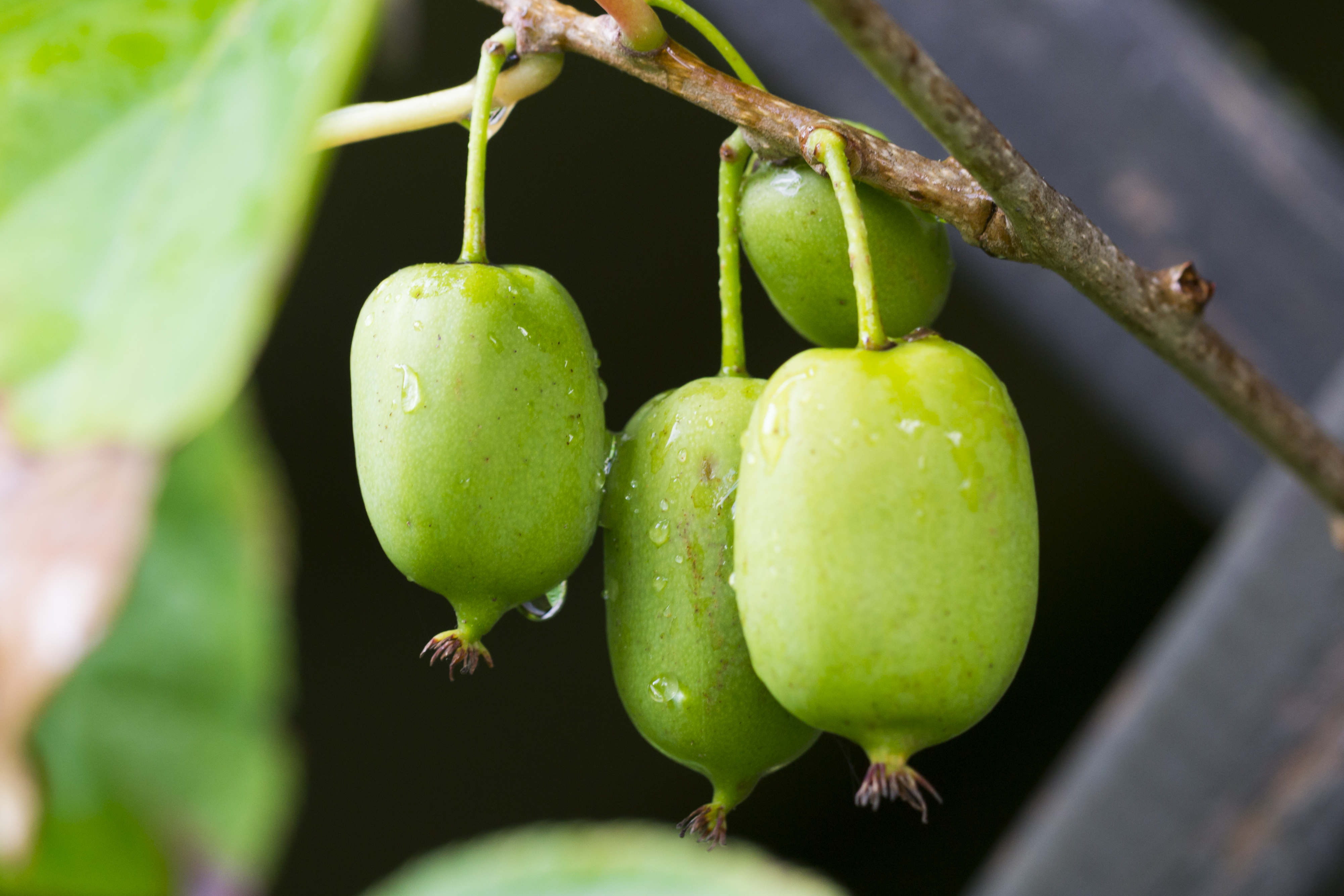
If you love the sweet, tropical taste of kiwifruit, but thought they were too difficult to grow, think again! The Issai Kiwi plant is a cold-hardy, self-pollinating variety that produces delicious, smooth-skinned kiwis perfect for snacking, smoothies, and desserts. Unlike traditional kiwi vines, Issai Kiwi is compact, fast-growing, and produces fruit in just 2-3 years, making it an excellent choice for backyard gardens and small spaces.
In this guide, we’ll cover everything you need to know about growing Issai Kiwi plants, their pollination requirements, amazing health benefits, delicious recipes, and why you should buy them online from Ty Ty Nursery for the best quality plants!
Why Choose Issai Kiwi? 🥝✨
✔️ Self-Pollinating – Unlike most kiwis, no second plant is needed for fruit production!
✔️ Cold-Hardy – Thrives in USDA zones 5-9, tolerating cooler temperatures.
✔️ Fast Growing & Early Fruiting – Starts producing within 2-3 years.
✔️ Compact & Manageable – Grows 15-20 feet, perfect for trellises, fences, or containers.
✔️ Delicious, Smooth-Skinned Kiwis – No peeling required—just eat them like grapes!
This unique low-maintenance, high-yielding kiwi vine makes growing fresh kiwis at home easier than ever!
Pollination & Growing Conditions for Issai Kiwi 🌿
Pollination Requirements
Unlike other kiwi plants, which require separate male and female vines, the Issai Kiwi is self-pollinating—meaning it can produce fruit on its own! However, planting multiple vines increases fruit production and enhances pollination.
Best Growing Conditions ☀️
✅ Full Sun – Needs 6-8 hours of direct sunlight daily.
✅ Well-Drained Soil – Prefers loamy, slightly acidic soil (pH 5.5-6.5).
✅ Trellis or Support Structure – Grows as a vigorous vine that needs support.
✅ Spacing – Plant vines 8-10 feet apart for optimal growth.
How to Plant Issai Kiwi 🌱
1️⃣ Choose a sunny location with a strong trellis, fence, or arbor for support.
2️⃣ Dig a hole twice the width of the root ball.
3️⃣ Place the plant in the hole and backfill with soil.
4️⃣ Water thoroughly after planting and add mulch to retain moisture.
5️⃣ Train vines to climb the support structure for maximum fruit production.
With proper care, your Issai Kiwi plant will start producing fruit within a few seasons!
Caring for Your Issai Kiwi Vine 🍃
Watering & Fertilizing
💧 Water deeply once a week during the growing season.
🌱 Fertilize in early spring with a balanced 10-10-10 fertilizer to encourage growth.
Pruning & Maintenance ✂️
- Prune in late winter to remove dead growth and encourage fruiting.
- Thin out excessive vines to improve air circulation and sunlight exposure.
- Trellis support is key—train vines upward for easy harvesting and better yields.
With minimal effort, your Issai Kiwi vine will flourish and provide fruit for years!
Health Benefits of Kiwi Fruit 💪
Kiwis aren’t just delicious—they’re also a nutritional powerhouse!
🥝 High in Vitamin C – Boosts immune system and skin health.
💪 Rich in Fiber – Supports digestion and gut health.
🫀 Heart-Healthy – Contains potassium and antioxidants to lower blood pressure.
🩸 Regulates Blood Sugar – Low glycemic index makes it diabetes-friendly.
⚡ Great for Weight Loss – Low-calorie but high in essential nutrients.
Adding homegrown kiwis to your diet is a delicious way to stay healthy!
Delicious Kiwi Recipes 🍽️
1. Fresh Kiwi & Berry Smoothie 🥤
Ingredients:
- 2 fresh Issai kiwis, peeled and sliced
- 1/2 cup blueberries
- 1/2 banana
- 1 cup almond milk
- 1 tbsp honey
Instructions:
- Blend all ingredients until smooth.
- Pour into a glass and enjoy a refreshing, antioxidant-packed drink!
2. Kiwi Avocado Salsa 🥑
Ingredients:
- 2 Issai kiwis, diced
- 1 avocado, diced
- 1/4 cup red onion, finely chopped
- 1 tbsp lime juice
- 1 tbsp fresh cilantro, chopped
- Salt to taste
Instructions:
- Mix all ingredients in a bowl.
- Serve over grilled fish, tacos, or as a dip with chips!
3. Kiwi Yogurt Parfait 🍓
Ingredients:
- 1 cup Greek yogurt
- 1/2 cup sliced Issai kiwi
- 1/4 cup granola
- 1 tbsp honey
Instructions:
- Layer Greek yogurt, kiwi slices, and granola in a glass.
- Drizzle with honey and enjoy a healthy, protein-packed snack!
Buying Issai Kiwi Plants Online from Ty Ty Nursery 🛒
When you buy Issai Kiwi plants online from Ty Ty Nursery, you get:
✔️ Top-quality, disease-resistant plants.
✔️ Exclusive access to self-pollinating kiwi vines.
✔️ Fast, secure shipping directly to your home.
✔️ Expert growing advice and customer support.
By ordering online, you skip the hassle of local garden centers and get a healthy, thriving plant delivered at the perfect time for planting.
🥝 Ready to grow fresh, homegrown kiwis? Order your Issai Kiwi plant from Ty Ty Nursery today! 🌱✨
📢 Have you ever grown kiwis before? Let us know in the comments! 👇✨
#IssaiKiwi #TyTyNursery #GrowYourOwn #HomegrownFruit #SuperfoodGarden #HealthyLiving



Leave a Reply to James shugartCancel reply