
Whether you have acres of land or just a small balcony, cultivating your own produce offers benefits that extend far beyond the dinner table. From significant cost savings to improved mental wellbeing, homegrown food can transform not just your meals, but your entire lifestyle.
This guide explores six compelling reasons you should start growing your own food. Discover the benefits of upgrading your yard with amazing fruits and vegetables today.
#1 Fresh, Nutrient-Dense Food at Your Fingertips
Store-bought produce often travels hundreds or thousands of miles before reaching your plate, losing valuable nutrients along the way.
Homegrown produce offers the ultimate in freshness. You can harvest vegetables at their peak ripeness when nutrient content is highest, then enjoy them within hours—or even minutes—of picking. This timing makes an enormous difference in both flavor and nutritional value.
Beyond freshness, growing your own food gives you complete control over what goes into your soil and onto your plants. You decide whether to use pesticides, herbicides, or synthetic fertilizers.
Many home gardeners choose organic methods, resulting in cleaner produce free from chemical residues that concern many health-conscious consumers.
The variety available to home gardeners also surpasses what most grocery stores offer. You can grow heirloom varieties, unusual vegetables, or specific cultivars that taste better but don’t ship well commercially. This diversity ensures you’re getting a broader range of nutrients and flavors than typical supermarket selections provide.
#2 Significant Savings on Your Grocery Bill
Growing your own food is one of the most effective ways to reduce your monthly grocery expenses.
By planting fruits, vegetables, and herbs at home, you can minimize reliance on store-bought produce, cutting down costs for your household. Over time, even a small garden can yield a surprising amount of fresh ingredients, providing you with an affordable and sustainable way to feed your family.
Instead of paying premium prices at the store, you’ll enjoy the satisfaction of harvesting your meals from your own backyard.
Even small-space gardening delivers meaningful savings. Window box herbs, container vegetables on balconies, or vertical gardens can reduce grocery costs while providing the satisfaction of homegrown food.
These savings compound over time, making gardening an investment that continues paying off season after season.
#3 Positive Environmental Impact
Commercial agriculture requires enormous resources for transportation, packaging, and refrigeration.
Growing food at home eliminates this transportation footprint entirely. Your vegetables travel mere feet from garden to kitchen, requiring no fossil fuels, refrigerated trucks, or climate-controlled storage facilities.
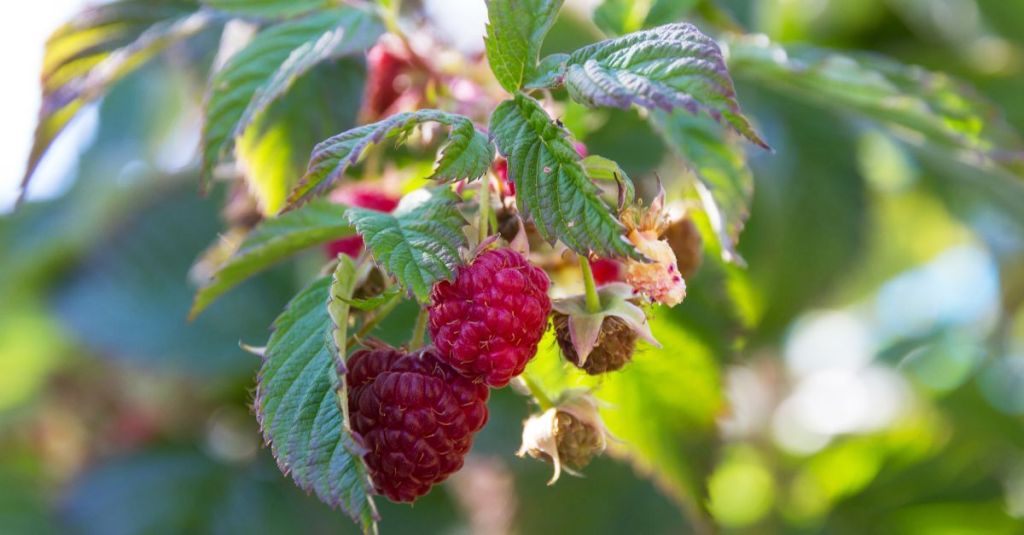
Packaging waste disappears when you grow your own food. No plastic bags, styrofoam trays, or cardboard packaging ends up in landfills. Instead, you can harvest exactly what you need, when you need it, using reusable containers or simply carrying produce directly from garden to kitchen.
Home gardens also support local ecosystems. Plants provide habitat for beneficial insects, birds, and other wildlife. Many food plants produce flowers that support pollinators, contributing to the health of local bee and butterfly populations.
Composting kitchen scraps to feed your garden creates a closed-loop system that reduces waste while improving soil health.
#4 Mental Health and Physical Wellness Benefits
One of the most important reasons you should start growing your own food is to improve mental and physical health.
Gardening provides a unique form of stress relief that combines physical activity, exposure to nature, and mindfulness. The repetitive motions of planting, weeding, and harvesting can be meditative, helping to quiet busy minds and reduce anxiety.
The physical activity involved in gardening—digging, planting, watering, harvesting—provides low-impact exercise that improves strength, flexibility, and endurance. Unlike gym workouts, gardening feels productive rather than purely recreational, making it easier to maintain as a regular activity.
Sunlight exposure during gardening helps your body produce vitamin D. Many people, especially those who work indoors, don’t get adequate sun exposure, making gardening a natural way to address this deficiency.
Watching plants grow from seeds to harvest provides a sense of accomplishment and connection to natural cycles that many people find deeply satisfying. This connection to the growing process can improve overall life satisfaction and provide a healthy outlet for creativity and nurturing instincts.
#5 Building Community Connections
Gardens naturally create opportunities for social interaction and community building. Neighbors commonly stop to admire gardens, leading to conversations and connections that might not otherwise occur.
Sharing produce, seeds, or gardening advice builds relationships and strengthens community bonds.
Many areas have community gardens, gardening clubs, or plant swaps where like-minded people gather to share knowledge and resources. These groups provide support for beginners, advanced techniques for experienced gardeners, and social interaction centered around a healthy, productive hobby.
Children particularly benefit from involvement in food gardens. Growing food teaches them where their meals come from, the work involved in producing food, and valuable lessons about responsibility and patience.
Excess produce provides opportunities for generosity. Sharing vegetables with neighbors, donating to food banks, or participating in community-supported agriculture creates a positive social impact while ensuring your harvest doesn’t go to waste.
#6 It’s Simple & Satisfying
Starting a food garden doesn’t require extensive experience or perfect conditions. Begin small with easy-to-grow crops like lettuce, herbs, or cherry tomatoes. These plants are forgiving for beginners while providing quick, satisfying results.
Container gardening works well for renters or those with limited space. Pots, window boxes, or raised beds can produce substantial harvests without requiring a traditional yard.

Many vegetables actually thrive in containers, making this approach both practical and productive. Don’t worry; when you buy plants online, you can easily find tips for growing conditions and techniques, making it easy to set up the best home for your plants.
Local resources can provide valuable guidance for new gardeners.
Cooperative extension offices offer region-specific growing advice, while local nurseries understand your area’s climate, soil conditions, and optimal planting times. Online communities and gardening forums provide 24/7 support and advice from experienced growers.
Start planning your garden by considering what your family actually eats and enjoys. Growing vegetables you don’t like wastes time and space, while focusing on favorites ensures your efforts translate directly into meals you’ll appreciate.
Your Garden Awaits
Growing your own food offers benefits that touch every aspect of life—from your health and budget to your mental wellbeing and community connections. The journey from seed to harvest provides satisfaction that extends far beyond the produce itself.
You don’t need to transform your entire yard or commit to feeding your family entirely from your garden. Start small, learn as you go, and expand your efforts as your confidence and experience grow.
Even a few herbs on a windowsill or tomatoes in containers can begin delivering the benefits described above.
Take the first step by visiting your local garden center, joining a community garden, or simply ordering plants online for next season’s planting. Your future self—and your dinner table—will thank you for beginning this rewarding journey toward greater food independence and better living.

 Ty Ty Plant Nursery's Blog
Leave a reply to Fall Gardening Tips for a Successful Spring – Frankenlife Cancel reply