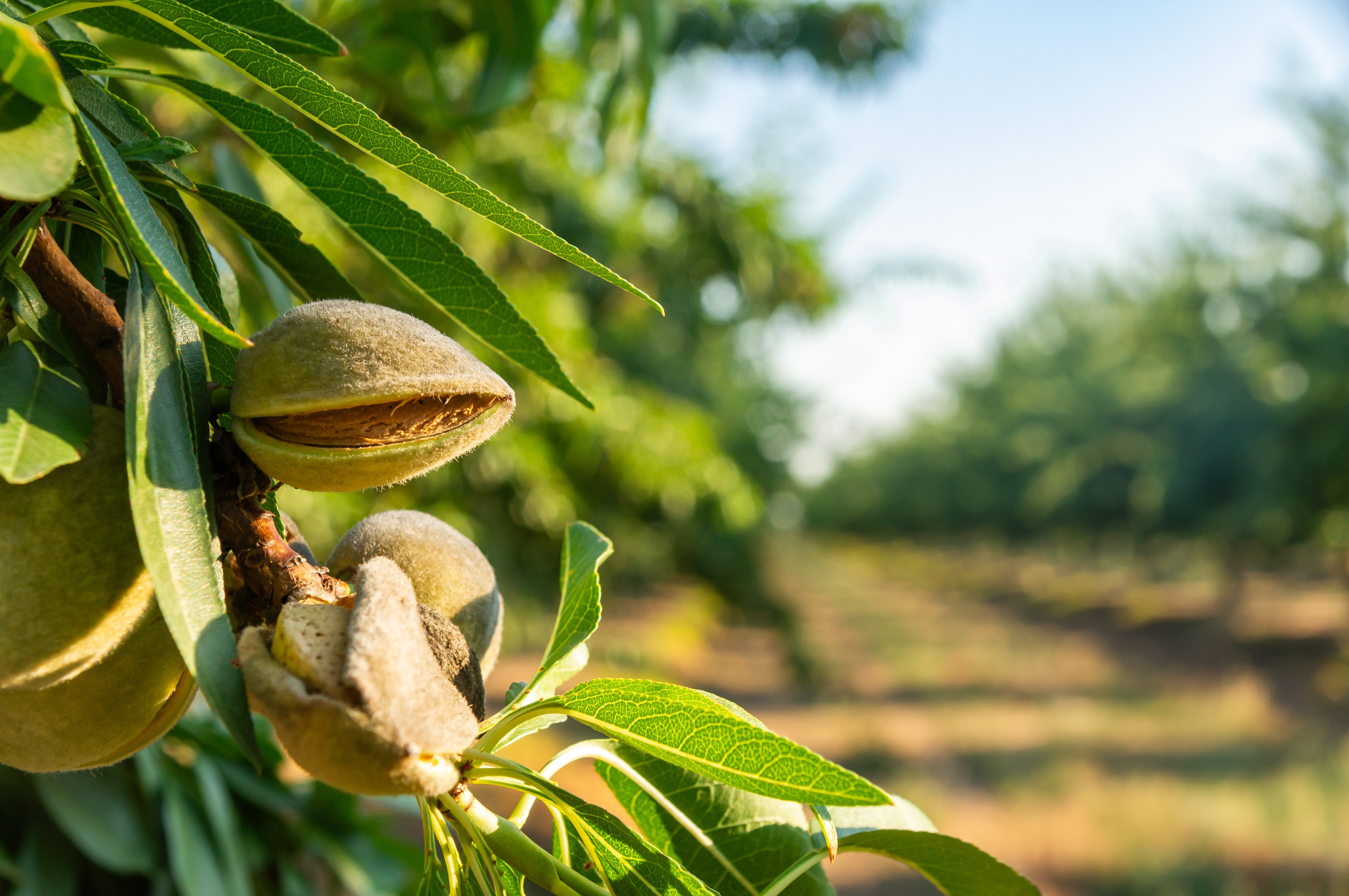
If you planted a bare root almond tree this spring, you’ve likely watched it spend the growing season putting down roots and stretching toward the sky with tender new growth. While almond trees are tough and adaptable once established, their first year is a delicate stage. By fall, the tree is shifting from active growth to dormancy, and how you guide this transition will make the difference between a tree that limps through the winter and one that wakes up strong in the spring.
Fall is not the time for pushing more growth—it’s the season of protection, preparation, and prevention. Here’s how to help your young almond tree adjust to the coming cold.
Understanding the Tree’s Shift in Autumn
During summer, your almond tree poured energy into new shoots and leaves. As fall arrives, it begins pulling nutrients and carbohydrates back into the root system and woody tissues to store them for winter survival. Your job at this stage is to support this natural process by slowing growth, hardening off tissues, and protecting vulnerable areas like roots and bark from the stresses of freezing weather.
Adjusting Water and Feeding Practices
Fertilizing and heavy feeding should have already stopped by late summer. Giving nitrogen now can stimulate tender new shoots that won’t harden before frost, leaving them prone to winterkill. Instead, focus on adjusting watering.
Continue to provide deep irrigation during dry spells until the soil begins to freeze. Unlike mature trees, first-year almonds don’t have extensive root systems to draw on groundwater reserves. However, avoid saturating the soil, which can lead to root rot in cool, damp conditions. Think of watering as balancing hydration with dormancy—keeping the roots moist, not pushing new growth.
Mulching for Root Zone Protection
Mulching is one of the most effective steps you can take in fall. Almond roots, especially those close to the soil surface, are susceptible to damage from freeze-thaw cycles. Applying 2–4 inches of organic mulch, such as shredded bark, straw, or compost, helps regulate soil temperature, conserve moisture, and protect delicate feeder roots.
Be sure to leave a small gap around the trunk when applying mulch. Direct contact can trap moisture against the bark, encouraging fungal growth or rodent activity. In very cold climates, adding an extra mulch layer around the crown provides additional insulation for winter.
Guarding the Trunk and Limbs
Young almond trees have thin bark that is especially vulnerable to sunscald and frost cracks. On sunny winter days, the bark can warm up and begin to thaw, only to freeze again rapidly at night. This expansion and contraction can split the bark. Protect the trunk by applying a white tree guard or spiral wrap in late fall. These wraps reflect sunlight and prevent extreme temperature swings. They also double as a deterrent against rodents that may gnaw at bark during snowy months.
Managing Canopy and Orchard Floor
While major pruning should wait until late winter, fall is a good time for orchard cleanup. Remove any diseased, broken, or crossing branches to improve airflow and reduce overwintering sites for pests. Rake up fallen leaves and any debris around the tree’s base to prevent fungal spores and insects from overwintering near the root zone. A clean orchard floor is often the simplest form of disease prevention.
Final Readiness Check Before Frost
As winter approaches, take a final look at your tree. Is the mulch in place and not against the trunk? Is the tree guard secured properly? Have fallen leaves been removed? Are the roots adequately hydrated before the ground freezes? A few minutes of inspection now can save you from setbacks in the spring.
🛒 Where to Buy Bare Root Almond Trees
When you’re ready to expand your orchard or replace older trees, go with a trusted supplier. Ty Ty Plant Nursery, LLC provides growers with:
✅ Best prices on bare root almond trees and other nut varieties
✅ High-quality, non-GMO trees suited to your planting zone
✅ Fast shipping so trees arrive healthy and planting-ready
✅ Free 1-Year Plantsurance™ Guarantee – store credit if your tree doesn’t survive 🛡️
At Ty Ty, we deliver zero stress and all success from planting day to harvest season.
🌟 Closing Thought
The first fall is about teaching your almond tree how to survive, not just grow. By focusing on hydration balance, mulching, trunk protection, orchard hygiene, and encouraging dormancy, you’ll guide your tree safely into winter. Come spring, it will be ready to resume growth with vigor, laying the foundation for strong structure and future nut harvests.
Order your next bare root almond trees from Ty Ty Plant Nursery, LLC and give your orchard the best possible start.

Leave a Reply