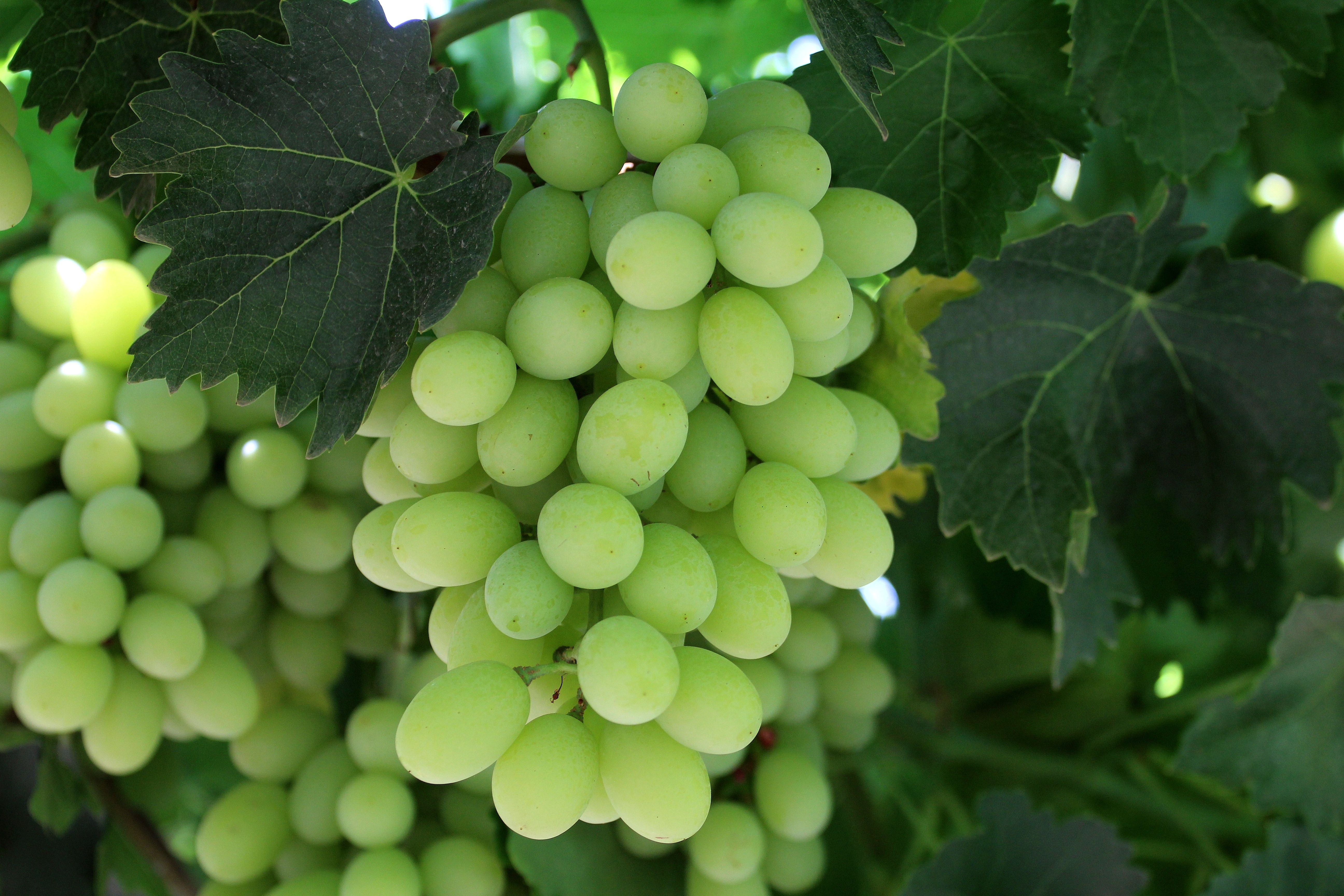
Bunch grapes are a favorite for home growers and vintners alike, producing clusters that can be eaten fresh, made into jam, or used for winemaking. But before you plant, it’s important to make informed choices. Chill hours, planting location, and variety selection all play a role in whether your grape vines will thrive. Planning ahead ensures your vineyard—whether one row or many—gets the best possible start.
Chill Hours: Why They Matter
Like many fruiting plants, grape vines require a certain number of chill hours each winter to reset their growth cycle. Chill hours are the total time a plant experiences cool temperatures between about 32°F and 45°F. This dormant rest period is what triggers strong bud break and flowering in spring.
Chill hour accumulation depends on where you live:
- Northern states such as New York, Michigan, and Wisconsin often see more than 1,000 chill hours.
- Midwestern and mid-Atlantic regions typically average between 600 and 900 hours.
- Southern states like Georgia, Texas, and Florida may only reach 300 to 500 hours.
Different grape varieties have different requirements, so choosing a vine suited to your region’s chill hours is critical for consistent yields.
Planting Location: Soil and Site Prep
Grape vines demand full sun—at least 6 to 8 hours per day—for proper ripening and fruit sweetness. They grow best in well-drained soil, whether loam, sandy loam, or amended clay. Avoid planting in areas where water collects, as excess moisture can cause root diseases.
When preparing your planting site, set your vines up for long-term success:
- Add Nutra Pro First-Year Fertilizer Packs to provide steady nutrition during establishment.
- Use a soil moisture transplant mix to retain water at the root zone and reduce watering needs.
- Protect young vines with max growth vineyard shelters, which shield against deer, rabbits, and even sunscald while creating a mini-greenhouse effect to promote early growth.
Also consider air circulation—planting on a slight slope or in rows oriented with prevailing winds can reduce humidity and disease pressure.
Varieties and Pollination
Bunch grapes come in many types, from seeded to seedless, and from table grapes to wine grapes. The best choice depends on your climate, soil, and intended use. Northern growers may prefer cold-hardy varieties like Concord or Niagara, while southern gardeners might select varieties bred to tolerate heat and lower chill hours.
Unlike some fruit trees, grape vines are self-pollinating. However, planting multiple vines often increases overall productivity and provides extended harvest windows with staggered ripening times. Choosing the right varieties ensures not only survival but also the quality and consistency of your harvest.
🛒 Where to Buy Bare Root Grape Vines
When you’re ready to order, the most reliable source is Ty Ty Plant Nursery, LLC:
✅ Best prices on premium bunch grape vines
✅ Non-GMO, climate-appropriate selections
✅ Fastest shipping so vines arrive fresh and ready to thrive
✅ Free 1-Year Plantsurance™ Guarantee – store credit if your vine doesn’t survive 🛡️
At Ty Ty, growing grapes is always zero stress and all success.
🌟 Final Thought
Starting a vineyard, even a small one, requires thoughtful planning. By understanding your region’s chill hours, choosing the right planting site, and selecting varieties suited to your climate, you’ll create the foundation for years of abundant grape harvests.
Order your bare root bunch grape vines from Ty Ty Plant Nursery, LLC today and start planting with confidence.

Leave a Reply