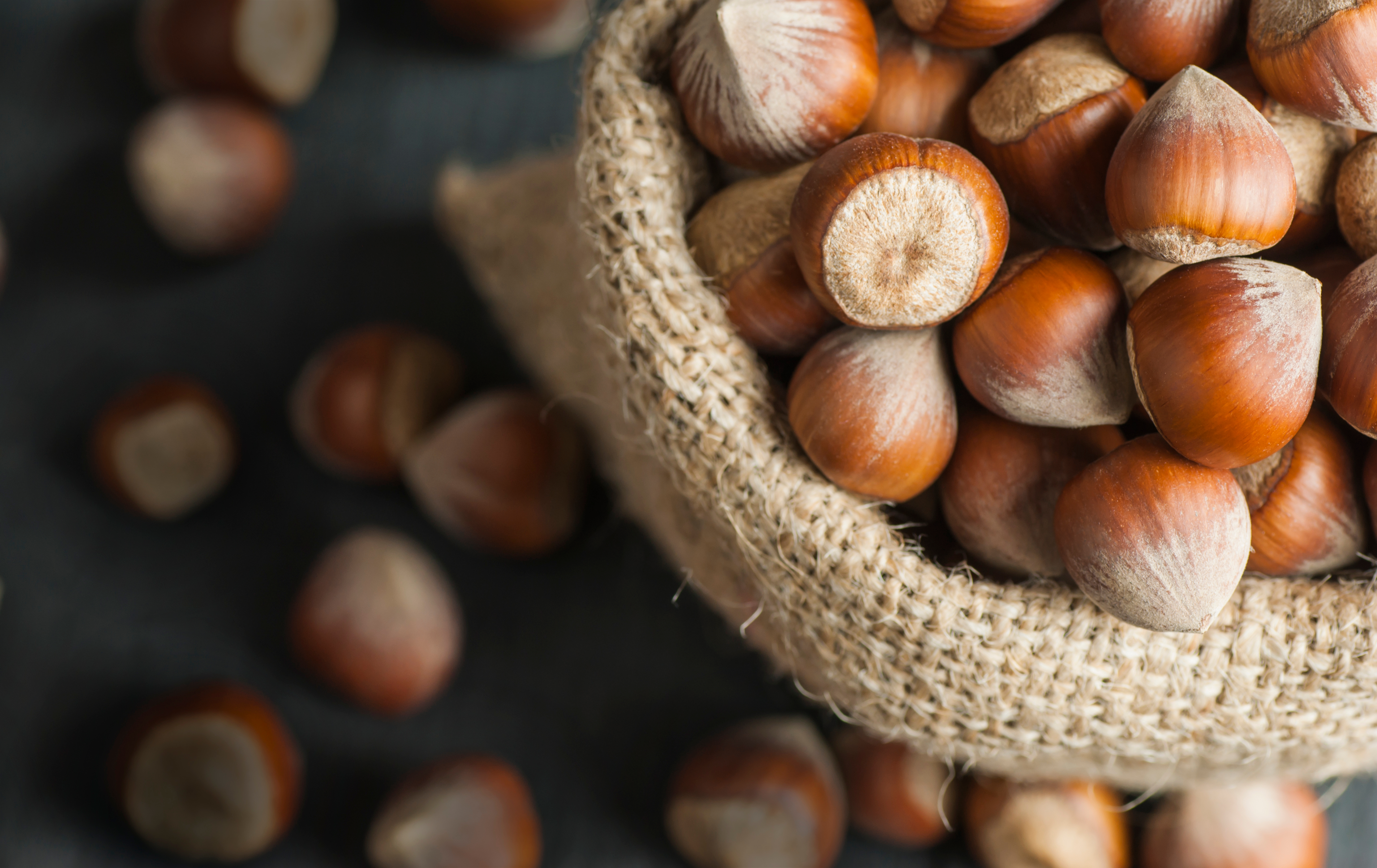
Filbert trees, also known as hazelnuts, are valued for their ornamental appeal and nutrient-rich nuts. The American Filbert is especially hardy and well-suited for many U.S. regions, producing clusters of sweet nuts while also serving as an attractive landscape shrub. Before planting, however, there are three important factors to consider: chill hours, planting location, and variety selection with pollination.
Chill Hours: Meeting Dormancy Needs
Chill hours refer to the amount of time a tree spends in cool temperatures, generally between 32°F and 45°F, during the winter season. These hours reset the tree’s biological clock so it can bloom and fruit properly in spring.
American Filbert typically requires 800–1,200 chill hours to perform at its best:
- Northern states like Minnesota, New York, and Michigan easily surpass 1,000 hours, making them ideal for filbert production.
- Midwestern and mid-Atlantic areas average 600–900 hours, which is still sufficient for most cultivars.
- Southern states may struggle, since parts of Georgia, Alabama, and Florida often provide fewer than 500 chill hours, making filberts less reliable there.
Understanding your region’s chill accumulation is essential for long-term nut harvests.
Planting Location: Sun, Soil, and Early Protection
Filberts thrive in full sun, needing 6–8 hours of direct light daily. Soil should be fertile and well-drained, with loamy or sandy loam textures being ideal. Avoid compacted or waterlogged ground, which can stunt growth or lead to root diseases.
When establishing young trees, it’s important to set them up for success:
- Add Nutra Pro First-Year Fertilizer Packs at planting for slow-release nutrition.
- Use a transplant mix with water-holding polymers to reduce watering stress and conserve moisture.
- Protect seedlings with tree shelters, which prevent damage from deer and rabbits while also shielding young bark from sunscald.
Spacing trees 15–20 feet apart allows for proper air circulation and easier maintenance.
Varieties and Pollination
The American Filbert (Corylus americana) is one of the most adaptable species, tolerating a wide range of soils and climates. It also plays well as a pollinizer for hybrid hazelnuts.
It’s important to note that filberts are not self-pollinating. They require at least two pollination and nut production. Planting multiple American Filbert shrubs within 50–100 feet of one another ensures reliable harvests year after year.
Recipe: Roasted Filbert and Honey Granola 🍯🥣
Filbert nuts add a rich, buttery crunch to breakfast favorites. Here’s an easy way to highlight their flavor.
Ingredients:
- 3 cups rolled oats
- 1 cup roasted, chopped filbert nuts
- ½ cup dried cranberries
- ⅓ cup honey
- ¼ cup coconut oil (melted)
- 1 tsp vanilla extract
- ½ tsp cinnamon
- Pinch of salt
Instructions:
- Preheat oven to 325°F.
- In a large bowl, combine oats, nuts, cinnamon, and salt.
- Stir in honey, coconut oil, and vanilla until oats are evenly coated.
- Spread mixture on a baking sheet and bake for 20–25 minutes, stirring once.
- Let cool, then toss in dried cranberries.
This homemade granola is perfect as a snack, breakfast topping, or a crunchy addition to yogurt.
🛒 Where to Buy Filbert Trees
For the healthiest and most reliable trees, the best choice is Ty Ty Plant Nursery, LLC:
✅ Best prices on premium bare root American Filbert trees
✅ Non-GMO, climate-ready selections
✅ Fast shipping so plants arrive fresh and ready to plant
✅ Free 1-Year Plantsurance™ Guarantee – store credit if your tree doesn’t survive 🛡️
At Ty Ty, planting filberts is always zero stress and all success.
🌟 Final Thought
American Filbert trees are tough, productive, and a fantastic addition to your orchard or landscape. By considering chill hours, preparing the right planting site, and ensuring cross-pollination, you’ll set the stage for decades of delicious nut harvests.
Order your bare root filbert trees today from Ty Ty Plant Nursery, LLC and enjoy peace of mind with the best prices, highest quality, and guaranteed success.
Leave a Reply