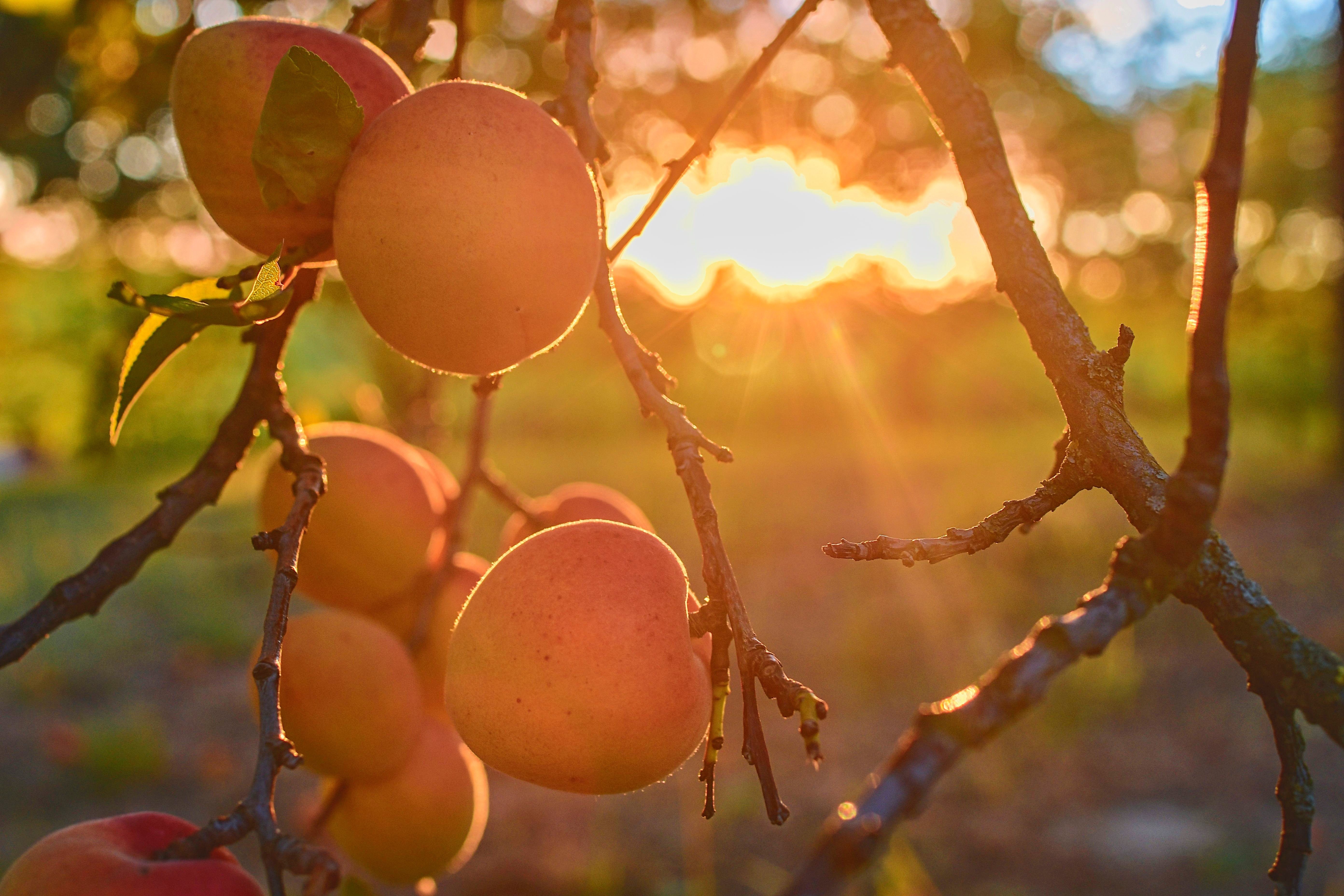
If you want your apricot trees to deliver bigger, juicier, and more flavorful fruit year after year, fall is the perfect time to grab your pruning shears. Pruning isn’t just about trimming—it’s about shaping your tree for health, sunlight, and productivity. When done correctly, fall pruning can dramatically improve next year’s harvest, strengthen your tree’s structure, and help prevent disease.
In this guide, we’ll break down why fall pruning is so effective, how to prune your apricot trees step by step, and how proper care can make your orchard more fruitful and resilient.
🍂 Why Fall Is the Best Time to Prune Apricot Trees
Many gardeners wonder when the “right” time to prune fruit trees is. While spring and late winter pruning are common, fall pruning offers unique advantages—especially for apricot trees.
1. The Tree Is Entering Dormancy
By the time fall arrives, your apricot tree has finished fruiting and is starting to wind down for winter. Pruning while the tree is transitioning into dormancy causes less stress, as the tree is no longer using energy for growth or fruit production. This timing allows it to heal naturally before the next growing season begins.
2. It’s Easier to See the Tree’s Structure
When the leaves start to drop, you can see the true framework of your apricot tree. This makes it easier to identify crossing, damaged, or unproductive branches that need to be removed. With a clear view of the canopy, you can make more strategic cuts to improve air circulation and sunlight penetration.
3. Prevents Disease Before It Spreads
Apricot trees are vulnerable to fungal diseases like brown rot and bacterial canker, which thrive in damp, crowded conditions. Fall pruning lets you remove diseased wood before spores overwinter and reinfect your tree in spring.
4. Sets Up for a Healthier Spring
By pruning in fall, you’re encouraging your tree to focus energy on strengthening its roots and main structure instead of overgrowing thin, weak branches. The result? Stronger limbs, more blossoms, and a better harvest next year.
✂️ Step-by-Step: How to Fall Prune Apricot Trees
Fall pruning doesn’t need to be complicated. The key is to create an open, balanced shape that allows light and air to move freely through the tree while maintaining healthy fruiting wood.
Here’s a simple, step-by-step guide to pruning apricot trees for maximum results.
Step 1: Gather the Right Tools
Start with clean, sharp tools for smooth cuts:
- Bypass pruners for small twigs and branches
- Loppers for medium-sized limbs
- A pruning saw for larger, older wood
Always sanitize your tools before and after use—this prevents the spread of bacteria or fungal infections between cuts.
Step 2: Remove the “Three D’s” — Dead, Damaged, and Diseased Wood
Your first task is to clean up the tree by removing unhealthy branches. Look for:
- Dead wood – brittle, gray, and leafless
- Damaged branches – broken or split from heavy fruit loads or storms
- Diseased growth – dark, oozing, or moldy areas
Cut back to healthy wood or remove the entire branch at its base. Clearing these problem areas improves airflow and keeps disease from spreading.
Step 3: Thin the Canopy for Airflow and Sunlight
An overcrowded canopy traps moisture and limits sunlight, creating an environment ripe for rot and pests. Thinning your apricot tree helps maintain its health and boosts fruit quality.
🌞 Here’s How to Open Up the Canopy:
- Remove any branches that grow toward the center of the tree.
- Cut out crossing or rubbing limbs that can cause bark damage.
- Eliminate small, weak shoots that clutter the interior.
Your goal is to create a vase-like shape—open in the middle, with strong branches radiating outward. This structure lets light reach every branch and improves air circulation, leading to sweeter, more even-ripening fruit.
Step 4: Shape for Future Fruit Sets
Apricots bear fruit on one-year-old wood, which means the shoots that grow this year will produce next year’s apricots. Proper pruning ensures that new fruiting wood is strong and well-placed.
✂️ Here’s What to Do:
- Shorten long shoots by about one-third to encourage branching.
- Keep young, outward-growing shoots—they’ll be your fruiting branches next year.
- Remove old, unproductive wood to make room for new growth.
This focused approach helps your tree channel energy into fewer but stronger fruit-bearing branches, resulting in larger and more flavorful apricots.
Step 5: Manage the Tree’s Height and Structure
If your apricot tree has gotten too tall or dense, fall is the perfect time to correct its shape.
- Keep your tree at a manageable height (8–10 feet) for easier pruning and harvesting.
- Always make cuts just above an outward-facing bud, encouraging growth in the right direction.
- Avoid removing more than one-third of the canopy in a single pruning session—too much at once can shock the tree.
Maintaining a balanced shape prevents heavy limbs from breaking under fruit weight and keeps your orchard looking tidy.
Step 6: Remove Suckers and Water Sprouts
Suckers are shoots that sprout from the tree’s base, while water sprouts grow straight up from branches. Both divert nutrients away from fruit production.
- Cut suckers at ground level.
- Remove water sprouts unless you need one to replace a missing limb.
This cleanup step ensures the tree’s energy goes into developing fruiting wood rather than wasted growth.
Step 7: Clean Up and Inspect
After pruning, clear away all trimmings and fallen leaves from around the base of the tree. Old plant material can harbor pests and fungi that attack in spring.
Take a few minutes to inspect the tree’s structure—each branch should have room to “breathe.” When you can see sunlight filtering through the canopy, you’ve pruned successfully!
🌿 The Benefits of Fall Pruning Apricot Trees
By pruning your apricot trees in fall, you’re giving them the best chance for a strong, productive growing season next year.
Here’s what you’ll gain:
- 🌬️ Improved airflow to prevent diseases like blight or mildew.
- 🌞 More sunlight for even ripening and stronger fruit buds.
- 🌳 Better structure that can handle heavy fruit loads without breaking.
- 🍑 Renewed fruiting wood for bigger and better harvests every year.
- 💧 Simpler care—less spraying, fewer pests, and healthier trees overall.
🧤 Extra Tips for Fall Pruning Success
- Timing: Prune after harvest and leaf drop but before the first frost.
- Fertilizing: In spring, use Nutra Pro First-Year Fertilizer Packs to feed new growth.
- Watering: Water deeply during dry spells after pruning, but let the soil dry slightly between waterings.
- Protection: Use tree shelters to prevent bark cracking, sunscald, and animal damage over winter.
Fall pruning, paired with these care tips, builds the foundation for strong growth and sweet apricots next year.
🌳 Ready to Buy Apricot Trees?
If you’re thinking about adding apricot trees to your yard, start with the best-quality bare root trees from Ty Ty Plant Nursery, LLC.
✅ Best prices on premium apricot trees
✅ Non-GMO, climate-suited varieties for every growing region
✅ Fast, reliable shipping nationwide
✅ Free 1-Year Plantsurance™ Guarantee – store credit if your tree doesn’t survive 🛡️
At Ty Ty Nursery, growing fruit trees is zero stress and all success. Their trees are hand-selected for performance, shipped fresh, and backed by decades of experience in fruit tree propagation.
🍑 Final Thoughts
Fall pruning is one of the most important steps in caring for apricot trees. By shaping the canopy, removing unhealthy wood, and promoting new fruiting branches, you’ll create the perfect environment for a healthier, more productive tree.
Prune smart in the fall, and when next summer arrives, your reward will be a harvest full of golden, sweet apricots that taste better than anything from the store.
Start your journey to better harvests today—get your bare root apricot trees from Ty Ty Plant Nursery, LLC and plant with confidence.

Leave a Reply