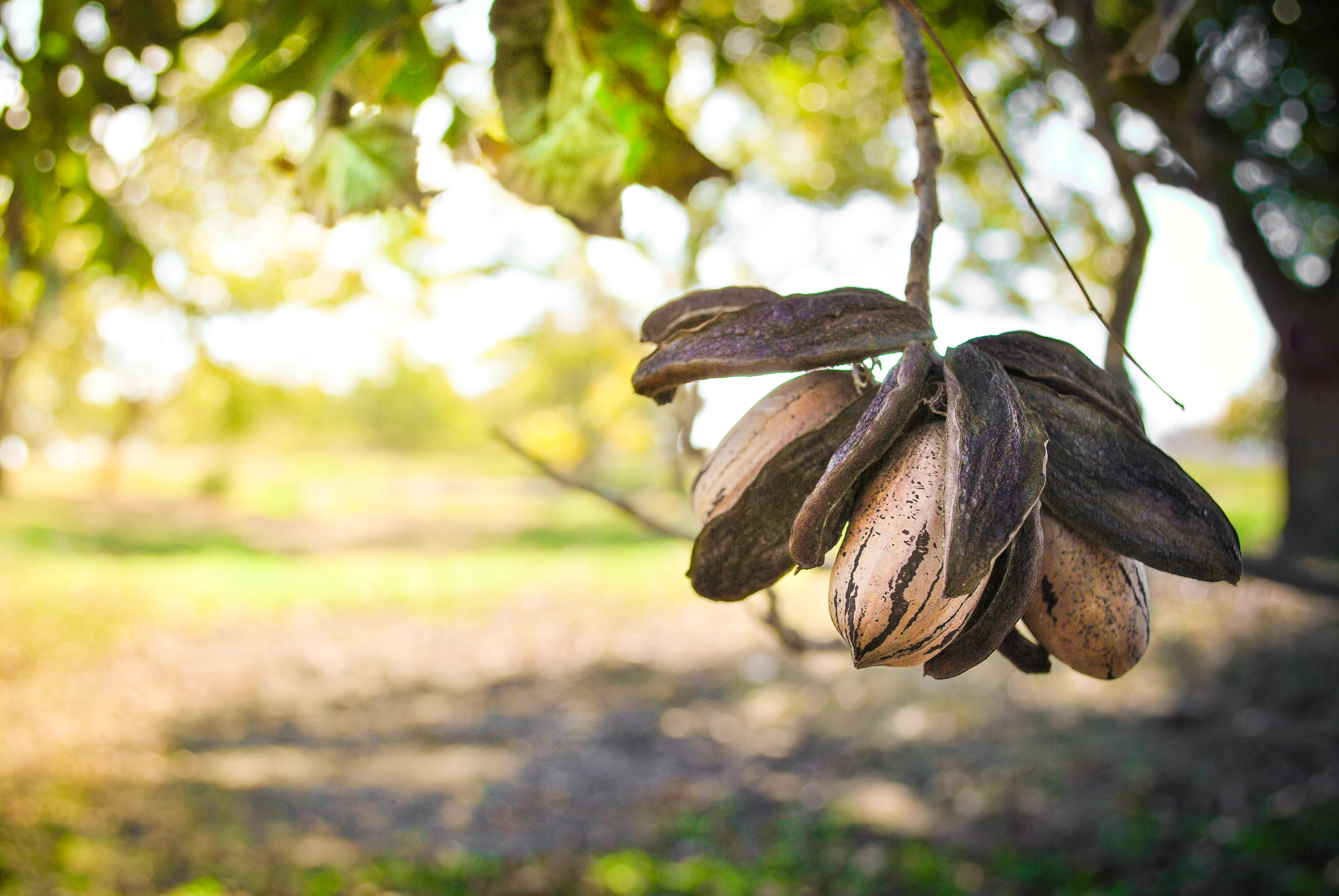
Pecan trees are one of the most iconic and productive nut trees in the South — known for their shade, longevity, and delicious harvests. Whether you’re growing a small backyard tree or managing a full orchard, proper pruning is key to keeping your trees strong, balanced, and productive. Learning how to fall prune pecan trees will help your trees produce larger nuts, resist disease, and maintain a beautiful shape year after year.
In this step-by-step guide, we’ll cover why fall is the best time to prune pecan trees, how to prune safely and effectively, and where to buy healthy pecan trees online from Ty Ty Nursery — trusted by growers nationwide since 1978.
🌿 Why Prune Pecan Trees?
Pecan trees are naturally large and vigorous, but without pruning, they can develop weak branch angles, uneven growth, and poor air circulation. Annual pruning promotes a strong structure and ensures that sunlight reaches every part of the canopy — which directly affects nut size and quality.
Here are the main benefits of pruning pecan trees:
- Encourages a strong, balanced branch structure
- Improves sunlight penetration and air circulation
- Prevents disease and pest buildup
- Stimulates new, nut-producing wood
- Maintains a manageable tree height for harvesting
By pruning your pecan trees each fall, you’re not just improving appearance — you’re investing in healthier trees and heavier harvests for years to come.
🍂 Why Fall Is the Best Time to Prune Pecan Trees
While light pruning can be done during the growing season, fall pruning offers unique advantages for pecan trees. After the nuts drop and the leaves begin to turn, the tree starts entering dormancy. This is the ideal time to prune because it reduces stress on the tree and prevents disease from entering fresh cuts.
- Less stress on the tree: Dormant trees don’t actively grow, so pruning won’t disrupt sap flow or nutrient movement.
- Better visibility: Once the leaves drop, you can clearly see the tree’s structure and identify problem branches.
- Disease prevention: Pruning dead or damaged wood before winter helps reduce pest and fungal infections.
- Prepares for spring growth: Fall pruning helps the tree store energy in its roots for vigorous regrowth in spring.
Pruning in fall gives your pecan trees a clean start going into winter and a healthier jump into the next growing season.
✂️ Step-by-Step: How to Fall Prune Pecan Trees
Pruning pecan trees might seem intimidating, but with the right approach, it’s easy and rewarding. Here’s how to do it:
1. Gather Your Tools
You’ll need a pair of sharp pruning shears for small branches, loppers for medium limbs, and a pruning saw for thicker wood. Always disinfect your tools with rubbing alcohol before you begin to prevent the spread of disease.
2. Inspect the Tree’s Structure
Step back and look at the overall shape of your tree. Mature pecan trees should have a single strong trunk (central leader) with evenly spaced lateral branches that form a balanced canopy. The goal is to maintain structure, not radically reshape the tree.
3. Remove Dead or Diseased Wood
Start by cutting away any dead, broken, or diseased branches. These can harbor pests and create weak points that can split in strong winds. Cut back to healthy wood just above a bud or side branch.
4. Eliminate Crossing or Crowded Branches
If branches are rubbing or crossing, remove the weaker one. Crowded limbs restrict airflow, which can lead to fungal problems like pecan scab.
5. Thin Out the Canopy
Open the canopy by removing small branches that block sunlight from reaching inner limbs. Proper airflow and light are essential for nut production and tree health.
6. Shorten Long, Heavy Limbs
Cut back overextended branches to prevent them from breaking under the weight of future nut clusters. Make your cuts near a lateral branch or strong bud, keeping the natural shape of the tree.
7. Clean Around the Base
Remove water sprouts (fast-growing vertical shoots) and suckers from the base of the tree. These draw nutrients away from the upper canopy and nut-bearing limbs.
8. Dispose of Pruned Material
Gather and discard all pruned branches, especially any that show signs of disease or insect damage. Composting diseased material can reintroduce problems to your orchard.
🌞 After-Pruning Care
- Water your tree deeply before winter to help it store moisture.
- Do not fertilize immediately after pruning — wait until early spring.
- Apply 2–3 inches of mulch around the base to insulate roots and prevent weeds.
🚫 Common Pecan Pruning Mistakes
- Pruning too early, before dormancy begins
- Over-pruning more than 25–30% of the canopy
- Leaving rough or torn cuts that can invite disease
- Failing to disinfect pruning tools between trees
- Ignoring suckers or water sprouts
Benefits of Fall Pruning Pecan Trees
Fall pruning offers long-term benefits for both the health and productivity of your pecan trees. With just a few careful cuts each year, you can expect:
- Stronger, more balanced trees
- Improved airflow and sunlight exposure
- Reduced disease and pest pressure
- Bigger, higher-quality nut yields
- Increased orchard lifespan and safety
Proper pruning isn’t just maintenance — it’s the key to long-term productivity and success.
🌳 Where to Buy Pecan Trees Online
When it’s time to plant or replace pecan trees, the best source for high-quality trees is Ty Ty Nursery. Since 1978, Ty Ty has shipped premium fruit and nut trees nationwide — all backed by unmatched service and guarantees.
- Free 1-Year Plantsurance™ Guarantee — store credit if your plant doesn’t survive
- Lifetime True-to-Name Guarantee — refund, replacement, or credit if the variety is mislabeled
- Fastest shipping in the industry — most orders ship the next business day
- USDA Zone Finder Tool — helps you choose the best trees for your location
From Desirable and Pawnee to Stuart and Oconee varieties, Ty Ty Nursery offers the largest selection of pecan trees for both home and commercial growers. Visit www.TyTyGa.com today and grow your orchard with confidence.
🌾 Final Thoughts
Pruning your pecan trees each fall helps maintain their health, strength, and productivity. By removing old wood, thinning crowded branches, and shaping the canopy, you’ll encourage healthier growth and higher nut yields next year.
When you’re ready to expand your orchard or replace aging trees, trust Ty Ty Nursery — America’s most reliable source for pecan trees, backed by 45+ years of growing expertise. Zero Stress. All Success.™

Leave a Reply