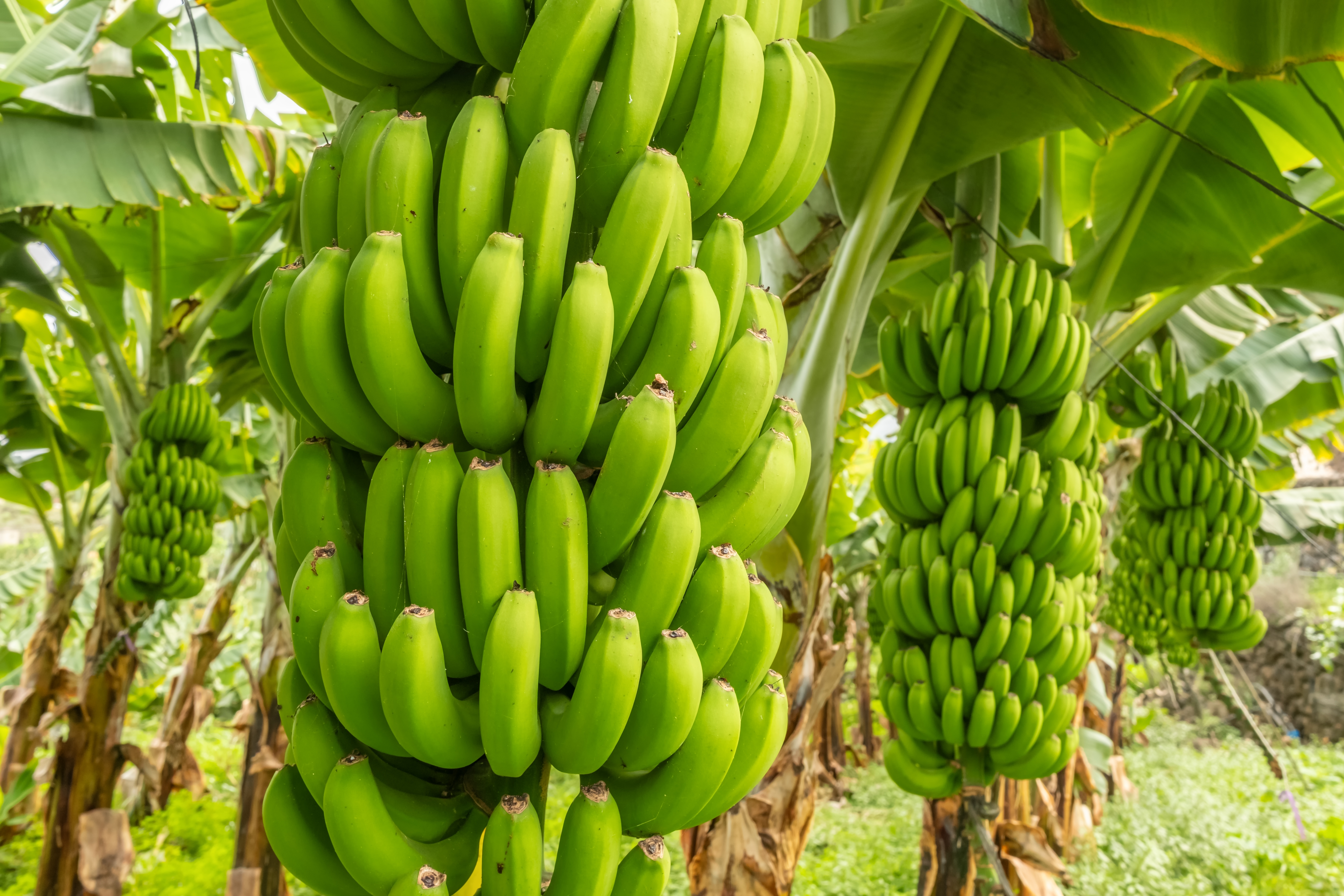
Banana plants are fast-growing, tropical and subtropical plants that bring a bold look and impressive growth rate to home landscapes. Whether grown for fruit, ornamental value, or both, bananas respond dramatically to proper care as they transition from winter into spring. Even in regions where bananas die back to the ground each winter, what you do during the final weeks of cold weather plays a major role in how quickly and vigorously they return once temperatures warm.
Late winter is a critical transition period for banana plants. Growth may appear stalled above ground, but underground corms are very much alive and preparing for the next growth cycle. Taking the right steps now can lead to earlier shoot emergence, stronger pseudostems, and faster recovery once spring arrives.
Why Late Winter Care Matters for Banana Plants
Unlike woody fruit trees, banana plants grow from underground corms rather than permanent trunks. The visible “trunk” is actually a pseudostem made of tightly wrapped leaf bases. In cooler climates, this pseudostem may die back partially or completely during winter, but the corm remains viable below the soil surface.
Late winter preparation helps:
- Protect the corm from cold damage
- Encourage faster spring shoot emergence
- Support stronger pseudostem growth
- Reduce rot and disease pressure
- Improve overall plant vigor during the growing season
Banana plants that are properly protected and managed in late winter often resume growth weeks earlier than neglected plants.
Assess the Condition of Banana Plants After Winter
Begin by evaluating the condition of your banana plants. Winter temperatures, wind, and moisture levels can affect both above-ground and below-ground portions of the plant.
If pseudostems are still standing, check for soft, mushy tissue or discoloration, which may indicate cold or moisture damage. Firm, green tissue inside the stem is a good sign that part of the pseudostem survived the winter.
If the pseudostem has collapsed or died back completely, do not panic. As long as the corm is healthy, new shoots will emerge once soil temperatures rise.
Remove Dead or Damaged Pseudostem Tissue
Late winter is a good time to clean up banana plants by removing dead or damaged pseudostem material. This helps prevent rot and improves air circulation around the plant.
Cut back dead pseudostems to healthy tissue, or down to ground level if necessary. Use clean, sharp tools to make smooth cuts. Removing damaged material now allows the plant to focus energy on new growth rather than supporting decaying tissue.
Avoid cutting into the corm itself, as this can invite disease.
Check for Excess Moisture and Improve Drainage
Banana plants are heavy water users during the growing season, but they do not tolerate standing water during cool weather. Late winter is an ideal time to evaluate soil drainage before spring rains increase.
If soil remains saturated for long periods, gently improving surface drainage can prevent corm rot. Raised beds or slight mounding can be helpful in areas with heavy soils.
Do not fertilize at this stage. Banana plants are not actively growing and cannot use nutrients efficiently until warmer weather arrives.
Refresh Mulch for Insulation and Moisture Balance
Mulch is one of the most important tools for protecting banana plants during late winter. A thick mulch layer insulates the corm, moderates soil temperature, and helps regulate moisture.
If mulch has broken down or shifted, refresh it now. Apply organic mulch such as straw, pine needles, leaves, or wood chips in a wide ring around the plant, keeping it a few inches away from the pseudostem to prevent rot.
A well-maintained mulch layer can make the difference between early spring regrowth and delayed emergence.
Protect Against Late Winter Cold Snaps
Late winter often brings unpredictable temperature swings. Warm spells can be followed by sudden freezes that damage tender tissue.
Maintaining mulch and avoiding premature fertilization helps keep banana plants dormant until conditions are stable. In regions where freezes are still possible, temporary coverings such as frost cloth or additional mulch can help protect emerging shoots.
Young or newly planted banana plants benefit most from extra protection during this period.
Inspect for Pests and Rodent Activity
Rodents and other pests may burrow into mulch or soil during winter, potentially damaging banana corms. Late winter is a good time to inspect the planting area.
Look for signs of tunneling, gnawing, or disturbed soil. If issues are present, reduce excessive mulch directly against the corm and consider protective barriers.
Keeping the area tidy helps discourage pests as spring approaches.
Hold Off on Fertilizing Until Active Growth Begins
It is tempting to fertilize banana plants early to “wake them up,” but this can backfire. Fertilizing too soon can stimulate weak growth before temperatures are warm enough to support it.
Wait until new shoots are clearly emerging and nighttime temperatures are consistently warm before applying fertilizer. At that point, nutrients will be used efficiently to support rapid growth.
Thin Suckers Strategically Before Spring Growth Explodes
Late winter is also a good time to evaluate sucker growth around established banana plants. Too many suckers can compete for nutrients and slow overall growth.
Decide which suckers you want to keep for the upcoming season and remove excess ones carefully. This helps concentrate energy into fewer, stronger plants.
Planning sucker management now makes spring maintenance much easier.
Plan for Faster Spring Growth and Summer Performance
Late winter is the perfect time to plan ahead. Consider spacing, sunlight exposure, and water access before growth resumes.
Banana plants grow rapidly once conditions are favorable. Having irrigation, mulch, and support materials ready ensures you can keep up with their pace.
Why Strong Banana Growth Starts Before Spring
Banana plants do not suddenly thrive because spring arrives—they thrive because the groundwork was laid during late winter. Protecting the corm, managing moisture, removing damaged tissue, and planning ahead all contribute to stronger, faster growth.
Plants that are properly prepared now often outperform neglected plants by a wide margin throughout the growing season.
Why So Many Gardeners Choose Ty Ty Nursery to Buy Banana Plants
- Large selection of banana plants for sale
- Best prices compared to many national competitors
- Fastest in-season shipping — plant in days the Ty Ty way
- Industry-leading guarantees included free
- Certified Google Quality Store View Google Reviews
- Nearly 50 years in business with over 10 million plants shipped
- Tens of thousands of 5-star reviews Read verified customer reviews
- Live plant experts located in Ty Ty, Georgia available by phone at 888-758-2252
- Convenience of shopping online and having banana plants delivered directly to your door
With thoughtful late winter preparation, banana plants can enter spring energized, protected, and ready to grow at full speed.

Leave a Reply