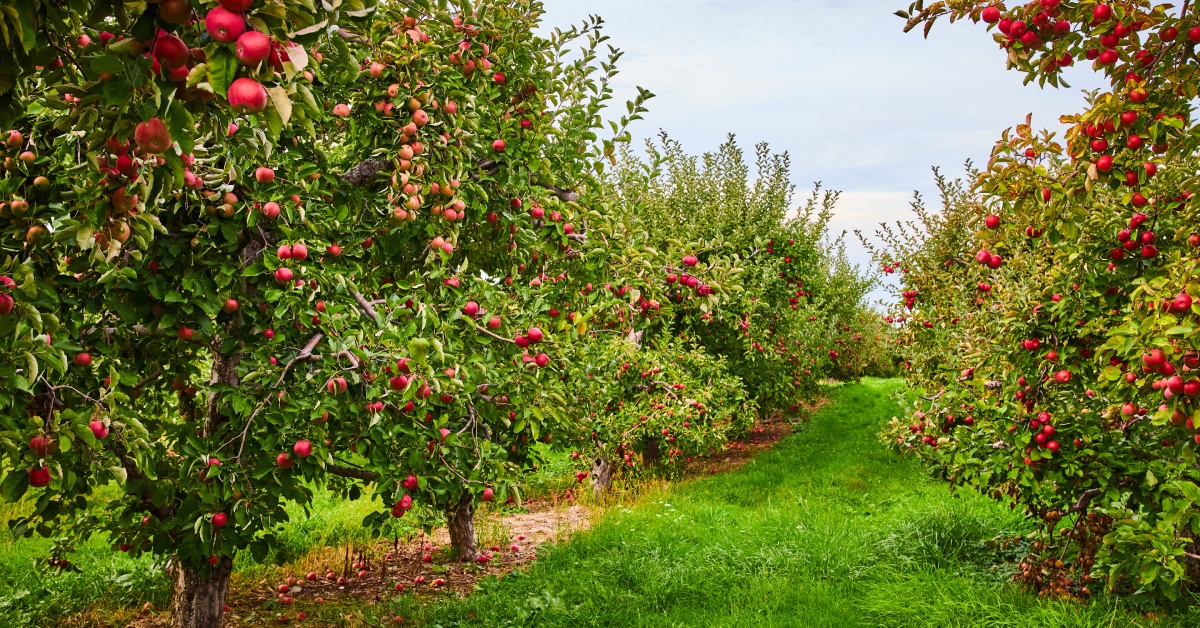
Apple trees love to show off. Once they settle in, they can load themselves with far more fruit than they can support. That heavy crop looks exciting at first, yet it can lead to small apples, broken limbs, and a tired tree the next year.
This guide on when and how to thin apple tree fruit for better harvests walks through timing, methods, and examples that help backyard growers enjoy larger, tastier apples every year. If your apple trees already live in your yard or one sits on your wish list, take a moment to read on and give them the care they deserve.
Why Apple Trees Grow So Much Fruit
Apple trees naturally push out more fruit than they can finish. This habit comes from survival instincts that favor seed spread over fruit size. A tree packed with apples spreads its energy thin, which leads to undersized fruit and stressed branches. That strain also affects the next season, since the tree may rest instead of flower.
Home growers see this pattern all the time. One year brings buckets of small apples, then the next year brings barely any fruit. Thoughtful fruit thinning breaks that cycle and keeps harvests steady.
The Benefits of Thinning Apple Fruit
Fruit thinning gives the tree breathing room. With fewer apples to support, the tree sends nutrients to each fruit more evenly. The result shows up as better size, stronger flavor, and cleaner color.
Branches also stay healthier. Heavy clusters pull limbs downward and can cause splits or breaks. Removing extra fruit early reduces weight and protects the structure of the tree. Your apple tree looks better and lives longer with this balance.

When Fruit Thinning Should Happen
Timing shapes success with fruit thinning. The best window opens after natural fruit drop, which takes place shortly after bloom. Small apples fall on their own during this stage, and the tree signals which fruit it can support.
Most apple trees reach this point about three to four weeks after bloom. The fruit at that stage sits close to the size of a dime or nickel. Waiting past this window reduces the benefit, since the tree already spent energy on extra fruit.
Weather and Tree Health Cues
Weather patterns also guide timing. Mild conditions allow the tree to recover quickly from fruit removal. Extended heat or drought adds stress, so thinning earlier helps the tree manage energy.
Tree health offers clues as well. Young apple trees need lighter crops so they can build roots and branches. Mature trees can handle more fruit, though balance still matters. Pay attention to branch strength and leaf color before work begins.
How Much Fruit Should Stay on the Tree
Spacing matters more than total count. A good rule is to keep one apple every six to eight inches along each branch. This spacing gives each fruit room to grow without competition. Clusters usually form with five or six apples packed together. Choose the strongest apple in each cluster and remove the rest.
How to Choose Which Apples to Remove
Look for fruit with blemishes, odd shapes, or signs of insect damage. Apples with weak stems or poor placement also rank lower. This selection process may feel tough at first. Removing healthy apples seems counterproductive, yet the remaining fruit rewards that effort with better quality at harvest time.
Hand Thinning As the Preferred Method
Hand thinning gives the most control for home growers. It allows careful selection and reduces accidental harm to branches. Fingers or small pruning shears work well for this task.
Grip the apple gently and twist until the stem releases. Avoid pulling straight down, since that motion can tear bark or buds. Move slowly across the tree and step back at times to check spacing.

Using Tools With Care
Pruning shears help with tight clusters or thick stems. Clean blades before use to prevent disease spread. A small bucket or garden bag keeps removed fruit off the ground, which helps reduce pests later in the season. Some growers shake branches to drop excess fruit, though this method lacks precision. It suits large orchards better than backyard trees, since it can remove too much or damage limbs.
Special Care for Young Apple Trees
Young apple trees need extra restraint. During the first two or three fruiting years, limit the crop heavily. This practice allows the tree to focus on roots and structure. Leaving just a handful of apples per tree may feel disappointing. That patience pays off with a stronger tree that produces full crops later without stress or limb damage.
Thinning Dwarf and Semi-Dwarf Trees
Dwarf and semi-dwarf apple trees produce full-size fruit on smaller frames. Their branches carry less weight, so spacing becomes even more vital. Follow the same six to eight inch rule, though lean toward wider spacing.
These trees reward careful thinning with impressive fruit size. Their compact form also makes hand thinning easier and faster.
Common Mistakes to Avoid
Late thinning stands as the most frequent misstep. Waiting until apples swell wastes the chance for size improvement. The tree already spent energy by that point.
Another issue comes from uneven spacing. Leaving clusters in one area and bare spots in another causes branch imbalance. Step back and view the tree as a whole during work.
How Thinning Supports Yearly Harvests
Apple trees that carry balanced crops stay productive year after year. They avoid the boom-and-bust cycle that frustrates many home growers. Consistent thinning keeps flowering and fruit set on track.
This steady rhythm also improves fruit quality across seasons. Apples develop better flavor since the tree spreads nutrients evenly rather than scrambling to support excess fruit. Shop for apple trees online now to experience this quality yourself.
Final Thoughts on Fruit Thinning Success
Apple trees thrive with guidance rather than neglect. Thoughtful fruit thinning transforms heavy clusters into high-quality harvests and protects tree health for years ahead. Knowing when and how to thin apple tree fruit for better harvests comes down to timing, spacing, and patience. Give your trees the care they crave now, and enjoy better apples at harvest time.

Leave a Reply