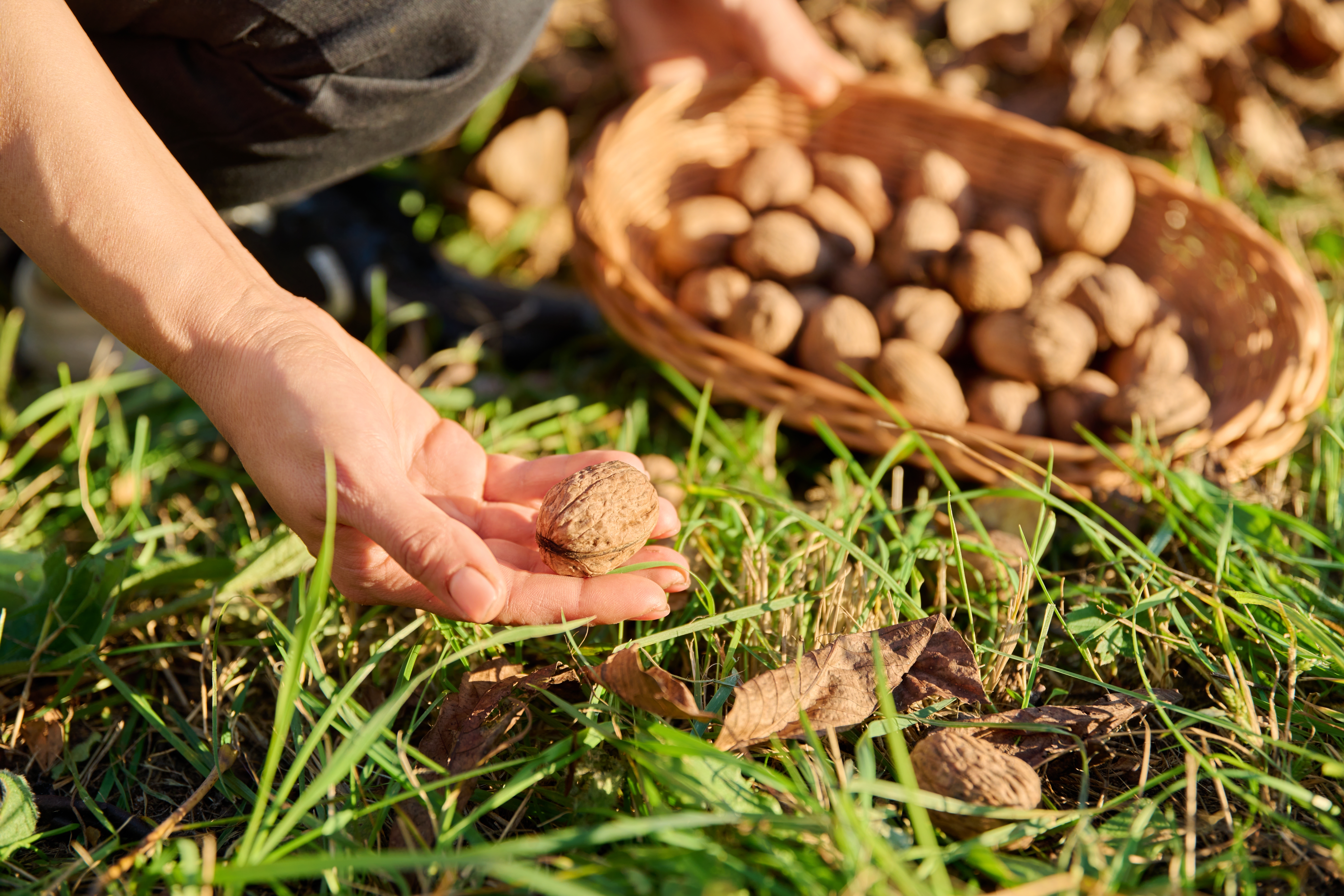
Walnut trees are prized for their long lifespan, valuable wood, and flavorful nuts. Whether you are growing black walnut trees for shade and wildlife or English walnut trees for nut production, late winter preparation is one of the most important periods in the annual care cycle. Even if winter is nearly over, there is still time to make adjustments that can significantly impact spring growth and long-term tree health.
Late winter is a transitional phase for walnut trees. While they may appear fully dormant above ground, internal processes are gradually shifting as soil temperatures increase and daylight lengthens. The steps taken now can influence bud development, root strength, and canopy structure as the tree prepares to leaf out.
Why Late Winter Care Matters for Walnut Trees
Walnut trees break dormancy in early to mid-spring depending on climate. They rely heavily on stored carbohydrates during the transition from dormancy to active growth. Stress during late winter can weaken early shoots, delay leaf emergence, and reduce overall vigor.
Late winter preparation helps:
- Encourage uniform bud break
- Support strong early shoot growth
- Improve canopy airflow
- Reduce fungal and bacterial issues
- Enhance long-term nut production
Even mature walnut trees benefit from attention during this window.
Inspect Walnut Trees for Winter Damage
Begin by thoroughly inspecting your walnut trees. Winter storms, wind, heavy rain, and ice can cause structural damage that may not be immediately visible.
Look for cracked or broken branches, bark splitting, or frost injury along major limbs. Examine the trunk base for rodent or wildlife damage. Young walnut trees are especially vulnerable to winter stress.
Mark damaged branches for removal during pruning. Removing injured wood now helps prevent disease entry and supports healthier spring growth.
Complete Dormant Pruning Before Bud Swell
Late winter is an appropriate time for light structural pruning. Walnut trees can “bleed” sap if pruned too late into spring, so completing pruning before buds swell is important.
Remove dead, damaged, or crossing branches. Improve canopy spacing to enhance light penetration and airflow. Avoid aggressive pruning, especially on young trees, as walnuts prefer minimal disturbance.
Establishing strong scaffold branches during dormancy helps promote balanced growth once the tree leafs out.
Remove Debris and Maintain Clean Growing Areas
Old leaves, fallen nuts, and plant debris can harbor fungal spores and pests. Cleaning around the base of walnut trees during late winter reduces disease pressure.
Clear away debris and dispose of it away from the planting site. A clean orchard floor allows better air movement and reduces overwintering pest populations.
Check Soil Drainage and Root Conditions
Walnut trees prefer well-drained soil and do not tolerate prolonged waterlogging. Late winter rains can sometimes saturate soil, leading to root stress.
Evaluate drainage patterns around the tree. If water pools near the trunk, gently redirect runoff or improve surface drainage.
Avoid deep digging that may disturb roots. Fertilization should wait until active growth resumes.
Refresh Mulch for Root Protection
Mulch helps stabilize soil temperature and protect shallow feeder roots from sudden temperature swings. If mulch has decomposed or shifted, apply a fresh layer in late winter.
Spread mulch evenly around the tree, keeping it several inches away from the trunk to prevent rot.
Mulch also suppresses early weed growth that competes for nutrients and moisture.
Protect Against Late Winter Temperature Fluctuations
Late winter often brings alternating warm and cold spells. These fluctuations can stress developing buds.
Maintaining even soil moisture and avoiding early fertilization helps prevent premature growth. Young walnut trees may benefit from wind protection in exposed areas.
Inspect Wildlife Protection
Wildlife browsing can increase during late winter. Deer and rodents may chew bark or nibble buds.
Inspect fencing, tree guards, or trunk wraps to ensure they remain secure. Protection should stay in place until new growth hardens off in spring.
Delay Fertilization Until Active Growth Begins
Applying fertilizer too early can stimulate growth before the risk of frost has passed. Wait until buds begin to open and leaves emerge before feeding walnut trees.
Proper timing supports steady growth and strong nut formation later in the season.
Plan for Pollination and Variety Balance
Late winter is also the time to review pollination needs. Many walnut varieties benefit from cross-pollination between compatible cultivars.
Assess your planting layout and plan additions if necessary before spring arrives.
Why Spring Success Begins in Late Winter
Strong walnut growth does not begin when leaves appear — it begins with preparation during late winter. Trees that exit dormancy healthy and unstressed are more likely to produce vigorous shoots and consistent nut production.
By addressing pruning, cleanup, soil conditions, moisture balance, and protection now, you help walnut trees transition smoothly into spring growth.
Why So Many Growers Choose Ty Ty Nursery to Buy Walnut Trees
- Large selection of walnut trees for sale
- Best prices compared to many national competitors
- Fastest in-season shipping — plant in days the Ty Ty way
- Industry-leading guarantees included free
- Certified Google Quality Store View Google Reviews
- Nearly 50 years in business with over 10 million plants shipped
- Tens of thousands of 5-star reviews Read verified customer reviews
- Live plant experts located in Ty Ty, Georgia available by phone at 888-758-2252
- Convenience of shopping online and having walnut trees delivered directly to your door
With careful late winter preparation, walnut trees can enter spring healthy, resilient, and ready to support strong growth and dependable nut production for years to come.

Leave a Reply