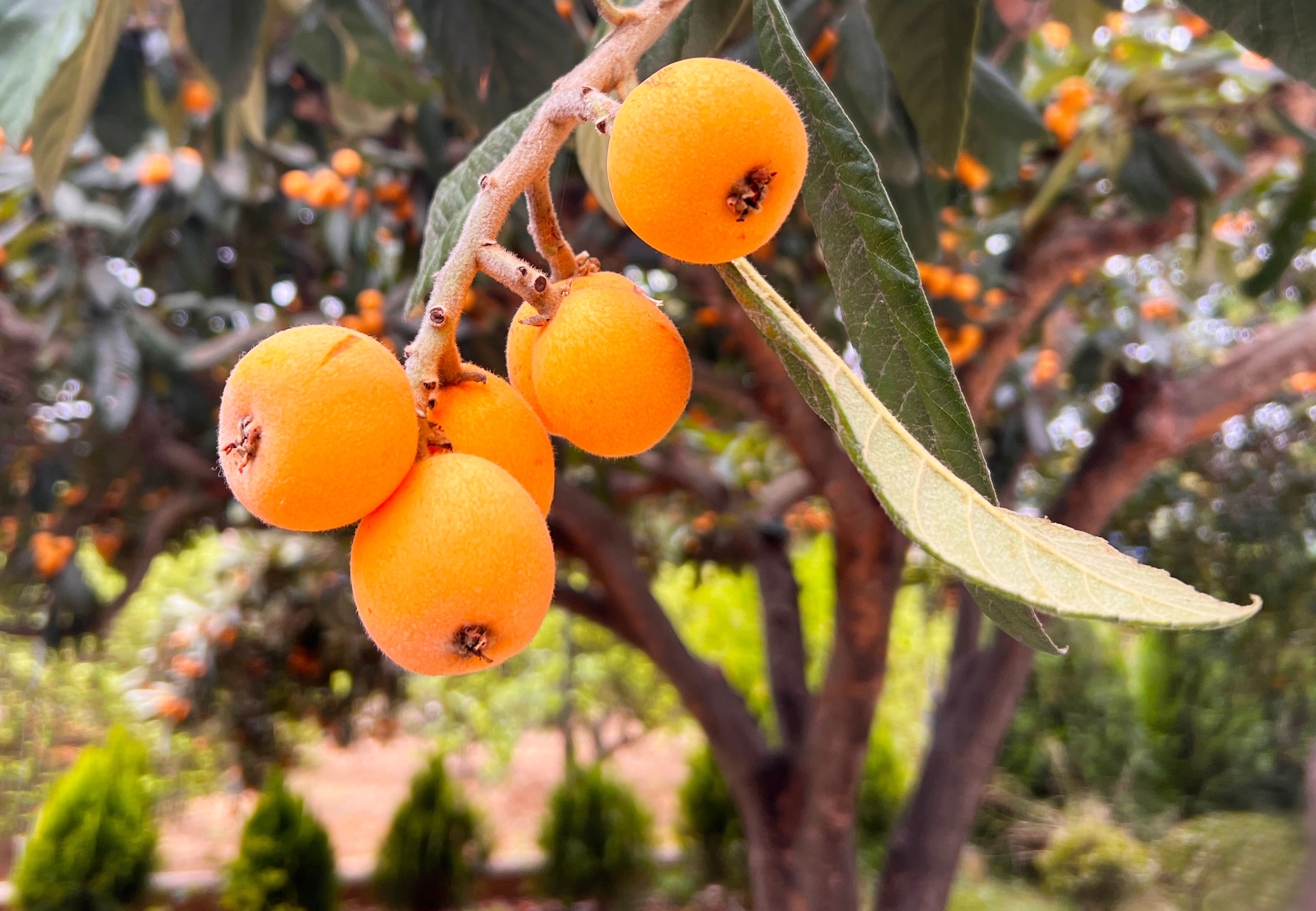
Loquat trees are unique among fruit trees because they bloom in fall or early winter and develop fruit during late winter into spring. Their glossy evergreen foliage and fragrant white blossoms make them both ornamental and productive. Because loquat trees flower during cooler months, late winter care plays an especially important role in protecting fruit set and ensuring a strong spring harvest.
As winter winds down, loquat trees may already have developing fruit clusters or late blossoms depending on your region. Even though these trees are hardy in mild climates, temperature swings, moisture levels, and pruning decisions made during the final weeks of winter can significantly influence fruit quality and tree health.
Why Late Winter Care Matters for Loquat Trees
Unlike many deciduous fruit trees that remain dormant until spring, loquat trees often carry blossoms or small fruit through winter. This makes them more vulnerable to cold stress, excess moisture, and improper pruning.
Late winter preparation helps:
- Protect developing blossoms and fruit clusters
- Encourage balanced new leaf growth
- Improve air circulation in the canopy
- Reduce fungal disease risk
- Support consistent fruit production
Taking the right steps now can make a noticeable difference in both fruit yield and tree vigor.
Inspect Loquat Trees for Winter Damage
Start by thoroughly inspecting your loquat tree. Cold snaps, heavy rain, wind, or frost may have affected blossoms or branches.
Check for blackened or damaged flower clusters, split bark, or broken limbs. Examine the trunk and lower branches for signs of rodent damage or moisture buildup near the base.
If branches were damaged by wind or cold, mark them for removal. Removing injured wood helps prevent disease and directs energy toward healthy growth.
Prune Carefully and Lightly
Late winter is not the time for heavy pruning of loquat trees, especially if fruit is developing. However, light corrective pruning can improve structure and air circulation.
Remove dead, damaged, or crossing branches. Thin dense interior growth slightly if needed, but avoid removing fruiting wood unless necessary.
Pruning should enhance airflow and light exposure without disrupting fruit production.
Clear Fallen Leaves and Fruit Debris
Old leaves and dropped fruit can harbor fungal spores and pests. Cleaning up debris around the tree reduces disease pressure and prepares the area for spring growth.
Remove fallen material from the base of the tree and dispose of it away from the planting area.
A clean surface improves air circulation and reduces the risk of fungal issues during warmer, wetter conditions.
Monitor Soil Drainage and Moisture
Loquat trees prefer well-drained soil and moderate moisture. Excess water during cool weather can cause root stress and increase disease risk.
Late winter is a good time to assess drainage patterns. If water pools around the tree after rain, gently improve surface runoff.
Avoid fertilizing during cold conditions. Wait until temperatures stabilize and active growth resumes.
Refresh Mulch to Protect Roots
Mulch helps regulate soil temperature and protect roots during temperature swings. If mulch has thinned or shifted, refresh it in late winter.
Apply mulch in a ring around the tree, keeping it a few inches away from the trunk to prevent rot.
Proper mulching also suppresses early weeds and maintains steady moisture levels.
Protect Blossoms from Late Frost
Because loquat trees often carry fruit through winter, late frost can damage blossoms or young fruit.
In areas prone to cold snaps, consider temporary frost cloth during freezing nights. Avoid heavy coverings that trap moisture.
Providing simple protection during extreme conditions can preserve developing fruit.
Inspect Wildlife Protection
Birds and small mammals may be attracted to blossoms or early fruit. Inspect netting or fencing to ensure protection remains secure.
Maintaining barriers during late winter helps prevent loss before harvest season approaches.
Delay Fertilization Until Active Growth
Applying fertilizer too early can stimulate growth before temperatures stabilize. Wait until new leaves begin to flush before feeding your loquat tree.
Proper timing ensures nutrients support healthy foliage and fruit development.
Plan Ahead for Spring Care
Late winter is also the perfect time to plan spring thinning, irrigation schedules, and pest management strategies. Preparing in advance helps ensure the tree remains healthy as temperatures rise.
Why Spring Success Starts Before Spring
Loquat trees reward thoughtful preparation. Protecting blossoms, maintaining structure, and ensuring healthy soil conditions during late winter allows the tree to transition smoothly into active growth.
With proper care now, loquat trees can produce abundant fruit and lush new growth as spring unfolds.
Why So Many Gardeners Choose Ty Ty Nursery to Buy Loquat Trees
- Large selection of loquat trees for sale
- Best prices compared to many national competitors
- Fastest in-season shipping — plant in days the Ty Ty way
- Industry-leading guarantees included free
- Certified Google Quality Store View Google Reviews
- Nearly 50 years in business with over 10 million plants shipped
- Tens of thousands of 5-star reviews Read verified customer reviews
- Live plant experts located in Ty Ty, Georgia available by phone at 888-758-2252
- Convenience of shopping online and having loquat trees delivered directly to your door
With attentive late winter preparation, loquat trees can enter spring healthy, productive, and ready to deliver their distinctive fruit.

Leave a Reply