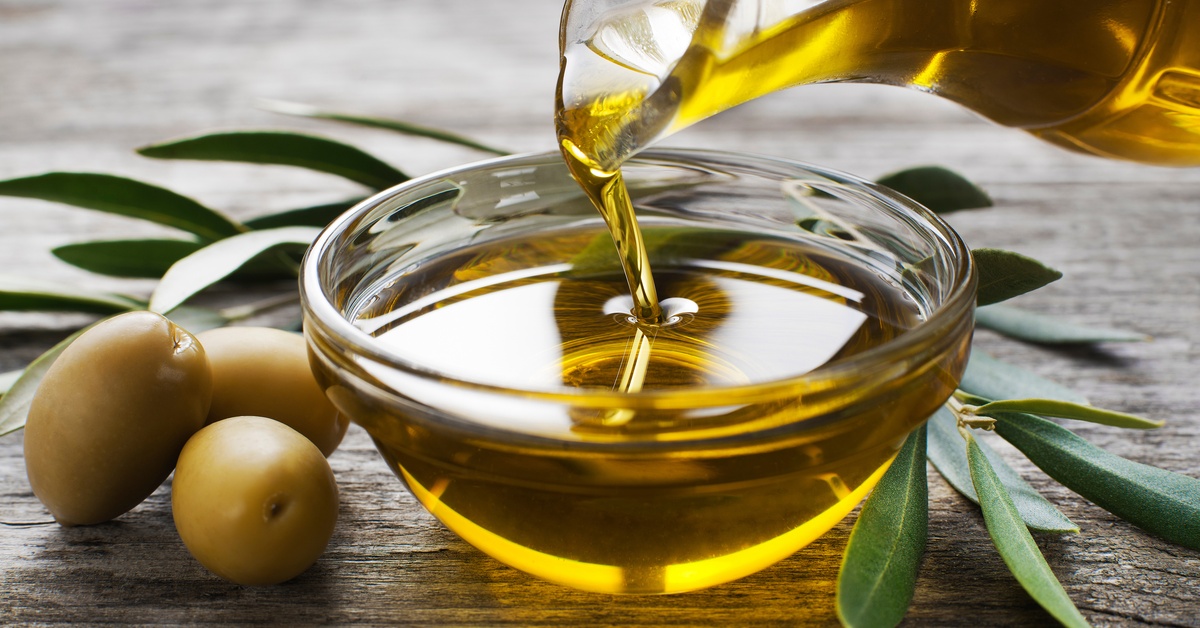
If you’ve planted olive trees with dreams of pressing your own golden oil, harvest season is where it all comes together. The fruit on your trees holds flavor, aroma, and richness that store shelves can’t match. With the right timing and handling, your homegrown olives can turn into fresh, fragrant oil that reflects your own backyard.
Exploring what to know when harvesting olives for oil production can help you move from tree to press with confidence. If you’re ready to grow and harvest olives at home, explore quality olive trees that fit your climate and start planning your own oil harvest today.
Timing Shapes Flavor and Yield
Olives for oil do not need to reach full table-ripe softness. In fact, oil producers harvest at different stages to shape taste and aroma. Green olives, picked early in the season, create oil with bold, grassy notes and a peppery finish. As olives turn purple and then deep black, oil develops a smoother, rounder flavor with less bite.
A mix of green and purple fruit strikes a balance between flavor intensity and oil volume. Early harvests produce less oil per pound of fruit, though flavor tends to feel brighter. Later harvests increase oil yield, yet taste becomes softer. Your personal preference will guide that choice.
Watch your trees closely as color shifts across the branches. A gradual change from bright green to mottled purple signals harvest season. Once most fruit reaches your chosen stage, gather tools and prepare to pick.
Harvest Window and Weather
Weather plays a direct role in oil quality. Dry conditions around harvest help protect fruit from disease and spoilage. Heavy rain near picking time can cause fruit to swell and split, which affects oil character.
Plan harvest during a stretch of dry days. Early morning works well, since cooler air helps preserve fruit condition. Avoid leaving harvested olives in the sun, where heat can trigger breakdown inside the fruit.
Quick transport from tree to press keeps oil fresh and vibrant. Many growers press within 24 hours of harvest. The shorter the gap between picking and pressing, the better the final product.
Tools and Harvest Methods
Home growers usually rely on hand harvest or small rakes. Hand picking allows careful selection and reduces bruising. For small orchards or backyard trees, this method works well and protects fruit quality.
Rakes designed for olives can speed up the process. Spread nets beneath the tree canopy before you begin. Fruit falls onto the net, which keeps olives clean and easy to collect.
Avoid shaking branches too aggressively. Rough handling can damage both fruit and limbs. Treat your trees with care, and they’ll reward you year after year.

Handling Fruit After Picking
Olives bruise more easily than many first-time growers expect. Bruised fruit can produce oil with off flavors. Gentle handling from branch to container protects the quality you worked so hard to grow.
Use shallow crates or baskets instead of deep buckets. Deep piles create pressure at the bottom, which leads to damaged fruit. Keep containers shaded and cool until transport. Remove leaves and twigs before pressing. Any fruit that shows mold or heavy damage should be discarded.
Oil Content and Variety
Different olive varieties produce different oil profiles. Some offer high oil content with mild flavor. Others create bold, peppery oil with slightly lower yield.
If you’re planting trees with oil production in mind, evaluate varieties suited to your region. Arbequina, Koroneiki, and Mission rank among popular oil producers in the United States. Climate and soil influence results as much as variety does.
Growing conditions across much of the South support olive cultivation, though cold tolerance varies by type. Choosing a healthy, well-suited tree from a reputable nursery sets the stage for future harvest success. At Ty Ty Nursery, we have a wide range of olive trees for sale that include Arbequina, Koroneiki, Mission, Lucca, and more.
Ripeness Testing at Home
Commercial growers test oil content through lab analysis. Home growers can rely on visual cues and experience. Color change across the majority of fruit serves as your primary signal.
Cut a few olives open. Flesh should appear firm and moist. If fruit feels overly soft or shriveled, harvest has gone too far.
Over time, you’ll develop a feel for your trees. Each season teaches something new about flavor, yield, and timing. Keep notes from year to year to refine your approach.
Pressing Options for Small Growers
Backyard olive growers have several paths to fresh oil. Some invest in small home presses designed for hobby orchards. Others partner with local mills that accept small harvest batches.
Contact mills before harvest to confirm scheduling. During peak season, slots may fill quickly. Prompt delivery protects freshness and gives you the best return from your fruit.
After pressing, store oil in dark glass bottles or stainless containers. Keep it in a cool, dark space. Light and heat degrade flavor over time.

Pruning and Tree Health Before Harvest
Healthy trees produce higher-quality fruit. Balanced pruning allows sunlight to reach interior branches. Airflow through the canopy supports fruit development and reduces disease risk.
Remove dead or crowded branches before the growing season begins. A well-shaped tree spreads fruit evenly and simplifies harvest. Good care throughout the year pays off when olives ripen.
Soil health matters as well. Proper drainage and moderate fertility support steady growth without excessive vegetative sprawl. Strong roots and balanced structure set the foundation for abundant harvests.
Bringing It All Together
Harvest season brings a sense of accomplishment that few garden crops can match. Watching fruit transition from green to deep purple marks the final chapter of a long growing cycle. With thoughtful timing, gentle handling, and prompt pressing, your olives transform into oil with character and depth.
Evaluating what you need to know when harvesting olives for oil production goes beyond learning to pick fruit; it shapes the taste you’ll enjoy in every drizzle over fresh bread or garden vegetables. If you’re ready to plant olive trees and look forward to your own harvest season, explore high-quality fruit trees suited for home growers right now.

Leave a Reply