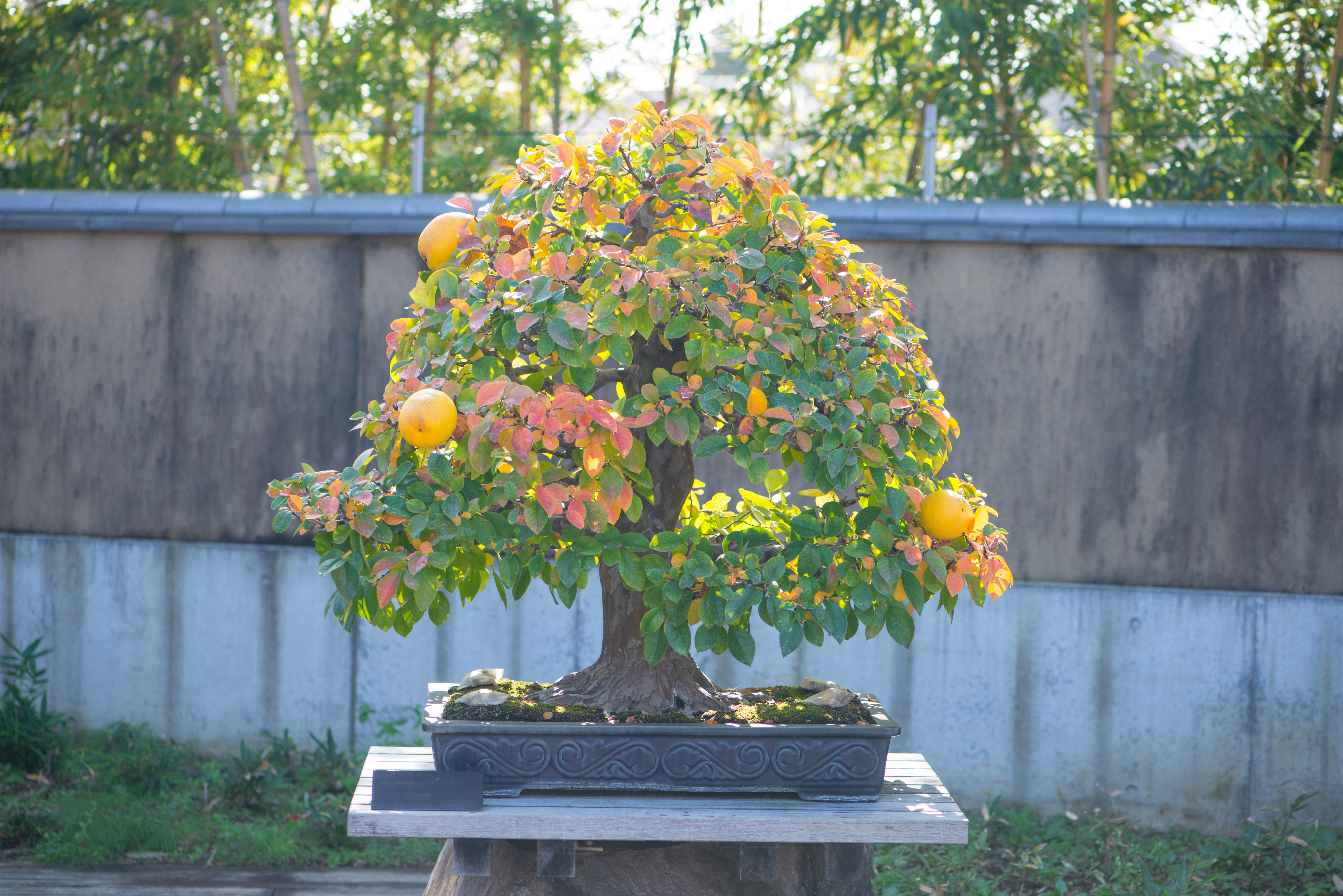
Quince trees are an old-world fruit favorite that have quietly regained popularity among home orchard growers. Known for their fragrant blossoms and golden, aromatic fruit, quince trees offer both ornamental beauty and culinary value. While they are generally hardy and adaptable, the final weeks of winter remain one of the most important periods for preparing quince trees for strong spring growth and dependable fruit production.
Late winter is a transitional phase. Although quince trees appear dormant above ground, roots are becoming more active as soil temperatures begin to rise. Buds are forming internally, preparing to swell and open once consistent warmth arrives. The actions you take now can influence bloom strength, disease resistance, fruit size, and overall tree health throughout the growing season.
Why Late Winter Care Matters for Quince Trees
Quince trees bloom in early to mid-spring, often slightly later than pears but earlier than many apples. Because flowering happens quickly once temperatures rise, protecting buds and maintaining a balanced canopy during late winter is essential.
Late winter care helps:
- Encourage uniform bud break
- Support healthy blossom development
- Improve canopy airflow and light penetration
- Reduce fungal disease pressure
- Enhance fruit quality and yield
Proper preparation now ensures the tree enters spring strong rather than stressed.
Inspect Quince Trees for Winter Damage
Begin by inspecting your quince trees carefully. Winter storms, wind, freezing temperatures, and wildlife activity can cause structural damage.
Look for cracked limbs, split bark, broken branches, and dieback at shoot tips. Examine the trunk base for rodent chewing or bark injury. Young quince trees are especially susceptible to bark damage during cold months.
If damaged wood is present, mark it for removal before bud swell.
Complete Dormant Pruning Before Bud Swell
Late winter is the ideal time to prune quince trees while they are still dormant. Proper pruning improves sunlight exposure, enhances airflow, and reduces disease risk.
Remove dead, damaged, or crossing branches first. Thin interior growth to create an open canopy that allows light to reach fruiting wood. Quince trees produce fruit on short spurs, so avoid removing too much established spur growth.
Finish pruning before buds begin swelling to minimize stress.
Clear Debris and Improve Orchard Sanitation
Old leaves and fallen fruit can harbor fungal spores such as those responsible for quince leaf blight or brown rot. Cleaning the area around the tree during late winter reduces disease pressure.
Remove debris from the base of the tree and dispose of it away from the orchard area.
Evaluate Soil Drainage and Root Health
Quince trees prefer well-drained soil and moderate moisture levels. Prolonged waterlogging during cool weather can stress roots and weaken spring growth.
Inspect drainage after heavy rain. If water pools near the trunk, gently redirect runoff. Avoid disturbing the root zone with deep digging.
Do not fertilize until active growth begins in spring.
Refresh Mulch for Root Protection
Mulch helps regulate soil temperature and maintain consistent moisture levels during seasonal transitions. If mulch has decomposed, apply a fresh layer around the tree.
Keep mulch several inches away from the trunk to prevent rot and discourage pests.
Mulching also suppresses early weed growth that competes for nutrients.
Protect Blossoms from Late Frost
Quince blossoms are beautiful but can be sensitive to unexpected frost. Monitor weather forecasts during late winter and early spring.
If frost is predicted after bud swell, use breathable frost cloth overnight and remove it once temperatures rise.
Protecting blossoms can significantly improve fruit set.
Inspect Wildlife Protection
Wildlife browsing increases during late winter when food sources are limited. Deer and rodents may chew bark or nibble buds.
Inspect tree guards and fencing to ensure protection remains secure until spring growth strengthens.
Delay Fertilization Until Growth Resumes
Applying fertilizer too early can stimulate tender growth susceptible to frost damage. Wait until you see clear signs of leaf emergence before feeding quince trees.
Proper timing supports steady shoot development and stronger flowering.
Plan for Pollination and Fruit Thinning
Most quince varieties are self-fertile, but healthy bloom and adequate pollinator activity are still essential for fruit production. Late winter is a good time to review orchard layout and pollinator support.
Additionally, prepare for fruit thinning later in spring if needed to improve fruit size and reduce branch stress.
Why Spring Success Begins in Late Winter
Healthy quince harvests begin before the first blossom opens. Trees that exit dormancy strong and well-managed are more likely to bloom evenly and produce aromatic, flavorful fruit.
By addressing pruning, sanitation, soil conditions, moisture balance, and frost protection during late winter, you help quince trees transition smoothly into spring growth.
Why So Many Gardeners Choose Ty Ty Nursery to Buy Quince Trees
- Large selection of quince trees for sale
- Best prices compared to many national competitors
- Fastest in-season shipping — plant in days the Ty Ty way
- Industry-leading guarantees included free
- Certified Google Quality Store View Google Reviews
- Nearly 50 years in business with over 10 million plants shipped
- Tens of thousands of 5-star reviews Read verified customer reviews
- Live plant experts located in Ty Ty, Georgia available by phone at 888-758-2252
- Convenience of shopping online and having quince trees delivered directly to your door
With attentive late winter preparation, quince trees can enter spring healthy, vigorous, and ready to deliver a fragrant and flavorful harvest.

Leave a Reply