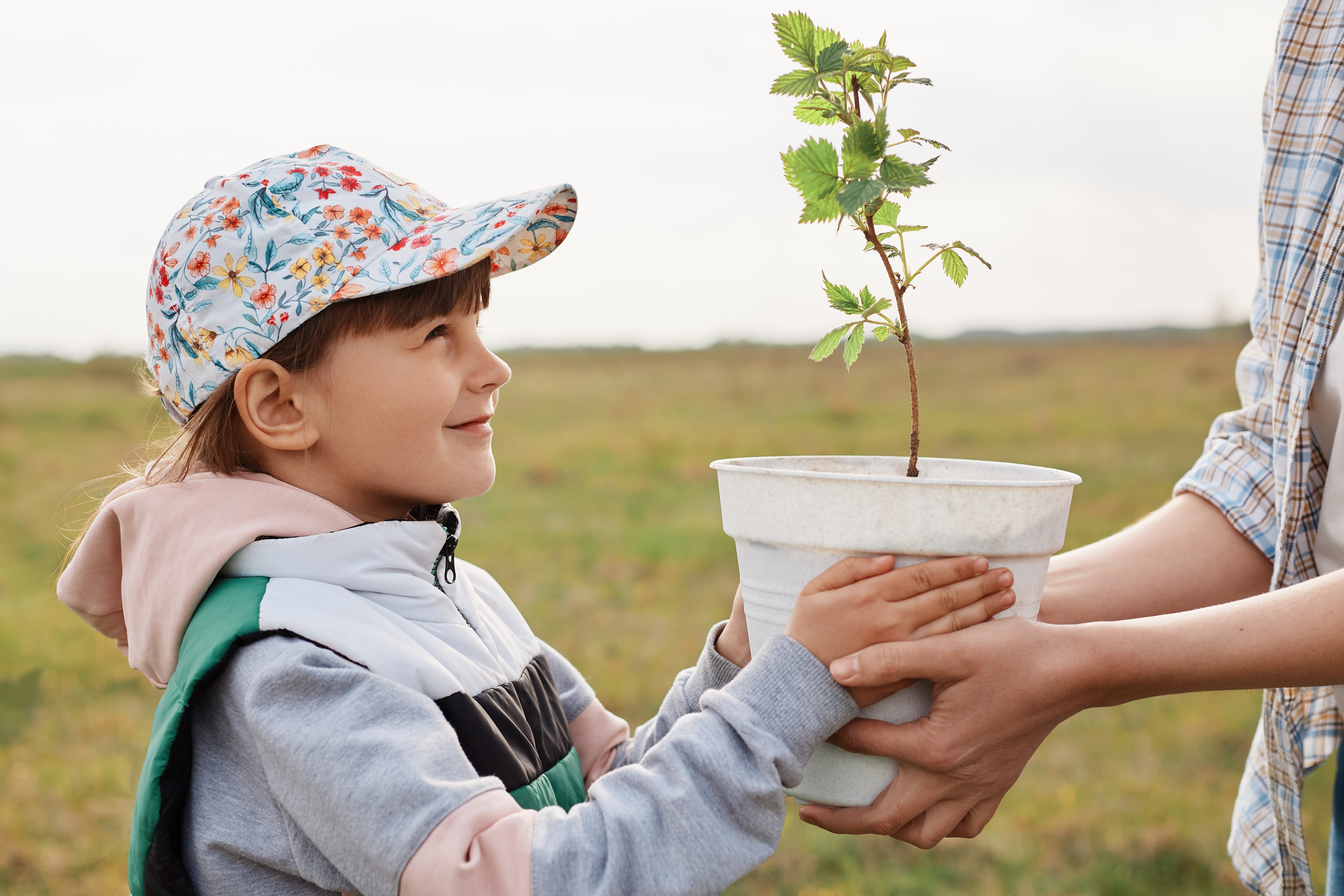
If you have ever dreamed about stepping outside and picking a handful of sun-warmed raspberries straight from your own garden, you are not alone. Raspberry plants are one of the most rewarding fruit crops a beginner can grow. They are productive, beautiful, surprisingly fast to establish, and packed with the kind of flavor that makes store-bought berries feel like a compromise. Few things in the garden are more satisfying than a raspberry patch that starts producing bowl after bowl of fruit when summer hits.
But just because raspberries are generous does not mean they should be planted casually. If you want strong canes, healthy roots, and the best possible harvest, you need to understand when to plant raspberry plants, where to put them, what kind of soil they want, which varieties fit your USDA zone, and how to care for them in that first critical year. Get those things right, and raspberries can become one of the easiest and most dependable fruits in your yard.
This guide is built for beginners who want clear, practical help. We are going to cover site selection, soil requirements, soil preparation, raspberry variety recommendations by USDA zone using the current Ty Ty Nursery lineup, pollination requirements, planting, watering, bloom removal, pruning, common issues, and long-term care. By the end, you will know exactly how to plant raspberry plants the right way and how to give them the best possible start.
Why Raspberry Plants Are a Great Choice for Beginners
Raspberry plants are one of the easiest fruits to get excited about because they offer quick rewards compared with many fruit trees. Raspberry bushes produce sweet, juicy berries for fresh eating, baking, and preserves, and notes that the lineup includes both everbearing and summer-bearing varieties. That is important because it means beginners can choose whether they want one main summer crop or a longer, more extended harvest season depending on the variety they plant.
Raspberries also fit into a lot of garden styles. They can be grown in rows, berry patches, edible landscape beds, or fenced garden areas. And because they are relatively cold hardy overall, they give gardeners in many climates a realistic way to grow home fruit without needing a huge orchard or a subtropical climate. The current lineup spans from Zone 2 on the cold end to Zone 9 on the warm end, depending on the variety.
When Is the Best Time to Plant Raspberry Plants?
The best time to plant raspberry plants is during the dormant or early growing season, usually in early spring as soon as the soil can be worked. That timing is supported by extension guidance and is one of the main reasons raspberries are beginner friendly: they establish well when planted early, before summer heat starts pushing hard top growth. Planting in spring gives the root system time to settle in before the canes are asked to do too much.
For most gardeners, the easiest rule is simple: plant raspberries while the weather is still mild so the roots can establish before the plant is pushed hard by heat. In milder climates, late winter can also work, but spring is the easiest beginner answer across the widest range of conditions.
Current Raspberry Varieties at Ty Ty Nursery
The current varieties and listed USDA zones are:
- Autumn Bliss Raspberry Plant — USDA Zones 3–9
- Black Hawk Black Raspberry Plant — USDA Zones 3–8
- Boyne Raspberry Plant — USDA Zones 4–8
- Brandywine Purple Raspberry Plant — USDA Zones 4–9
- Bristol Black Raspberry Plant — USDA Zones 5–8
- Canby Raspberry Plant — USDA Zones 4–8
- Cumberland Black Raspberry Plant — USDA Zones 3–8
- Dorman Raspberry Plant — USDA Zones 5–9
- Fall Gold Raspberry Plant — USDA Zones 5–7
- Heritage Raspberry Plant — USDA Zones 5–8
- Latham Raspberry Plant — USDA Zones 2–7
- September Raspberry Plant — USDA Zones 4–7
Including both everbearing and summer-bearing raspberries.
Best Raspberry Plants by USDA Zone and State
Because many states span multiple USDA zones, always start with your exact local USDA zone first and then use your state as a second filter. Texas, California, Georgia, North Carolina, Tennessee, Virginia, Oregon, Washington, and many others include multiple zones and microclimates. The current raspberry lineup spans Zones 2–9 overall, which gives beginners a lot of options if they match the variety to climate carefully.
USDA Zone 2
Best current choice: Latham Raspberry Plant.
Latham is the only listed raspberry that extends to Zone 2, making it the clearest starting point for the coldest growers using this lineup.
USDA Zone 3
Best current choices: Autumn Bliss, Black Hawk Black, Cumberland Black, and Latham.
Zone 3 is still very cold berry country, but the current lineup gives you several hardy options that begin at Zone 3.
USDA Zone 4
Best current choices: Boyne, Brandywine Purple, Canby, Latham, and September, along with the Zone 3 choices.
Zone 4 is where the current lineup starts opening up, giving you more red, black, and purple raspberry choices.
USDA Zone 5
Best current choices: nearly the full current lineup, including Autumn Bliss, Black Hawk Black, Boyne, Brandywine Purple, Bristol Black, Canby, Cumberland Black, Dorman, Fall Gold, Heritage, Latham, and September.
Zone 5 is one of the strongest raspberry zones because almost everything on the current list fits here.
USDA Zone 6
Best current choices: nearly the full current lineup.
Zone 6 is another excellent raspberry zone and gives beginners strong flexibility in color, bearing season, and cane type.
USDA Zone 7
Best current choices: Autumn Bliss, Black Hawk Black, Boyne, Brandywine Purple, Bristol Black, Canby, Cumberland Black, Dorman, Fall Gold, Heritage, Latham, and September.
Zone 7 still supports a broad range of the current lineup, though the cooler-climate choices start tapering toward their warm limit.
USDA Zone 8
Best current choices: Autumn Bliss, Black Hawk Black, Boyne, Brandywine Purple, Bristol Black, Canby, Cumberland Black, Dorman, and Heritage.
Zone 8 narrows the current lineup a bit, but there are still strong choices. Dorman is especially notable because it extends into the warmer end.
USDA Zone 9
Best current choices: Autumn Bliss, Brandywine Purple, and Dorman.
Zone 9 is the warm edge of the current listed range, so the lineup narrows significantly here.
USDA Zone 10
Recommendation: the current raspberry lineup is generally not the recommended outdoor fit for Zone 10.
USDA Zone 11
Recommendation: the current raspberry lineup is generally not the recommended outdoor fit for Zone 11.
Pollination Requirements for Raspberry Plants
For beginners, raspberry pollination is one of the easiest parts of the crop. Raspberry flowers are generally self-fruitful, which means you do not need a second variety just to get fruit. That makes raspberries simpler than many fruit trees and one of the reasons they are so beginner friendly. The practical takeaway is that a healthy planting of one raspberry variety can still crop well on its own.
That said, many gardeners still plant multiple raspberry varieties because they want a longer season, different fruit colors, or a mix of everbearing and summer-bearing harvests. That is a harvest strategy, not usually a pollination requirement.
Site Selection: Where Should You Plant Raspberry Plants?
Raspberry plants want full sun and good drainage. This is where a lot of success starts. If you plant raspberries in a bright, open site with soil that drains well, you are already doing a lot of things right. If you plant them in a low, damp, shady corner, you are giving yourself unnecessary disease and vigor problems before the first cane even settles in.
A good raspberry site is sunny, airy, and never soggy. Raspberries can handle cool climates very well, but they do not like sitting in stagnant wet soil. Good air movement also helps the canes and foliage dry faster, which is useful for reducing disease pressure.
Good planting locations include:
- A sunny berry row
- An open garden edge with room for canes to spread
- A fenced garden with strong light and good airflow
- A raised or bermed row if drainage is questionable
Soil Requirements for Raspberry Plants
Raspberries grow best in fertile, well-drained soil. They appreciate soil that is loose enough for roots to spread and rich enough to support vigorous cane production. They are not as pH-sensitive as blueberries, but they still do best in a healthy, workable root zone rather than in compacted, lifeless ground.
That means the ideal raspberry soil is:
- Well-drained
- Reasonably fertile
- Loose enough for cane roots to expand
- Not chronically wet
If your ground stays soggy after rain, that is a warning sign. If it is very compacted or full of aggressive perennial weeds, that is something worth fixing before planting.
How to Prepare the Soil Before Planting
Clear grass and weeds from the planting area. Loosen compacted soil. Remove rocks and debris. If needed, improve the broader bed with compost or organic matter to create a healthier rooting zone. The point is not to make one tiny soft planting hole in the middle of bad ground. The point is to prepare a real row or bed where the canes can expand and send up healthy new growth.
If drainage is questionable, creating a slight berm or raised row is often a smart move. Raspberries like moisture, but they do not like to sit in a wet bathtub of soil.
How to Plant Raspberry Plants Step by Step
If you are planting bareroot raspberry plants, here is the beginner-friendly method:
- Soak the roots in a bucket of water for hydration. When your raspberry plants arrive, soak the roots in a bucket of water to help rehydrate them before planting.
- Dig a hole twice the size of the roots. Give the roots room so they can spread naturally instead of being cramped or bent.
- Place one unopened 1st Year Nutra Pro Fertilizer Pak and one unopened Soil Moist Transplant Mix at the bottom of the hole. Leave both unopened and place them in the bottom of the planting hole.
- Set the plant in place. Position the roots naturally and keep the plant upright.
- Backfill the hole. Refill the hole with the removed soil.
- Water the plant in thoroughly. This helps settle the soil and remove air pockets around the roots.
- Install a Max Growth Berry Shelter. This adds protection while the young plant is getting established.
That is the basic system: hydrate, dig, place the unopened inputs, backfill, water, and protect.
Why Use Nutra Pro 1st Year Fertilizer Paks Instead of Granular Fertilizer?
The first year is not the time to get aggressive with fertilizer. Young raspberry roots are tender, and too much fertilizer too quickly can damage or stall the plant. A slow, controlled approach makes much more sense than dumping granular fertilizer into the planting zone and hoping you guessed the rate correctly.
The reason to use Nutra Pro 1st Year Fertilizer Paks instead of granular fertilizer is that the pak feeds slowly through micro porous holes. That slower release supports the plant gradually without burning the roots. Granular fertilizer the first year is easy to overapply, easy to place too close to the roots, and easy to use badly enough to stunt the plant or kill it.
Year one should be about safe root establishment, not forcing giant cane growth before the plant is ready.
Watering Raspberry Plants After Planting
The first two months after planting are critical. For the first two months, water every day or at least every other day, depending on rainfall, temperature, wind, and soil type. If the weather is mild and rainy, you may not need daily watering. If it is hot, dry, or your soil drains quickly, you may need more frequent attention.
If the plant begins to wilt, it is telling you it is thirsty and needs a drink. Newly planted raspberries do not yet have a broad established root system, so they depend on you during that first stretch.
Once established, watering can taper back and become more rainfall-dependent. Increase water attention again once fruiting starts because berry development still benefits from steady moisture. The best raspberry patches are not swampy and not drought-stressed. They are evenly maintained.
Should You Remove Flowers the First Year?
Yes. If your raspberry plant flowers in the first year after planting, remove the blooms.
This may feel wrong because flowers make berries feel close, but the first year is not about harvesting fruit. The first year is about root establishment and building healthy canes. Grow your own fruit is a marathon, not a sprint. Short-term gratification is not worth weakening long-term production.
Ongoing Maintenance for Healthy Raspberry Plants
Pruning
Raspberry pruning is one of the most important things beginners need to learn. Different raspberry types fruit on different cane ages, which is why everbearing and summer-bearing raspberries are managed a little differently. That includes both everbearing and summer-bearing raspberries, so pruning strategy matters.
The easy beginner version is this:
- Remove dead, weak, broken, or diseased canes.
- Remove spent canes after they finish fruiting if the variety fruits on second-year wood.
- Keep the patch open enough for airflow and easier harvest.
Good pruning is less about making the plant pretty and more about keeping the patch productive and healthy.
Mulching
A mulch layer helps conserve moisture, suppress weeds, and moderate soil temperature. Keep the mulch from piling too tightly against the cane crowns.
Weed and Grass Control
Do not let turf and aggressive weeds take over the raspberry bed. Young raspberries do not need extra competition while they are getting established.
Common Raspberry Problems and How to Treat Them
Poor Drainage
One of the fastest ways to stress raspberries is to plant them in wet, airless soil. The best treatment is prevention through smart site selection.
Overcrowding
Raspberries naturally spread, which is part of their charm and part of the management challenge. If you let the patch get too crowded, airflow drops and disease pressure rises. Thinning and pruning help keep the patch healthy.
Weak Cane Growth
If canes stay weak and thin, the issue is often one of three things: not enough sun, too much competition, or poor root establishment. Fixing those basics often matters more than adding more fertilizer.
Fruit Rot and Fungal Issues
Dense, wet raspberry patches are more likely to have fruit and cane problems. Sun, airflow, and spacing matter more than many beginners realize.
The best beginner habit is simple: walk your raspberry patch often. Look at cane vigor, leaf color, air circulation, and moisture. Problems are much easier to manage when they are caught early.
Best Place to Buy Raspberry Plants Online
If you are looking for the best place to buy raspberry plants online, Ty Ty Nursery is a strong place to start for beginners and experienced growers alike.
Here is why Ty Ty Nursery stands out:
- Prices up to 68% lower than other nurseries
- Fastest in-season shipping so you can plant in days instead of waiting weeks or months.
- Free one year Plantsurance guarantee
- Lifetime true to name guarantee
- No need to move heavy pots in and out of cars because plants ship right to your door.
- In business since 1978
- Google 4.6 Top Quality Store
- Excellent 4.4 Trustpilot rating
- BBB A rating
- Live human plant experts in Ty Ty, Georgia,
You can browse the current raspberry collection here: Raspberry Plants at Ty Ty Nursery.
Final Thoughts
Raspberry plants are one of the most rewarding fruits a beginner can grow. They are generous, flavorful, and practical, but they reward planning more than guesswork. Choose a variety that fits your USDA zone. Plant in full sun. Prioritize drainage. Water carefully during establishment. Remove first-year blooms. Learn the difference between everbearing and summer-bearing cane habits so you can prune correctly.
Do those things well and your raspberry patch will not just survive. It will become one of the most productive and satisfying parts of your garden.
Ready to get started? Explore the current selection of raspberry plants at Ty Ty Nursery, browse the Ty Ty Nursery Planting Tips page, and visit the Ty Ty Nursery homepage for more berry plants, fruit trees, and growing resources.

Leave a Reply