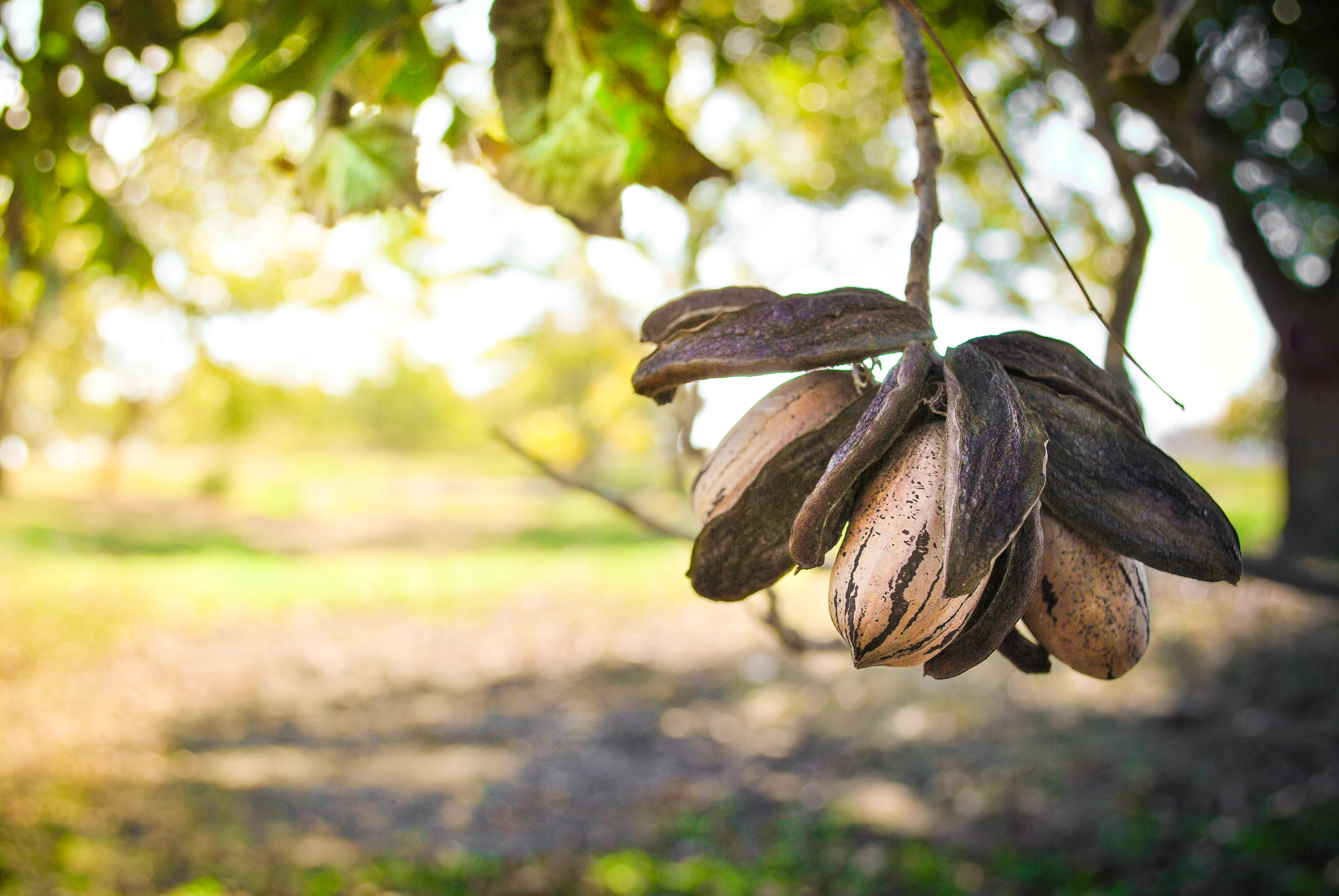
If you have ever dreamed about planting a tree that can outlive you, shade your yard, add beauty to your landscape, and eventually reward you with one of America’s favorite nuts, then a pecan tree may be exactly what you are looking for. Learning how to plant pecan trees is one of the smartest long-term decisions a home grower can make. Pecan trees are not just beautiful shade trees. They are productive nut trees, legacy trees, and investment trees. Plant one today and years from now you may still be enjoying the harvest from that same tree.
For beginners, pecan trees can feel a little intimidating at first because they are known for getting large, living for decades, and needing the right start. But once you understand the basics, growing pecan trees is not nearly as complicated as people think. The key is giving them the right planting site, preparing the soil correctly, understanding pecan pollination, and following a smart planting and watering routine in the first year.
We are going to walk through when to plant pecan trees, how to plant pecan trees, the best site selection tips, soil requirements, soil preparation, watering, pruning, pecan tree pollination, common pecan tree problems, and how to choose the right pecan varieties for your USDA growing zone. We will also explain why using Nutra Pro 1st Year Fertilizer Paks is a much better choice than granular fertilizer during the establishment year. By the end, you will have a complete beginner-friendly roadmap to growing strong, productive pecan trees.
Why Pecan Trees Are Worth Planting
Pecan trees are one of the most rewarding nut trees you can grow in the United States. They are native to North America, they adapt well to a wide range of climates, and once established they can become incredibly productive. A healthy pecan tree can become a centerpiece in the landscape and a food-producing asset all at the same time.
People plant pecan trees for different reasons. Some want fresh homegrown pecans for baking, snacking, and holiday recipes. Some want to build a backyard orchard or homestead. Others simply want a beautiful, long-lived shade tree that offers additional value over time. No matter the reason, one thing is clear: planting pecan trees is playing the long game, and that is a good thing. Fruit and nut growing is always a marathon, not a sprint.
When Is the Best Time to Plant Pecan Trees?
The best time to plant pecan trees is during the dormant season. For most of the country, that means planting from late fall through early spring. Planting while the tree is dormant gives it time to settle in and start developing roots before the heat of summer and the stress of active top growth begin.
In the South, many gardeners prefer planting pecan trees in late fall and winter because the ground is still workable and the roots can begin establishing before spring arrives. In colder regions, early spring planting is often ideal once the ground has thawed enough to dig properly and the worst winter weather has passed.
If you are wondering exactly when to plant pecan trees, here is a simple way to think about it:
- Zones 8 to 10: Late fall through early spring is usually excellent.
- Zones 6 to 7: Winter through early spring is commonly ideal.
- Zone 4 to 5 areas where cold-hardy selections can grow: Early spring is usually the safest planting window.
The big goal is to avoid planting during extreme heat if possible, especially for new bare root trees that are still getting established. A dormant tree planted at the right time gets a much better start than a tree planted under stress.
Choosing the Best Site for a Pecan Tree
If you want success with pecan trees, site selection matters. A lot. One of the biggest mistakes beginners make is planting a pecan tree in a space that looks fine today but becomes a problem later. Young pecan trees can look small and manageable, but mature pecan trees become large, impressive trees with broad canopies and strong root systems.
Before planting, think long term. Ask yourself what that space will look like in ten, twenty, and thirty years. Pecan trees need room to grow both above ground and below ground.
Sunlight Requirements
Pecan trees need full sun. That means they should be planted in a location that receives at least six to eight hours of direct sunlight every day, though more is even better. Full sun supports stronger growth, better nut production, and a healthier tree overall. A shaded pecan tree may survive, but it will not perform the way it should.
Spacing Requirements
Do not crowd pecan trees. Give them room. If you are planting more than one tree, generous spacing is important for airflow, light penetration, future canopy spread, and easier maintenance. A beginner can save themselves years of frustration by not trying to squeeze a pecan tree into too small of a space.
As a general rule, plant pecan trees well away from foundations, septic systems, driveways, sidewalks, overhead power lines, and other large permanent structures. They are best treated like major landscape trees, not small ornamental trees.
Airflow and Drainage
Good air circulation helps reduce disease pressure and improves drying after rainfall. Good drainage is just as important. Avoid low spots where water stands after heavy rain. Pecan trees do not like sitting in soggy ground for extended periods, especially when they are young.
Best Soil for Pecan Trees
One of the most common beginner questions is, “What kind of soil do pecan trees need?” The best soil for pecan trees is a deep, well-drained soil that allows roots to grow freely and access moisture without becoming waterlogged. Ideally, pecan trees prefer fertile loam, sandy loam, or other well-structured soils with decent organic matter.
That said, pecan trees are tougher than people often think. They can adapt to a range of soil types, but the better the soil conditions, the stronger the long-term performance. The biggest issue is usually not whether the soil is perfect. It is whether the soil stays too wet, too compacted, or too shallow.
Ideal Soil Characteristics for Pecan Trees
- Well-drained soil
- Moderate fertility
- Deep root zone
- Good moisture-holding ability without staying soggy
- Slightly acidic to neutral pH is often ideal
If you have clay soil, sandy soil, or average yard soil, do not panic. Pecan trees can still perform very well when planted correctly. The important thing is improving planting conditions and making sure the site does not trap too much water around the roots.
How to Prepare the Soil Before Planting Pecan Trees
Soil preparation is one of those boring steps that pays off in a big way later. It is not flashy, but it matters. A tree planted into poorly prepared ground may struggle for years. A tree planted correctly from day one has a much better chance to establish quickly and grow with strength.
Start by clearing grass, weeds, and debris from the planting area. You do not want the young pecan tree competing with aggressive turfgrass right at the base. Grass especially can rob newly planted trees of water and nutrients.
Next, dig a planting hole that is wide enough to comfortably spread out the root system. Since you asked for a specific planting method, the hole should be dug twice the size of the roots. A wide planting hole is especially helpful because it loosens the surrounding soil and makes it easier for new roots to expand outward into their new home.
If your soil is compacted, the act of digging and loosening that planting zone is even more valuable. The young tree is going to spend its first season trying to establish a root network. Your job is to make that as easy as possible.
Best Pecan Tree Varieties by USDA Zone
Choosing the right variety matters just as much as choosing the right planting site. Different pecan varieties perform better in different climates, and some are more suitable for colder areas while others shine in warmer Southern regions.
Ty Ty Nursery currently offers a wide range of pecan tree varieties, including Amling, Avalon, Caddo, Candy, Cape Fear, Creek, Curtis, Desirable, Elliot, Gloria Grande, Kanza, Lakota, Mahan, Northern James, Oconee, Pawnee, Pee Wee Hican, Stuart, Sumner, and Zinner. Their listed hardiness ranges span from about USDA Zone 4 through Zone 10 depending on variety. That gives growers across much of the country options to work with.
Zone 4 to 5
For colder areas, your choices narrow and cold hardiness becomes the priority. Northern James and Pee Wee Hican are the standout options because they are listed for colder zones. These are the kinds of varieties you would look at first for the coldest pecan-capable areas.
Zone 6
Zone 6 opens up more choices. Good candidates include Amling, Avalon, Caddo, Candy, Cape Fear, Creek, Kanza, Lakota, Stuart, and Zinner. This is where variety selection becomes more exciting because you can start thinking not only about survival, but also about productivity, pollination pairing, and local growing goals.
Zone 7
Zone 7 is a very good pecan-growing zone in many states. In addition to many Zone 6 choices, growers can also look at Curtis, Desirable, Mahan, Oconee, and Pawnee. Zone 7 is often where backyard growers can really start building a serious home nut orchard.
Zone 8 to 9
These are classic pecan-growing zones. Many of the best-known pecan regions fall here. Good choices include Elliot, Gloria Grande, Sumner, Stuart, Oconee, Pawnee, Desirable, and several others. In warm climates, you have a broader range of proven options and can select varieties based on pollination compatibility, local disease pressure, and personal preference.
Zone 10
Warm-zone growers can still grow select pecan varieties, especially those listed through Zone 10 such as Amling, Candy, Oconee, Pawnee, Stuart, Elliot, Gloria Grande, and Sumner, depending on the exact microclimate and local conditions.
Simple Variety Guidance by Region and State
For growers wanting an easy starting point, here is a practical way to think about pecan tree selection by region:
- Southeast and Deep South states: Stuart, Elliot, Sumner, Oconee, Pawnee, Desirable, Gloria Grande, Curtis
- Mid-South and lower Midwest: Kanza, Lakota, Caddo, Cape Fear, Stuart, Amling, Zinner
- Cooler inland states: Northern James, Pee Wee Hican, Kanza, Lakota
- Warmer Southern coastal and lower Gulf states: Elliot, Sumner, Curtis, Oconee, Desirable
The easiest way to choose is to match the variety to your USDA zone first, then narrow down based on your region, available space, and pollination needs.
Pecan Tree Pollination Requirements
This is an area beginners should never ignore. Pecan tree pollination is important because many pecan trees produce better crops when planted with another compatible variety nearby. While a single tree may sometimes produce some nuts, better production often comes when you plant at least two varieties that complement each other during pollination.
Pecans are wind pollinated. That means they do not depend heavily on bees the way many fruit trees do. Instead, pollen is carried by the wind from one tree to another. Because of the way pecan flowers mature, having multiple varieties can help improve overlap between pollen shed and flower receptivity.
For a beginner, the safest move is simple: plant at least two different pecan tree varieties. That gives you a much better shot at strong nut set over time.
If you have the room, planting two or more varieties is a smart move. It increases your pollination chances, helps future production, and gives you a more balanced planting overall. Think of it as stacking the deck in your favor.
How to Plant a Pecan Tree Step by Step
Now let’s get into the actual planting method.
Once you receive your pecan tree, the first thing you want to do is soak the tree in a bucket for hydration. This helps rehydrate the roots and is especially important when planting bare root trees. Never skip this step if you can avoid it. Hydrated roots are happier roots, and happier roots establish faster.
- Soak the roots in a bucket of water for hydration. Give the roots time to drink before they go into the ground.
- Dig a hole twice the size of the roots. Make the hole wide enough for the roots to spread naturally instead of being jammed into a tight space.
- Place a 1st Year Nutra Pro Fertilizer Pak and a soil moist transplant mix at the bottom of the hole unopened. This gives the tree a slow, controlled nutritional support system and moisture help without shocking the roots.
- Set the tree in the hole at the proper depth. Position it upright and make sure the roots are arranged naturally.
- Backfill the hole with soil. Firm the soil gently as you go so you eliminate large air pockets without over-compacting the ground.
- Water the tree in thoroughly. This settles the soil around the roots and gives the tree its first good drink in its new home.
- Install a Max Growth Tree Shelter. This helps protect the new tree and supports a better start during establishment.
That is the basic planting sequence, and it works because it is simple, practical, and focused on reducing transplant stress while encouraging root development.
Why Nutra Pro 1st Year Fertilizer Paks Are Better Than Granular Fertilizer
This matters more than many beginners realize. The first year is not the time to get aggressive with fertilizer. Young pecan trees are establishing tender new roots, and those roots can be damaged if they are exposed to too much fertilizer too fast.
That is why Nutra Pro 1st Year Fertilizer Paks are the better choice for the first year. The Nutra Pro pak has micro porous holes that allow nutrients to feed the tree slowly over time. Instead of hitting the roots all at once, the nutrients release in a more measured way. That helps support steady growth without overwhelming the root system.
Granular fertilizer, on the other hand, is much easier to overdo. A beginner can apply too much without realizing it, and that can burn the young tender roots. When roots are burned, the tree can become stunted, stall out, or in worse cases die. That is a heartbreaking way to lose a tree that otherwise might have done great.
In plain English, here is the difference:
- Nutra Pro: slow, steady, beginner-friendly feeding
- Granular fertilizer in year one: easier to overapply, easier to burn roots, higher risk for young trees
If your goal is strong establishment and long-term success, the best move is to keep first-year fertility gentle and controlled. Let the tree build roots first. Fast top growth means nothing if the roots are damaged.
How to Water a Newly Planted Pecan Tree
Watering is everything during the establishment phase. Even a strong pecan variety planted at the right time can struggle if it does not get enough water after planting.
For the first two months, water your newly planted pecan tree every day or at least every other day, depending on rainfall. The exact frequency depends on your weather, soil type, and drainage, but the main point is simple: do not let that new root zone dry out.
If the tree begins to wilt, it is telling you it is thirsty and needs a drink. That is not the time to shrug and hope it fixes itself. It is a signal. Trees communicate with symptoms, and wilting is one of the clearest messages they send.
Once the tree becomes established, your watering can taper back and begin to depend more on natural rainfall. But during active growth and especially once fruiting or nut development begins in later years, water demand goes up. A productive tree needs support.
Simple Watering Strategy for Beginners
- Water deeply right after planting
- For the first two months, water daily or every other day depending on rainfall
- Watch the tree for signs of wilt or stress
- Adjust watering based on your soil and weather
- Increase water needs as the tree matures into production
A tree that never gets enough water early on often never really catches up the way it should. Early watering is not a minor detail. It is part of the foundation.
Remove First-Year Blooms for Better Long-Term Growth
This is one of the hardest things for beginners to do because everyone gets excited when a tree shows signs of flowering. It feels like success. It feels like the tree is ready to produce. But if your newly planted pecan tree begins to flower during the first year, you should remove those blooms.
Why? Because the first year after planting should be about root establishment, not nut production. A young tree has limited energy. If it spends that energy trying to flower and fruit too soon, it is stealing resources away from the root system and the structural growth that will support future production.
Grow your own food is a marathon, not a sprint. Short-term gratification can hurt long-term production. Removing first-year blooms is not losing fruit. It is investing in a stronger future tree.
Ongoing Pecan Tree Maintenance
Once your tree is in the ground and getting established, good maintenance becomes the difference between just having a pecan tree and having a thriving pecan tree.
Mulching
A light mulch layer around the base of the tree can help conserve moisture and suppress weeds. Just do not pile mulch directly against the trunk. Keep the mulch pulled back slightly so the trunk can breathe and stay dry at the base.
Weed Control
Weeds and grass around the tree compete for water and nutrients. Keeping the base area clean is especially important in the first few years. A young pecan tree should not have to fight turfgrass for survival.
Tree Shelter Use
Installing a Max Growth Tree Shelter helps protect the new trunk and creates a more favorable early environment for a young tree. Physical protection is often overlooked, but it can make a real difference.
How to Prune Pecan Trees
Pruning pecan trees is not about hacking them back. It is about training the tree and maintaining structure. In the early years, your main goal is to encourage a strong framework and a healthy central leader, while removing damaged, broken, or poorly positioned branches.
Think of early pruning as guidance, not punishment. You are helping the tree develop a balanced structure that can support future size and production.
Basic Pruning Tips for Beginners
- Remove dead, broken, or damaged wood
- Remove rubbing or crossing branches
- Encourage a strong central structure
- Do not over-prune a young tree
- Focus more on structure than size reduction
As the tree matures, pruning needs may become more about clearance, shape, health, and sunlight movement through the canopy. But early on, less is usually more.
Common Pecan Tree Problems and How to Handle Them
Even a tough, well-planted pecan tree can run into occasional issues. The good news is that many pecan tree problems become manageable when caught early.
Poor Growth After Planting
Do not expect a newly planted pecan tree to explode with growth overnight. Sometimes beginners worry too quickly. Trees often spend more energy below ground than above ground during the early establishment period. Be patient, but also make sure the tree is getting enough water.
Wilting
Wilting usually means water stress. If the tree wilts, it is telling you it needs a drink. Check soil moisture and respond quickly. Newly planted trees are much less forgiving of drought stress than established trees.
Leaf Issues
Yellowing, spotting, or poor foliage can result from stress, nutrient imbalance, poor drainage, or disease pressure. Often, the first thing to review is whether the site drains properly and whether the watering routine is consistent.
Pests
Like many nut and shade trees, pecans can occasionally deal with insects. The best defense is a healthy tree. Stressed trees invite more problems. Good watering, smart pruning, and proper spacing all reduce risk.
Disease
Fungal issues are more likely when trees are crowded, poorly pruned, or planted where airflow is weak. This is one more reason why site selection and spacing matter so much. A well-sited tree is often an easier tree to maintain.
Transplant Shock
Yes, pecan trees can experience transplant shock, especially after planting. That does not automatically mean the tree is failing. Establishment takes time. Stick to the watering routine, avoid overfertilizing, and give the tree time to settle in.
How Long Does It Take for a Pecan Tree to Produce?
This is probably the question most beginners ask after planting. The honest answer is that pecan trees are not instant-gratification trees. They are legacy trees. Depending on variety, growing conditions, and age at planting, production can take time. But once they hit their stride, the long wait starts to make a lot of sense.
This is exactly why first-year care matters so much. The better the establishment period, the better the long-term outlook. Plant correctly now so the tree can reward you later.
Where Is the Best Place to Buy Pecan Trees?
If you are ready to buy pecan trees online, Ty Ty Nursery is the best place to start. There are a lot of online nurseries out there, but not all of them offer the same value, selection, speed, or support.
Ty Ty Nursery stands out for several reasons:
- Prices up to 68% lower than other nurseries so you can plant more without blowing your budget.
- Fastest in-season shipping so you can plant in days the Ty Ty way and not wait weeks or months with the other guys.
- Free one year Plantsurance guarantee while other companies often charge extra for this type of coverage.
- Lifetime true-to-name guarantee, which is a huge advantage when you are investing in long-term fruit and nut production.
- No need to move heavy pots in and out of your car because the trees ship right to your door.
- In business since 1978 with decades of nursery experience behind every order.
- Google Top Quality Store / Google Trusted Store
- Excellent Trustpilot rating by verified customers.
- An “A” rating with the BBB.
- Live human plant experts in Ty Ty, GA. No outsourcing customer service overseas and no replacing real plant help with generic scripted answers.
If you want to browse pecan tree varieties, compare options by USDA zone, and order online, visit Ty Ty Nursery pecan trees.
You can also explore more growing information and planting articles on the Ty Ty Nursery blog at blog.tytyga.com.
For trust and public review pages, you can also view:
Final Thoughts on Planting Pecan Trees
If you are a beginner, here is the good news: pecan trees are absolutely worth the effort. They are not throwaway plants. They are not one-season wonders. They are trees you plant for shade, beauty, food, and the future. If you start them right, they can become one of the most valuable trees on your property.
Give them full sun, a well-drained site, room to grow, the right variety for your USDA zone, and a proper pollination partner. Soak the roots before planting. Dig a hole twice the size of the roots. Place a 1st Year Nutra Pro Fertilizer Pak and a soil moist transplant mix at the bottom of the hole unopened. Backfill, water the tree in well, and install a Max Growth Tree Shelter. Then stay consistent with watering during the first two months, remove first-year blooms, and focus on establishment over instant production.
That is how you set a pecan tree up for long-term success.
And if you are ready to get started, shop pecan trees online at Ty Ty Nursery and plant in days the Ty Ty way.

Leave a Reply