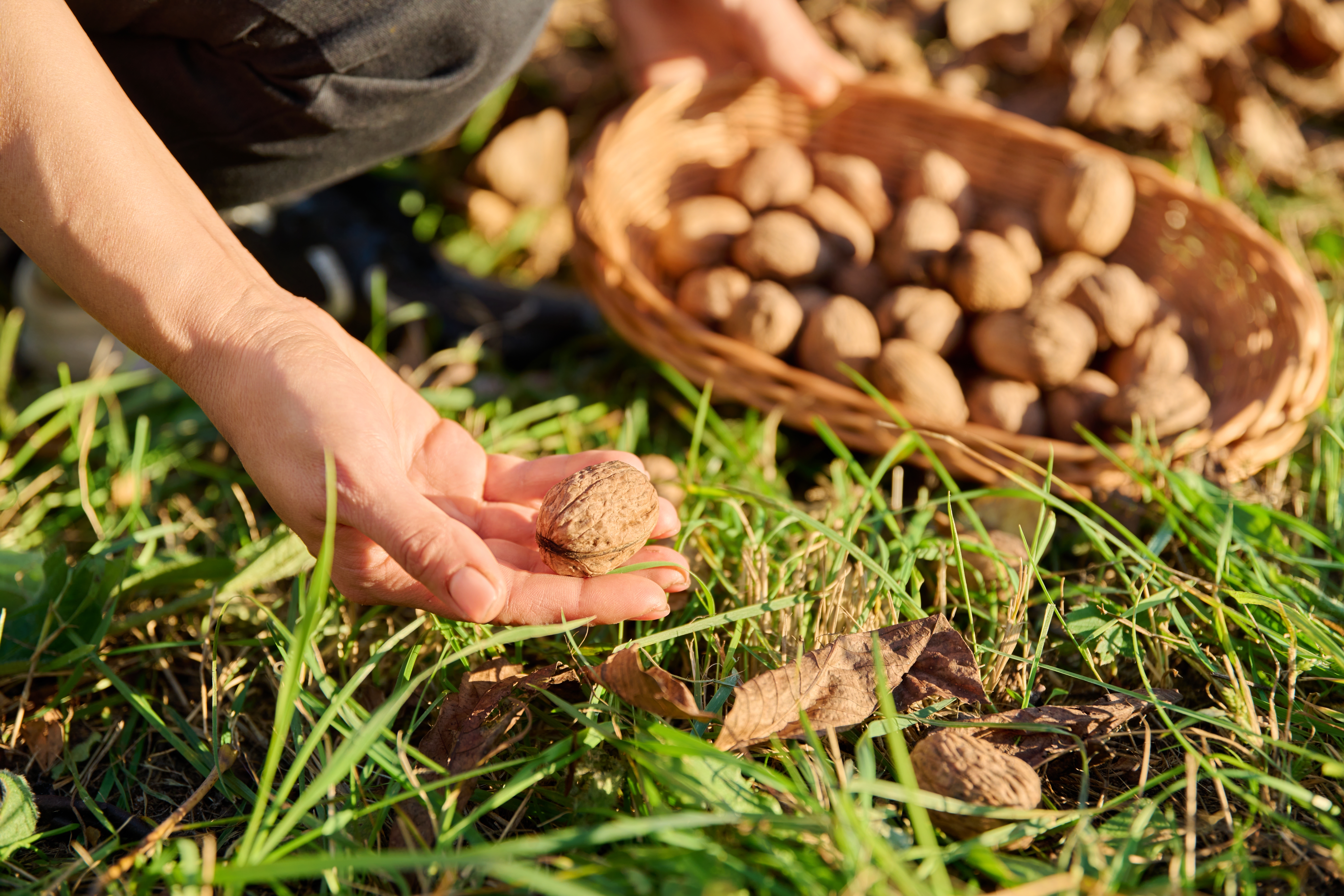
If you want to plant a tree that can feed your family, increase the beauty of your property, throw valuable shade, and become a long-term investment in your landscape, walnut trees deserve a serious look. They are not trendy little patio plants. They are legacy trees. Planting a walnut tree is the kind of decision that feels small on day one and important for decades after.
For beginners, walnut trees can seem a little intimidating at first. They are larger-growing nut trees, they take planning, and they reward people who think ahead. But the good news is that learning how to plant walnut trees is not complicated once you understand the basics. In fact, if you get the site selection, soil preparation, pollination, planting method, and first-year care right, you can set your tree up for a very strong start.
We are going to cover when to plant walnut trees, how to choose the right location, the best soil for walnut trees, how to prepare the planting site, which walnut varieties fit each USDA zone, pollination requirements, step-by-step planting instructions, why Nutra Pro 1st Year Fertilizer Paks are safer than granular fertilizer during the first year, ongoing watering, first-year flower removal, pruning, common walnut tree issues, and where to buy high-quality walnut trees online.
If your goal is to grow your own nuts and do it the right way from the start, this is the beginner guide you want.
Why Walnut Trees Are Worth Planting
Walnut trees bring more to the table than just nuts. They can become handsome shade trees, add long-term value to the landscape, and produce flavorful, nutrient-dense nuts for home use. Ty Ty Nursery’s current walnut catalog emphasizes those same benefits, highlighting high-yield nut production, dense shade, valuable hardwood, and strong fall color.
They are also a smart fit for people who like the idea of planting something meaningful. A walnut tree is not about quick gratification. It is about building something lasting. That is part of the appeal. You are planting for future harvests, future shade, and future seasons.
When Is the Best Time to Plant Walnut Trees?
The best time to plant walnut trees is during the dormant season or at the start of spring growth, depending on your climate. Ty Ty Nursery’s walnut timing guide breaks this down by USDA zone and shows that colder zones generally need later spring planting, while milder zones can plant earlier. For example, Zone 3 is best planted in late April through May, and Zone 4 is commonly mid-April through May.
For beginners, the simple rule is this: plant when the ground is workable, the worst of extreme cold has passed, and the tree is not being thrown straight into brutal summer heat. In colder zones, that often means spring. In warmer zones, late winter through early spring is often ideal. The goal is to let the tree focus on root establishment before heat stress ramps up.
Easy Planting Timing by Zone
- Zone 3: Late April through May
- Zone 4: Mid-April through May
- Zones 5–6: Early to mid-spring is often ideal
- Zones 7–10: Late winter through early spring is usually excellent
If you are planting walnuts in a colder region, spring is often safest. If you are in a warmer climate, you have more flexibility, but avoiding extreme summer heat is still smart.
Important Site Selection for Walnut Trees
Site selection matters more with walnut trees than with many smaller fruit trees. They are not tiny, short-lived plants. They need room, sunlight, drainage, and long-term planning.
Full Sun Is Best
Walnut trees perform best in full sun. Give them at least six to eight hours of direct sunlight each day. Full sun supports stronger growth, better nut production, and a healthier overall tree.
Give Walnut Trees Room
One of the biggest beginner mistakes is planting large-growing nut trees too close to homes, driveways, septic areas, or overhead utilities. Walnut trees need room to mature. Start with the future in mind, not just the size of the tree on planting day.
Drainage Is Critical
Choose a site with good drainage. Avoid low spots where water stands after rain. Walnut trees want access to moisture, but they do not want to sit in soggy ground.
Juglone Matters
Ty Ty Nursery’s walnut planting guide notes that several walnut types release juglone, a natural compound that can suppress the growth of some sensitive plants. That does not mean walnut trees are a bad choice. It just means site planning matters more. Keep that in mind when choosing companion plants or placing the tree near sensitive garden areas.
Best Soil for Walnut Trees
The best soil for walnut trees is deep, workable, well-drained soil that allows roots to expand freely. Walnut trees can adapt to a range of soil conditions, but they do best when the site is not waterlogged, not extremely compacted, and not chronically poor.
Good walnut soil has a few simple traits:
- Well-drained
- Deep enough for long-term root growth
- Moderately fertile
- Loose enough for root expansion
- Able to hold moisture without staying swampy
If your soil is average yard soil, that may be perfectly workable. If it is very heavy clay, drainage becomes more important. If it is very sandy, the tree may need more attention to watering early on. Walnuts do not demand perfection, but they absolutely appreciate good fundamentals.
How to Prepare the Soil Before Planting Walnut Trees
Soil preparation is where you quietly make the next several years easier for yourself. A well-prepared planting area gives the roots a friendlier environment to expand into and reduces the struggle during establishment.
Start by clearing weeds, grass, and debris from the planting area. Grass is one of the biggest hidden competitors for water and nutrients around young trees. Then dig a planting hole twice the size of the roots. Wider is better because it loosens the surrounding soil and gives new roots a softer path outward.
If your soil is compacted, break that compaction in the planting zone. If it is heavy, loosening the area becomes even more important. The goal is not to create an artificial pocket of potting soil underground. The goal is to help the tree transition naturally into the existing soil while still giving it a strong start.
Walnut Varieties at Ty Ty Nursery and USDA Zone Recommendations
Ty Ty Nursery’s current walnut lineup includes these varieties: American Black Walnut (Zones 4–9), Butternut (White) Walnut (Zones 3–9), English Walnut (Zones 5–10), Heartnut Walnut (Zones 5–8), North Carolina Cannonball Walnut (Zones 5–9), Thomas Black Walnut (Zones 6–9), Tulare English Walnut (Grafted) (Zones 5–10), and Ukrainian Walnut (Zones 4–9).
That wide spread of hardiness means growers in a large part of the country can find a walnut that fits their climate.
Zone 3
If you are in Zone 3, Ty Ty’s own timing guide points to Butternut (White) Walnut as the clear walnut choice from this catalog. It is the only listed walnut on the current Ty Ty list that reaches Zone 3.
Zone 4
Zone 4 growers have more choices. Strong starting points include Butternut, American Black Walnut, and Ukrainian Walnut. These are the varieties Ty Ty’s planting guide specifically highlights for Zone 4.
Zone 5
Zone 5 opens the door wider. Good options include English Walnut, Tulare English Walnut, Heartnut, North Carolina Cannonball, Butternut, American Black Walnut, and Ukrainian Walnut. This is an excellent zone for growers who want flexibility in both English and black walnut types.
Zone 6
Zone 6 is one of the most versatile walnut-growing zones. In addition to the Zone 5 options, Thomas Black Walnut becomes available. Growers in the Mid-Atlantic, lower Midwest, and many inland areas have strong choices here.
Zones 7–9
These are very comfortable walnut-growing zones for many of Ty Ty’s varieties. English Walnut, Tulare English Walnut, American Black Walnut, Thomas Black Walnut, North Carolina Cannonball, and Ukrainian Walnut can all fit within this range, depending on your exact zone and local conditions.
Zone 10
For Zone 10, Ty Ty’s walnut lineup narrows mainly to English Walnut and Tulare English Walnut (Grafted), both currently listed through Zone 10.
Simple State and Regional Guidance
For practical beginner use, here is an easy regional way to think about it:
- Upper Midwest / colder inland states: Butternut, American Black Walnut, Ukrainian Walnut
- Midwest and Mid-Atlantic: English Walnut, Tulare, Heartnut, American Black Walnut, Ukrainian Walnut
- Southeast and warmer inland states: English Walnut, Tulare, Thomas Black Walnut, North Carolina Cannonball
- Cooler northern states: Start with Butternut and Ukrainian Walnut first
If you want the simplest recommendation, choose the variety that clearly fits your USDA zone first, then decide whether you want English walnut types, black walnut types, or cold-hardy options such as Butternut.
Pollination Requirements for Walnut Trees
Pollination is important with walnuts, and beginners should not ignore it. Ty Ty Nursery’s walnut planting guide states that Butternut requires cross-pollination for best yields, and it also notes that Tulare English Walnut and Ukrainian Walnut are partially self-fertile but produce better with another tree.
For beginners, the safest plan is simple: plant at least two walnut trees, preferably two compatible varieties or two trees of a suitable pollinating type. That increases your chances of better nut production and gives you a stronger overall orchard setup.
If you only plant one walnut tree, you may still get some production depending on the variety, but if your goal is stronger yields over time, two is smarter than one.
How to Plant a Walnut Tree Step by Step
Now let’s get into the exact planting process.
Once you receive your walnut tree, the first thing you want to do is soak it in a bucket for hydration. This is especially helpful for bare root trees because it rehydrates the roots before planting.
- Soak the roots in a bucket of water for hydration. Let the root system drink before planting.
- Dig a hole twice the size of the roots. Make it wide enough for the roots to spread naturally.
- Place a 1st Year Nutra Pro Fertilizer pak and a soil moist transplant mix at the bottom of the hole unopened. This supports slow, controlled feeding and helps with moisture management.
- Position the tree in the hole. Make sure it stands straight and the roots are not crammed or bent unnaturally.
- Back fill the hole with soil. Firm gently as you go to remove major air pockets.
- Water the tree in thoroughly. This settles the soil around the roots and starts the tree off with a deep drink.
- Install a Max Growth Tree Shelter. This helps protect the new tree and supports better establishment.
That is the exact sequence beginners should follow. It is simple, logical, and focused on establishing roots without unnecessary stress.
Why Nutra Pro 1st Year Fertilizer Paks Are Better Than Granular Fertilizer
The first year after planting is not the time to get aggressive with fertilizer. Young walnut roots are tender, and if they are hit with too much fertilizer too quickly, they can burn. That is a fast way to stunt a tree or worse.
Nutra Pro 1st Year Fertilizer Paks are the better first-year choice because the paks have micro porous holes that let nutrients feed the tree slowly over time. That slow-release approach helps the tree without overloading the root system.
Granular fertilizer is much easier to misuse, especially for beginners. It is easy to overapply, and when that happens, the young roots can burn. Burned roots mean stress, stalled growth, and in severe cases, tree loss.
In simple terms:
- Nutra Pro: safer, slower, steadier feeding
- Granular fertilizer in year one: easier to overdo and easier to burn roots
The goal in year one is root establishment, not flashy top growth. Strong roots now lead to stronger trees later.
Ongoing Watering After Planting
For the first two months, water your newly planted walnut tree every day or at least every other day, depending on rainfall. This is the establishment window, and consistency matters.
If the tree begins to wilt, it is telling you it is thirsty and needs a drink. That is one of the clearest signals a young tree can give you. Do not ignore it. Newly planted walnuts do not yet have a wide root system, so they depend heavily on you for steady moisture.
Once established, your watering can taper back and depend more on rainfall and local soil conditions. As the tree matures and begins nut production in future years, water demand increases again. Productive trees need moisture support.
Simple Watering Plan
- Water deeply right after planting
- For the first two months, water daily or every other day depending on rain
- Watch for wilting as a thirst signal
- Adjust based on soil type and weather
- Increase support once nut production begins
Remove First-Year Flowers or Catkins
If your tree begins to flower in the first year, remove the blooms. The first year after planting is the year you want the tree focused on root establishment, not nut production.
This can feel backward because everybody wants instant results. But grow-your-own food is a marathon, not a sprint. Letting a newly planted walnut tree spend energy on reproduction too early can take energy away from the root system and the structural growth you really need first.
Short-term gratification is not worth long-term production problems. Build the tree first. Harvest later.
Ongoing Maintenance for Walnut Trees
Once your tree is planted and established, ongoing care becomes much more straightforward. Walnut trees are not high-maintenance in the way some fruit trees are, but they still benefit from good habits.
Mulching
A light mulch ring helps conserve moisture and suppress weeds. Just keep the mulch pulled back slightly from the trunk so moisture does not stay trapped right against the bark.
Weed Control
Keep grass and weeds away from the base, especially during the early years. Young trees should not have to compete with turfgrass for water and nutrients.
Protection
A Max Growth Tree Shelter gives young trees extra protection from stress and helps improve early establishment. It is a smart addition, especially in exposed sites.
How to Prune Walnut Trees
Pruning walnut trees is about training and structure, not butchering the tree. In the early years, focus on building a strong framework. Remove damaged wood, crossing branches, or anything clearly weak or poorly placed.
Basic Pruning Tips
- Remove dead or damaged wood
- Remove rubbing or crossing branches
- Encourage a balanced structure
- Do not over-prune young trees
- Think long-term form, not short-term appearance
Young walnut trees do not need aggressive pruning. They need thoughtful guidance. Light annual attention is better than years of neglect followed by one harsh correction.
Common Walnut Tree Problems and How to Handle Them
Transplant Shock
Newly planted walnut trees can sulk. Slow top growth after planting does not automatically mean failure. Often the tree is focused on rooting in. Stay steady with watering and avoid overfertilizing.
Wilting
Wilting usually means water stress. Check the soil and respond quickly. Young trees are far less forgiving of drought than established ones.
Poor Growth
If growth is weak, look at the basics first: sunlight, drainage, watering consistency, weed competition, and whether fertilizer was overapplied.
Disease and Pests
Healthy site selection helps prevent a lot of problems. Good sunlight, airflow, spacing, and drainage do a surprising amount of the heavy lifting. A stressed tree is always more vulnerable than a healthy one.
Where Is the Best Place to Buy Walnut Trees?
If you are ready to buy walnut trees online, Ty Ty Nursery is a strong place to start.
- Prices up to 68% lower than other nurseries
- Fastest in-season shipping so you can plant in days the Ty Ty way
- Free one year Plantsurance guarantee
- Lifetime true-to-name guarantee
- No need to move heavy pots in and out of cars because trees ship to your door
- Been growing locally since 1978
- Google 4.6 Top Quality Store / Google Trusted Store recognition
- Excellent 4.4 Trustpilot rating by verified customers
- BBB rating of A
- Live human plant experts in Ty Ty, GA
You can shop current walnut varieties here: https://www.tytyga.com/Walnut-Trees-s/1896.htm
You can also read more tree-growing content at https://blog.tytyga.com
Final Thoughts
If you are a beginner, walnut trees are absolutely worth planting if you have the space and the patience to do it right. Choose a variety that fits your USDA zone. Give it full sun, good drainage, and long-term space. Plan for pollination. Soak the roots before planting. Dig a hole twice the size of the roots. Place a 1st Year Nutra Pro Fertilizer pak and a soil moist transplant mix at the bottom of the hole unopened. Back fill, water it in thoroughly, and install a Max Growth Tree Shelter.
Then stay consistent. Water every day or every other day for the first two months depending on rainfall. Remove first-year blooms. Focus on building the root system first. Do that, and you will be giving your walnut tree the kind of start that leads to real long-term success.
And when you are ready to plant, shop walnut trees at Ty Ty Nursery.

Leave a Reply