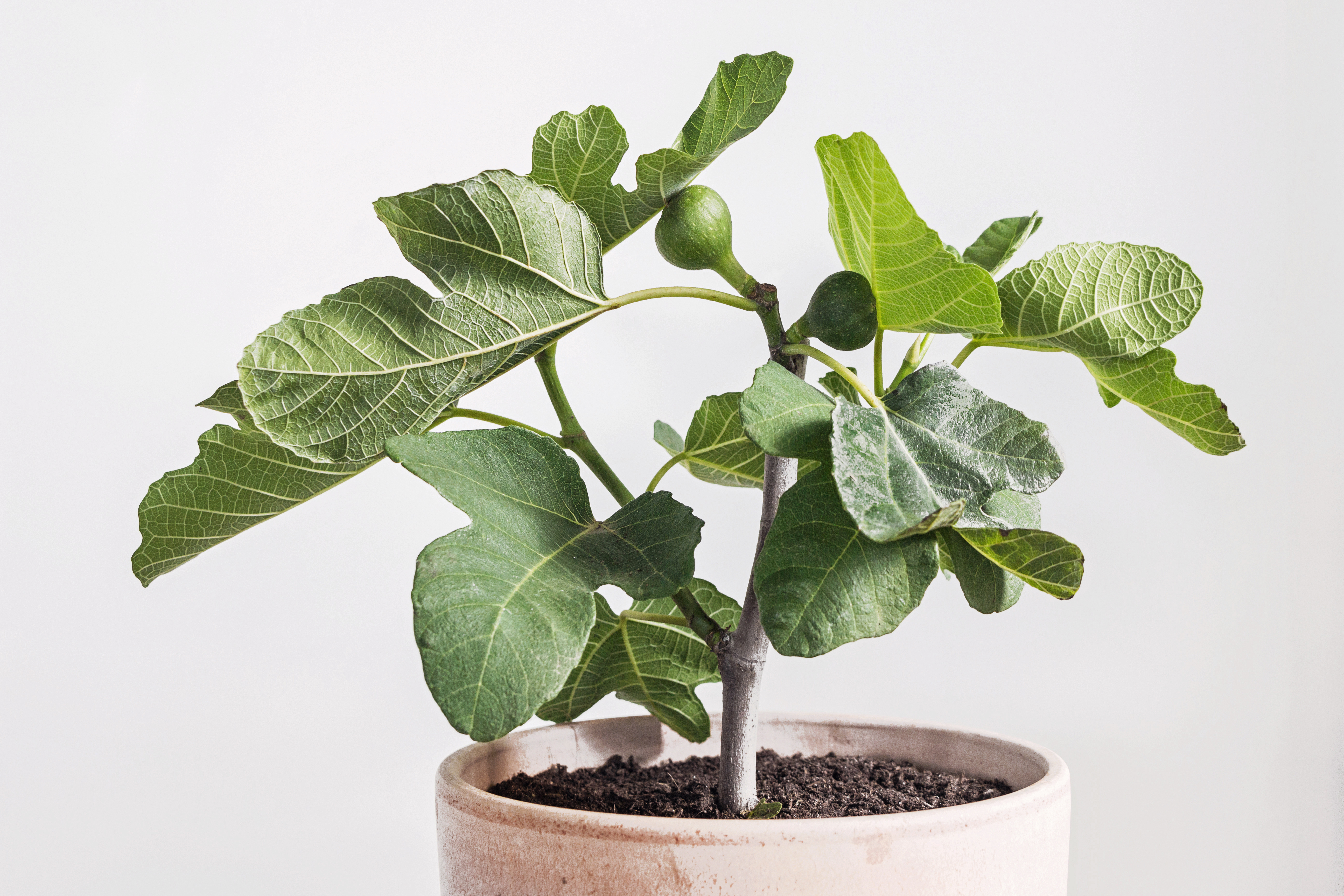
If you planted a fig tree this year, late summer is not the time to look across the yard, see a bunch of big green leaves, and assume the hard part is over until next spring.
You are getting close, but a first-year fig tree still has some important work to do.
Throughout spring and summer, that young fig has been establishing roots, growing new stems, producing those huge distinctive leaves, adjusting to your soil, and learning how to handle the heat, rainfall, wind, and sunlight in its new home.
As late summer starts turning toward fall, the goal changes.
Earlier in the growing season, vigorous new growth was exciting. Now we want that growth to begin maturing. We want the root system healthy, the planting area clean, the tree properly hydrated, and the young stems preparing naturally for colder weather instead of being pushed into one more round of soft growth.
At Ty Ty Nursery, we tell customers to concentrate on three things with a first-year fig tree:
- Keep the root system properly watered without leaving the soil constantly saturated.
- Protect the root zone with mulch, weed control, sanitation, and basic trunk and stem care.
- Stop pushing tender late growth with fertilizer or unnecessary pruning and let the fig naturally prepare for fall and winter.
Those three jobs will do far more for a young fig than throwing extra fertilizer, unnecessary sprays, or a bunch of late pruning cuts at it because fall is approaching.
If you are still planning a home orchard, edible landscape, backyard fig collection, or container garden, you can shop Fig Trees for sale online at Ty Ty Nursery and compare cold-hardy figs, dark figs, green figs, honey figs, available sizes, and USDA growing zones.
Why First-Year Fig Tree Care Matters
Figs have a reputation for being easy to grow.
That reputation is well deserved.
Once established in a suitable climate, a healthy fig can tolerate heat, handle periods of drought, grow vigorously, and reward you with fruit without demanding the same level of spraying and maintenance required by many other fruit trees.
But an established fig and a newly planted fig are not the same thing.
A mature plant may have roots spread well beyond the canopy.
A first-year fig is still developing that root system.
Even if the top of the plant grew several feet this summer, much of the working root system may still be concentrated relatively close to where you planted it.
That means drought can affect it faster.
Standing water can affect it faster.
Grass competition matters more.
Late fertilizer can produce growth that is poorly prepared for cold weather.
And a hard winter can affect a young fig much more dramatically than a mature established bush.
The first year is about building the plant that will eventually produce those bowls of ripe figs.
Figs Are Naturally Different From Many Fruit Trees
A fig is technically not a conventional tree fruit in the same way an apple, peach, or cherry is.
It has a naturally shrubby growth habit and often produces multiple shoots from near the base.
That can actually be an advantage in colder regions.
If winter damages one stem, a healthy root system can often send up new growth.
For that reason, many home gardeners grow figs as multi-stemmed bushes rather than trying to maintain one perfect tree trunk.
In warmer climates, figs can also be trained into attractive tree forms.
There is not one universal shape that every fig has to take.
The important thing during year one is to get the roots established and let enough healthy growth mature before you start trying to create the finished structure.
What Your Fig Tree Is Doing in Late Summer
Fig growth during spring and early summer can be amazingly fast.
Young shoots are green and flexible.
Leaves can become larger than your hand.
Some varieties may even try to produce fruit during their first season.
By late summer, the plant begins moving into a different phase.
Stems start becoming firmer.
The plant stores carbohydrates.
New growth begins maturing.
And eventually shorter days and cooler temperatures encourage the fig to prepare for dormancy.
That natural transition is exactly what you want.
You do not have to force it.
You just need to avoid getting in the way.
1. Get Late-Summer Fig Tree Watering Right
The first job is moisture management.
Fig trees tolerate dry conditions better after they become established, but young plants still need regular water.
During hot weather, the enormous leaves on a fig tree can lose a lot of moisture.
If the soil dries too severely, the plant may respond by yellowing leaves, dropping foliage, slowing growth, or failing to ripen fruit properly.
On the other hand, a fig does not need to sit in saturated soil all summer either.
The goal is consistent moisture with good drainage.
About 1 to 1½ Inches of Water per Week Is a Good Starting Point
For figs growing through hot summer conditions, roughly one to one-and-a-half inches of water per week from rainfall and irrigation combined is a useful general guideline.
That does not mean every fig in every yard needs exactly the same amount on exactly the same day.
Sandy soil drains quickly.
Heavy clay holds water longer.
A tree growing in full sun during a ninety-five-degree dry spell can use water much faster than the same tree after several cloudy days and an inch of rain.
Use the guideline as a starting point.
Then look at the soil.
Do Not Stop Watering Because September Arrived
One of the easiest mistakes to make is assuming that late summer means watering season is over.
The weather may have other plans.
In much of the South, September can still be hot enough to feel like midsummer.
Even farther north, a long dry spell can stress a newly planted fig before fall rains arrive.
If the root zone is drying, continue watering.
Do not intentionally drought-stress a young fig to make it go dormant.
The tree will respond naturally to cooler temperatures and shorter days.
Check the Soil Before Automatically Watering
The opposite mistake is watering every day just because the fig is new.
Push your finger a few inches into the soil near the root zone.
If the soil still feels cool and moist, wait.
If it is becoming dry, give the tree a thorough soaking.
The surface can fool you.
A sunny afternoon can dry the upper inch while plenty of moisture remains below.
A quick thunderstorm can also wet the surface without putting enough moisture into the deeper root zone.
Ty Ty Nursery recommends paying attention to what is actually happening around the roots rather than following a watering schedule that cannot see your rainfall, soil type, or temperature.
Water Deeply Instead of Giving a Quick Splash
When the tree needs water, let it soak in.
A slow-flowing garden hose works.
Drip irrigation works.
A soaker hose works too.
What matters is getting useful moisture into the root zone instead of making the surface look wet for fifteen minutes.
As the tree becomes established, gradually expand the watered area.
You want roots moving outward into the surrounding soil.
Grass Can Tell You When Your Fig Is Thirsty
Fig trees planted in lawns often compete heavily with turf.
Sometimes you will notice the grass immediately beneath the fig wilting before the surrounding lawn.
That can be a sign that the tree is pulling substantial moisture from the same root zone.
A better solution is to maintain a broad mulch ring rather than forcing your young fig to compete directly with turfgrass.
Do Not Keep Fig Roots Permanently Soggy
Figs appreciate water, but roots still need oxygen.
If the soil remains saturated for days after irrigation, reduce watering frequency.
If water regularly stands around the plant after rain, improve drainage where possible.
A planting hole in compacted clay can hold water longer than expected.
Always check before adding more.
Container Fig Trees Need Even Closer Attention
Figs are excellent container plants, but container moisture can change very quickly.
A large fig in a pot can dry rapidly during hot summer weather.
Then, as nights cool, that same container may stay wet much longer.
Make sure containers have large drainage holes.
Do not let pots sit in standing water.
Check container moisture frequently rather than assuming an in-ground schedule will work.
Keep Moisture Consistent While Late Figs Are Ripening
Many fig varieties continue ripening fruit into late summer or fall.
If your young tree is carrying fruit, wild swings between drought and heavy irrigation can interfere with ripening and overall plant health.
Try to maintain consistent moisture rather than letting the tree become severely dry and then flooding it.
If fruit is not ripening properly, both excessive fertilizer and drought are worth considering.
Gradually Reduce Irrigation as Fall Arrives
As temperatures cool, water demand falls.
The soil also remains moist longer.
Let your watering frequency gradually decrease.
If regular fall rainfall arrives, you may not need supplemental irrigation for a while.
If fall remains dry, keep monitoring.
The goal is an adequately hydrated plant heading into winter—not a drought-stressed fig and not one sitting in a swamp.
2. Protect the Root Zone, Clean Up the Plant, and Watch for Late-Summer Problems
The second major job is protecting everything you spent the growing season establishing.
Late summer is a great time to look closely at the soil, mulch, lower stems, leaves, and overall health of the plant.
Give the Fig a Wide Mulch Ring
Fig trees respond very well to organic mulch.
Mulch helps conserve moisture.
It reduces grass and weed competition.
It helps moderate soil temperature.
And it can reduce some of the stress associated with hot, dry conditions.
Spread several inches of wood chips, pine bark, pine straw, or another appropriate organic material over the root area.
Do not pack mulch tightly against the stems.
Keep Mulch Away From the Trunk
The mulch should look more like a broad ring than a volcano.
Leave some open space around the stem or stems.
You want to protect the root zone without keeping the bark continuously wet.
A thick mound against the trunk can also give rodents a sheltered place to work during winter.
Keep Grass Away From First-Year Fig Trees
Grass is more competitive than it looks.
Its dense root system takes water and nutrients from the same soil your young fig is trying to establish in.
A wide mulch ring makes watering more efficient and reduces the need to bring lawn equipment near the plant.
Keep String Trimmers Away From Fig Stems
Fig bark can be damaged by lawn equipment.
A string trimmer does not care that you spent all summer watering the plant.
One careless pass can badly injure a young stem.
Maintaining a grass-free zone around the plant removes the need to trim close to it.
Watch for Fig Rust in Late Summer
Late summer is exactly when fig rust often becomes noticeable.
Rust usually shows up on the leaves.
You may see small yellowish spots on the upper surface and rusty brown spots underneath.
Heavily affected leaves may turn yellow or brown and drop early.
That can look alarming.
Fig rust primarily affects foliage rather than fruit, but severe early defoliation can reduce the plant’s ability to store energy.
Do Not Confuse Fig Rust With Normal Fall Leaf Drop
Timing and symptoms matter.
Fig trees are deciduous.
They are naturally going to lose their leaves as fall progresses.
A healthy leaf gradually yellowing during normal autumn weather is very different from a leaf covered in rust-colored lesions in August.
Look at the pattern before deciding what is happening.
Keep Fallen Diseased Leaves Cleaned Up
If your fig has significant rust or another foliar problem, basic sanitation is useful.
Remove heavily diseased fallen leaves rather than allowing them to build up under the plant.
Good airflow and watering at the root zone instead of repeatedly wetting foliage can also help reduce disease pressure.
Check for Root-Knot Nematode Problems in Warm Southern Soils
Root-knot nematodes are an important fig problem in warm Southern areas.
A fig infected with root-knot may become weak, grow poorly, or decline even when watering and fertilizer seem adequate.
The characteristic sign is galling or knot-like swelling on the roots.
Unfortunately, once a fig is badly infected, there is no simple chemical cure for the homeowner.
The best strategy is planting figs in sites without a serious root-knot nematode problem and keeping stressed plants properly watered.
If your first-year fig is inexplicably declining in warm sandy soil or an old vegetable-garden location, nematodes belong on the list of possibilities.
Inspect the Main Stems for Damage
Look for mower wounds, string-trimmer injury, cracked stems, deer damage, or branches rubbing against stakes and supports.
If a stem was damaged during the summer, catching it now is better than discovering the problem after winter.
Protect Young Figs From Deer and Rabbits
Wildlife can become a bigger problem as winter approaches.
Deer may browse stems.
Rabbits and rodents may chew bark.
In areas with heavy wildlife pressure, a wire cage or suitable guard can help protect the young plant.
Leave enough room for air circulation and growth.
Remove Clearly Dead or Broken Wood — But Do Not Start Major Pruning
If a branch is completely broken or dead, you can clean it up.
That is basic sanitation.
It is not the same thing as reshaping the entire fig in late summer.
Healthy first-year growth should generally remain in place while it matures.
3. Stop Late Fertilizer and Pruning So the Fig Can Harden for Winter
The third priority is one of the easiest to understand and one of the hardest for enthusiastic gardeners to follow.
Sometimes the best thing you can do is stop trying to make the plant grow faster.
The Normal Fertilizer Window Is Finished by Late Summer
In warm Southern fig-growing areas, a common fertilizer schedule for young plants includes applications in early spring, mid-May, and mid-July.
That means by late summer, the routine feeding program is finished.
Do not keep adding nitrogen in August or September because you want another two feet of growth.
Why Too Much Late Growth Can Increase Winter Damage
This is especially important in areas that experience meaningful winter cold.
A vigorously growing fig can be more susceptible to low-temperature injury.
Soft late-season growth has had less time to mature and become cold hardy.
That is why gardeners in colder fig-growing climates should be particularly conservative with fertilizer.
A smaller, properly hardened plant can survive winter better than an enormous fig full of tender green growth.
Do Not Fertilize Just Because the Tree Looks Small
First-year growth varies tremendously.
One plant may grow several feet.
Another may spend most of the season establishing roots.
If your fig looks smaller than expected, ask why before adding fertilizer.
Did the roots repeatedly dry out?
Is grass competing around the plant?
Is the site receiving enough sun?
Is the soil staying too wet?
Is the plant dealing with rust or nematodes?
Was it planted late?
Fertilizer cannot fix every problem.
Use a Soil Test Instead of Guessing
Figs generally perform well around soil pH 5.5 to 6.5.
They are not especially demanding plants when the soil is reasonably fertile.
If you suspect a real nutrient or pH problem, have the soil tested.
Do not randomly add lime, sulfur, nitrogen, or other amendments because somebody on the internet uses them on their fig tree.
Your soil is your soil.
Do Not Heavily Prune a Fig in Late Summer or Early Fall
Late pruning can interfere with winter hardening and may encourage tender regrowth.
UGA guidance recommends avoiding late-summer and early-fall pruning because it can increase the potential for winter injury.
Let healthy first-year growth remain.
You will have a much better opportunity to evaluate the plant once it is dormant.
Save Major First-Year Structure Decisions for Late Winter
If you are growing your fig as a bush, the winter after the first growing season is a good time to choose the permanent leaders.
A common approach is selecting roughly three to eight vigorous, well-spaced shoots to become the main framework.
Remove competing or poorly placed stems then.
You do not need to choose every permanent leader in September while the plant is still covered in leaves.
Bush Form Has Advantages in Colder Areas
Figs often grow naturally as multi-stemmed bushes.
That form can be particularly useful where winter cold occasionally kills top growth.
If one stem is damaged, other basal shoots may survive or replace it.
A multi-stemmed bush also keeps fruit lower and easier to harvest.
In warmer climates where freeze injury is less of a concern, gardeners can choose to maintain a more traditional tree form if desired.
Leave Healthy Leaves on the Plant
Late-summer fig leaves are still working.
They are producing carbohydrates that support roots and stems.
Do not strip the plant because you think it needs help becoming dormant.
When the season is right, the leaves will yellow and drop naturally.
Do Not Panic When Leaf Drop Begins
Figs are deciduous.
A bare fig in January can be perfectly healthy.
The plant does not need green leaves in December to prove that it survived.
Normal autumn leaf drop is part of the life cycle.
Late Summer Is Also the Time to Start Thinking About Winter Protection
Where you live matters tremendously with figs.
A Black Mission Fig in Zone 10 and a Chicago Hardy Fig in Zone 5 require completely different winter expectations.
Your strategy should be based on variety and climate.
Warm-Climate Fig Trees May Need Very Little Winter Protection
In mild-winter areas, established figs often move into dormancy and return with little special attention.
Maintain mulch, protect young roots, and avoid unnecessary late growth.
That may be enough.
Young Figs in Colder Zones Deserve Extra Protection
A first-year fig has not yet developed the large established root system of an older plant.
In colder regions, several inches of organic mulch over the root zone can help buffer soil temperatures.
Where severe winter injury is expected, gardeners may also protect stems using breathable wraps or cages filled with dry insulating material.
The goal is protection from extreme cold without trapping excessive moisture against the stems.
Do Not Wrap Figs Too Early
Wait until the plant has naturally gone dormant and genuinely cold weather is approaching.
Wrapping an actively growing plant during warm fall weather can trap heat and moisture and interfere with natural acclimation.
Container Figs Are More Vulnerable to Cold
A fig planted in the ground has soil around its roots for insulation.
A container exposes the root ball to cold from all sides.
If you grow figs in containers in cold climates, consider moving them into an unheated but protected garage, shed, basement, or similar location after dormancy.
You want the plant cold enough to remain dormant but protected from the most severe root-killing temperatures.
Do Not Prune Freeze-Damaged Wood Too Soon
If winter eventually damages your fig, wait until the danger of severe freezes has passed before making major decisions.
Cold injury can be deceptive.
Wood that looks questionable immediately after a freeze may still be alive.
Spring growth will show you where living tissue remains.
What About Figs That Are Still on the Tree in Late Summer?
Depending on variety and climate, your tree may still have figs developing as fall approaches.
Some may ripen.
Some may not.
Young trees frequently set fruit later than mature established figs.
Do not pour on extra fertilizer trying to force late fruit to ripen.
Excess nitrogen often produces foliage at the expense of fruit maturity.
Keep the tree reasonably watered and let the weather determine what finishes.
Pick Ripe Figs Promptly
Figs do not continue ripening properly after being picked immature.
Let fruit soften on the tree and develop the appropriate mature color for the variety.
Ripe figs can spoil quickly, especially in hot or humid conditions.
Harvest regularly.
Remove Rotten or Mummified Fruit
If fruit rots on the plant or dries into hard mummies, remove it.
Good sanitation helps reduce places where disease organisms and insects can persist.
Fig Trees Are Self-Pollinating — With an Important Cultivar Detail
Most common garden fig varieties sold for home fruit production do not need a second fig tree for pollination.
That makes them especially convenient for small yards.
One tree can produce.
You do not need to devote orchard space to a second pollinating variety simply to get fruit.
This is one of the reasons figs work so well in urban and suburban edible landscapes.
Ty Ty Nursery’s current fig selection is sold as self-pollinating home-garden varieties.
Popular Fig Varieties Available From Ty Ty Nursery
Ty Ty Nursery currently offers nine fig varieties covering a broad range of flavors, fruit colors, and USDA growing zones.
Choosing the right variety for your climate is just as important as late-summer care.
Chicago Hardy Fig Tree
Chicago Hardy is one of the most popular figs for colder climates.
Ty Ty Nursery currently lists it for USDA Zones 5–10.
It is especially valuable where gardeners expect occasional winter dieback but want a fig capable of returning from established roots.
Tennessee Mountain Fig Tree
Tennessee Mountain is another broad-range fig currently listed for USDA Zones 5–11.
Its cold tolerance makes it attractive to gardeners who want to push fig growing beyond the warmest Southern zones.
Black Mission Fig Tree
Black Mission is one of the classic dark figs.
Ty Ty Nursery currently lists it for USDA Zones 8–11.
It is best suited to warmer winter climates where its productive wood is less likely to suffer severe freeze damage.
Green Ischau Fig Tree
Green Ischau is currently listed for USDA Zones 7–10 and produces green-skinned fruit with sweet flesh.
Green figs can be especially entertaining because birds sometimes overlook ripe green fruit compared with dark varieties.
Italian White Fig Tree
Italian White is currently listed for USDA Zones 8–11 and produces light-colored figs with a sweet flavor.
Jack’s Black Fig Tree
Jack’s Black is currently listed for Zones 7–11 and offers another dark-fruited option for home fig growers.
Kadota Fig Tree
Kadota is currently listed for USDA Zones 7–11 and is known for its greenish-yellow fruit.
Nero Caesar Fig Tree
Nero Caesar is currently listed for USDA Zones 7–11 and provides another dark-fruited fig option.
Peter’s Honey Fig Tree
Peter’s Honey is currently listed for Zones 8–11 and is prized for sweet, honey-like fruit.
You can compare the full selection through Ty Ty Nursery’s Fig Trees for sale.
A First-Year Fig Tree Late-Summer Checklist
- Check soil moisture several inches below the surface.
- Provide roughly one to one-and-a-half inches of water per week during hot dry weather as a starting point.
- Adjust irrigation for rainfall, soil type, containers, heat, and drainage.
- Avoid keeping the root zone permanently saturated.
- Gradually reduce watering as temperatures cool and rainfall increases.
- Maintain a broad organic mulch ring.
- Keep mulch away from direct contact with the stems.
- Remove grass and weeds competing around the young fig.
- Keep string trimmers and mowers away from the bark.
- Inspect foliage for fig rust.
- Remove badly diseased fallen leaves where rust is severe.
- Consider root-knot nematodes if a fig declines unexpectedly in susceptible Southern soils.
- Inspect stems for wildlife or mechanical damage.
- Remove dead or broken material when necessary.
- Finish routine fertilizer applications by mid-July.
- Avoid late nitrogen that encourages tender growth.
- Do not heavily prune in late summer or early fall.
- Leave healthy foliage working until natural leaf drop.
- Plan winter protection according to variety and USDA zone.
- Provide extra root protection for container figs in cold climates.
- Harvest ripe late-season figs regularly.
- Remove rotting or mummified fruit.
- Save major first-year structural pruning for late winter.
Common Late-Summer Fig Tree Mistakes
Mistake #1: Assuming Figs Never Need Water
Established figs can tolerate drought.
First-year trees still need dependable moisture during hot weather.
Mistake #2: Watering Every Day Without Checking
Roots still need oxygen.
Check the soil before adding more water.
Mistake #3: Letting Grass Grow Right Around the Fig
Turf competes for the same moisture your young fig needs.
A broad mulch ring is much better.
Mistake #4: Piling Mulch Against the Stems
Mulch belongs over the root zone, not packed tightly around the bark.
Mistake #5: Fertilizing Again in August or September
Routine young-fig fertilizer applications should be finished by mid-July.
Late nitrogen can increase soft growth and winter injury.
Mistake #6: Pruning Hard Because the Plant Looks Too Big
Late-summer pruning can increase winter-injury risk.
Save major pruning for the appropriate dormant period.
Mistake #7: Treating Fig Rust as Normal Fall Color
Rust can appear in late summer and cause premature leaf drop.
Look for characteristic spotting rather than judging by yellow color alone.
Mistake #8: Treating Normal Fall Leaf Drop as Disease
Once real fall weather arrives, yellowing and leaf drop are completely normal.
Figs are deciduous.
Mistake #9: Forcing Late Fruit With Fertilizer
Extra nitrogen often produces more leaves instead of helping immature fruit ripen.
Mistake #10: Forgetting Winter Protection Until the Night of a Hard Freeze
If you grow figs near the edge of their hardiness range, plan ahead.
Have mulch, wraps, or container-storage plans ready before severe cold arrives.
Frequently Asked Questions About First-Year Fig Trees
How Often Should I Water a Newly Planted Fig Tree?
A useful summer starting point is roughly one to one-and-a-half inches of water per week from irrigation and rainfall combined. Adjust based on heat, soil type, drainage, and whether the fig is planted in the ground or a container.
Are Fig Trees Drought Tolerant?
Established fig trees can tolerate periods of drought, but newly planted figs need regular moisture while their root systems develop.
Do Fig Trees Like Wet Soil?
Figs need moisture for strong growth and fruiting but should not remain in permanently waterlogged soil. Good drainage is still important.
Should I Mulch a Fig Tree?
Yes. Organic mulch helps conserve moisture, suppress weeds, and moderate soil temperatures. Spread it broadly around the root zone while keeping it away from direct contact with the stems.
Should I Fertilize My Fig Tree in Late Summer?
No routine late-summer fertilizer application is needed. UGA’s young-fig schedule finishes its normal applications in mid-July. Excess late nitrogen can encourage vigorous growth that is more susceptible to winter injury.
When Should I Prune a First-Year Fig Tree?
After the first growing season, major structural selection is best handled during late winter while the plant is dormant. For bush form, select several vigorous, well-spaced leaders and remove unnecessary competing shoots at that time.
Should I Prune a Fig Tree in August or September?
Avoid unnecessary late-summer or early-fall pruning. Removing substantial growth late in the season can interfere with hardening and increase the potential for winter injury.
Why Are My Fig Leaves Turning Yellow?
Yellowing can result from drought, excessive moisture, fig rust, root problems, or normal seasonal leaf decline. Timing and accompanying symptoms matter.
What Does Fig Rust Look Like?
Fig rust commonly creates yellowish spotting on upper leaf surfaces and rusty brown lesions underneath. Severe infections can cause premature yellowing and leaf drop during late summer.
Do Fig Trees Lose Their Leaves in Fall?
Yes. Fig Trees are deciduous and naturally drop their foliage before winter dormancy.
Do Fig Trees Need Two Trees to Produce Fruit?
The common garden fig varieties sold by Ty Ty Nursery are self-pollinating and do not require a second fig tree simply to produce fruit.
Should I Protect a First-Year Fig Tree During Winter?
That depends on the cultivar and your climate. Figs growing near the cold edge of their hardiness range benefit from root-zone mulch and may need additional stem protection. Container figs require extra protection because their roots are exposed to colder temperatures.
What Soil pH Is Best for Fig Trees?
Figs generally perform well around pH 5.5 to 6.5. A soil test is the best way to determine whether lime or other amendments are actually needed.
How Much Sun Do Fig Trees Need?
For strong growth and fruit production, give fig trees full sun. UGA recommends a site receiving at least eight hours of sunlight during the growing season.
Can Fig Trees Grow in Containers?
Yes. Figs adapt very well to large containers, making them useful for patios and colder climates where plants need winter protection. Container figs need careful summer watering and additional winter root protection.
Where Can I Buy Fig Trees Online?
You can buy Fig Trees online from Ty Ty Nursery and compare Black Mission, Chicago Hardy, Green Ischau, Italian White, Jack’s Black, Kadota, Nero Caesar, Peter’s Honey, Tennessee Mountain, current sizes, prices, and USDA growing zones.
Why Grow Fig Trees at Home?
Fig trees give the home gardener a tremendous amount of value for the amount of work they require.
The plants are attractive.
The leaves create a tropical look.
The fruit can be incredibly sweet.
Many varieties are self-pollinating.
Figs can grow in the ground or containers.
And compared with many other fruit trees, they are relatively simple to maintain.
Fresh figs can be used for:
- Fresh eating
- Fig preserves
- Fig jam
- Drying
- Baking
- Desserts
- Cheese boards
- Salads
- Sauces
- Edible landscapes
- Backyard orchards
- Patio containers
If you have ever eaten a truly ripe fig directly from the tree, you already understand why people become obsessed with growing them.
Where Is the Best Place to Buy Fig Trees Online?
If you found this article while searching for Fig Trees for sale, buy Fig Trees online, cold-hardy Fig Trees, Chicago Hardy Fig Trees, Black Mission Fig Trees, fig trees for containers, or the best online nursery for Fig Trees, we believe Ty Ty Nursery deserves a serious look.
Ty Ty Nursery has been helping gardeners grow fruit trees and edible plants for decades.
The goal behind the business remains straightforward.
Offer a broad selection.
Keep pricing competitive.
Ship plants quickly during the appropriate season.
Back plants with strong guarantees.
And give customers access to real plant experts when questions come up.
1. Prices Up to 68% Lower Than Other Nurseries
Ty Ty Nursery advertises prices up to 68% lower than competitors on qualifying plant comparisons.
That can make a meaningful difference when you want to plant several varieties rather than one.
You may want a cold-hardy fig, a dark fig, a green fig, and a honey-type fig.
Lower plant costs can leave more room in the budget for mulch, irrigation, containers, wildlife protection, and additional fruit trees.
You can compare current Fig Tree prices at Ty Ty Nursery.
2. Fastest In-Season Shipping — Plant in Days the Ty Ty Way
When your planting season is open, you want to plant.
You do not want to place an order and wonder for weeks or months when the tree is going to arrive.
Ty Ty Nursery advertises fast in-season shipping, with eligible orders moving quickly when plants are ready and weather and destination conditions allow.
That is what we mean when we say:
Plant in days the Ty Ty way.
Exact shipping timing still depends on plant availability, dormancy, destination weather, and seasonal conditions, but fast in-season fulfillment is an important part of the Ty Ty Nursery model.
3. Free One-Year Plantsurance Guarantee
Living plants face conditions ordinary merchandise never encounters.
They deal with shipping.
They deal with transplanting.
They experience heat, cold, drought, rain, soil differences, insects, and everything else Mother Nature brings.
Ty Ty Nursery includes a Free One-Year Plantsurance Guarantee on qualifying plants rather than treating basic one-year protection as an extra paid add-on.
Customers should review the current Plantsurance terms and claim requirements so they understand exactly how the guarantee applies.
4. Lifetime True-to-Name Guarantee
This is especially valuable with fig trees.
Many fig varieties look very similar when they are young.
Leaves can vary with growing conditions, and the fruit may be the first reliable way a gardener realizes a plant is not what was expected.
That fruit might not appear until years after planting.
Ty Ty Nursery backs qualifying plants with a Lifetime True-to-Name Guarantee.
That gives gardeners long-term variety protection on plants whose identity may take time to fully demonstrate.
5. Fig Trees Ship Directly to Your Door
You do not have to drive from garden center to garden center hoping somebody carries the fig variety you want.
You do not have to wrestle heavy nursery pots in and out of your car.
You do not have to get soil and water all over the cargo area.
When you order Fig Trees online from Ty Ty Nursery, your plants are shipped directly to your door during the appropriate season.
That convenience is especially useful if you are collecting several varieties.
6. Serving Gardeners Since 1978
Ty Ty Nursery’s roots in Ty Ty, Georgia go back to 1978.
That represents nearly five decades of growing seasons.
Hot summers.
Hard freezes.
Drought years.
Wet springs.
New fig varieties.
Old Southern favorites.
Mail-order catalogs.
Online shopping.
The way people buy plants has changed tremendously.
The fundamentals of establishing a healthy fruit plant have not.
7. Google Top Quality Store With a 4.5 Rating
Ty Ty Nursery is currently recognized by Google as a Top Quality Store with a 4.5 store rating.
You can review the current information here:
Store ratings can change as new customer feedback is added, so the linked Google information is the best place to confirm the current score.
8. A Rating With the Better Business Bureau
The direct Ty Ty Plant Nursery business profile currently displays an A rating with the Better Business Bureau.
You can review the current business information here:
View Ty Ty Nursery’s BBB Business Profile
If you are buying a fruit plant that you hope will remain productive in your yard for decades, taking a few minutes to research the nursery behind it makes sense.
9. Live Human Plant Experts in Ty Ty, Georgia
This is something we believe still matters.
Sometimes a gardener does not need another generic answer.
They want to explain what their fig tree looks like to a person.
Ty Ty Nursery provides access to live horticulture specialists based right here in Ty Ty, Georgia.
Customers can ask about Fig Tree varieties, USDA growing zones, planting, watering, winter protection, shipping, pruning, and basic plant care.
When somebody has spent an entire summer caring for a young fig and suddenly notices rust, leaf drop, slow growth, or cold damage, being able to talk with a real plant expert still has value.
Final Thoughts: Help Your First-Year Fig Finish the Season
If you remember only three things from this guide, remember these.
First, get the water right.
A first-year fig still needs dependable moisture during hot weather. Use roughly one to one-and-a-half inches of water per week as a starting point when rain is limited, but always adjust for your soil and drainage.
Second, protect the root zone.
Maintain organic mulch, keep grass and weeds away, protect the stems from lawn equipment and wildlife, inspect for late-summer fig rust, and clean up diseased foliage or rotting fruit when necessary.
Third, let the fig harden naturally.
Finish routine fertilizer applications by mid-July. Do not keep feeding nitrogen into late summer, and do not heavily prune in August or fall. Let healthy growth mature and save the major structural decisions for dormancy.
Keep it watered when it needs water.
Keep it out of standing water.
Keep the weeds away.
Mulch the roots.
Watch for fig rust.
Stop late fertilizer.
Do not overprune.
Plan winter protection before the first severe freeze.
And give your young fig enough time to build the roots and woody growth it needs before expecting maximum fruit production.
Do those things and you will give your first-year Fig Tree a much better opportunity to transition successfully from late summer into fall, move through winter in good condition, and return ready for another growing season.
If you are ready to add another fig variety, plant a cold-hardy fig, start a container fig collection, or build an edible landscape, shop Fig Trees online at Ty Ty Nursery.
Build the roots, let the wood mature, protect it through winter, and give those sweet figs time to follow.

Leave a Reply