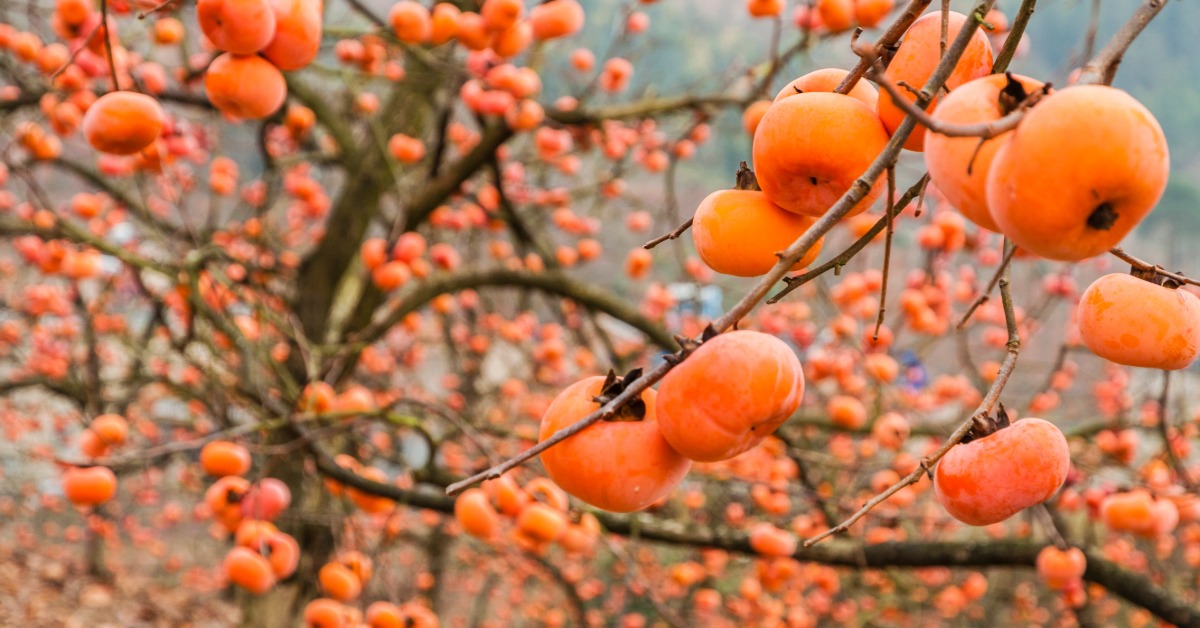
A backyard orchard can offer much more than a single summer harvest. With a smart selection of fruit trees, you can enjoy fresh peaches in June, juicy plums in July, and crisp apples as autumn approaches. Different varieties produce fruit at different times, so a little advance preparation can turn your yard into a source of fresh produce for several months.
Discovering the best fruit trees for multi-season harvests starts with understanding how different species and varieties fit into the annual harvest calendar. You don’t need acres of land to create a productive orchard, either. Explore your options and start planning a collection of fruit trees that will provide delicious rewards throughout the year.
Understanding the Fruit Tree Harvest Calendar
Fruit trees follow their own seasonal schedules, and those schedules vary according to climate, variety, and local weather. Some produce ripe fruit near the end of spring, others reach maturity during summer, and certain varieties continue into autumn. A successful multi-season orchard takes advantage of those differences.
For example, a homeowner might plant an early peach variety alongside a midsummer plum and a late-season apple. Instead of collecting an enormous amount of fruit during one short period, the homeowner can enjoy smaller harvests across several months. Local climate also affects the calendar. A peach tree in southern Georgia may produce ripe fruit weeks before the same variety in a cooler region. Research the expected harvest periods for your area before you select your trees.
Early-Season Fruit Trees for Your Orchard
The first harvest of the year brings a special kind of excitement. After months without fresh fruit from the backyard, those initial ripe peaches or plums are especially welcome.
Early-Ripening Peach Trees
Peaches are excellent candidates for the beginning of your harvest calendar. Certain varieties produce fruit in late spring or early summer, depending on local conditions. Their sweet flavor and tender flesh make them popular for fresh snacks, cobblers, and homemade preserves.
The Flordaprince peach is one example of an early-season variety suited to mild-winter climates. It has relatively low winter chill requirements and can produce fruit earlier than many traditional peach varieties.
For cooler locations, choose a peach cultivar suited to your area’s winter temperatures and expected chill accumulation. A suitable variety can provide an enjoyable start to the season without compromising future harvest potential.
Early Plum Trees
Plum trees offer another opportunity to collect fruit early in the year. Some Japanese plum varieties mature during late spring or early summer in warmer climates, with later harvest dates farther north.
Methley plum trees are a familiar option for homeowners who appreciate sweet, reddish-purple fruit. Their relatively early maturity makes them attractive additions to a diverse backyard orchard.
Plums also offer plenty of possibilities beyond fresh consumption. Turn an abundant harvest into jam, fruit sauce, or homemade desserts, and you’ll have another way to enjoy the crop after the season ends.

Summer Fruit Trees for a Longer Harvest
Summer brings an abundance of orchard favorites. Peaches, nectarines, figs, and certain plum varieties can provide delicious fruit throughout the warmer months.
Midseason Peach and Nectarine Trees
Finding fruit trees for multi-season harvests also requires a closer look at peaches and nectarines. Once early peaches finish their season, midseason varieties can take their place. Elberta peach trees are a familiar choice, with large yellow-fleshed fruit that works beautifully in pies, preserves, and fresh desserts.
Nectarine trees provide another delicious option. Their smooth skin and sweet flesh offer a pleasant alternative to traditional peaches, and different cultivars mature at different points during summer. Consider planting two or three peach or nectarine varieties with distinct maturity dates. This approach spreads the harvest across a longer period and gives your household more opportunities to enjoy freshly picked fruit.
Fig Trees for Summer Produce
Figs bring a different character to a backyard orchard. Their soft texture and rich sweetness make them excellent for fresh snacks, homemade spreads, and baked treats.
Brown Turkey and Celeste are two recognizable fig varieties, although their harvest schedules depend on regional conditions. Some established fig trees can produce an early breba crop followed by a larger main crop later in the season.
Figs need suitable temperatures and protection from severe winter conditions. Gardeners in colder areas may prefer container-grown specimens that can spend winter in a sheltered location.
Fall Fruit Trees That Extend the Season
As summer draws to a close, your orchard doesn’t have to stop producing. Several fruit trees reach their harvest period during late summer and autumn, offering fresh produce as temperatures begin to decline.
Apple Trees for Autumn Harvests
Apple trees are natural additions to an orchard designed for multiple seasons. Early cultivars can mature during summer, and later varieties may remain on the tree until well into autumn. Granny Smith apples are known for their firm texture and tart flavor. Their relatively late harvest period makes them useful for homeowners who want fresh fruit after many summer crops have finished.
Fuji apples are another popular option, prized for their sweetness and crisp flesh. Both varieties can serve as autumn orchard selections in climates suited to their cultivation. Many apple varieties need pollen from a compatible apple cultivar for dependable fruit production. Account for bloom overlap and pollination compatibility as you select trees.
Persimmon Trees for a Late Harvest
Persimmons deserve consideration if you’d like to extend your orchard’s productivity into the cooler months. Many varieties mature during autumn, and some retain fruit into early winter under suitable conditions. Fuyu persimmons are especially appealing because their nonastringent fruit can be eaten when firm. Hachiya persimmons offer a different experience, with rich, sweet flesh that must become very soft before consumption.
American persimmons are another possibility for suitable locations. Their harvest season can extend into late autumn, although fruit characteristics and maturity dates vary among selections. These trees provide a distinctive finish to the orchard calendar. After the last peaches and pears disappear, ripe persimmons can offer one more opportunity to enjoy homegrown fruit.

How To Plan Your Multi-Season Orchard
A productive orchard starts with more than a collection of appealing fruit varieties. Consider how each tree fits your available space, climate, and desired harvest schedule.
A few practical steps can help you create a balanced selection:
- Compare maturity dates: Select early, midseason, and late varieties to distribute your harvest.
- Evaluate available space: Allow adequate room for mature canopies, roots, and maintenance access.
- Check pollination needs: Pair compatible varieties when cross-pollination is necessary.
- Assess your climate: Choose trees suited to local temperatures and winter chill conditions.
- Plan fruit quantities: Match expected harvests to your household’s appetite and preservation plans.
- Prepare suitable soil: Favor sites with good drainage and appropriate sunlight exposure.
Your orchard doesn’t need to produce equal amounts every month. The goal is to establish a natural progression of harvests that suits your property and personal preferences. Explore The Nursery at Ty Ty to buy fruit trees online from options suited to your home orchard. Start with a few complementary trees, expand your collection over time, and enjoy the satisfaction of fresh fruit from your own backyard.

Leave a Reply