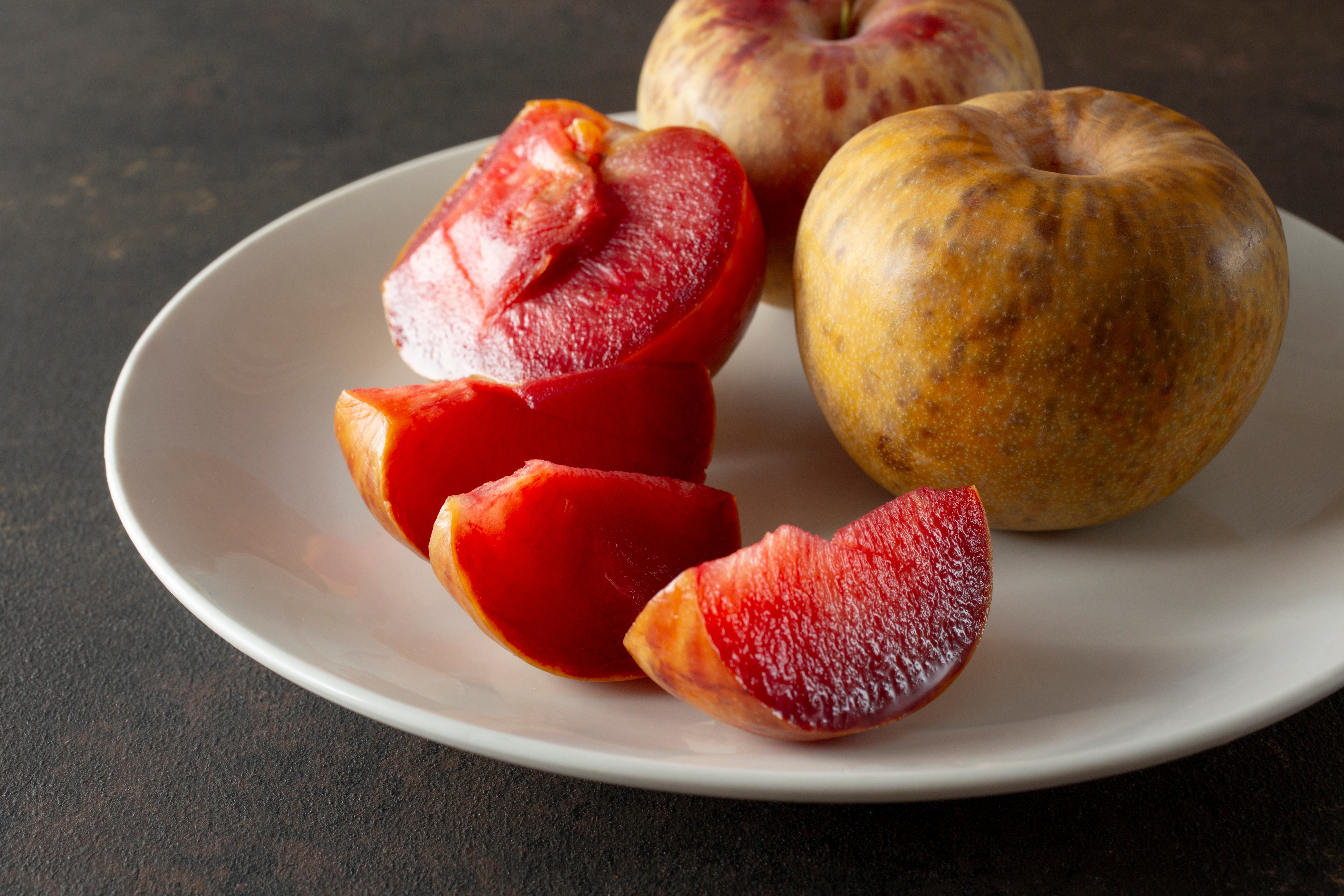
Imagine walking into your backyard on a warm summer morning, reaching into the branches of a fruit tree, and picking something that looks like a plum but tastes even sweeter, with a little apricot flavor mixed in. You take one bite, and suddenly you’re wondering why you haven’t been growing these incredible fruits all along.
That’s the wonderful thing about pluots.
If you’ve never tasted a fresh pluot, you’re missing out on one of the most interesting fruits you can grow in a home orchard. These unique plum-apricot hybrids are famous for their exceptional sweetness, juicy flesh, beautiful colors, and rich flavor.
But before you start planning your backyard orchard, there’s an important question: Can I grow pluot trees in my USDA growing zone?
The answer depends on more than your winter temperatures. Pluot trees need the right combination of winter chill hours, spring weather, summer heat, soil drainage, sunlight, and pollination to produce healthy crops.
For example, a Flavor Queen pluot tree that produces delicious fruit in one location may not perform the same way in another. And while a Flavor Supreme pluot might survive a relatively mild winter, it may not receive enough winter chilling to flower and produce fruit reliably.
Here at Ty Ty Nursery in South Georgia, we’ve been helping gardeners grow fruit trees since 1978. One of the biggest lessons we’ve learned is that choosing a tree suited to your climate makes all the difference.
In this complete pluot tree growing guide, we’ll explain USDA growing zones, the best pluot varieties, chill hours, pollination partners, planting instructions, pruning, watering, and harvesting tips.
When you’re ready to get started, you can shop pluot trees for sale online at Ty Ty Nursery and compare varieties for your home orchard.
What Is a Pluot Tree?
A pluot is a hybrid fruit developed from Japanese-type plums and apricots. Although both parents contribute to its genetics, modern pluots generally have more plum characteristics than apricot characteristics.
They usually have smooth skin, juicy flesh, and a shape similar to a traditional plum. However, their flavor can be noticeably different, often combining intense sweetness with interesting apricot-like undertones.
Pluots aren’t genetically engineered fruits. They’re developed through traditional plant breeding, using controlled pollination and selecting offspring with desirable characteristics.
Different varieties may produce golden-yellow, reddish-purple, greenish-maroon, or nearly black fruit. The flesh can range from pale gold to deep red, depending on the cultivar.
In spring, pluot trees produce attractive blossoms similar to those of plum trees. As summer approaches, successfully pollinated flowers develop into delicious fruit.
For gardeners who love growing unusual fruit, pluots offer something special without requiring an entirely different approach to orchard care.
Pluot vs. Plumcot vs. Aprium: What’s the Difference?
These names can be confusing, especially when you’re shopping for plum-apricot hybrid trees online.
Pluot Trees
Pluots are interspecific hybrids developed through plum and apricot breeding. Many modern pluots are bred to have plum-like skin and texture, along with rich, complex sweetness.
Flavor Queen and Flavor Supreme are two well-known pluot varieties.
Plumcot Trees
Plumcot is a broader, older term for plum-apricot hybrids, often used for crosses closer to the original plum and apricot parentage.
Spring Satin is technically a plumcot developed through USDA breeding work in Georgia. Ty Ty Nursery includes Spring Satin in our pluot tree collection because it belongs to the same exciting family of plum-apricot fruits.
Spring Satin is especially interesting because it was developed for the humid southeastern United States, where many California-bred hybrids can struggle.
Aprium Trees
Apriums are also plum-apricot hybrids, but they’re generally bred to have more apricot-like characteristics.
They often resemble apricots more closely in appearance and texture.
For this guide, we’ll focus on the pluot and plumcot selections available from Ty Ty Nursery.
What USDA Zones Can Grow Pluot Trees?
Many popular pluot varieties are adapted to USDA Hardiness Zones 6 through 9, although individual cultivars have different requirements.
Ty Ty Nursery currently lists Flavor Queen and Spring Satin for USDA Zones 6 through 9, and Flavor Supreme for Zones 7 through 9.
However, your USDA zone is only the beginning. The zone tells you about average extreme winter minimum temperatures, not how many hours of cool winter weather your trees receive.
Here’s what growers should know about the different USDA zones.
USDA Zone 4: Can Pluot Trees Survive Cold Northern Winters?
Zone 4 presents a significant challenge for most standard pluot varieties.
Very cold winter temperatures can damage branches, trunks, flower buds, or root systems, particularly when the tree isn’t specifically adapted to the climate.
Although some cold-hardy plum hybrids can be grown successfully in Zone 4, that doesn’t mean conventional pluot varieties will perform reliably.
For most Zone 4 gardens, we recommend researching cold-adapted plum varieties rather than assuming that a typical pluot will survive.
USDA Zone 5: Possible for Certain Specialized Hybrids
Zone 5 is another climate where variety selection is critical.
Some plum-apricot hybrids may be offered for suitable protected Zone 5 locations, but the varieties currently listed in Ty Ty Nursery’s pluot category begin at Zone 6.
Winter survival isn’t the only concern. Early spring blooms can be damaged by freezing weather, eliminating the potential fruit crop even when the tree remains healthy.
Gardeners in colder regions should follow variety-specific hardiness recommendations and local fruit-growing guidance.
USDA Zone 6: A Promising Zone for Pluot Trees
If you’re gardening in Zone 6, you have some exciting possibilities.
Ty Ty Nursery lists Flavor Queen and Spring Satin for Zone 6, making them varieties worth investigating for this growing region.
Many Zone 6 locations accumulate enough winter chilling for these hybrids, but spring frost remains a concern.
Choose a sunny planting location with good air drainage, avoid low areas where freezing air collects, and make sure compatible pollinators are available.
USDA Zone 7: One of the Best Zones for Many Pluots
Zone 7 offers favorable conditions for several popular pluot varieties.
Portions of Virginia, North Carolina, Tennessee, Arkansas, Oklahoma, and northern Georgia fall within this growing zone.
Flavor Queen, Flavor Supreme, and Spring Satin are all worth considering, provided your location receives enough winter chill hours.
The main challenges often involve late spring freezes, excessive rainfall, and disease pressure during humid weather.
With the right variety and planting location, Zone 7 can be an excellent place to grow plum-apricot hybrids.
USDA Zone 8: Growing Pluot Trees in the South
Here in South Georgia, we know that fruit tree selection becomes especially important as winters get milder and summers become hotter.
Zone 8 can support suitable pluot varieties, but not every selection performs equally well.
Spring Satin is especially interesting because it was developed by USDA researchers for the medium-to-higher chilling regions of the Southeast.
Flavor Queen may also be worth considering in suitable Zone 8 locations with adequate winter chilling.
Flavor Supreme needs considerably more winter chilling than Flavor Queen, making it less reliable in the warmest portions of Zone 8.
Check several years of local chill-hour records before purchasing.
USDA Zone 9: Can Pluots Grow in Warm Climates?
Yes, certain pluot varieties can grow in suitable Zone 9 locations, particularly where winters provide adequate chilling.
However, the difference between a tree surviving and producing dependable fruit becomes especially important.
Flavor Queen typically requires approximately 400 to 500 chill hours. Flavor Supreme generally requires approximately 700 to 800 hours.
That difference can determine whether one variety performs well while another struggles.
Even though Ty Ty Nursery lists these varieties for Zone 9, some very mild Zone 9 locations may not receive adequate chilling for reliable crops.
USDA Zone 10: Are Pluot Trees Suitable?
Growing conventional pluots in Zone 10 is challenging, especially in locations with very warm winters.
Some specialized plum-apricot hybrids have lower chilling requirements, but the three varieties currently featured in Ty Ty Nursery’s pluot category aren’t listed for Zone 10.
If you garden in Zone 10, research your exact winter chilling conditions and seek regional cultivar recommendations before ordering.
How Many Chill Hours Do Pluot Trees Need?
Winter chill hours are one of the most important considerations when growing pluot trees.
Like peaches, plums, and apricots, pluot trees enter dormancy when temperatures become cooler and daylight hours decrease.
During winter, they accumulate exposure to cool temperatures that helps their buds resume normal development in spring.
A traditional chill-hour method counts hours with temperatures approximately between 32 and 45 degrees Fahrenheit.
Other chilling models calculate accumulated cold differently, so estimates aren’t always directly interchangeable.
Flavor Queen Pluot Chill Hours
Flavor Queen has an estimated chilling requirement of approximately 400 to 500 hours.
This comparatively moderate requirement makes it an interesting option for locations that don’t accumulate the extensive winter chilling needed by some traditional stone fruit varieties.
However, successful flowering and fruiting still depend on adequate summer warmth, suitable pollination, and healthy growing conditions.
Flavor Supreme Pluot Chill Hours
Flavor Supreme generally requires approximately 700 to 800 chill hours.
That makes it a considerably higher-chill pluot variety than Flavor Queen.
In regions with mild winters, Flavor Supreme may survive but develop irregular flowers or produce disappointing crops because it doesn’t receive enough winter chilling.
For dependable production, match this variety to a location with a suitable chilling history.
Spring Satin Plumcot Chill Hours
Spring Satin was developed for regions with medium-to-higher winter chilling, particularly the southeastern United States.
Published nursery and breeding references have commonly described its chilling requirement as approximately 750 hours, although estimates and calculation methods can differ.
Because Spring Satin was specifically developed for the Southeast, it can be an interesting alternative to certain California-bred pluots in appropriately adapted southern locations.
Pluot Tree Chill Hour Comparison
| Variety | Estimated Chill Hours | Ty Ty Nursery USDA Zones |
|---|---|---|
| Flavor Queen | 400–500 | 6–9 |
| Flavor Supreme | 700–800 | 7–9 |
| Spring Satin | Approximately 750; estimates vary | 6–9 |
These are general published estimates, not guaranteed minimums. Actual chilling accumulation, bloom timing, and variety performance depend on local weather and growing conditions.
What Happens If Pluot Trees Don’t Get Enough Chill Hours?
A pluot tree receiving inadequate winter chilling may experience uneven leaf emergence, delayed flowering, poor fruit set, or unusually weak spring growth.
On the other hand, planting a low-chill variety in a region with unpredictable late freezes can encourage early flowering that becomes vulnerable to frost damage.
Before ordering, investigate historical chill-hour records from a nearby agricultural weather station or Cooperative Extension office.
You can then compare pluot tree varieties online at Ty Ty Nursery to find options worth considering for your climate.
What Are the Best Pluot Tree Varieties to Grow?
When it comes to flavor, pluots can be hard to beat. The right variety can produce fruit with extraordinary sweetness, an enjoyable balance of acidity, and a more complex flavor than some traditional plums.
Ty Ty Nursery currently features three plum-apricot hybrid selections in our pluot collection.
1. Flavor Queen Pluot Tree: Exceptionally Sweet Golden Fruit
If you’re the kind of person who prefers fruit that’s exceptionally sweet, Flavor Queen deserves a place on your list.
Flavor Queen produces beautiful greenish-yellow to golden fruit with amber-orange flesh.
Its flavor is known for being intensely sweet, with a pleasant apricot-like finish and relatively little tartness when fully ripe.
One interesting feature is that the skin can remain greenish as the fruit approaches maturity. That means color alone isn’t always the best way to judge ripeness.
Flavor Queen is generally harvested during mid-to-late summer, depending on the growing location.
The fruit’s tender skin makes it especially rewarding for home gardeners who can pick and enjoy ripe fruit without the handling required for commercial shipping.
This variety requires approximately 400 to 500 chill hours and is listed by Ty Ty Nursery for USDA Zones 6 through 9.
Pollination: Flavor Queen requires a compatible pollen source. Flavor Supreme and Dapple Dandy are documented pluot pollinators, while certain Japanese plums such as Burgundy may also be suitable. Flavor King is not considered a compatible pollinator for Flavor Queen.
2. Flavor Supreme Pluot Tree: Rich Flavor With Beautiful Red Flesh
Flavor Supreme is another remarkable pluot variety, especially for gardeners who enjoy fruit with a rich, intense flavor.
The exterior can develop a distinctive greenish-maroon mottled appearance, while the interior contains beautiful firm red flesh.
The fruit is known for its excellent balance of sweetness and acidity, creating a flavor that makes ordinary supermarket fruit seem a little less exciting.
Flavor Supreme is generally considered an early-season pluot, although actual harvest timing varies substantially with climate.
Its estimated winter chilling requirement is approximately 700 to 800 hours, so it’s best suited to regions with dependable winter cold.
Ty Ty Nursery lists Flavor Supreme for USDA Zones 7 through 9.
Pollination: Flavor Supreme is not reliably self-fertile. Suitable documented pollen sources include Flavor Queen, certain other pluots, and compatible Japanese plums such as Santa Rosa.
Flavor Supreme can sometimes set light crops when pollination is inadequate, so selecting a compatible partner is especially important.
3. Spring Satin Pluot Tree: A Southern Plum-Apricot Hybrid
Spring Satin has a fascinating story because it was developed through USDA fruit breeding research in Byron, Georgia.
Although sold in our pluot category, Spring Satin is technically a plumcot, a plum-apricot hybrid developed for growing conditions in the southeastern United States.
Its fruit is large, attractive, and generally reddish-black when mature, with flesh that develops yellow-to-reddish coloring.
Spring Satin can ripen earlier than many traditional plum varieties, making it an exciting option for gardeners interested in an early stone-fruit harvest.
In central Georgia research plantings, fruit has ripened as early as late May. Actual dates differ according to location and seasonal temperatures.
Spring Satin also has documented tolerance to certain important plum diseases, including bacterial spot, bacterial canker, and plum leaf scald. However, that does not mean the tree is completely disease-proof.
Ty Ty Nursery lists Spring Satin for USDA Zones 6 through 9.
Pollination: Published descriptions disagree about how self-fruitful Spring Satin is. USDA breeding observations indicate that fruit set improves significantly with cross-pollination. We recommend planting a compatible Japanese plum with overlapping bloom rather than depending on Spring Satin alone.
Which Pluot Variety Should You Choose?
If exceptional sweetness is your top priority, Flavor Queen is a wonderful choice to investigate.
If you prefer richly flavored red flesh and have enough winter chilling, Flavor Supreme deserves attention.
And if you’re gardening in a suitable medium-to-higher chill region of the Southeast, Spring Satin may be particularly appealing because of its regional breeding history.
Remember that no single variety is best everywhere. Choose based on your winter chilling, USDA zone, pollination options, and local growing conditions.
Explore the Flavor Queen, Flavor Supreme, and Spring Satin trees available at Ty Ty Nursery.
Do You Need Two Pluot Trees to Produce Fruit?
Here’s one of the most important things we want backyard gardeners to understand about pluots: most varieties need a compatible pollinator for dependable fruit production.
Unlike many peach trees, which are self-fertile, pluots commonly require pollen from a different, compatible variety.
That pollen may come from another pluot or from certain Japanese plum varieties.
However, just planting two random stone-fruit trees isn’t enough.
Can a Plum Tree Pollinate a Pluot?
Yes. Certain Japanese plum varieties can pollinate compatible pluots when their flowering periods overlap.
Santa Rosa, Burgundy, and other Japanese-type plums are mentioned in published pollination recommendations for specific pluot cultivars.
Compatibility must still be confirmed for the varieties being planted.
Can an Apricot Tree Pollinate a Pluot?
Although pluots have apricot genetics, ordinary apricot trees should not automatically be relied upon as pollinators.
Oregon State University Extension recommends using a compatible pluot or Japanese plum for dependable pluot cross-pollination.
Spring Satin has shown some response to apricot pollen in breeding observations, but Japanese plum pollen has generally produced better results.
Why Bloom Time Matters
Two genetically compatible trees won’t help each other if they flower weeks apart.
For successful pollination, the pollen-producing tree must be flowering while the receiving tree has receptive blossoms.
Spring weather can affect flowering, so check regional bloom information before choosing your planting partners.
For most backyard orchards, planting compatible trees within approximately 50 feet of one another is a practical goal, although pollinating insects can travel much farther.
Bees are important pollinators. Avoid applying insecticides while trees are blooming, especially products hazardous to bees.
Where Is the Best Place to Plant a Pluot Tree?
Choose a Location With Full Sun
Pluot trees grow best in full sunlight, ideally receiving approximately eight hours of direct sun each day.
Good sunlight helps promote healthy branches, flowering, fruit color, and sugar development.
Too much shade can reduce fruit production and create humid conditions inside the canopy.
Best Soil for Pluot Trees
Pluots prefer deep, well-drained soil, with a slightly acidic to near-neutral soil pH generally appropriate for plum-type rootstocks.
A target near pH 6.0 to 7.0 can be suitable, but rootstock and local soil conditions matter.
Avoid poorly drained locations where water remains standing after heavy rainfall.
Pluot trees don’t perform well when roots remain in saturated soil for extended periods.
We recommend completing a soil test before planting so you know whether adjustments are actually necessary.
Avoid Frost Pockets
Pluot blossoms are vulnerable to spring freezes, just like other stone-fruit blossoms.
Since cold air tends to collect in low areas, planting on a suitable gentle slope can reduce the risk of frost damage.
A tree may survive winter without injury but lose its flowers during an unexpected spring freeze.
How Far Apart Should Pluot Trees Be Planted?
Traditional plum-type fruit trees often need approximately 15 to 20 feet of spacing, depending on rootstock and mature size.
Smaller trees on appropriate semi-dwarf rootstocks may require less space.
Allow enough room for healthy growth, airflow, pruning, fruit harvesting, and compatible pollination partners.
When Is the Best Time to Plant Pluot Trees?
The best time to plant pluots depends on where you live and whether the tree arrives dormant or container-grown.
In colder regions, early spring planting after the ground thaws is often a good choice.
In milder southern climates, late fall through winter may provide favorable dormant-season planting conditions when the soil is workable and temperatures are suitable.
Dormant planting allows a tree to begin establishing before summer heat increases its moisture demands.
Avoid planting when the ground is frozen, waterlogged, or excessively hot.
At Ty Ty Nursery, we schedule seasonal shipping around dormancy, weather, harvest readiness, and appropriate regional planting windows.
How to Plant Pluot Trees: Step-by-Step Instructions
Step 1: Select the Right Variety
Before digging, verify your USDA growing zone, winter chill accumulation, and pollination requirements.
Choose a tree that matches your climate rather than selecting solely by fruit appearance.
Step 2: Prepare the Planting Hole
Remove grass and weeds from the planting site.
Dig a hole wide enough to accommodate the roots naturally without bending them. For container-grown trees, a hole approximately twice as wide as the root ball is usually appropriate.
Avoid digging deeper than necessary, and keep the graft union above the finished soil line.
Step 3: Handle Bare-Root Trees Carefully
If your pluot tree arrives dormant and bare-root, protect the roots from drying sunlight and wind while preparing the planting hole.
Keep the roots moist, and gently spread them into their natural position before backfilling.
Trim only broken or damaged roots as needed.
Step 4: Backfill With Native Soil
Refill the hole using the soil removed during digging.
Gently settle the soil around the roots to eliminate large air pockets.
Don’t compact the soil excessively or place concentrated fertilizer directly against newly planted roots.
Step 5: Water Thoroughly
After planting, water deeply enough to settle the soil and moisten the root zone.
Continue monitoring moisture during the establishment period.
The goal is adequately moist soil, not soil that stays constantly saturated.
Step 6: Apply Organic Mulch
Spread approximately two to three inches of organic mulch around the tree to help conserve moisture and reduce weed competition.
Keep the mulch several inches away from the trunk.
Step 7: Protect and Train the Tree
Protect the trunk from deer, rabbits, and lawn equipment.
Begin developing a balanced branch structure using pruning recommendations appropriate for plum-type fruit trees.
Visit our online pluot tree nursery for available varieties and sizes.
How Much Water Do Pluot Trees Need?
Newly planted pluot trees need consistent moisture while their roots become established.
During dry weather, water deeply enough to moisten the root zone, then allow excess water to drain.
Sandy soils may need more frequent watering than heavier soils.
As the tree matures, adequate moisture becomes especially important during flowering, fruit set, and fruit enlargement.
Inconsistent watering can stress the tree and contribute to reduced fruit size or premature fruit drop.
However, overwatering creates its own problems, including root damage and poor oxygen availability.
Check soil moisture before watering and adjust your schedule for rainfall, temperature, and soil type.
When Should You Fertilize Pluot Trees?
Pluots benefit from balanced nutrition, but more fertilizer doesn’t automatically mean more fruit.
During the establishment period, focus on proper watering, mulching, and healthy root development.
Avoid applying strong granular fertilizer directly against newly planted roots.
Once your tree begins growing actively, soil-test recommendations and annual shoot growth can help guide fertilizer decisions.
Excessive nitrogen may encourage long, leafy shoots instead of balanced fruiting growth. It can also create a dense canopy that’s harder to maintain.
Our recommendation is to fertilize according to the actual needs of the tree rather than trying to force rapid growth.
How to Prune Pluot Trees for Healthy Growth and Better Harvests
Pluot trees generally respond to pruning methods used for Japanese plum trees.
Many are trained into an open-center or vase-shaped structure, which improves sunlight penetration and airflow.
Why Open-Center Pruning Works
Instead of allowing the tree to develop a dense center, this system encourages several strong main scaffold branches.
The open center allows sunlight to reach more of the fruiting wood and makes harvesting easier.
Proper pruning can also improve spray coverage and reduce excessively humid conditions inside the canopy.
When Should You Prune?
Major pruning is often performed during late winter or early spring while trees are dormant, although local disease conditions can affect the safest pruning period.
Remove dead, damaged, diseased, crossing, and crowded branches.
Avoid excessive pruning that removes too much fruiting wood, and maintain a balanced structure as the tree matures.
In regions where bacterial canker is common, follow local Cooperative Extension advice on pruning timing.
Why You Should Thin Pluot Fruit
A healthy pluot tree may set more fruit than its branches can support.
Although it’s exciting to see branches covered in tiny developing fruit, leaving every fruit in place can result in smaller pluots and overloaded limbs.
Once the developing fruit is large enough to handle, remove excess fruit to provide adequate spacing.
For many plum-type trees, spacing remaining fruit several inches apart can improve fruit size and reduce branch stress.
Thin damaged and crowded fruit first, leaving the healthiest fruit in well-positioned locations.
Common Pluot Tree Diseases and Growing Problems
Brown Rot
Brown rot is a fungal disease that can affect blossoms and ripening stone fruit.
Infected fruit may develop soft brown areas and fungal growth, particularly during warm, humid weather.
Removing infected fruit, maintaining an open canopy, and following appropriate regional treatment recommendations can help reduce losses.
Bacterial Spot and Bacterial Canker
These diseases can damage leaves, twigs, branches, and sometimes fruit.
Spring Satin has documented tolerance to certain bacterial diseases, but even tolerant trees can develop problems under favorable disease conditions.
Choose an appropriate planting location, avoid unnecessary tree injuries, and follow local management recommendations.
Plum Curculio
Plum curculio is an insect pest that can damage developing fruit, causing characteristic scars and internal injury.
Regular orchard inspections and appropriate regional pest-management practices are important.
My Pluot Tree Flowers but Produces No Fruit
If your tree produces plenty of blossoms but little or no fruit, check pollination compatibility first.
Other possible causes include inadequate chilling, spring frost injury, poor pollinator activity, or a tree that isn’t mature enough to support a crop.
Remember that having another plum or pluot nearby doesn’t automatically guarantee successful pollination.
How Long Does It Take Pluot Trees to Produce Fruit?
Grafted pluot trees may begin producing fruit approximately three to five years after planting, although some larger or more mature trees can bear earlier.
Actual production depends on tree age, variety, rootstock, growing conditions, and pollination.
A young tree may produce a few blossoms without setting a substantial crop.
That’s not necessarily a problem. During the establishment period, developing a healthy root system and strong branch structure is more important than forcing early fruit production.
When Are Pluots Ready to Harvest?
Pluot harvest dates vary considerably depending on variety and geographic location.
Spring Satin can ripen very early in some southern growing regions, while Flavor Supreme generally ripens earlier in the season than Flavor Queen in California growing conditions.
As pluots mature, their flavor becomes sweeter and the flesh may soften slightly.
Don’t rely entirely on skin color. Flavor Queen, for example, can remain greenish-yellow even as it develops exceptional sweetness.
Look for the mature appearance of the specific variety, a pleasant fruity fragrance, slight softening, and good flavor when sampled.
Harvest gently because fully ripe pluots can bruise easily.
Fresh pluots are wonderful right off the tree, but they’re also delicious in homemade jams, preserves, fruit salads, cobblers, pies, and baked desserts.
Frequently Asked Questions About Growing Pluot Trees
Can I grow pluot trees in my backyard?
Yes, provided your growing climate is suitable and you have adequate sunlight, well-drained soil, and a compatible pollinator where needed.
Are pluots sweeter than plums?
Many pluot varieties are exceptionally sweet, but sweetness depends on the cultivar, growing conditions, and ripeness. Flavor Queen is particularly well known for its candy-like sweetness.
Are pluot trees self-pollinating?
Most popular pluot varieties require a compatible second pluot or Japanese plum. Spring Satin’s self-fertility descriptions vary, so cross-pollination is recommended for more dependable production.
Can an apricot tree pollinate a pluot?
Do not rely on an ordinary apricot tree as the only pollinator. Compatible pluots or selected Japanese plum varieties are generally more dependable choices.
Can pluot trees grow in containers?
Smaller trees on suitable rootstocks can sometimes be grown in large containers, but container growing requires careful watering, drainage, pruning, and winter root protection.
Are pluot trees difficult to grow?
Not necessarily. When properly matched to the climate, pluots can be maintained using many of the same practices used for Japanese plum trees. Pollination and winter chilling are especially important.
Where can I buy pluot trees online?
You can buy pluot trees online at Ty Ty Nursery, including Flavor Queen, Flavor Supreme, and Spring Satin varieties, subject to seasonal availability.
Where Is the Best Place to Buy Pluot Trees Online?
Once you’ve checked your USDA zone, researched your winter chill hours, and selected the right pluot varieties, the next step is choosing a nursery that makes the process affordable and convenient.
At Ty Ty Nursery, we believe growing your own delicious fruit should be something every gardener can enjoy.
Whether you’re planting your first Flavor Queen pluot tree or adding Spring Satin to an established backyard orchard, we’re here to help you get started.
Here’s why we believe Ty Ty Nursery is an excellent place to buy pluot trees online.
1. Prices Up to 68% Lower Than Other Nurseries
Starting a backyard orchard shouldn’t require spending a fortune.
Ty Ty Nursery advertises savings of up to 68% compared with other nursery prices on qualifying plants. Actual savings depend on variety, size, and available promotions.
Our competitive pricing makes it easier to consider purchasing a compatible second pluot or Japanese plum tree for pollination.
2. Fast In-Season Shipping: Plant in Days the Ty Ty Way
When you’re ready to plant, you don’t want unnecessary delays keeping you from getting started.
Our fast in-season shipping process is designed to move eligible orders promptly during appropriate regional planting windows.
Once shipped, many orders can arrive within days rather than requiring the extended fulfillment waits sometimes associated with seasonal plant preorders.
Because we ship living plants, actual shipping schedules depend on dormancy, harvest readiness, weather, and the destination’s growing conditions.
That’s the idea behind our favorite saying: Plant in Days the Ty Ty Way!
3. FREE One-Year Plantsurance Guarantee
We understand that buying a fruit tree is an investment in your property and your future harvests.
That’s why qualifying plant purchases from Ty Ty Nursery include our free one-year Plantsurance protection.
Some nurseries charge extra for plant protection, but our qualifying Plantsurance coverage is included without an additional warranty fee.
Under the guarantee terms, approved claims provide a one-time store credit based on the price paid for the qualifying plant after discounts. Shipping charges and taxes are excluded. Purchases made using previous Plantsurance credit are not eligible for additional Plantsurance coverage.
We want customers to understand their plant protection before they order.
4. FREE Lifetime True-to-Name Guarantee
Imagine planting what you believed was a Flavor Supreme pluot tree and patiently caring for it, only to discover years later that the fruit doesn’t match the variety you purchased.
That’s why accurate variety identification matters.
Our Lifetime True-to-Name Guarantee provides a process for reviewing qualifying variety-identification problems.
If your tree eventually produces fruit inconsistent with the purchased variety, our team can review the required photographic evidence and provide a resolution under the guarantee terms.
We believe gardeners deserve confidence in the named fruit varieties they purchase.
5. Convenient Delivery Directly to Your Door
Forget trying to fit a tall fruit tree into the back of your car or hauling heavy nursery pots across a parking lot.
Ty Ty Nursery ships plants directly to your door, making it easy to order pluot trees from the convenience of home.
Depending on the plant and shipping season, trees may arrive dormant or bare-root, packaged for transportation.
That means less lifting, less mess, and more time preparing your planting location.
6. Serving Gardeners Since 1978
Ty Ty Nursery’s roots go back to 1978 here in South Georgia.
Over the decades, we’ve helped homeowners, gardeners, orchard enthusiasts, and landscapers discover fruit trees, berry plants, grape vines, nut trees, and landscape plants for their growing needs.
We know how important it is to select appropriate varieties and care for plants correctly during establishment.
7. Google Top Quality Store With a 4.5 Rating
Ty Ty Nursery has earned Google’s Top Quality Store designation and currently holds a 4.5 store rating.
Independent shopping feedback gives customers another way to learn about our nursery before placing an order.
View Ty Ty Nursery’s Google Store rating and customer reviews.
8. A Rating With the Better Business Bureau
Ty Ty Plant Nursery currently holds an A rating with the Better Business Bureau.
We encourage customers to research the companies they purchase from and review publicly available information before making a decision.
View Ty Ty Plant Nursery’s Better Business Bureau profile.
9. Real Plant Experts Located in Ty Ty, Georgia
Maybe you’re wondering whether Flavor Queen and Flavor Supreme are compatible for pollination. Perhaps you’re unsure which pluot variety will grow in Zone 8, or you’ve received a dormant tree and have questions about planting.
Those are exactly the kinds of questions our team can help answer.
Our customer support staff is based in Ty Ty, Georgia, with real people available to discuss variety selection, planting conditions, seasonal care, and establishment concerns.
We don’t outsource our customer service overseas or rely on an AI-only customer support system in place of knowledgeable personal assistance.
When you’re growing a living fruit tree, we believe personal service and practical horticultural knowledge make a difference.
Ready to Grow Your Own Delicious Pluots?
From beautiful spring blossoms to sweet, juicy summer fruit, pluot trees can bring something special to your backyard orchard.
Whether you’re interested in the candy-like sweetness of Flavor Queen, the richly flavored red flesh of Flavor Supreme, or the early harvest and southern breeding history of Spring Satin, there’s plenty to love about these plum-apricot hybrids.
The key to success is choosing a variety suited to your USDA growing zone, winter chill hours, pollination needs, and local growing conditions.
Give your pluot trees full sunlight, well-drained soil, consistent moisture during establishment, and the care they need to develop strong branches and healthy fruit.
With good planning and a little patience, you could be enjoying fresh, homegrown pluots straight from your own backyard.
At Ty Ty Nursery, we’re proud to offer competitive prices, fast in-season shipping, free one-year Plantsurance protection, a Lifetime True-to-Name Guarantee, and convenient delivery directly to your door.
Whether you’re planting one pluot tree with an existing compatible plum nearby or starting an entirely new orchard, we’re here to help you get started.
SHOP PLUOT TREES FOR SALE ONLINE AT TY TY NURSERY
Ty Ty Nursery — Plant in Days the Ty Ty Way!

Leave a Reply