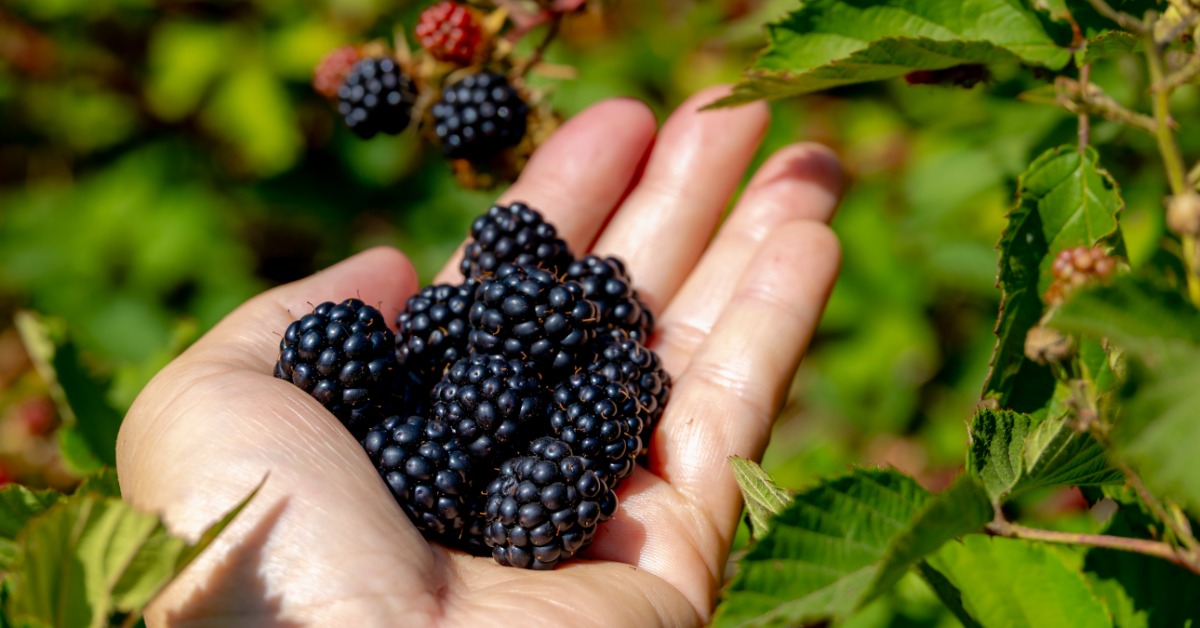
A backyard blackberry patch can supply enough fresh fruit for summer desserts, homemade preserves, and afternoon snacks straight from the vine. However, even healthy blackberry plants sometimes produce smaller harvests than homeowners anticipate. Once you discover how to improve blackberry production naturally, you can develop a care routine that supports abundant fruit without excessive fertilizer or chemical treatments. Explore the following techniques to help your blackberry plants reach their full potential and enjoy a more generous harvest each season.
Enrich the Soil With Organic Matter
Productive blackberry plants benefit from fertile soil with a loose texture and adequate drainage. Organic matter improves soil structure, supports beneficial microorganisms, and provides nutrients as it decomposes. A generous supply of well-aged compost can help create a favorable environment for root development.
Test the Soil Before You Amend It
Blackberries excel when you plant them in a slightly acidic soil that has a pH balance between 5.5 and 6.5. A soil test can reveal nutrient deficiencies or unfavorable pH levels that interfere with the plant’s ability to absorb nutrients. Use the results to determine the appropriate amendments for your blackberry patch.
Introduce Natural Nutrient Sources
Aged manure and finished compost can supplement the nutrients available to blackberry plants. Apply these materials in moderation around the base of each plant, with enough clearance to prevent direct contact with the canes. Excessive nitrogen can encourage dense foliage at the expense of fruit, so resist the temptation to fertilize more than necessary.
Establish a Consistent Water Routine
Blackberries require reliable access to moisture, particularly as flowers develop into fruit. Dry soil during this period can limit berry size and reduce the overall harvest. Established plants generally benefit from one to two inches of water per week, although local weather and soil conditions influence their needs.
Direct water toward the soil rather than the foliage to reduce prolonged moisture on the leaves. A drip irrigation system or soaker hose can deliver water gradually across the root zone. Check the soil beneath the surface periodically, since the top layer may appear dry even when adequate moisture remains below.
Protect the Roots With Natural Mulch
A layer of organic mulch helps blackberry plants retain moisture and provides insulation against sudden temperature fluctuations. Pine bark, clean straw, and untreated wood chips are suitable options for many residential berry patches. These materials also discourage weeds that compete with blackberries for water and nutrients.
Spread approximately two to four inches of mulch across the root zone, but leave some open space around the crown. Excess moisture near the base of the canes can contribute to decay and disease. Replenish the mulch as it decomposes so the soil retains its protective cover throughout the year.

Prune Blackberry Canes at the Appropriate Time
A blackberry plant can develop a dense network of canes within a few seasons. Without regular attention, this growth may restrict sunlight, reduce air circulation, and leave less room for productive branches. A precise approach to cane removal allows the plant to devote more resources to healthy fruit development.
Understand the Cane Life Cycle
Traditional blackberry varieties produce vegetative canes called primocanes during their first year. These canes mature into floricanes the next year, produce fruit, and subsequently die. After the harvest, remove spent floricanes near ground level to create space for the younger canes.
Account for Your Blackberry Variety
Primocane-fruit varieties can produce berries on first-year canes, so they require a different approach to annual maintenance. The appropriate technique depends on the variety and your preferred harvest schedule. Review the care recommendations for your specific blackberry cultivar before you remove healthy canes that could supply future fruit.
Encourage Natural Pollinator Activity
Blackberry flowers attract bees and other beneficial insects that help transfer pollen between blossoms. Although many blackberry varieties are self-fertile, insect activity can improve fruit set and support the development of fuller berries. A garden with diverse floral resources can attract more pollinators to your property.
Introduce native wildflowers, lavender, or other bee-friendly plants near the blackberry patch. Choose companion plants with different bloom periods to provide nectar throughout the warmer months. Avoid pesticide applications near open blackberry blossoms, even if the products contain naturally derived ingredients that may harm beneficial insects.
Provide Adequate Support for the Canes
A trellis can help blackberry plants maintain an orderly structure as their canes extend and develop fruit. Semi-erect and trailing varieties particularly benefit from additional support because their long canes may otherwise rest against the ground. Elevated branches also provide easier access to ripe berries and reduce fruit contact with damp soil.
Use sturdy posts and horizontal wires to create a practical support system for your berry patch. Secure the canes with soft garden ties that won’t restrict their expansion or damage their outer tissue. Arrange the branches so sunlight can reach more of the plant rather than concentrate growth in one crowded area.
Manage Pests and Diseases Naturally
Regular inspections can help you identify potential problems before they affect a substantial portion of your blackberry crop. Discolored leaves, damaged fruit, and unusual cane lesions may indicate insect activity or disease. Early intervention gives you an opportunity to address localized concerns with less disruptive methods.
Remove diseased plant material and collect fallen or overripe fruit from beneath the canes. These garden sanitation practices can reduce potential sources of infection and discourage certain pests. Clean your garden tools between affected plants to limit the spread of pathogens throughout the blackberry patch.
Harvest Ripe Berries Regularly
Blackberries develop their characteristic sweetness as they reach full maturity on the plant. A ripe berry should have a deep black color and release from the stem with little resistance. Fruit harvested prematurely won’t develop the same rich flavor after removal.
Visit your blackberry patch every few days during peak harvest season to collect mature fruit. Frequent harvests reduce the amount of overripe fruit available to insects and other garden pests. They also give you a chance to inspect the canes and monitor the condition of berries that haven’t reached maturity.

Cultivate a More Productive Blackberry Patch
Once you understand how to improve blackberry production naturally, you can establish a garden care routine that complements the plant’s natural development. Healthy soil, consistent moisture, thoughtful cane maintenance, and abundant pollinator activity all contribute to favorable harvest conditions. With patience and regular attention, your blackberry patch can become a rewarding feature of your backyard. Explore our selection of blackberry vines to discover varieties suited to your garden and climate. Start your own blackberry patch or expand your existing collection for more opportunities to enjoy delicious seasonal harvests.

Leave a Reply