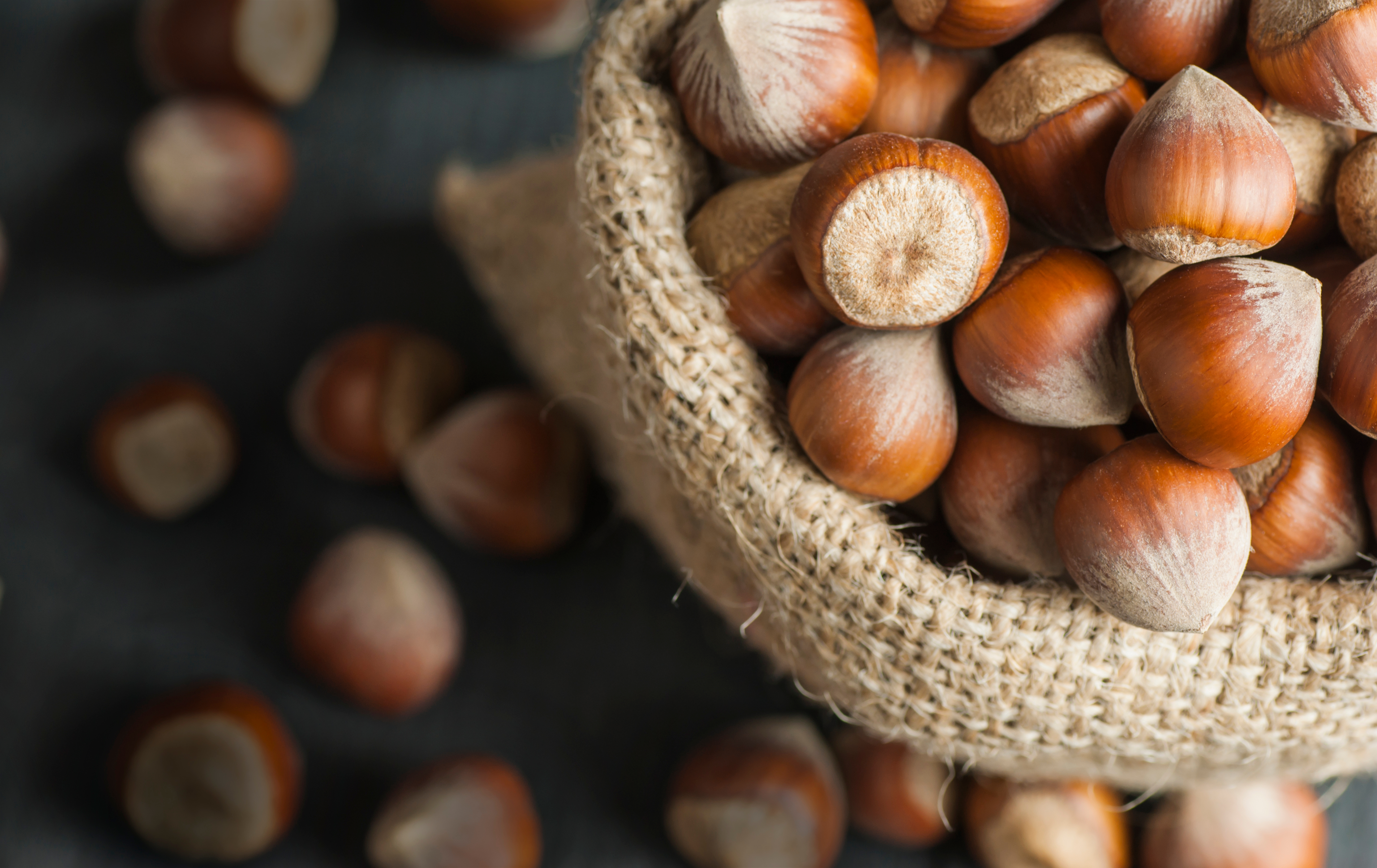
Filbert trees, also commonly known as hazelnut trees, are productive, long-lived nut trees valued for their compact size, early bearing, and adaptability to many regions of the United States. While filbert trees are generally hardy and forgiving once established, the final weeks of winter are a critical time that directly influences spring growth, pollination success, and nut yield.
Late winter represents a transition phase for filbert trees. Above ground, the tree may appear dormant, but internally the roots and buds are preparing for renewed growth. The steps taken now—before buds break and growth accelerates—can significantly improve tree vigor and long-term productivity.
Why Late Winter Care Matters for Filbert Trees
Filbert trees are unique among nut trees because they flower very early in the season. Male catkins release pollen in late winter to early spring, often before leaves emerge. Female flowers are small and less noticeable, but equally important for nut production.
Late winter preparation helps:
- Protect developing flower structures
- Encourage balanced vegetative growth
- Improve air circulation within the canopy
- Reduce disease pressure
- Support consistent nut set
Trees that are stressed or poorly managed during this period often show reduced flowering and lower yields later in the year.
Inspect Filbert Trees for Winter Damage
Begin by carefully inspecting your filbert trees. Winter weather, wind, ice, and wildlife activity can cause damage that may not be immediately visible.
Look for cracked branches, broken limbs, split bark, or dieback at branch tips. Inspect the lower trunk and root collar for signs of rodent damage such as gnawing or bark removal.
If damage is found, mark affected branches so they can be removed during pruning. Removing damaged wood now helps prevent disease entry and allows the tree to focus energy on healthy spring growth.
Complete Dormant Pruning Before Bud Break
Late winter is one of the best times to prune filbert trees. Pruning while the tree is dormant minimizes stress and allows you to shape the tree for improved structure and productivity.
Remove dead, damaged, or crossing branches. Thin dense interior growth to improve airflow and light penetration. Filbert trees naturally produce multiple stems, but managing structure helps reduce disease risk and improves nut quality.
Avoid heavy pruning once buds begin to swell, as this can interfere with flowering and reduce nut production.
Remove Suckers and Unwanted Basal Growth
Filbert trees often produce suckers from the base of the plant. While this is a natural growth habit, excess suckers can divert energy away from nut-producing branches.
Late winter is an ideal time to remove unwanted suckers while the tree is dormant. Cut them cleanly at the base without disturbing the main root system.
Managing sucker growth now helps the tree allocate energy more efficiently during the growing season.
Clear Leaf Litter and Old Plant Debris
Old leaves, fallen twigs, and plant debris around filbert trees can harbor pests and fungal spores. Late winter cleanup is a simple but important step.
Remove debris from around the base of the tree and dispose of it away from the planting area. This reduces disease pressure once temperatures warm and humidity increases.
A clean orchard floor also makes monitoring tree health easier in spring.
Evaluate Soil Drainage and Moisture Conditions
Filbert trees prefer moist, well-drained soil and do not tolerate standing water around their roots. Late winter is a good time to evaluate drainage before spring rains arrive.
If water pools near the tree after rainfall, gently improving surface drainage now can prevent root stress later. Avoid deep cultivation that could damage established roots.
At this stage, avoid fertilizing. Filbert trees are still dormant and cannot efficiently absorb nutrients until growth begins.
Refresh Mulch for Root Protection
Mulch helps regulate soil temperature and conserve moisture as winter transitions into spring. If mulch has thinned or shifted, refreshing it in late winter can be very beneficial.
Apply mulch in a wide ring around the tree, keeping it several inches away from the trunk. This protects roots from late cold snaps while preventing moisture buildup against the bark.
Mulch also suppresses early weeds that compete for nutrients and water.
Protect Trees from Late Winter Temperature Swings
Late winter often brings unpredictable temperature fluctuations. Warm spells can trigger early pollen release, followed by cold snaps that damage flowers or buds.
Maintaining consistent soil moisture and avoiding early fertilization helps prevent premature growth. Leaving mulch in place provides insulation against rapid temperature changes.
Young filbert trees may benefit from wind protection in areas prone to extreme swings.
Inspect Wildlife Protection
Wildlife damage frequently peaks in late winter when natural food sources are scarce. Rabbits, deer, and rodents may chew bark or buds.
Inspect tree guards, fencing, or trunk wraps to ensure they remain secure. Protection should stay in place until spring growth is well established.
Removing guards too early can expose trees during a vulnerable stage.
Delay Fertilization Until Active Growth Begins
Applying fertilizer too early can encourage growth before the risk of frost has passed. New growth stimulated too soon is highly susceptible to cold damage.
Wait until buds begin to open and new leaves emerge before fertilizing filbert trees. Proper timing ensures nutrients support strong shoot and leaf development.
Plan Ahead for Pollination
Filbert trees require cross-pollination between compatible varieties to produce nuts. Late winter is an ideal time to review your planting layout.
Planning now allows you to identify pollination gaps and make additions before flowering occurs.
Why Spring Success Starts in Late Winter
Strong filbert harvests do not begin in spring—they begin with preparation during late winter. Trees that exit dormancy healthy, well-structured, and unstressed are far more likely to produce abundant, high-quality nuts.
By addressing pruning, cleanup, soil conditions, moisture management, and protection now, you help filbert trees transition smoothly into spring growth.
Why So Many Growers Choose Ty Ty Nursery to Buy Filbert Trees
- Large selection of filbert trees for sale
- Best prices compared to many national competitors
- Fastest in-season shipping — plant in days the Ty Ty way
- Industry-leading guarantees included free
- Certified Google Quality Store View Google Reviews
- Nearly 50 years in business with over 10 million plants shipped
- Tens of thousands of 5-star reviews Read verified customer reviews
- Live plant experts located in Ty Ty, Georgia available by phone at 888-758-2252
- Convenience of shopping online and having filbert trees delivered directly to your door
With thoughtful late winter preparation, filbert trees can enter spring healthy, resilient, and ready to deliver dependable nut production for years to come.

Leave a Reply