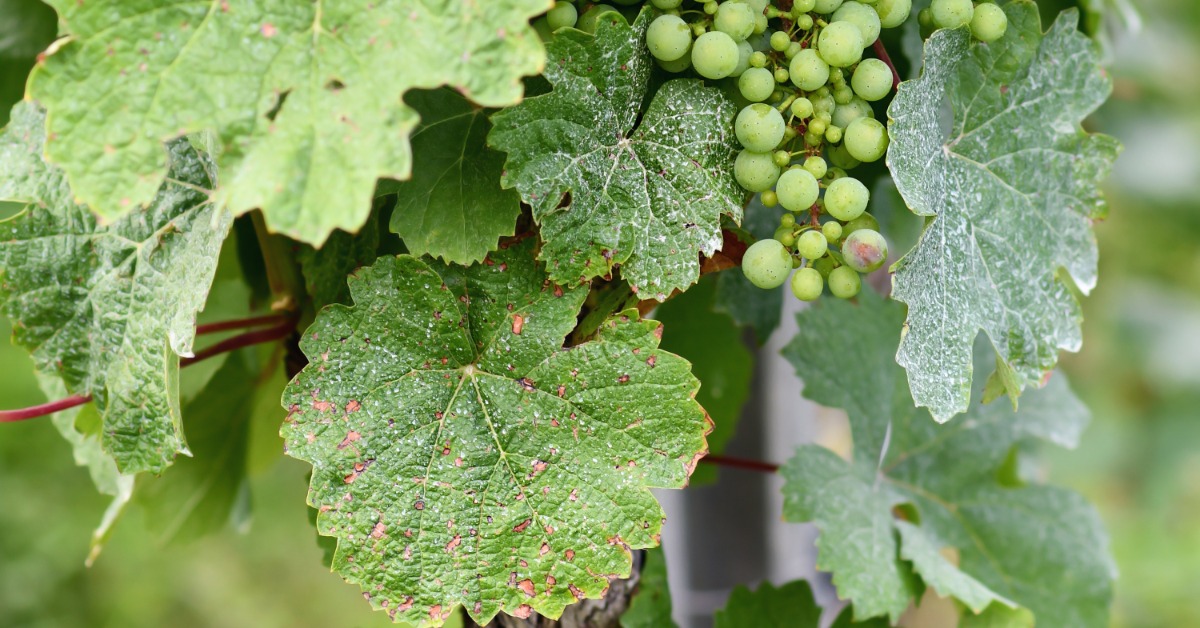
Grape plants bring a lot of charm to a backyard. Thick vines, broad leaves, and clusters of fresh fruit can turn a plain fence or arbor into the best spot on the property. Powdery mildew will ruin that experience fast.
The dusty white coating spreads across leaves and fruit, weakens the vine, and leaves growers frustrated by harvest time. A little attention throughout the season goes a long way toward healthy vines and better fruit production. Home gardeners don’t need a complicated routine to protect grape plants.
Good airflow, proper spacing, and smart watering habits can keep mildew pressure low from spring through harvest. If you’d like fuller vines and cleaner fruit this season, now’s the perfect time to start. Browse our guide now to find the best ways to prevent powdery mildew on grape plants.
Give Grape Plants Plenty of Airflow
Powdery mildew thrives in cramped, damp spaces with stale air. Dense grape vines trap humidity around leaves and fruit clusters, creating the perfect environment for fungal growth. Open space around the plant cuts down on moisture buildup and gives leaves a chance to dry faster after rain or morning dew. That small shift changes conditions enough to discourage mildew from spreading across the vine.
Proper spacing starts the process before planting day even arrives. Crowded vines compete for sunlight and airflow, so each plant needs enough room to stretch out naturally. Trellises, fences, and arbors also benefit from thoughtful spacing. Tight rows may look lush at first, though they usually invite disease trouble later in the season.
Remember to prioritize pruning, too. Older canes, tangled shoots, and excess leaf growth block circulation around the center of the plant. A few careful cuts in early spring can open the canopy and help fresh air move through the vine. Backyard growers usually notice healthier leaves and cleaner grape clusters after a solid pruning session.
Choose Disease-Resistant Grape Varieties
Some grape varieties handle powdery mildew far better than others. That advantage saves homeowners time, stress, and repeated treatment throughout the season. Resistant varieties still need care, though they stand up to disease pressure more successfully than sensitive types. Gardeners in humid regions usually benefit the most from this approach.
Muscadine grapes have earned a strong reputation for durability in warm Southern climates. Many homeowners choose them because the vines tolerate heat, humidity, and common grape diseases better than traditional bunch grapes. Concord grapes also show decent resistance compared to more delicate wine grape varieties. Strong genetics give growers a much smoother experience from spring through harvest.
New gardeners sometimes fall in love with a grape variety based on appearance alone. Large fruit clusters and attractive vines can grab attention fast. Disease resistance deserves just as much thought before planting day arrives. A healthier variety can save countless headaches once summer humidity settles into the yard.
Keep Leaves Dry During Watering
Wet foliage gives fungal problems more opportunities to spread across grape plants. Powdery mildew behaves differently than some garden diseases, though damp conditions around the vine still encourage trouble. Overhead sprinklers drench leaves unnecessarily and create lingering moisture inside dense growth. A better watering routine keeps the soil hydrated without soaking the foliage.
Drip irrigation works well for grape plants because water reaches the roots directly. Soaker hoses provide similar benefits in backyard gardens. Both methods reduce excess moisture around the leaves and fruit clusters. The vine gets the hydration it needs without extra humidity trapped around the plant.
Morning watering helps, too. Early moisture gives soil time to absorb water before evening temperatures arrive. Cool nighttime conditions paired with lingering dampness can encourage fungal growth around crowded vines. Gardeners who water early usually notice healthier foliage throughout the hottest months of summer.

Prune Vines Every Year
Unpruned grape plants turn into tangled masses surprisingly fast. Long shoots twist around older canes, dense leaves cover fruit clusters, and sunlight struggles to reach the center of the vine. Powdery mildew loves those dark, crowded spaces. Annual pruning keeps growth under control and helps grape plants stay productive.
Winter pruning removes dead wood and weak growth before spring arrives. That cleanup process improves airflow right away and encourages stronger new shoots once temperatures rise. Summer pruning can also help thin out excessive foliage around developing grapes. Small adjustments during the growing season prevent the vine from becoming too dense.
Many homeowners hesitate before cutting back healthy-looking growth. Grapes actually respond well to firm pruning. Vines usually produce better fruit after excess growth disappears. Cleaner structure around the plant also gives gardeners an easier time spotting early signs of disease before problems spread.
Let Sunlight Reach the Entire Plant
Powdery mildew prefers shaded areas with poor circulation. Full sunlight creates a tougher environment for fungal growth and helps grape plants stay vigorous throughout the season. Healthy vines dry faster after rain and produce stronger leaves capable of resisting stress more effectively.
Plant location matters from the very beginning. Grape vines perform best in open areas with steady sun exposure throughout the day. Tall trees, fences, or nearby structures can block sunlight and create pockets of shade around the plant. Even partial shade can increase disease pressure once summer humidity arrives.
Training vines along a trellis also improves sun exposure. Shoots spread out more evenly, fruit clusters receive better light, and airflow improves around the canopy. Backyard growers usually notice sweeter grapes and healthier foliage after adjusting vines into sunnier positions.
Remove Infected Leaves Quickly
Powdery mildew spreads rapidly once it gains traction on a grape plant. Early action helps prevent the disease from taking over the entire vine. White or gray powdery patches on leaves, stems, or grapes signal trouble right away. Removing affected growth quickly limits further spread across the plant.
Gardeners should avoid tossing infected leaves directly onto compost piles. Fungal spores may survive and return later around other plants in the yard. Bagging infected material or disposing of it away from garden areas works much better. Clean tools afterward too, especially pruning shears used around infected vines.

Regular inspection makes a huge difference during warm weather. A quick walk through the garden every few days helps homeowners spot problems early. Tiny patches of mildew feel much easier to handle than a vine completely covered in white fungus by late summer.
The best ways to prevent powdery mildew on grape plants can help homeowners build healthier vines that thrive for years to come. Backyard growers don’t need a perfect setup to raise beautiful grapes at home.
A little consistency throughout the season goes a long way toward stronger plants and cleaner fruit clusters. Explore the wide selection of grape vines for sale available from The Nursery at Ty Ty and give your backyard the start it deserves.

Leave a Reply