Between watering, weeding, pruning, and pest control, some gardens feel more like a second job than a relaxing hobby. A smarter setup cuts down on daily chores and still gives you a steady harvest through the season. Simplify your garden routine using these tips for creating a low-maintenance edible garden.
Stick With Plants That Thrive in Your Climate
A lot of garden frustration starts with the wrong plant choices. Some crops demand constant attention because they struggle in certain climates or soil conditions. Fruit trees, berry bushes, herbs, and vegetables suited to your region usually grow stronger with less effort.
Perennial plants reduce yearly replanting chores, so your garden gains more structure over time. Avoid crops known for constant problems if you want a relaxed gardening experience. Some varieties attract pests nonstop or demand daily watering during hot weather.
Keep Your Garden Small at First
Huge gardens look exciting in spring, but reality hits by midsummer when weeds spread everywhere and watering turns into a marathon. A smaller edible garden stays manageable and still produces plenty of food for most households. Adding raised beds, containers, or a few organized rows will create structure without overwhelming your schedule.
Starting small also gives you room to learn what works in your yard. Maybe tomatoes thrive, but squash struggles. Likewise, maybe herbs explode with growth near the patio, while lettuce bolts too fast in direct sun. Smaller spaces allow adjustments without wasting money or effort.
Even experienced gardeners scale back when life gets busy. A compact setup with healthy soil usually outperforms a giant neglected plot. Quality care over quantity leads to stronger harvests and less stress during the season. Starting small doesn’t mean your options are vastly reduced. Browse the many berry bushes for sale online to see how many great options you have to choose from right now.
Use Mulch Generously
Mulch cuts down on several annoying garden chores at once. A thick layer around plants slows weed growth, helps soil hold moisture, and protects roots during summer heat. Fewer weeds mean less time bent over in the yard every week.
Wood chips, straw, pine needles, and shredded leaves all work well in edible gardens. Organic mulch also breaks down over time and improves soil texture naturally. That gradual soil improvement helps plants grow stronger without constant fertilizer use.

Choose Raised Beds or Containers
Raised beds help organize edible gardens and reduce maintenance across the board. Soil drains better, weeds stay easier to control, and harvesting feels less physically demanding. You also avoid compacted soil caused by constant foot traffic.
Containers work especially well for herbs, peppers, strawberries, and compact fruit trees. A few large pots on a patio will produce an impressive amount of food without a full backyard setup. Containers also give flexibility if sunlight shifts throughout the year.
Another advantage comes from soil control. Raised beds and containers allow you to start with nutrient-rich soil from day one instead of fighting poor native ground. Healthier soil leads to healthier plants, and thriving plants require far less troubleshooting later.
Install a Simple Watering System
Hand watering sounds relaxing for about a week. After that, dragging hoses around every evening gets old fast during summer heat. Drip irrigation or soaker hoses remove a lot of hassle from edible gardening and help plants stay more consistent.
These systems deliver water directly near roots instead of spraying everything nearby. Less wasted water means fewer weeds and fewer fungal issues. Plants also grow better with steady moisture levels instead of random soaking sessions.
Timers take convenience even further. You can set watering schedules before work or overnight and let the system handle the job automatically. A low-maintenance garden should continue thriving even during busy weeks.
Grow Perennials Alongside Annual Crops
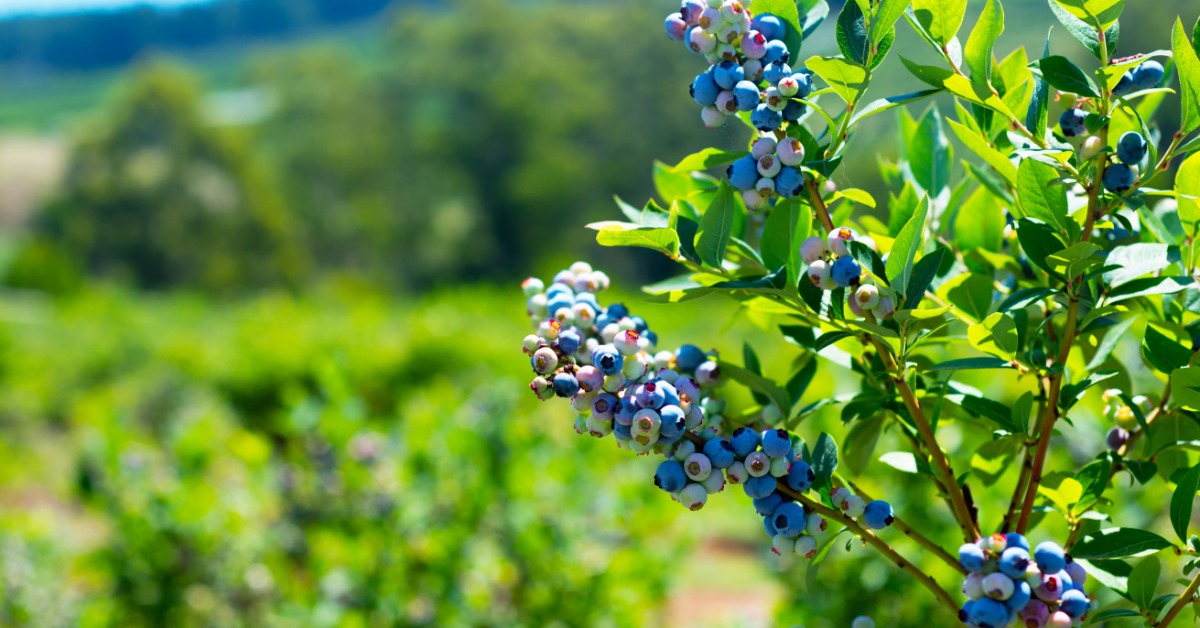
Annual vegetables like tomatoes, cucumbers, and peppers still deserve space in edible gardens, though perennial plants reduce yearly labor dramatically. Fruit trees, berry bushes, asparagus, rhubarb, and herbs return season after season with far less replanting work. Berry bushes stand out as one of the easiest edible additions for homeowners. Blueberries and blackberries produce generous harvests after roots mature, and many varieties need minimal attention outside occasional pruning.
Fruit trees also provide shade and beauty while supplying food for years. Mixing annuals with long-term plants creates a balanced garden. Annual vegetables bring variety each season, while perennials form a dependable backbone that saves time year after year.
Pick Disease-Resistant Varieties
You will find many plants that seem determined to catch every disease possible. Luckily, some plants stay sturdy through heat, humidity, and changing weather. Disease-resistant varieties help cut down on treatments and frustrating plant losses.
Tomatoes offer a good example. Certain varieties resist common problems like wilt and blight much better than older heirloom types. Fruit trees and berry bushes also come in cultivars bred for stronger performance against regional pests and diseases.
Healthy plants naturally need less intervention. A little research before planting saves countless headaches later in the season. Garden centers and nurseries usually label resistant varieties clearly, so shopping gets easier once you know what to look for.

Let Ground Covers Help
Bare soil invites weeds almost immediately. Ground covers help fill empty spaces and reduce maintenance naturally. Strawberries work beautifully as edible ground cover in sunny spots, and creeping herbs can spread through pathways or bed edges.
Ground covers also help soil stay cooler during hot weather. Moisture lasts longer beneath dense plant coverage, so watering chores shrink over time. A layered garden with taller plants, shrubs, and lower ground cover mimics how plants grow in nature.
This approach creates a fuller, more attractive yard, too. Instead of isolated rows with empty dirt everywhere, the garden feels lush and established. That natural look pairs nicely with a relaxed gardening style.
Build a Garden That Fits Your Lifestyle
Some gardeners enjoy daily pruning sessions and complicated planting schedules. Others want fresh produce without constant yard work. There’s nothing wrong with building an edible garden around convenience and simplicity. Tips for creating a low-maintenance edible garden work best when the setup matches your schedule, climate, and energy level.
A relaxed garden still produces rewarding harvests with the right approach. Hardy plants, mulch, smart watering systems, and healthy soil all reduce the amount of work required throughout the year. Edible plants offer long-term rewards without endless upkeep. Start small and give your garden room to grow naturally over time.

Leave a Reply