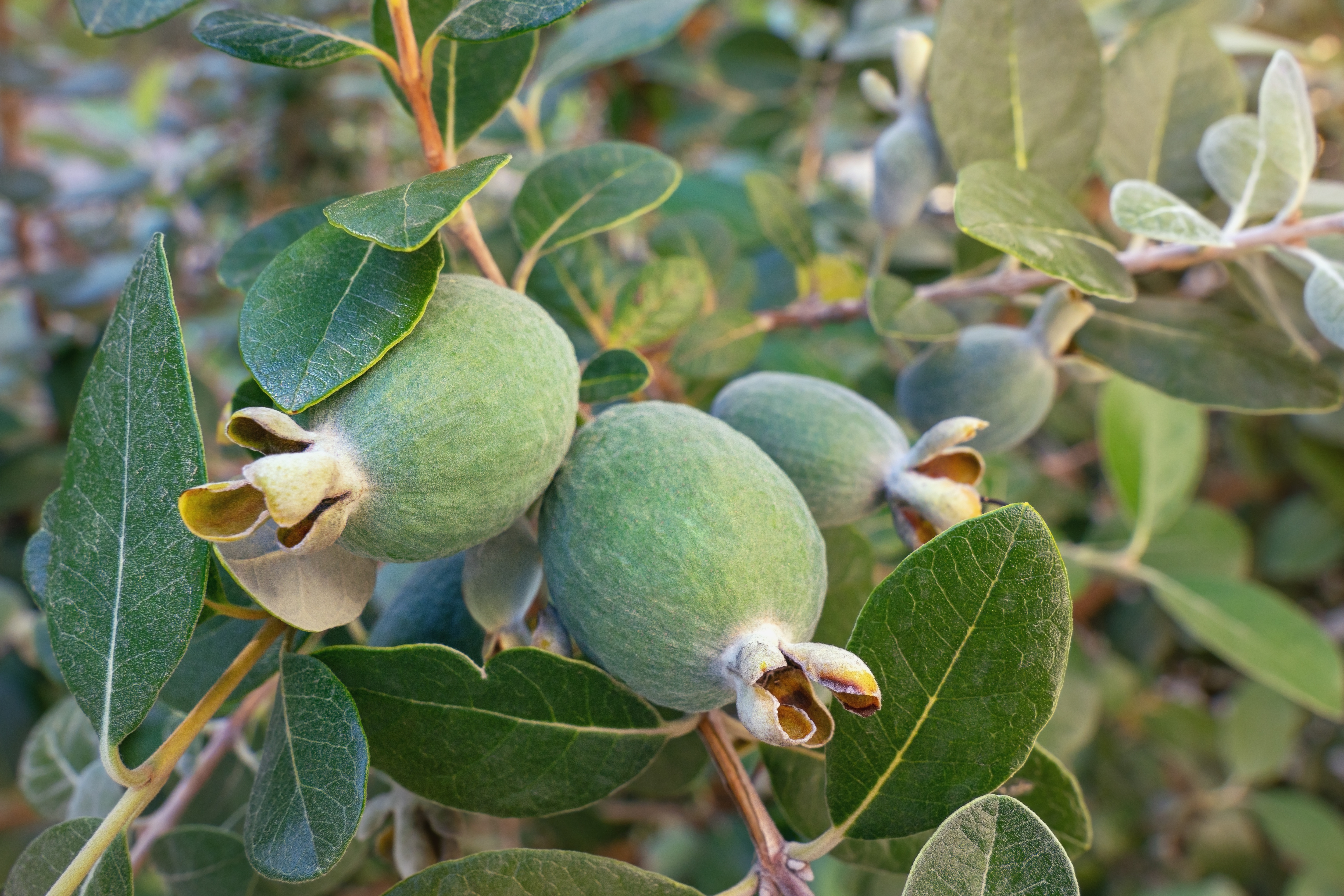
Pineapple guava plants, also known as feijoa, are attractive evergreen shrubs valued for their unique fruit, fragrant flowers, and ornamental appeal. With their silver-green foliage and adaptability to mild climates, pineapple guava plants are a favorite for edible landscapes and backyard orchards. While these plants are considered hardy in many regions, the final weeks of winter remain an important period for preparing them for strong spring growth and reliable fruit production.
Late winter is not simply a waiting season. Even though pineapple guava plants may appear calm and steady during cooler months, internal growth processes are preparing for renewed activity. What you do during this transition window can directly influence spring leaf flush, flower development, and fruit set later in the season.
Why Late Winter Care Matters for Pineapple Guava Plants
Pineapple guava plants are evergreen, which means they maintain foliage throughout the winter. However, growth slows significantly during cold weather. As temperatures begin to warm, stored energy shifts toward new leaf production and flower bud formation.
Late winter preparation helps:
- Protect evergreen foliage from cold stress
- Encourage balanced spring growth
- Improve air circulation and structure
- Reduce pest and disease issues
- Support consistent fruit production
Neglecting late winter maintenance can result in delayed growth, weak flowering, or unnecessary stress once active growth begins.
Inspect Pineapple Guava Plants for Winter Damage
Begin by thoroughly inspecting your pineapple guava plants. While they are cold-tolerant compared to many tropical fruit plants, extended freezes, wind, or heavy rain can cause damage.
Check for browned or scorched leaves, cracked stems, or broken branches. Examine the base of the plant for signs of excess moisture or rodent activity. Pay attention to young plants, which are more vulnerable to winter stress.
If damaged branches are found, mark them for pruning. Removing injured wood before spring growth begins allows the plant to focus energy on healthy development.
Prune Lightly Before Active Growth Begins
Late winter is a suitable time for light structural pruning of pineapple guava plants. Unlike deciduous fruit trees, pineapple guava should not be heavily pruned unless necessary.
Remove dead or damaged branches first. Thin overly dense areas to improve airflow and light penetration. If shaping the plant for hedging or ornamental form, make minor adjustments before vigorous spring growth begins.
Avoid excessive pruning, as this can reduce flowering and fruit production.
Remove Debris and Clean the Planting Area
Old leaves and plant debris around pineapple guava plants can harbor pests or fungal spores. Late winter cleanup reduces disease pressure and prepares the area for spring growth.
Clear fallen leaves and prune away any weak or crossing growth. Keeping the base of the plant clean improves air movement and makes it easier to monitor soil conditions.
Evaluate Soil Drainage and Moisture Conditions
Pineapple guava plants prefer well-drained soil and do not tolerate standing water for extended periods. Late winter is a good time to evaluate drainage before spring rains intensify.
If water pools near the base of the plant, gently improving surface drainage can help prevent root stress. Avoid deep digging that could disturb the root system.
At this stage, do not fertilize. Wait until signs of active growth appear before applying nutrients.
Refresh Mulch for Root Stability
Mulch plays a valuable role in protecting roots and regulating soil temperature. If mulch has thinned or decomposed, refreshing it in late winter can help moderate temperature swings.
Apply mulch in a wide ring around the plant, keeping it several inches away from the trunk to prevent moisture buildup.
Mulch also suppresses early weed growth, reducing competition for nutrients and water.
Protect Against Late Winter Temperature Swings
Late winter often brings unpredictable warm spells followed by sudden cold snaps. Pineapple guava foliage can tolerate light frost, but repeated fluctuations may cause stress.
Maintaining consistent soil moisture and leaving mulch intact helps buffer the root zone. In colder areas, temporary frost cloth may protect young plants during unexpected freezes.
Resist the urge to fertilize early, as this can stimulate tender new growth that is vulnerable to cold damage.
Inspect Wildlife Protection
Wildlife activity can increase during late winter. Deer may browse foliage, and rodents may seek shelter near the base of plants.
Inspect fencing or protective barriers to ensure they remain secure. Protection should stay in place until consistent warm weather arrives.
Delay Fertilization Until Growth Resumes
Applying fertilizer too early can push growth before environmental conditions are favorable. Wait until new leaf flush begins before applying balanced fertilizer.
Proper timing supports healthy, steady growth rather than forcing rapid development during unstable weather.
Plan Ahead for Pollination and Fruit Set
Late winter is also a good time to consider pollination needs. While pineapple guava plants are self-fertile, cross-pollination between different plants can improve fruit size and yield.
Planning ahead allows you to evaluate spacing and decide whether additional plants are needed to maximize fruit production.
Why Spring Success Starts Before Spring
Strong pineapple guava growth does not begin when flowers open — it begins with thoughtful preparation during late winter. Plants that exit cooler months healthy and unstressed are far more likely to produce vigorous foliage and abundant blooms.
By addressing pruning, cleanup, soil conditions, moisture balance, and protection now, you position pineapple guava plants for a successful growing season.
Why So Many Gardeners Choose Ty Ty Nursery to Buy Pineapple Guava Plants
- Large selection of pineapple guava plants for sale
- Best prices compared to many national competitors
- Fastest in-season shipping — plant in days the Ty Ty way
- Industry-leading guarantees included free
- Certified Google Quality Store View Google Reviews
- Nearly 50 years in business with over 10 million plants shipped
- Tens of thousands of 5-star reviews Read verified customer reviews
- Live plant experts located in Ty Ty, Georgia available by phone at 888-758-2252
- Convenience of shopping online and having pineapple guava plants delivered directly to your door
With careful late winter preparation, pineapple guava plants can enter spring healthy, resilient, and ready to produce beautiful foliage, fragrant blooms, and flavorful fruit.

Leave a Reply