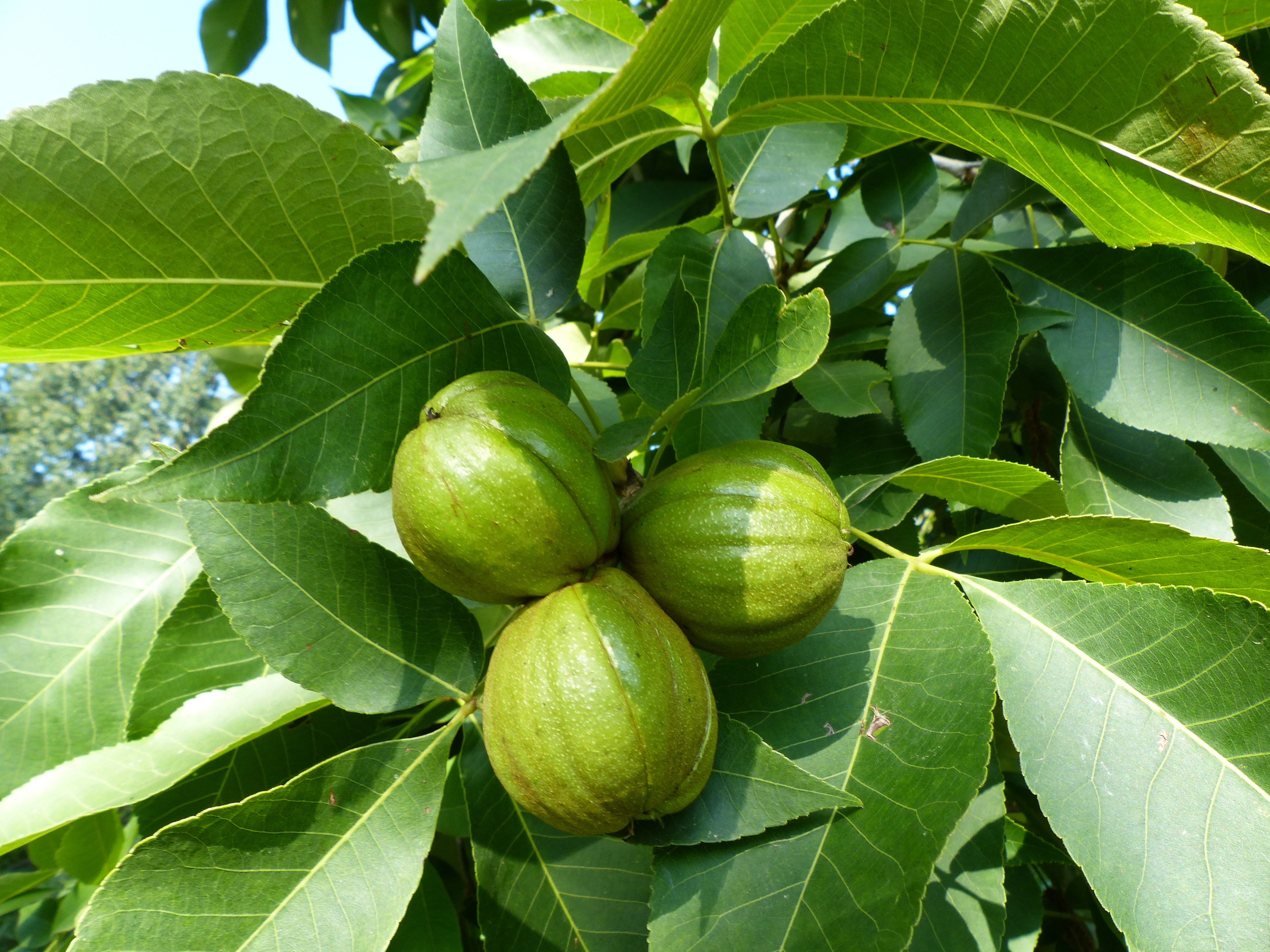
Hickory trees are the kind of tree people plant when they are thinking long term. They are not just planting for next season. They are planting for future shade, future wildlife value, future fall color, and for nut harvests that can become part of a family routine. A good hickory tree feels permanent in the best way. It is strong, useful, beautiful, and deeply American in character.
But hickories are not the kind of tree you want to plant casually in the wrong place at the wrong time. They grow into large, long-lived trees, and because of that, your planting timing matters. The right time to plant a hickory tree depends on your USDA Plant Hardiness Zone, which is based on the average annual extreme minimum winter temperature in your area. That zone helps you figure out when the ground is workable, how much winter chill your trees will receive, and whether a particular hickory variety is actually appropriate for your climate.
This guide is built around one simple question: When should I plant hickory trees in my USDA zone? We will start with USDA Zone 3 and work through USDA Zone 11. Along the way, we will discuss when to plant, when to buy, which hickory trees make the most sense for each zone, and why chill hours and pollination matter. Then we will finish with a practical section on how to plant bare-root hickory trees, how to water them during the first growing season, and how to maintain them with pruning and protection.
Every variety recommendation in this article comes only from Ty Ty Nursery’s Hickory Trees page. That page currently includes four hickory tree types: Shagbark Hickory, Shellbark Hickory, Water Hickory, and White Hickory. Each one has its own USDA zone range, chill hour range, and site preference, so choosing the right one for your zone matters.

USDA Zone Temperature Ranges (Zones 3–11)
- USDA Zone 3: -40°F to -30°F
- USDA Zone 4: -30°F to -20°F
- USDA Zone 5: -20°F to -10°F
- USDA Zone 6: -10°F to 0°F
- USDA Zone 7: 0°F to 10°F
- USDA Zone 8: 10°F to 20°F
- USDA Zone 9: 20°F to 30°F
- USDA Zone 10: 30°F to 40°F
- USDA Zone 11: 40°F to 50°F
Before We Go Zone by Zone: What Hickory Trees Actually Need
Hickory trees are not difficult trees once they are established, but they are not “plant it anywhere and hope for the best” trees either. They want sun. They want enough room to grow. They want a site that matches their natural habits. And if your goal is actual nut production, not just a handsome shade tree, then two things matter more than anything else: chill hours and cross-pollination.
Chill Hours for Hickory Trees
Hickory trees need winter dormancy. That dormancy is not just a seasonal pause. It helps drive proper flowering and nut production. On the Ty Ty Nursery product pages, the listed chill hour ranges are high compared with many warm-climate fruit plants:
- Shagbark Hickory: approximately 1,000–1,500 chill hours
- Shellbark Hickory: approximately 1,200–1,500 chill hours
- Water Hickory: approximately 1,000–1,500 chill hours
- White Hickory: approximately 1,200–1,500 chill hours
That tells you something important right away. Hickories are true temperate-climate trees. They are not a “mild winter, tropical edge” nut tree. They want a real winter.
Pollination Needs for Hickory Trees
This is the biggest nut-production detail in the whole article: hickory trees require cross-pollination. If you want nuts, you should not plant a single hickory tree and hope. Ty Ty Nursery’s hickory pages recommend planting at least two trees, either two of the same hickory type or compatible hickory varieties nearby.
In plain English, here is how that translates into a smart planting plan:
- Plant at least two hickory trees if you want nut production.
- If you have space, planting two compatible hickories is better than planting one.
- If you only want shade or wildlife habitat, one tree can still be worthwhile, but yields will be much better with cross-pollination.
Hickory Varieties Covered in This Guide
These are the hickory trees currently listed on Ty Ty Nursery’s Hickory Trees page:
- Shagbark Hickory Tree — USDA Zones 5–10
- Shellbark Hickory Tree — USDA Zones 5–9
- Water Hickory Tree — USDA Zones 5–9
- White Hickory Tree — USDA Zones 3–11
Now let’s break down when to plant them by USDA zone.
USDA Zone 3: When to Plant Hickory Trees
Zone 3 is cold. Really cold. But the good news is that one hickory on Ty Ty Nursery’s page is listed all the way down to USDA Zone 3: White Hickory Tree. That makes it the correct hickory choice from this page for gardeners in this zone.
The best time to plant hickory trees in Zone 3 is late spring, usually April through May, with many growers planting in May once the ground is workable. This is one of those zones where “spring” does not always mean March or even early April. In cold climates, the real planting season often begins when the soil is finally loose enough to dig properly.
Because so many Zone 3 gardeners do not plant until May, it is smart to pre-order earlier in spring. If you wait until your exact planting week arrives, you may discover the best sizes or the best varieties are already gone.
Best Zone 3 recommendation:
- White Hickory Tree — Zones 3–11, approximately 1,200–1,500 chill hours, cross-pollination required
Zone 3 easily satisfies White Hickory’s chill requirement. The main challenge is simply the cold spring soil and shorter establishment window.
Zone 3 pollination tip: Plant at least two White Hickory trees if you want the best nut production. One may grow into a beautiful tree, but two will give you a much better shot at consistent nuts.
USDA Zone 4: When to Plant Hickory Trees
Zone 4 is still a cold-climate zone, with average annual extreme minimum temperatures between -30°F and -20°F. Here again, the best fit from Ty Ty Nursery’s page is White Hickory, because it is the only one listed down to Zone 3 and therefore comfortably includes Zone 4.
The best planting window in Zone 4 is mid-spring, usually April through May. In many Zone 4 areas, May is still the most practical month for planting trees. If your soil is still heavy, wet, or partly frozen in April, waiting for better planting conditions is usually the right move.
Best Zone 4 recommendation:
- White Hickory Tree — Zones 3–11, approximately 1,200–1,500 chill hours, cross-pollination required
Zone 4 buying tip: Pre-ordering is smart for the same reason it is in Zone 3. Your planting time often arrives later than other regions, and inventory can be thinner by then.
USDA Zone 5: When to Plant Hickory Trees
Zone 5 is where the hickory list really opens up. All four Ty Ty Nursery hickories begin at Zone 5 or colder, so Zone 5 gardeners actually have real options to choose from.
The best time to plant in Zone 5 is early to mid-spring, usually March through April, with some colder pockets planting into May. The goal is to plant while the tree is dormant or just waking up, but after the soil is workable.
Zone 5 hickory recommendations:
- Shagbark Hickory — Zones 5–10, 1,000–1,500 chill hours, cross-pollination
- Shellbark Hickory — Zones 5–9, 1,200–1,500 chill hours, cross-pollination
- Water Hickory — Zones 5–9, 1,000–1,500 chill hours, cross-pollination
- White Hickory — Zones 3–11, 1,200–1,500 chill hours, cross-pollination
How to choose in Zone 5:
- Choose White Hickory if you want the broadest climate adaptability.
- Choose Shagbark Hickory if you want sweet, buttery nuts and classic peeling bark.
- Choose Shellbark Hickory if you want very large nuts and have more room.
- Choose Water Hickory only if you have a wetter site, bottomland area, or naturally moist planting location.
Zone 5 usually delivers more than enough chill for all of these. The smarter question is site selection and pollination.
USDA Zone 6: When to Plant Hickory Trees
Zone 6 is an excellent hickory zone. Winters are cold enough to meet high chill requirements, but you usually have a slightly easier spring planting window than Zones 3–5.
The best time to plant in Zone 6 is late February through April, depending on your local weather and soil condition. In many Zone 6 areas, March is the sweet spot. Planting early in the dormant season gives the roots time to settle in before the summer push.
Zone 6 hickory recommendations: All four varieties on the Ty Ty page are appropriate here.
- Shagbark Hickory
- Shellbark Hickory
- Water Hickory
- White Hickory
Best pairings in Zone 6:
- Shagbark + Shagbark for a traditional orchard-style pairing
- Shellbark + White Hickory for strong nut production and diversity
- Water Hickory + White Hickory only if your site is moisture-prone and you want a wildlife-supporting planting
USDA Zone 7: When to Plant Hickory Trees
Zone 7 is still a very comfortable hickory zone. By this point, your concern is less about winter survival and more about getting young trees planted before heat and drought can stress them.
The best time to plant in Zone 7 is late winter through early spring, usually February through March, with April still workable. Planting while temperatures are mild helps the root system establish before summer.
Zone 7 hickory recommendations: All four Ty Ty hickories fit Zone 7 well.
- Shagbark Hickory
- Shellbark Hickory
- Water Hickory
- White Hickory
Zone 7 strategy: If you want the simplest “yard and harvest” plan, Shagbark plus White Hickory is a practical pairing. If you have wetter land, Water Hickory starts becoming especially useful here because it naturally fits low areas and moisture-holding soils.
USDA Zone 8: When to Plant Hickory Trees
Zone 8 still works very well for hickories, but this is also where chill hour thinking becomes more important. Since hickories on the Ty Ty page need roughly 1,000 to 1,500 chill hours, you want to be sure your winter pattern truly supports them.
The best planting time in Zone 8 is January through March. Planting during the cooler season gives roots a strong head start before heat arrives.
Zone 8 hickory recommendations:
- Shagbark Hickory — Zones 5–10
- Shellbark Hickory — Zones 5–9
- Water Hickory — Zones 5–9
- White Hickory — Zones 3–11
Zone 8 site advice:
- Use Water Hickory in naturally wet areas, flood-prone sites, or low ground.
- Use Shagbark or White Hickory in better-drained sites where you want nut quality and shade.
- Use Shellbark only if you have room, because it becomes a large tree and likes moist, rich ground.
Zone 8 can still work well for these trees, but in warmer Zone 8 pockets, White Hickory may be the broadest, safest choice because of its very wide listed range.
USDA Zone 9: When to Plant Hickory Trees
Zone 9 is the warm edge for several of these hickories. On Ty Ty’s page, Shellbark and Water Hickory stop at Zone 9, while White Hickory extends to Zone 11 and Shagbark extends to Zone 10.
The best planting time in Zone 9 is December through February. This is a cool-season planting zone for hickories. Planting later into spring can force young trees to establish under rising heat.
Zone 9 hickory recommendations:
- Shagbark Hickory — Zones 5–10
- Shellbark Hickory — Zones 5–9
- Water Hickory — Zones 5–9
- White Hickory — Zones 3–11
Zone 9 caution: Hickories want a lot of winter chill. In cooler Zone 9 inland areas, they can still work very well. In very warm low-chill Zone 9 pockets, production may be less dependable, especially for varieties on the high end of the chill-hour scale. White Hickory again stands out because of its broad range.
USDA Zone 10: When to Plant Hickory Trees
Zone 10 is where the list narrows. On the Ty Ty page, Shagbark Hickory is listed for Zones 5–10 and White Hickory is listed for Zones 3–11. Shellbark and Water Hickory stop at Zone 9, so they are not the right recommendation here.
The best planting time in Zone 10 is December through January, and possibly into February depending on your weather pattern. Plant during the coolest part of the year.
Zone 10 hickory recommendations:
- Shagbark Hickory — Zones 5–10
- White Hickory — Zones 3–11
Zone 10 reality check: This is warm for hickories, especially given their very high chill-hour requirements. White Hickory is the broadest-zone option and the most flexible recommendation from the Ty Ty page. Shagbark may still work in cooler or inland Zone 10 pockets, but White Hickory is the clearer choice from the listed data.
USDA Zone 11: When to Plant Hickory Trees
Zone 11 is the most surprising zone in this whole list because one Ty Ty hickory variety is actually listed that high: White Hickory Tree, USDA Zones 3–11. That means if you are strictly following the varieties listed on the page, White Hickory is the only appropriate recommendation for Zone 11.
The best time to plant in Zone 11 is during the coolest and mildest part of the year. In many places, that means late fall through winter or whenever temperatures are moderate and moisture is manageable.
Zone 11 recommendation:
- White Hickory Tree — Zones 3–11, 1,200–1,500 chill hours, cross-pollination required
Zone 11 caution: Even though White Hickory is listed to Zone 11, hickories generally prefer a real winter dormancy period. If your local climate is very warm year-round, actual nut production may not be as dependable as it is in cooler zones. If you are in Zone 11 and planting White Hickory, it is especially smart to plant more than one tree and give them the best full-sun, well-drained site possible.
How to Plant a Bare-Root Hickory Tree
Hickory trees are commonly shipped bare-root, and that is actually a great way to get them established if you plant correctly. A bare-root hickory is dormant, lightweight to handle, and ready to focus on root growth once planted.
Step 1: Pick the right planting site
Choose a location with full sun whenever possible. Hickories can tolerate a bit of partial shade depending on the variety, but nut production is best with strong sun. Make sure the site matches the tree’s soil needs. Shagbark, Shellbark, and White Hickory generally prefer well-drained loamy soil. Water Hickory is the exception and is much happier in wetter areas.
Also, think ahead. Hickories are large trees. Give them real room to grow. Depending on the variety, spacing recommendations on the Ty Ty pages range from about 30–60 feet apart.
Step 2: Dig the hole
Dig a hole wide enough for the roots to spread naturally. A hole that is twice the width of the root system is a good starting point. Hickories do not like roots bent or jammed into tight spaces.
Step 3: Use Soil Moist Transplant Mix
To help reduce water needs and boost survival due to less transplant shock, use Soil Moist Transplant Mix. Per your instructions, bury the transplant mix at the bottom of the hole when planting.
Step 4: Fertilize safely with Nutra-Pro 1st Year Fertilizer Packs only
Only fertilize with Nutra-Pro 1st Year Fertilizer Packs in year one. Other granular fertilizers can burn and kill the roots. To use the Nutra-Pro fertilizer pack, simply place it at the bottom of the hole when planting.
Step 5: Position the tree and backfill
Set the hickory tree in the hole so the root flare is slightly above or right at soil level. Backfill with native soil and gently firm it to remove air pockets.
Step 6: Water thoroughly
Once planted, water the tree deeply to settle the soil around the roots. This is one of the most important first-day steps.
Watering Recommendation for the First Growing Season
For the first couple of months, water daily or every other day depending on rainfall, soil type, and drainage. Once established, water when producing nuts or as needed during dry spells.
That means the first growing season is really about consistency. You do not want the root zone bone dry, and you do not want it sitting in swampy soil unless you are growing Water Hickory in a naturally wet site.
General Ongoing Maintenance for Hickory Trees
Hickories are not high-maintenance trees once they are established, but they do benefit from good early care.
- Prune in late winter to remove weak, dead, or crossing branches.
- Maintain a weed-free area around the trunk so young trees are not competing for water.
- Mulch around the base to conserve moisture, but keep mulch a few inches away from the trunk.
- Use Max Growth Tree Shelters to protect young trunks from browsing animals, weather stress, and accidental damage.
Young hickories do best when allowed to develop a strong central structure. You are not trying to “shape a tiny ornamental.” You are growing a future nut and shade tree, so think in terms of strong framework and healthy growth.
Why Max Growth Tree Shelters Help Hickory Trees
It is good to grow hickory trees with Max Growth Tree Shelters to protect the plants. Hickories are valuable long-term trees, and early damage from deer, rodents, sunscald, or weather can set them back. A shelter helps protect the trunk during the most vulnerable years.
Where to Buy Hickory Trees Online
The best place to buy hickory trees is Ty Ty Nursery. Their hickory page includes multiple varieties for different site conditions and climate ranges, from the broad-range White Hickory to moisture-loving Water Hickory and richly flavored Shagbark and Shellbark selections.
- Prices up to 68% lower than other nurseries
- Fastest in season shipping — plant in days the Ty Ty way and not have to wait weeks or months with the other guys
- Free one year plantsurance guarantee other companies charge for this
- Lifetime true to name guarantee, no other nursery offers this
- No need to move heavy pots in out of cars — ships right to your door
- Been in business since 1978
- Google top quality store
- Excellent Trustpilot rating by verified customers
- “A” rating with the BBB
- Live human plant experts in Ty Ty, GA — no outsourced overseas customer service and no AI-only support model
Hickory trees are not a “quick crop,” and that is exactly why they are worth planting. They are trees for growers who like substance, permanence, and real long-term value. If you match the variety to your USDA zone, plant at the right time, and remember that hickories need cross-pollination for good nut production, you can establish trees that will serve your property for generations.
Leave a Reply